
Elevating Your Career in High-Risk Work: Why EWP and Dogging Certifications Matter
Training & Courses
In today’s construction and industrial landscape, safety is no longer just a checklist item—it’s a defining part of professionalism. As projects grow in scale and complexity, employers are looking for individuals who not only understand safety protocols but can actively apply them in high-risk environments.
This shift has made specialized training more valuable than ever. Workers who invest in building practical, certified skills often find themselves better prepared for the realities of modern worksites, where responsibility and awareness go hand in hand.
Two areas that consistently stand out in this regard are working at heights and handling suspended loads. Both require a combination of technical knowledge, clear communication, and a strong understanding of risk management.
Working Safely at Heights
Performing tasks above ground level introduces a unique set of challenges. Whether it’s navigating uneven terrain, dealing with weather conditions, or managing equipment at height, the margin for error becomes significantly smaller.
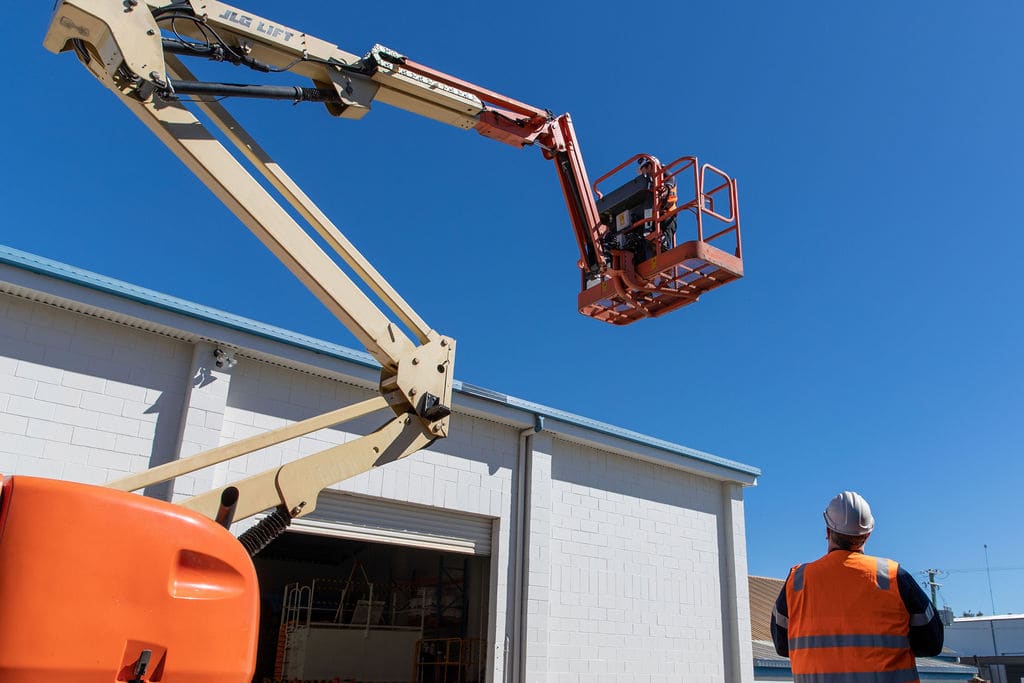
Elevating Work Platforms (EWPs), particularly those operating above 11 metres, are commonly used across construction, maintenance, and installation projects. However, operating this equipment safely requires more than basic familiarity—it demands structured training and hands-on experience.
Undertaking an EWP over 11 metres training course provides workers with a deeper understanding of how to assess risks, conduct equipment checks, and operate machinery in a controlled and responsible way. Just as importantly, it builds confidence, allowing individuals to approach elevated tasks with a clearer sense of awareness.
For electricians working on overhead systems, technicians servicing high structures, or construction teams managing multi-level builds, these skills are not just useful—they’re often essential.
The Role of Dogging on Modern Worksites
While working at height presents one kind of risk, lifting and moving heavy loads introduces another. On many worksites, materials must be carefully hoisted, positioned, and secured using cranes or similar equipment. This is where dogging plays a crucial role.
Dogging involves more than simply attaching loads—it requires a detailed understanding of weight distribution, balance, and the limitations of lifting gear. Clear communication with crane operators is also critical, as even small misunderstandings can lead to serious incidents.
By completing a dogging licence training course, workers develop the ability to guide lifting operations safely and efficiently. They learn how to select the right equipment, interpret signals, and ensure that every movement is controlled and deliberate.
These capabilities are widely applicable, making dogging a valuable skill set across construction, logistics, and heavy industry. It also lays the groundwork for those who may want to progress into more advanced rigging roles in the future.
Building a More Versatile Skill Set
One of the most practical ways to grow within high-risk industries is to develop a broader range of competencies. Rather than focusing on a single area, workers who understand both elevated operations and load handling can adapt more easily to different site requirements.
This versatility often translates into greater opportunities. Employers tend to value individuals who can step into multiple roles when needed, especially in fast-paced environments where flexibility is key.
At the same time, gaining multiple certifications isn’t just about employability—it’s also about perspective. Exposure to different types of risk and safety procedures helps build a more comprehensive understanding of how worksites function as a whole.
A Long-Term Investment in Safety and Growth
Training should not be seen as a one-time requirement, but as an ongoing investment in both personal development and workplace safety. The more knowledge and experience a worker brings to the job, the better equipped they are to identify risks, respond to challenges, and contribute to a safer environment for everyone.
As construction and infrastructure projects continue to expand, the demand for capable, safety-conscious workers is likely to remain strong. Those who take the initiative to develop their skills today are positioning themselves for more stable and rewarding opportunities in the future.
Final Thoughts
High-risk work comes with equally high expectations. Meeting those expectations requires more than just experience—it calls for the right training, the right mindset, and a commitment to doing things safely and effectively.
Whether it’s operating equipment at height or managing complex lifting tasks, building expertise in these areas can make a meaningful difference. For anyone looking to move forward in the industry, focusing on practical skills and recognized certifications is a step in the right direction.
About the Creator
Enjoyed the story? Support the Creator.
Subscribe for free to receive all their stories in your feed.
Comments
There are no comments for this story
Be the first to respond and start the conversation.