
East Africa Renewable Energy Market: Solar Expansion, Policy Support & Growth Outlook
How rising energy demand, grid expansion, and policy incentives are accelerating renewable energy adoption across the East Africa renewable energy market

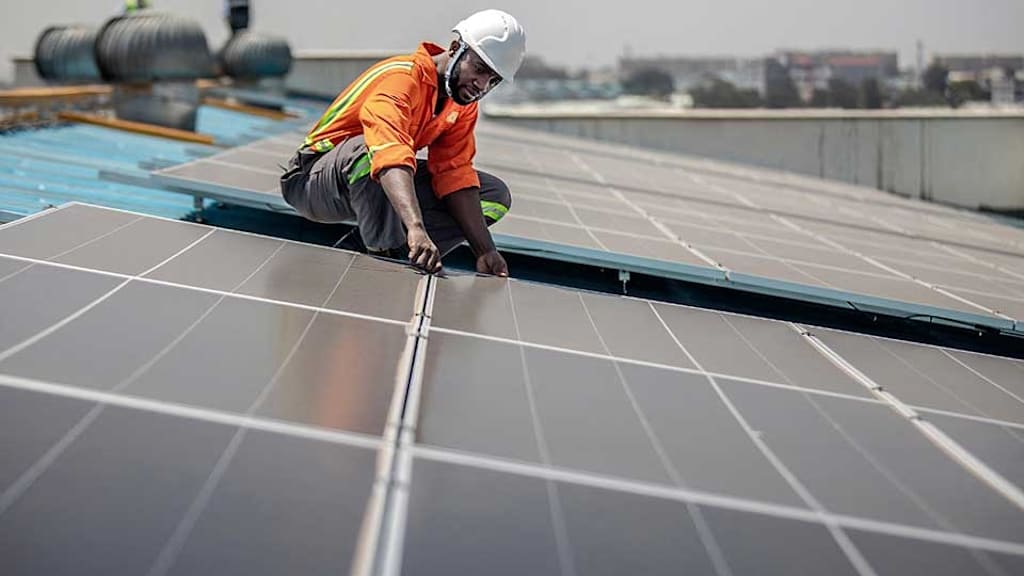
According to IMARC Group's latest research publication, East Africa renewable energy market size reached USD 4.3 Billion in 2025. Looking forward, IMARC Group expects the market to reach USD 7.1 Billion by 2034, exhibiting a growth rate (CAGR) of 5.66% during 2026-2034.
How AI is Reshaping the Future of East Africa Renewable Energy Market
- AI facilitates the efficient management of off-grid and mini-grid systems, significantly improving rural electrification in East Africa.
- The deployment of AI-powered digital technologies enhances smart grid management, enabling a more stable and reliable energy supply.
- AI-driven analytics assist in optimizing the integration of solar and wind resources, which are abundant in the region, to meet the rising energy demand.
East Africa Renewable Energy Market Trends & Drivers:
The first major factor driving the East Africa renewable energy market is the rapidly increasing energy demand associated with population growth and urbanization. According to the African Union Development Agency, the continent’s energy needs are expected to more than triple by 2040. Access to electricity has substantially improved, with 25 million people in Eastern and Southern Africa gaining new or improved electricity access up to FY23. These advancements, including grid and off-grid solutions benefiting millions, underscore renewable energy’s role in addressing energy poverty and economic development, thus propelling market growth.
A second significant driver is the supportive government policies and incentives that foster renewable energy project development. Policies such as feed-in tariffs, tax incentives, and subsidies create a favorable environment encouraging private sector participation. For example, the USAID-funded East Africa Energy Program helped facilitate 5.2 million direct grid connections and generated 294 MW of clean energy. The program also promoted gender equity and regional power trade, including projects like Ethiopia-Kenya power trade that enhance energy governance. These regulatory frameworks and initiatives stimulate investment and project execution within the sector.
Thirdly, rising international investments and funding contribute decisively to the renewable energy market's expansion. Major international organizations like the World Bank and African Development Bank provide substantial financial support. The Energy Sector Management Assistance Program (ESMAP), in collaboration with global partners, advances energy access by supporting technologies, business models, and financing for mini-grids and off-grid solutions. This influx of funding supports infrastructure development and technological advancement, enabling capacity building that increases renewable energy availability across East Africa and encourages sustainable growth.
East Africa Renewable Energy Industry Segmentation:
The report has segmented the market into the following categories:
Breakup by Type:
- Hydropower
- Solar
- Wind
- Others
Breakup by Country:
- Ethiopia
- Kenya
- Tanzania
- Uganda
- Sudan
- Rwanda
- Others
Competitive Landscape:
The competitive landscape of the industry has also been examined along with the profiles of the key players.
Recent News and Developments in East Africa Renewable Energy Market
- July 2025: d.light secured a $176 million securitization facility from African Frontier Capital to expand solar energy access in Kenya, Tanzania, and Uganda. This initiative aims to provide renewable energy to approximately six million people over three years, significantly enhancing solar product accessibility for low-income households.
- July 2025: Kenya Electricity Generating Company (KenGen) announced plans to add a 42.5MW solar power plant at the Seven Forks area. This project aims to enhance Kenya’s green energy deployment and is expected to last twenty-eight months, further diversifying energy sources.
- October 2025: Kenya’s Cabinet approved KenGen’s Gogo Hydropower Redevelopment Project, increasing capacity from 2MW to 8.6MW. This capacity expansion will boost regional energy supply and climate resilience in Western Kenya.
Note: If you require specific details, data, or insights that are not currently included in the scope of this report, we are happy to accommodate your request. As part of our customization service, we will gather and provide the additional information you need, tailored to your specific requirements. Please let us know your exact needs, and we will ensure the report is updated accordingly to meet your expectations.
About the Creator
Fatimah
Market research writer at IMARC Group, turning data into engaging stories. Passionate about trends, insights & real-world impact. Join me on Vocal!
Enjoyed the story? Support the Creator.
Subscribe for free to receive all their stories in your feed.
Comments
There are no comments for this story
Be the first to respond and start the conversation.