
Distilling Workshop Travel Market: Why Millions Now Vacation Inside a Still
A $1.54B travel niche built around hands-on spirit-making is expanding fast — and reshaping experiential tourism.
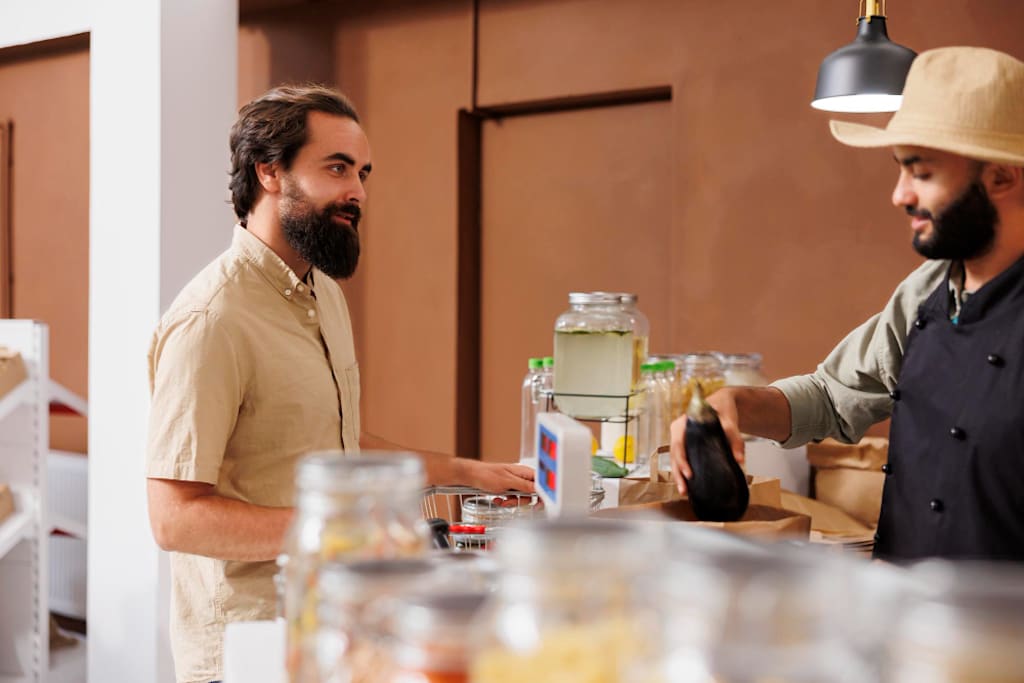
Where the Still Meets the Suitcase: Inside the Rise of Distillery Travel
Twenty-six percent of international visitors to Scotland last year walked into a distillery. Not to buy a bottle off a shelf — to watch whisky being made, ask questions of the people who make it, and sometimes get their hands on the equipment themselves. That number comes from VisitScotland, and it signals something quietly significant: a form of travel built around fermentation and fire is growing fast enough to be measured in billions of dollars.
The Distilling Workshop Travel Market size currently sits at USD 1.54 billion and is projected to more than double to USD 3.46 billion by 2035, expanding at a compound annual growth rate of 8.4%. For a fuller breakdown of what's driving that trajectory, the segment data is compiled in this distillery tourism and workshop travel industry overview.
The Shift From Tasting Room to Classroom
There's a meaningful difference between touring a distillery and working in one for an afternoon. The first is passive — a guide walks you past copper stills while you nod politely. The second puts a ladle in your hand, introduces you to the distiller by first name, and explains why the angle of the cut matters. Travelers are choosing the second option at a striking rate.
Experiential workshops now account for 57.24% of the entire tour-type segment within this market. That dominance reflects a broader pivot in how people think about meaningful travel. The old model — arrive, observe, depart — has lost ground to something more participatory. People want to leave a place having learned a skill, not just having passed through it.
Kentucky, Scotland, and the Infrastructure Behind the Experience
The Kentucky Bourbon Trail added ten new destinations in January 2026, bringing its total to 68 sites spanning multiple counties. That expansion is not cosmetic. It reflects deliberate investment in a tourism category that rewards repeat visits and generates strong word-of-mouth referrals — according to survey data from the KY Bourbon Trail, 97% of visitors said they would recommend a distillery tour to friends or family.
Scotland and Ireland have been building similar infrastructure for years. In November 2025, the Irish Whiskey Association launched the Irish Whiskey Way, a curated trail connecting multiple production sites across the country. The intent is to turn individual distillery stops into a cohesive travel itinerary, the kind that justifies a week-long trip rather than a single afternoon.
Europe overall leads this market with a 40.35% share, valued at USD 0.62 billion in 2025. The continent benefits from centuries of distilling heritage across Scotland, Ireland, Germany, and France — and from tourism infrastructure that was already built around those traditions.
Research into the Distilling Workshop Travel Market growth reveals that online travel agencies now handle 46.25% of all bookings in this space, reflecting how thoroughly digital platforms have become the primary discovery mechanism for niche travel experiences.
Who's Actually Going
Individual travelers hold the largest share of this market at 48.37%, driven by flexible scheduling and personal interest in craft spirits. But the corporate segment is worth watching. Companies are increasingly booking private distilling sessions as team-building experiences — the combination of focused manual activity and natural social lubrication makes it an unusually effective format for group dynamics. Distilleries are responding by building out dedicated private-event infrastructure and bespoke packages aimed at HR departments and event planners.
Younger travelers are also arriving in larger numbers, partly driven by social media content from distillery visits. In response, some operators have begun offering non-alcoholic and botanical-focused sessions designed specifically for audiences under 25 — a pragmatic move that widens the commercial base without diluting the educational core.
Where This Goes Next
The next chapter of distilling travel will likely be written in unexpected places. Japan's whisky culture has already drawn significant international attention, and craft gin scenes in Australia and India are beginning to develop their own visitor programs. Latin America — with its rum, tequila, and pisco traditions — is attracting investment from regional tourism boards that see spirits heritage as an untapped asset. Private equity has noticed too: Ruby Capital acquired Scotland's Eden Mill Distillery in late 2025, and an American investment firm purchased Ireland's Powerscourt Distillery in January 2026. When institutional capital starts flowing into visitor-facing distillery assets, it tends to signal that the underlying experience economy has crossed some threshold of proven demand. The still has always been a place where craft and chemistry meet. Increasingly, it's also where the next generation of travel itineraries begins.
About the Creator
Mark K. Belton
I’m Mark K. Belton, 26 years old, currently working as a Digital Marketing Intern. I have a strong interest in digital marketing and have been developing my skills in SEO, social media marketing, content creation, and online campaign
Enjoyed the story? Support the Creator.
Subscribe for free to receive all their stories in your feed.
Comments
There are no comments for this story
Be the first to respond and start the conversation.