
DC Surge Arrester Market Size Is Set to Nearly Double by 2035
Growing solar, EV, and HVDC infrastructure is pushing DC surge protection from niche hardware to critical infrastructure.
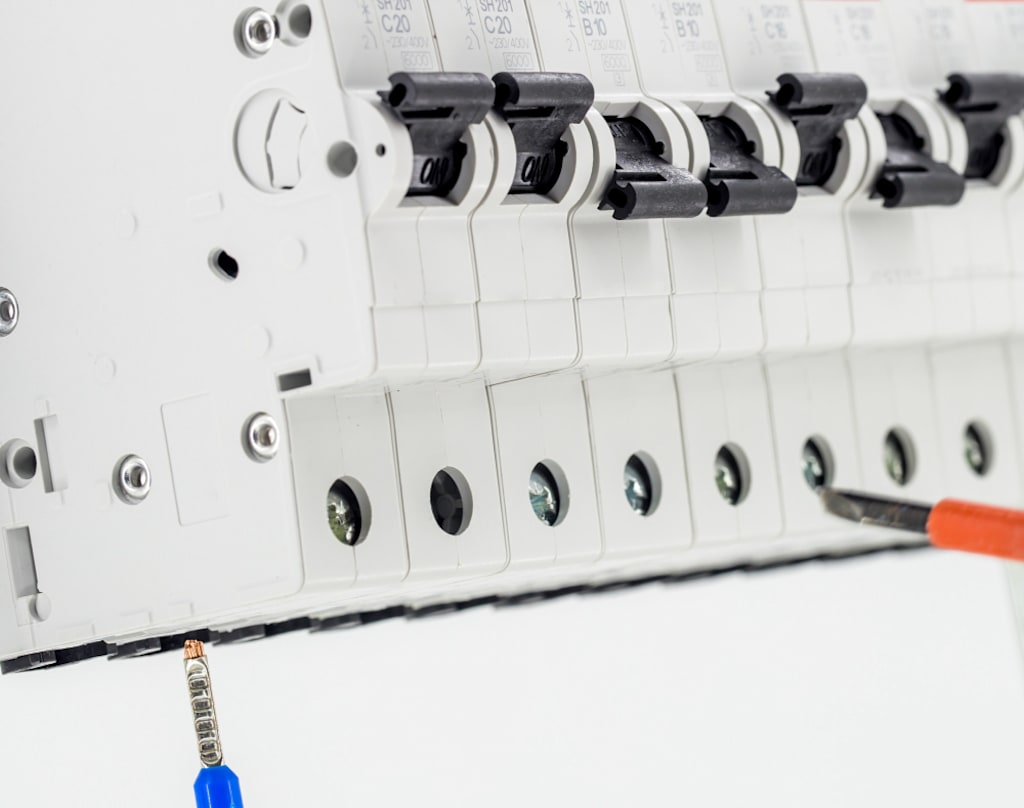
When a Lightning Strike Takes Down a Solar Farm
A single transient voltage spike lasting less than a millisecond can destroy an inverter worth tens of thousands of dollars. For solar plant operators in Gujarat or Texas, that isn't a hypothetical — it's a recurring line item. The equipment responsible for stopping those spikes is small, unglamorous, and easy to overlook until it fails. The DC surge arrester market is built around exactly that problem, and the numbers suggest the world is finally taking it seriously. The global market, valued at USD 1.7 billion in 2025, is projected to reach USD 2.8 billion by 2035, growing at a compound annual rate of 5.2%. A detailed sector breakdown is available in this DC surge arrester industry overview.
The timing is not accidental. DC power architectures are spreading faster than the protection infrastructure designed to support them. Solar photovoltaic arrays, battery storage systems, electric vehicle fast-chargers, and HVDC transmission corridors all operate on direct current. Each is vulnerable to overvoltage events from lightning, grid switching, or equipment faults. None of them can afford unplanned downtime.
Solar Leads Demand, but the Real Story Is Diversification
Solar PV accounts for 46.2% of DC surge arrester demand in 2025. That dominance makes sense — utility-scale solar plants run enormous DC string voltages before they ever reach an inverter, and the arrays are spread across open terrain that attracts lightning. But the more consequential shift is what's coming up behind solar.
EV charging infrastructure is creating a new category of demand entirely. Fast-charging stations push hundreds of kilowatts through DC systems at high voltages, and they're being installed on roadsides, in parking garages, and at highway rest stops — locations with wildly varying electrical environments. A surge event at a fast-charger doesn't just damage equipment; it takes a station offline and strands drivers. Operators are learning that surge protection isn't optional. It's the difference between uptime and a service call.
Meanwhile, telecom networks and industrial control circuits have been running on DC for decades and are now upgrading aging protection infrastructure to meet modern compliance standards.
Metal Oxide Varistors Still Rule, but Hybrid Devices Are Coming
The technology inside these arresters matters more than it might appear. Metal oxide varistors — MOVs — currently hold 48.3% of the type segment, prized for their fast clamping response and ability to absorb high energy pulses without degrading rapidly. They're the reliable workhorse, found in everything from residential solar setups to utility substations.
Hybrid DC surge protection devices are attracting growing attention, particularly for complex installations like battery energy storage systems and transportation electrification projects. By combining multiple protective elements in a single housing, hybrid devices can coordinate surge suppression across different voltage levels within the same system — something a standalone MOV can't do as effectively. The trade-off is cost, which remains a constraint for smaller projects.
This technology split reflects a broader characteristic of the DC surge arrester market growth trajectory: the market isn't moving in one direction. It's fragmenting into application-specific segments, each with different voltage requirements, installation environments, and risk tolerances.
Asia Pacific Carries the Weight, for Now
The regional picture is dominated by Asia Pacific, which accounts for 41.3% of global market share — roughly USD 0.7 billion in 2025. China's aggressive solar and HVDC expansion is the primary driver, though India's rapidly growing renewable capacity and grid modernization investments are becoming increasingly significant.
North America and Europe are growing steadily but from different starting points. The US market is being reshaped by the Inflation Reduction Act's downstream effects on utility-scale solar and EV charging deployment. Europe is focused on cross-border HVDC interconnections — the kind of infrastructure that moves renewable electricity between countries and requires exceptionally reliable surge protection at every conversion point.
One development worth tracking: in August 2024, CSW Industrials acquired PSP Products for USD 40 million specifically to strengthen its surge protection portfolio. That kind of M&A activity signals industry consolidation, with larger players buying specialized capabilities rather than building them from scratch.
Protection as Infrastructure, Not Afterthought
The broader arc here is a shift in how engineers and operators think about surge protection. For decades, it was a compliance checkbox — something you added to meet IEC or UL standards and largely forgot about. As DC networks grow more complex and the assets they protect become more valuable, that mindset is changing.
Manufacturers like Eaton, ABB, Siemens, and Schneider Electric are integrating condition monitoring and digital diagnostics into surge protection devices, enabling operators to track performance in real time and replace components before they fail rather than after. That convergence of hardware protection and data intelligence points toward a future where the arrester isn't just passive insurance against a spike — it's an active node in a smarter, more resilient power system.
About the Creator
Mark K. Belton
I’m Mark K. Belton, 26 years old, currently working as a Digital Marketing Intern. I have a strong interest in digital marketing and have been developing my skills in SEO, social media marketing, content creation, and online campaign
Enjoyed the story? Support the Creator.
Subscribe for free to receive all their stories in your feed.
Comments
There are no comments for this story
Be the first to respond and start the conversation.