
Ceiling Fan Direction for Summer and Winter: The Complete Guide
Learn the best ceiling fan direction for summer and winter to improve comfort and save energy.

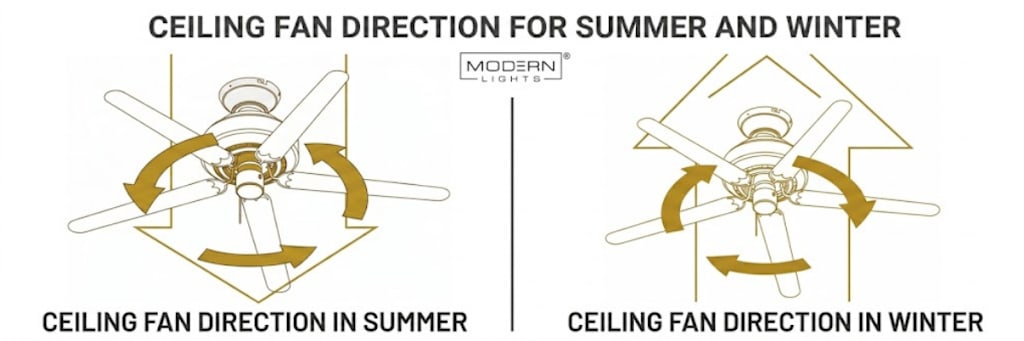
Many homeowners use ceiling fans every day without realizing that the blade direction can make a huge difference in comfort and energy efficiency. A simple switch can help rooms feel cooler during hot months and warmer during cold weather. The right rotation improves airflow, reduces pressure on heating and cooling systems, and helps maintain a more balanced indoor temperature. Most people never change their fan settings after installation, which means they miss out on better performance throughout the year. Understanding seasonal fan rotation is easy, and it only takes a few seconds to adjust. This guide explains the correct ceiling fan settings for every season, how to change them, and how proper airflow can lower energy costs while improving overall comfort inside your home.
Why Ceiling Fan Direction Matters
Ceiling fan direction changes the way air moves inside a room. During summer, the correct rotation creates a cooling breeze that helps people feel more comfortable even when the thermostat is set slightly higher. In winter, reversing the blades pushes trapped warm air downward without creating a strong draft. This small adjustment can improve indoor comfort while reducing heating and cooling costs over time. Many homeowners ignore seasonal fan settings, but proper airflow management helps maintain consistent temperatures throughout the house. Using ceiling fans correctly also supports HVAC efficiency by reducing strain on air conditioners and heaters. Whether in a bedroom, living room, or office, changing fan direction at the right time of year is one of the easiest ways to improve comfort and energy performance indoors.
How Ceiling Fans Circulate Air
Ceiling fans do not actually lower or raise room temperature. Instead, they move air in a way that changes how the temperature feels to people inside the space. When spinning counterclockwise, the blades push air downward to create a breeze that produces a cooling sensation on the skin. During winter, reversing the blades changes airflow patterns and gently moves warm air collected near the ceiling back toward the living area. This circulation keeps temperatures more balanced across the room. Proper airflow also prevents stagnant air and helps rooms feel fresher and more comfortable throughout the day. The effect may seem small at first, but the right airflow direction can noticeably improve indoor comfort in every season without making major adjustments to your HVAC system.
Impact on Energy Bills
Correct fan rotation can help reduce monthly energy costs by improving heating and cooling efficiency. In summer, the breeze created by the fan allows homeowners to raise thermostat settings without sacrificing comfort. This reduces the amount of work the air conditioner must do during hot weather. In winter, reversing the fan direction helps redistribute warm air that naturally rises toward the ceiling. As a result, heating systems can maintain comfortable temperatures more efficiently. Even small reductions in HVAC usage can lead to noticeable savings over time. Many homeowners overlook this simple adjustment, yet it requires no additional equipment or expensive upgrades. Seasonal fan direction changes are one of the easiest ways to improve comfort while lowering energy consumption throughout the year.
Common Mistakes Homeowners Make
One of the biggest mistakes homeowners make is leaving the fan direction unchanged all year long. Many people install a fan and never touch the reverse switch again, which limits its effectiveness during seasonal changes. Another common issue is using high speeds during winter, creating uncomfortable drafts instead of gentle air circulation. Some homeowners also assume fans cool rooms directly, so they leave them running in empty spaces unnecessarily. Incorrect blade direction can make rooms feel warmer in summer or colder in winter, causing heating and cooling systems to work harder. Ignoring dust buildup and maintenance is another problem that reduces performance. Understanding how your fan should operate during different seasons helps maximize comfort, airflow, and energy efficiency without additional expense.
Best Ceiling Fan Direction for Summer
During summer, ceiling fans should rotate counterclockwise to create a direct breeze flowing downward into the room. This airflow creates a wind-chill effect that helps people feel cooler even when indoor temperatures remain the same. Because of this cooling sensation, many homeowners can increase thermostat settings slightly and still stay comfortable. The proper fan setting is especially useful during extremely hot weather when air conditioners run constantly. Using the correct rotation also improves airflow distribution throughout the room, reducing stuffiness and uneven temperatures. High fan speeds work best during summer because they maximize the cooling breeze. Adjusting your fan direction at the beginning of warm weather is a quick step that can improve comfort, support energy savings, and create a fresher indoor environment throughout the season.
Counterclockwise Rotation Explained
A counterclockwise fan rotation is the ideal setting for warm weather because it pushes air downward. When standing beneath the fan, you should feel a noticeable breeze directly on your skin. This airflow creates a cooling sensation that makes rooms feel more comfortable without actually lowering the temperature. The effect is similar to how wind outdoors can make a warm day feel cooler. Most fans perform best in summer when operating at medium or high speed to maximize airflow. Homeowners often underestimate how much comfort this setting can provide during extremely hot conditions. The correct summer rotation also helps circulate conditioned air more evenly across the room, reducing hot spots and improving overall airflow in bedrooms, living rooms, and office spaces.
How to Check If Your Fan Is Spinning Correctly
Checking fan direction is simple and only takes a few seconds. Stand directly beneath the fan while it is running and observe the blade movement. During summer, the blades should rotate counterclockwise, creating a strong breeze that you can easily feel below the fan. If little or no airflow is noticeable, the direction is likely incorrect. Another method is to watch the blade edge closest to you. If it moves from right to left, the fan is usually spinning counterclockwise. Most modern fans include a reverse switch or remote-control option that allows quick adjustments. Testing airflow after changing the direction ensures the fan is working properly and delivering the cooling effect needed during warm weather.
Recommended Fan Speed for Hot Weather
Higher fan speeds are usually best during summer because they create stronger airflow and improve the cooling effect. Medium and high settings work well in larger rooms or areas with high temperatures. In bedrooms, many people prefer medium speed for comfort while sleeping without excessive noise. The ideal speed also depends on ceiling height and room size. Larger spaces often need faster circulation to move air evenly across the area. Running fans at the proper speed can make indoor temperatures feel several degrees cooler, helping reduce reliance on air conditioning. This is especially useful during peak summer months when energy costs increase. Adjusting speed based on room conditions helps maximize comfort while maintaining efficient airflow throughout the home.
Best Ceiling Fan Direction for Winter
During winter, ceiling fans should rotate clockwise at a low speed. This setting gently pulls cool air upward while pushing warm air trapped near the ceiling back down along the walls. Since heat naturally rises, many rooms develop uneven temperatures during cold weather. Reversing the fan helps distribute warmth more evenly without creating an uncomfortable breeze. This improves indoor comfort and allows heating systems to operate more efficiently. Many homeowners are surprised by how much warmer a room can feel after changing the blade direction properly. Winter fan rotation is especially useful in rooms with high ceilings where warm air easily collects overhead. A simple seasonal adjustment can help maintain steady temperatures while reducing heating costs during colder months.
Clockwise Rotation Explained
Clockwise rotation changes the airflow pattern inside the room during winter. Instead of pushing air downward directly, the fan gently draws cooler air upward. This movement forces warm air trapped near the ceiling to circulate back into the living space along the walls. The process improves temperature balance without creating a strong wind effect. Low speed settings are important because high speeds may produce uncomfortable drafts during cold weather. Many people think fans are only useful in summer, but winter rotation can significantly improve heating efficiency in larger rooms. The gentle circulation also prevents stale air and helps maintain a more comfortable environment indoors. Correct winter fan settings are especially effective in homes with tall ceilings or open living spaces.
Best Fan Speed for Winter Use
Low speed is the best setting for winter because it allows warm air to circulate without causing chilly drafts. Unlike summer operation, winter airflow should feel subtle rather than forceful. Running the fan too fast can make rooms feel colder instead of warmer, defeating the purpose of reversing the direction. The goal is to redistribute rising heat evenly throughout the space while maintaining comfort. Many modern fans include multiple speed options, making it easy to find the right setting for different rooms. Bedrooms and smaller areas usually need very low airflow, while larger living rooms may require slightly stronger circulation. Keeping the speed low ensures efficient heat distribution while supporting overall heating performance during colder months.
Benefits of Using Ceiling Fans in Cold Weather
Using fans during winter helps improve heating efficiency and indoor comfort. Warm air naturally gathers near ceilings, especially in rooms with high ceilings or open layouts. Reversing fan direction pushes this trapped heat back toward occupied areas, reducing uneven temperatures across the room. This means heating systems do not need to run as often to maintain comfort. Homeowners may notice lower energy bills because the furnace works more efficiently when warm air is properly distributed. Winter fan use can also eliminate cold spots and improve airflow in rooms that feel stuffy during colder months. Proper circulation creates a more balanced environment indoors, making living spaces feel warmer and more comfortable without increasing thermostat settings.
How to Change Ceiling Fan Direction
Changing ceiling fan direction is a simple process that takes less than a minute in most homes. Many fans include a small reverse switch located on the motor housing, while newer models may use remotes or smart controls. Before changing the direction, always turn the fan off completely and wait for the blades to stop moving. Once adjusted, turn the fan back on and test the airflow to confirm the setting is correct for the season. This quick maintenance step helps improve comfort and airflow throughout the year. Homeowners often forget about the reverse feature, but using it properly can increase efficiency and support better heating and cooling performance. Seasonal adjustments help fans operate at their full potential all year long.
Using the Reverse Switch
Most traditional ceiling fans include a small switch mounted near the motor housing. This reverse switch changes the blade rotation between clockwise and counterclockwise settings. Before touching the switch, always turn the fan off and allow the blades to stop completely for safety reasons. Once the switch is flipped, restart the fan and observe the airflow direction. In summer, you should feel a cooling breeze beneath the fan. In winter, airflow should feel softer and more indirect. The switch location varies slightly depending on fan design, but it is usually easy to find near the base of the motor. Checking this setting at the start of every season helps maintain consistent comfort indoors.
Changing Direction With a Remote or Smart Control
Many modern fans allow direction changes through remote controls or smart home systems. Instead of manually flipping a switch, users can adjust blade rotation using a handheld remote, wall panel, or smartphone app. This feature is especially useful for high ceilings where reaching the motor housing may be difficult. Smart controls also make seasonal adjustments faster and more convenient. Some advanced models even include automatic scheduling features that change direction based on weather conditions. After selecting the new direction, test the airflow beneath the fan to ensure it matches the seasonal setting. Remote-controlled systems simplify fan maintenance while helping homeowners maintain comfortable airflow year-round with minimal effort.
Safety Tips Before Adjusting the Fan
Safety should always come first when changing fan direction or performing maintenance. Start by turning the fan off completely and waiting for the blades to stop moving before touching any controls. If you need a ladder to reach the switch, place it securely on a flat surface to prevent slipping. Avoid using unstable furniture like chairs or tables when accessing ceiling fixtures. While adjusting the fan, inspect the blades for dust buildup or loose screws that could affect performance. Cleaning the blades regularly also improves airflow efficiency and reduces wobbling. If the fan makes unusual noises or vibrates excessively, check for balance issues before operating it again. Simple precautions help ensure safe and effective seasonal adjustments.
How Ceiling Fan Direction Affects Energy Efficiency
Proper ceiling fan direction supports energy efficiency by helping heating and cooling systems work less throughout the year. In summer, the cooling breeze allows homeowners to raise thermostat settings while maintaining comfort indoors. During winter, reversing the fan helps distribute warm air evenly across the room, reducing heat loss near the ceiling. These adjustments improve airflow balance and reduce strain on HVAC systems. Over time, lower energy usage can lead to noticeable savings on utility bills. Fans use far less electricity than air conditioners or heating systems, making them a cost-effective way to support indoor climate control. Seasonal direction changes require almost no effort yet provide long-term benefits for comfort, airflow quality, and household energy performance throughout the year.
Reducing Air Conditioning Costs in Summer
Using the correct summer fan setting can significantly reduce air conditioning usage during hot weather. When the blades rotate counterclockwise, the airflow creates a cooling sensation that helps people feel more comfortable even at slightly higher thermostat settings. Because of this effect, homeowners can often raise indoor temperatures by several degrees without noticing reduced comfort. This lowers the workload placed on air conditioning systems and helps reduce electricity consumption. Fans consume far less energy than central cooling units, making them an affordable way to support indoor comfort. The right airflow also improves temperature consistency across the room, reducing hot spots and stuffy areas. Small adjustments in airflow management can make a noticeable difference during peak summer months.
Lowering Heating Expenses in Winter
Winter fan rotation helps reduce heating costs by redistributing warm air more efficiently throughout the room. Heat naturally rises and collects near the ceiling, especially in rooms with tall ceilings or open layouts. When the fan rotates clockwise at low speed, it gently pushes trapped warm air back downward along the walls. This creates more even temperatures and helps heating systems maintain comfort without running continuously. Many homeowners notice fewer cold spots and improved warmth after reversing the fan direction properly. Since fans use very little electricity, the energy savings from reduced heating usage often outweigh the cost of operating the fan itself. Proper airflow management can make indoor spaces feel warmer during colder weather.
Energy Saving Tips for Year-Round Comfort
Improving energy efficiency involves more than simply changing fan direction. Combining proper fan settings with good insulation and ventilation creates better indoor comfort throughout the year. During summer, keeping blinds closed during peak sunlight hours helps reduce heat buildup inside rooms. In winter, sealing air leaks around windows and doors improves heat retention. Choosing the correct fan size for each room also plays an important role in airflow performance. Oversized or undersized fans may not circulate air effectively. Regular maintenance such as cleaning blades and tightening screws helps fans operate smoothly and efficiently. Seasonal adjustments, proper airflow management, and smart thermostat settings all work together to reduce energy waste while maintaining a comfortable indoor environment year-round.
Ceiling Fan Direction for Different Room Types
Different rooms may require slightly different fan settings depending on their size, layout, and purpose. Bedrooms usually need gentle airflow for sleeping comfort, while large living rooms benefit from stronger circulation to distribute air evenly. Outdoor patio fans also require proper seasonal adjustments to maintain airflow in covered exterior spaces. Ceiling height can affect performance as well, especially in open-concept homes where warm air easily rises and becomes trapped overhead. Understanding how airflow behaves in different areas helps maximize comfort throughout the home. Seasonal fan adjustments should be tailored to each room rather than using the same settings everywhere. Proper circulation improves temperature balance, reduces stuffiness, and helps create a more comfortable environment regardless of room size or layout.
Bedroom Ceiling Fan Direction
Bedrooms require balanced airflow that supports comfort without creating excessive noise or strong drafts. During summer, counterclockwise rotation at medium speed usually provides the ideal cooling effect for sleeping. In winter, clockwise rotation at low speed helps circulate warmth gently without disturbing rest. Since bedrooms are smaller than living rooms, moderate airflow is often enough to maintain comfort throughout the night. Ceiling height also influences the ideal speed setting. Lower ceilings generally require slower operation to prevent overpowering airflow. Many homeowners rely on fans during sleep because proper circulation helps rooms feel fresher and less stuffy. Seasonal direction changes in bedrooms improve comfort year-round while reducing dependence on heating and cooling systems during nighttime hours.
Living Room and Large Spaces
Large living rooms and open spaces benefit greatly from proper fan direction because airflow can become uneven in bigger areas. During summer, higher speeds and counterclockwise rotation help distribute cool air across the entire room. In winter, low-speed clockwise rotation moves trapped heat downward, preventing warm air from staying near the ceiling. Open-concept layouts often experience temperature differences between areas, making airflow management especially important. Larger rooms may also require fans with wider blade spans to improve circulation effectively. Correct fan settings help eliminate hot and cold spots while maintaining a comfortable environment for gatherings, entertainment, and daily activities. Seasonal airflow adjustments improve comfort and support efficient temperature control throughout spacious indoor areas.
Outdoor Patio Ceiling Fans
Outdoor patio fans improve airflow and comfort in covered exterior spaces throughout the year. During summer, counterclockwise rotation creates a cooling breeze that helps patios feel more comfortable during warm weather. In winter, some homeowners reverse the fan direction to improve gentle air circulation in enclosed outdoor areas. Since outdoor environments face humidity, dust, and temperature changes, it is important to use weather-rated fans designed specifically for exterior installation. Proper airflow also helps reduce stagnant air and keeps outdoor seating areas feeling fresher. Seasonal adjustments improve comfort during gatherings and relaxation outdoors. Choosing the correct speed and direction ensures patio fans perform effectively while handling changing weather conditions throughout different times of the year.
Signs Your Ceiling Fan Is Set the Wrong Way
Incorrect fan direction can reduce comfort and force heating or cooling systems to work harder than necessary. During summer, rooms may still feel hot even when the fan is running constantly. In winter, strong drafts can make indoor spaces feel colder instead of warmer. Rising energy bills may also indicate inefficient airflow caused by improper blade rotation. Many homeowners assume their fan is functioning correctly simply because it turns on, but airflow direction has a major impact on performance. Paying attention to room comfort, airflow strength, and seasonal temperature changes can help identify incorrect settings quickly. Adjusting the direction properly often produces immediate improvements in comfort, temperature balance, and energy efficiency throughout the home.
Rooms Feeling Warmer in Summer
If a room feels warm despite the fan running, the blade direction may be incorrect. During summer, the fan should spin counterclockwise to create a direct cooling breeze beneath the blades. If the airflow feels weak or nonexistent, the fan may be rotating clockwise instead. Incorrect direction prevents the wind-chill effect needed for comfort during hot weather. Homeowners often notice stuffy air, uneven temperatures, and reduced cooling performance when the setting is wrong. Air conditioners may also run longer because the room never feels fully comfortable. Checking the rotation and adjusting the fan properly can quickly improve airflow and create a cooler indoor environment without increasing energy usage during summer months.
Cold Drafts During Winter
Strong drafts during winter are often a sign that the fan is spinning the wrong direction or operating at excessive speed. During colder months, the blades should rotate clockwise at low speed to circulate warm air gently without producing direct airflow. If the breeze feels uncomfortable or chilly beneath the fan, the setting likely needs adjustment. Incorrect winter operation can make rooms feel colder and force heating systems to work harder. Homeowners may also notice uneven temperatures, especially in larger spaces with high ceilings. Lowering the speed and reversing the direction usually improves comfort immediately. Proper winter airflow should feel subtle while helping maintain balanced warmth throughout the room during cold weather.
Increased Energy Bills
Unexpected increases in energy bills may indicate inefficient airflow caused by incorrect fan settings. When fans rotate the wrong direction, heating and cooling systems must work harder to maintain comfortable temperatures indoors. During summer, poor airflow reduces the cooling effect and increases air conditioner usage. In winter, trapped warm air stays near the ceiling instead of circulating back into the living space. These issues force HVAC systems to operate longer, increasing electricity and heating costs over time. Many homeowners overlook fan direction when searching for ways to improve efficiency. Seasonal adjustments take only a few seconds but can support better airflow and reduce energy waste throughout the year. Proper circulation helps maintain comfort while lowering household utility expenses.
Frequently Asked Questions About Ceiling Fan Direction
Many homeowners have questions about how fans should operate during different seasons and whether changing the direction truly makes a difference. Understanding proper airflow helps improve comfort while reducing unnecessary energy usage. Seasonal fan settings are simple to adjust, yet many people never use the reverse function correctly. Questions often include ideal rotation directions, recommended speeds, and whether fans actually cool rooms. Knowing how airflow behaves can help homeowners make better decisions about indoor comfort throughout the year. Fans work best when used alongside heating and cooling systems rather than replacing them completely. The following answers explain some of the most common concerns related to seasonal airflow management and how proper fan operation supports comfort and efficiency in every season.
Should Ceiling Fans Run All Day?
Fans can run for extended periods safely, but leaving them on constantly is not always necessary. Since fans cool people rather than rooms, it makes sense to turn them off when spaces are empty. During occupied hours, proper airflow improves comfort and reduces reliance on heating or cooling systems. Modern fans are designed for long operation times and generally use little electricity compared to air conditioners or heaters. However, running them unnecessarily still adds to energy usage over time. In winter, some homeowners leave fans operating continuously at low speed to maintain even heat distribution. Using timers, smart controls, or manual adjustments helps improve efficiency while ensuring airflow is available only when needed throughout the day.
Do Ceiling Fans Cool a Room?
Fans do not lower the actual air temperature inside a room. Instead, they create airflow that makes people feel cooler through a wind-chill effect. During summer, moving air across the skin helps evaporate moisture and improves comfort in warm conditions. Because of this effect, rooms may feel several degrees cooler even though the thermostat reading remains unchanged. In winter, reversing the fan direction improves heat circulation rather than producing cooling airflow. Understanding this difference is important for energy efficiency. Fans work best when combined with heating and cooling systems to support overall comfort. They improve airflow and temperature balance, but they do not replace air conditioners or heaters entirely in extreme weather conditions.
Which Direction Is Clockwise on a Ceiling Fan?
Clockwise rotation means the blades move in the same direction as the hands of a clock when viewed from below. During winter, this setting is used at low speed to redistribute warm air trapped near the ceiling. Most fans include a reverse switch or remote-control feature that changes the rotation direction easily. Homeowners can verify clockwise operation by watching the blade movement carefully while the fan runs slowly. In this mode, airflow beneath the fan should feel gentle rather than forceful. Understanding rotation direction helps ensure proper seasonal performance and improves indoor comfort throughout the year. Adjusting the blades correctly allows fans to support heating and cooling systems more effectively during changing weather conditions.
Can All Ceiling Fans Reverse Direction?
Most modern fans include a reverse function that allows blade direction changes for seasonal use. Traditional models usually feature a small switch near the motor housing, while newer designs may use remote controls or smart home apps. However, some older or low-cost fans may not support reversible operation. Homeowners unsure about their fan’s capabilities should check the instruction manual or manufacturer specifications. Reversible fans offer better year-round performance because they can support cooling during summer and heat circulation during winter. This flexibility improves comfort and energy efficiency without requiring additional equipment. Choosing a reversible fan is generally recommended for homes located in regions with both hot and cold seasonal weather conditions.
What Fan Speed Should I Use in Winter?
Low speed is the best choice during winter because it allows warm air to circulate gently without creating strong drafts. High speeds can make rooms feel colder by producing excessive airflow directly beneath the fan. The goal during winter is not cooling, but redistributing trapped warm air evenly throughout the room. Smaller rooms often need the lowest setting available, while larger spaces may require slightly more circulation. Proper speed adjustment helps heating systems maintain comfort more efficiently and reduces uneven temperatures indoors. Homeowners should test different settings to find the most comfortable airflow for each room. Subtle circulation usually provides the best balance between warmth, comfort, and energy efficiency during colder months.
Final Thoughts on Ceiling Fan Direction for Summer and Winter
Changing fan direction seasonally is one of the simplest ways to improve indoor comfort and energy efficiency throughout the year. Counterclockwise rotation during warm weather creates cooling airflow, while clockwise rotation during winter helps redistribute trapped heat. These small adjustments support better temperature balance and reduce strain on heating and cooling systems. Many homeowners overlook this feature even though it can noticeably improve airflow and comfort in every room. Proper maintenance, correct speed settings, and seasonal adjustments help fans perform more effectively over time. Understanding the importance of fan direction summer settings and winter airflow management allows homeowners to maximize comfort while lowering energy usage. A quick switch at the beginning of each season can make a meaningful difference indoors.
About the Creator
SEO HUB
I’m a professional Content & SEO Specialist with 3+ years of experience. I provide placements on top-tier USA publications, sites like USAToday.com, ensuring real exposure and SEO value.
WhatsApp: +92 311 6772455
Enjoyed the story? Support the Creator.
Subscribe for free to receive all their stories in your feed.
Comments
There are no comments for this story
Be the first to respond and start the conversation.