
Bottom Discharge Valve Market Size Is Set to Hit $659M by 2035
How regulatory pressure, Asian construction volume, and automation are quietly reshaping a half-billion-dollar industrial segment.
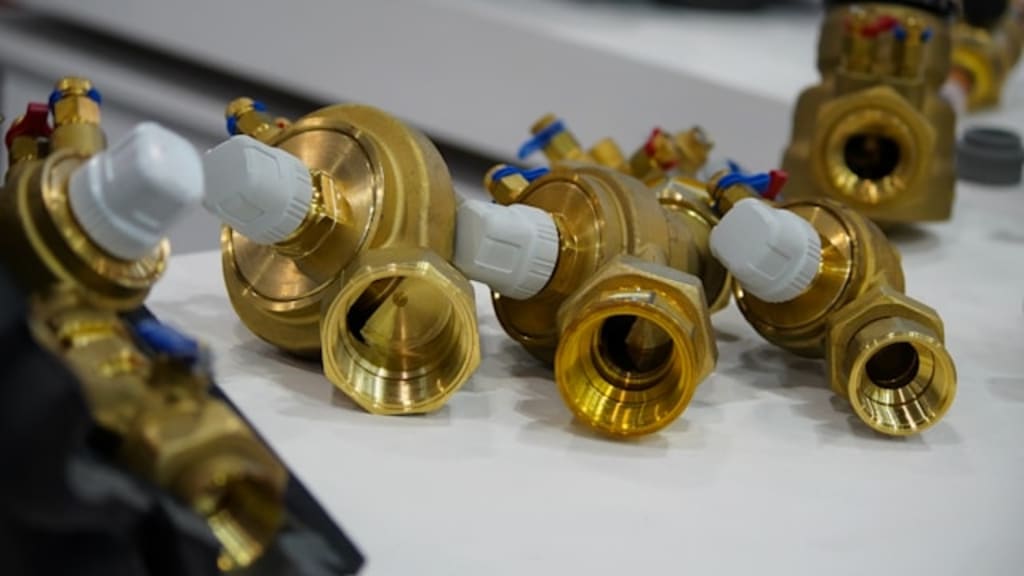
The Valve No One Talks About Is Quietly Moving Half a Billion Dollars
A cement truck empties its load. A grain silo releases tons of wheat into a waiting freight car. A chemical plant flushes a reactor between batches. In each of these moments, the component doing the actual work — the one controlling gravity-fed discharge at the base of the vessel — is a bottom discharge valve. It is unglamorous. It is invisible in most supply chain conversations. And according to recent industry data, the Bottom Discharge Valve Market size is on track to grow from USD 432.7 million in 2025 to USD 659.2 million by 2035, at a compound annual growth rate of 4.3%.
Segment-level details on product types, materials, and end-use industries are outlined in this bottom discharge valve industry overview.
Gravity Is the Point — and That's What Makes This Hardware Indispensable
Bottom discharge valves are not interchangeable with standard gate valves or butterfly valves. Their design specifically manages the downward flow of bulk solids, slurries, or heavy liquids from the base of tanks, hoppers, and silos. That specificity is exactly why demand is structurally tied to some of the most capital-intensive sectors on earth: mining, cement, grain processing, chemicals, and water treatment.
In Germany, for instance, major cement producers like HeidelbergMaterials have been investing heavily in automation across their bulk material handling lines. That means replacing manual or pneumatically operated valves with electrically actuated versions that can be controlled remotely, monitored in real time, and integrated with plant management systems. The shift isn't cosmetic — it changes procurement specifications entirely and pushes manufacturers toward more sophisticated valve designs.
Why the 4.3% Growth Rate Is More Significant Than It Looks
A 4.3% CAGR doesn't sound explosive. But in the industrial components sector, where replacement cycles stretch over decades and product qualification timelines run years, consistent mid-single-digit growth signals genuine and durable demand. This isn't a speculative market riding a technology hype cycle. Every new bulk processing facility built — whether a lithium refinery in Chile or a grain terminal in Ukraine — needs bottom discharge valves before it can operate.
The Bottom Discharge Valve Market growth is also being shaped by tightening regulatory standards around containment and leakage. The U.S. Environmental Protection Agency's stricter fugitive emissions rules for chemical processing facilities have pushed plant operators to upgrade older valve infrastructure. Valves that once met compliance thresholds now fall short, creating a retrofit and replacement cycle on top of new installation demand.
The bottom discharge valve market size and growth projections reflect this dual dynamic — new construction plus regulatory-driven replacement — running simultaneously across geographies.
Asia-Pacific Is Driving the Volume, Europe Is Raising the Bar
China and India dominate new construction volume. China's continued expansion of chemical industrial parks, combined with India's infrastructure push under its National Logistics Policy, are generating sustained demand for bulk handling equipment at a scale that no other region can match right now. When a single industrial park in Shandong Province can contain dozens of processing facilities, each requiring multiple valves per vessel, the cumulative numbers become significant quickly.
Europe is playing a different role. Stricter environmental and workplace safety standards have made European manufacturers — companies like WAMGROUP in Italy and VORTEX Global operating across the EU — the technical reference point for the industry. Their product certifications, materials traceability requirements, and precision tolerances are increasingly treated as the global benchmark, even by buyers in markets where those regulations don't formally apply.
That dynamic — Asia pulling volume, Europe setting standards — is compressing margins for lower-end manufacturers while creating pricing power for those who can meet both demands simultaneously.
Where the Pressure Points Are Heading
Corrosion resistance is becoming a more central design criterion as the range of materials being processed expands. Mining operations handling acidic tailings, food processing facilities requiring hygienic-grade stainless steel, and pharmaceutical plants demanding zero-contamination discharge are all pushing toward specialized alloys and coatings that didn't exist in standard valve catalogs a decade ago.
As automation continues to penetrate the bulk materials handling sector, bottom discharge valves will increasingly need to communicate — transmitting position data, seal integrity readings, and cycle counts back to control systems. That integration requirement is already visible in procurement specifications from larger industrial operators. The valve hardware is becoming a data point in a larger operational system, not just a mechanical component. In the decade ahead, the manufacturers that invest in that intelligence layer are likely to define what the next generation of this market looks like.
About the Creator
Mark K. Belton
I’m Mark K. Belton, 26 years old, currently working as a Digital Marketing Intern. I have a strong interest in digital marketing and have been developing my skills in SEO, social media marketing, content creation, and online campaign
Enjoyed the story? Support the Creator.
Subscribe for free to receive all their stories in your feed.
Comments
There are no comments for this story
Be the first to respond and start the conversation.