
Bottled Water Market Trends: Demand Surge, Retail Expansion & Industry Forecast
How premiumization trends, innovative packaging formats, and increasing disposable incomes are fueling demand and creating new revenue streams within the bottled water market

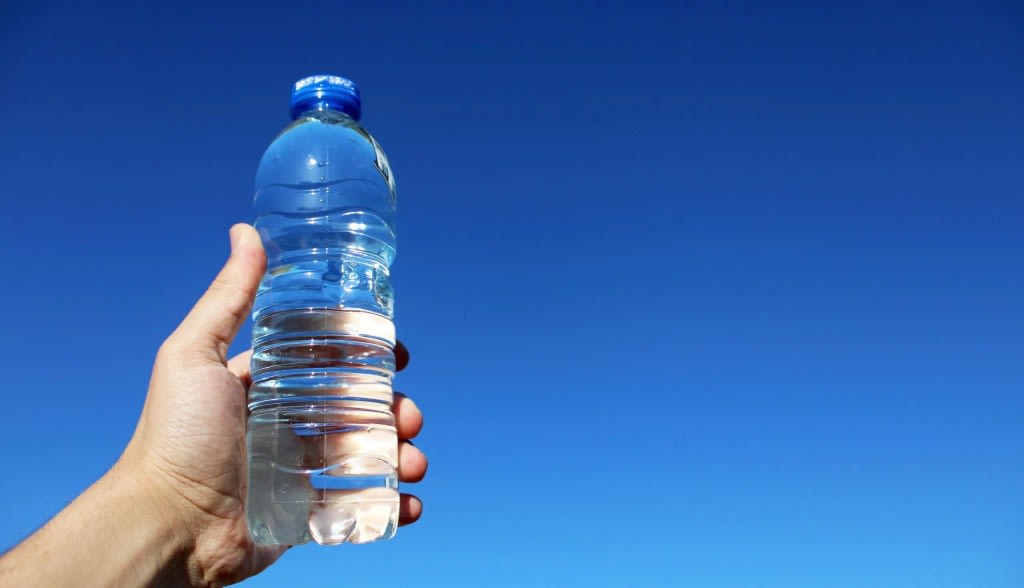
Rising health awareness, rapid urbanization, and increasing concerns regarding tap water quality are contributing to the growth of the bottled water market. Along with these factors, improvements in packaging technologies, evolving consumer preferences, and the expansion of organized retail and e-commerce channels are supporting steady demand across global markets.
According to IMARC Group’s latest data, the global bottled water market size reached USD 288.8 Billion in 2025. Looking ahead, the market is projected to reach USD 498.4 Billion by 2034, exhibiting a growth rate (CAGR) of 6.06% during 2026–2034.
Bottled water has emerged as one of the most widely consumed beverage categories worldwide. In many regions, it has gradually replaced sugar-based drinks as consumers shift toward healthier hydration choices. This transition is not limited to developed markets; it is also gaining traction in emerging economies where rising incomes and increasing awareness about health and wellness are influencing purchasing behavior.
The category has expanded beyond basic drinking water to include multiple variants such as mineral water, spring water, purified water, and sparkling water. These variations cater to different consumer preferences and price segments, making bottled water accessible to a broad demographic base. In addition, improved availability through supermarkets, convenience stores, and online platforms has further strengthened its position as a staple consumer product.
Market Growth Factors
Health Awareness and Changing Consumption Patterns
One of the key drivers supporting the bottled water market is the growing awareness regarding health and nutrition. Consumers are increasingly reducing their intake of carbonated beverages and artificially sweetened drinks due to concerns related to obesity, diabetes, and other lifestyle-related conditions. As a result, bottled water is often viewed as a safer and healthier alternative.
Hydration is also being recognized as an important aspect of maintaining physical and mental well-being. This has led to increased daily consumption of water, particularly among urban populations and fitness-oriented individuals. In several markets, consumers are also showing interest in water products that offer additional perceived benefits, such as mineral content or balanced pH levels.
The shift toward healthier consumption habits is further reinforced by public awareness campaigns and broader changes in lifestyle patterns. As people become more conscious of long-term health outcomes, demand for simple and natural beverage options continues to grow.
Urbanization and Water Infrastructure Challenges
Rapid urbanization is another major factor contributing to the growth of the bottled water market. In many developing regions, population growth in cities is placing significant pressure on existing water supply systems. This has raised concerns regarding water quality, reliability, and safety.
In such environments, bottled water is often used as a dependable alternative for drinking purposes. Households may rely on bottled water for daily consumption, particularly in areas where access to clean and safe tap water is limited or inconsistent.
Urban expansion in regions such as Asia and Africa is especially relevant in this context. A large share of the global population now resides in urban areas, and this trend is expected to continue over the coming decades. As a result, the need for convenient and safe drinking water solutions is likely to remain a key driver of demand.
Convenience and Accessibility
Convenience plays an important role in the widespread adoption of bottled water. The product is designed to be portable, easy to store, and readily available, making it suitable for a variety of everyday situations such as commuting, travel, work environments, and outdoor activities.
Bottled water is commonly sold in a range of packaging sizes, from small single-serve bottles to larger containers for household use. This flexibility allows consumers to choose products based on their specific needs and consumption patterns.
In addition, the expansion of organized retail infrastructure has improved product visibility and availability. Supermarkets, hypermarkets, and convenience stores stock a wide range of bottled water brands and formats, ensuring easy access for consumers. The growth of e-commerce has further enhanced accessibility by enabling bulk purchases and home delivery options.
Key Market Trends
Increasing Focus on Sustainable Packaging
Environmental concerns are becoming increasingly relevant in the bottled water industry. The use of plastic packaging, particularly single-use plastics, has drawn attention from regulators, environmental groups, and consumers.
In response, manufacturers are exploring ways to reduce the environmental impact of their products. One of the primary approaches involves the use of recycled materials, such as recycled polyethylene terephthalate (rPET), in bottle production. This helps reduce dependence on virgin plastic and lowers overall carbon emissions.
Additionally, alternative packaging solutions, including glass bottles and aluminum containers, are being introduced in certain market segments. While these formats are not yet dominant, they are gaining visibility as part of broader sustainability efforts.
These changes reflect a gradual shift in industry practices, as companies adapt to evolving environmental expectations and regulatory requirements.
Expansion of Functional Water Products
Another notable trend in the bottled water market is the introduction of functional water products. These products are designed to offer additional features beyond basic hydration, such as the inclusion of electrolytes, vitamins, or minerals.
Functional water is often targeted at consumers with specific lifestyle needs, including athletes, fitness enthusiasts, and individuals seeking convenient ways to support their overall well-being. While the segment is still developing, it is gaining attention in both developed and emerging markets.
The growth of this category reflects broader changes in consumer behavior, where beverages are increasingly expected to serve multiple purposes. Rather than being limited to hydration alone, water products are being positioned as part of a more comprehensive approach to health and wellness.
Growth of Premium and Differentiated Products
The bottled water market is also witnessing the growth of premium segments. These products are typically differentiated based on factors such as source, mineral composition, and packaging design.
Premium bottled water may be sourced from natural springs, glaciers, or artesian wells, and is often marketed with an emphasis on purity and origin. While these products represent a smaller share of total volume, they contribute significantly to market value due to higher price points.
In addition, packaging and branding play an important role in this segment. Glass bottles, minimalist designs, and detailed product information are commonly used to appeal to consumers seeking higher-quality or specialized products.
The expansion of premium offerings highlights the increasing diversity within the bottled water category, as manufacturers respond to a wide range of consumer preferences.
Recent Developments
Recent industry developments indicate ongoing innovation and expansion across different regions:
September 2025: A European bottled water manufacturer introduced a biodegradable bottle developed using plant-based materials, reflecting efforts to address environmental concerns associated with packaging waste.
November 2025: The International Bottled Water Association reported record bottled water consumption levels in the United States, indicating sustained demand within the category.
January 2026: A mineral water company based in Asia expanded its distribution network in the Middle East, targeting increased demand for premium and specialized water products in the region.
Note:
If additional data, insights, or specific analysis related to the bottled water market are required, the scope can be further expanded based on research needs. This may include deeper segmentation analysis, regional comparisons, or evaluation of emerging trends across specific end-use sectors.
About the Creator
Andrew Sullivan
Hello, I’m Andrew Sullivan. I have over 9+ years of experience as a market research specialist.
Enjoyed the story? Support the Creator.
Subscribe for free to receive all their stories in your feed.
Comments
There are no comments for this story
Be the first to respond and start the conversation.