
Beyond Smoke Detectors: How Smart Environmental Sensors Are Creating Safer and Healthier Buildings
Explore the next generation of building safety with smart sensors that detect environmental changes before they become serious problems.
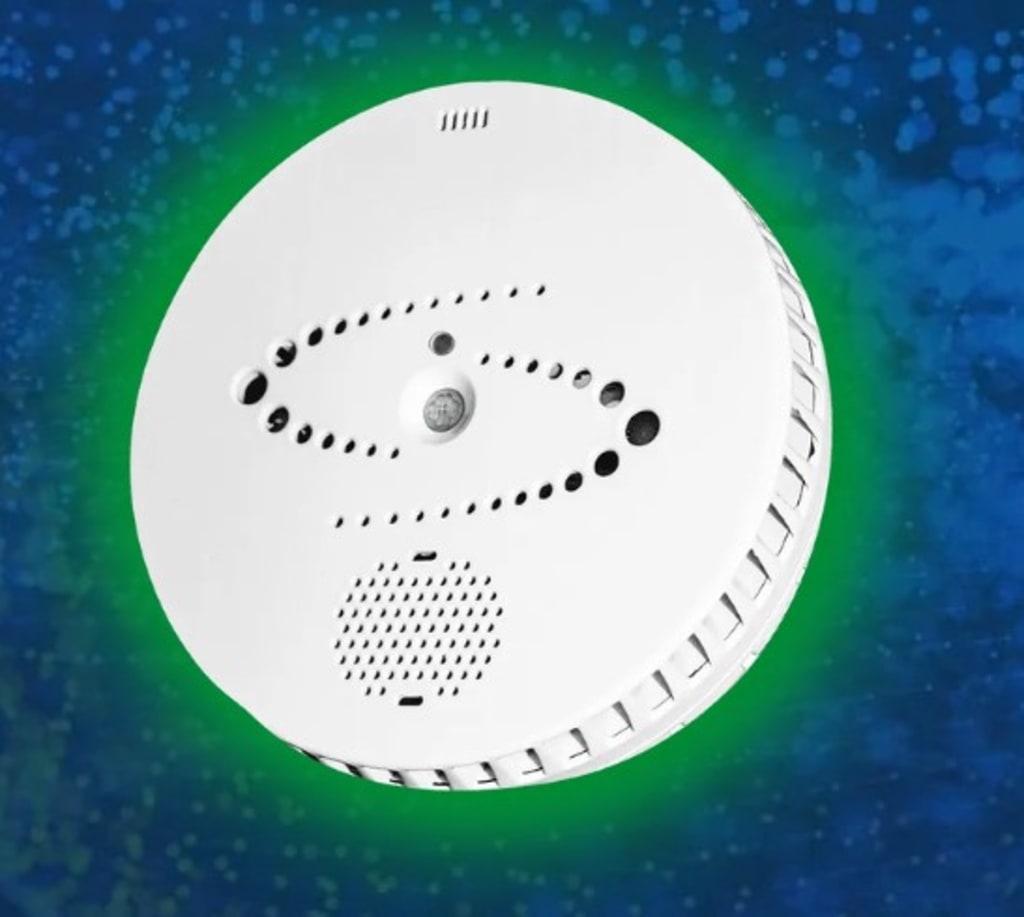
Modern buildings are becoming smarter every year. From intelligent lighting and automated climate control to advanced security systems, technology is transforming how we manage commercial spaces. However, one area that has seen significant innovation is environmental monitoring. Traditional smoke detectors and security cameras are no longer enough to provide complete building awareness. Today, smart environmental sensors offer a more comprehensive way to monitor indoor conditions, improve safety, and support healthier environments.
Whether installed in schools, hospitals, offices, hotels, or public facilities, smart sensors provide real-time insights into environmental changes and unusual events without compromising privacy. As organizations place greater importance on occupant well-being, building security, and operational efficiency, these intelligent devices are becoming an essential part of modern infrastructure.
What Are Smart Environmental Sensors?
Smart environmental sensors are intelligent devices designed to monitor indoor environments continuously. Instead of focusing on a single factor, they collect information from multiple environmental conditions and provide instant alerts when abnormal activity is detected.
Depending on the application, these sensors can monitor:
- Air quality
- Temperature
- Humidity
- Carbon dioxide (CO₂)
- Volatile Organic Compounds (VOCs)
- Noise levels
- Vape or smoke detection
- Motion and occupancy
- Air pressure changes
Unlike traditional monitoring systems, smart environmental sensors combine multiple sensing technologies into one compact device, allowing facility managers to gain a complete picture of building conditions from a single platform.
Why Indoor Environmental Monitoring Matters
People spend a large portion of their day indoors. Poor indoor conditions can affect comfort, productivity, and overall well-being. Problems such as inadequate ventilation, poor air quality, excessive humidity, or unusual environmental changes may go unnoticed until they begin affecting occupants.
Continuous environmental monitoring helps organizations identify these issues early. Instead of reacting after complaints or equipment failures occur, facility teams can receive immediate notifications and respond proactively.
This approach improves occupant comfort while reducing operational risks and maintenance costs.
Improving Air Quality in Commercial Buildings
Indoor air quality has become a major priority across many industries. Schools want healthier classrooms for students. Offices aim to improve employee productivity, while healthcare facilities require carefully controlled environments.
Smart environmental sensors monitor key air quality indicators such as carbon dioxide, humidity, and airborne pollutants. Rising CO₂ levels, for example, often indicate inadequate ventilation, which can lead to reduced concentration and discomfort. By identifying these conditions early, building managers can adjust ventilation systems and maintain a healthier indoor environment.
Better air quality not only enhances comfort but also supports improved workplace performance and learning outcomes.
Supporting Privacy While Enhancing Safety
Many organizations need to monitor sensitive areas where installing cameras may not be appropriate. Restrooms, wellness rooms, changing areas, and healthcare facilities often require a balance between privacy and safety.
Smart environmental sensors offer a privacy-first approach by monitoring environmental conditions rather than capturing images or recording conversations. They detect changes in air quality, sound levels, occupancy patterns, or unusual environmental events without collecting personally identifiable information.
This makes them particularly suitable for environments where both occupant privacy and building safety are important priorities.
Applications Across Different Industries
The flexibility of smart environmental sensors allows them to support a wide range of industries.
Education
Schools and universities use environmental sensors to maintain healthier classrooms, monitor air quality, improve ventilation, and identify unusual environmental events that may require immediate attention.
Healthcare
Hospitals and clinics depend on stable indoor environments to protect patients, staff, and medical equipment. Continuous monitoring supports better infection control and environmental management.
Corporate Offices
Businesses use smart sensors to improve employee comfort, optimize meeting room occupancy, monitor indoor air quality, and support workplace wellness initiatives.
Hospitality
Hotels monitor indoor environments to provide comfortable guest experiences while improving facility management and operational efficiency.
Public Buildings
Government facilities, libraries, transportation hubs, and community centers benefit from continuous environmental monitoring that supports safety, energy efficiency, and occupant well-being.
Detecting More Than Smoke
Traditional smoke detectors activate only when smoke particles reach a certain level. Modern environmental sensors go much further by detecting a broader range of environmental conditions that may indicate potential risks.
These may include:
- Air quality deterioration
- Vape detection
- Chemical vapors
- Abnormal sound levels
- Temperature fluctuations
- Humidity changes
- Occupancy trends
This broader awareness allows organizations to respond to developing situations before they become more serious.
Supporting Smarter Facility Management
Facility managers are responsible for maintaining safe, comfortable, and efficient buildings. Smart environmental sensors provide valuable real-time data that simplifies this responsibility.
Instead of relying on routine inspections alone, managers can monitor multiple buildings remotely through centralized dashboards. Automated alerts notify maintenance teams whenever environmental conditions exceed predefined thresholds.
This proactive approach reduces response times, minimizes operational disruptions, and supports better maintenance planning.
Energy Efficiency Through Environmental Data
Environmental monitoring also contributes to sustainable building operations.
By analyzing occupancy patterns, air quality, and temperature trends, organizations can optimize heating, cooling, and ventilation systems. This reduces unnecessary energy consumption while maintaining comfortable indoor conditions.
Over time, these improvements can lower operational costs and support sustainability goals without compromising occupant comfort.
The Future of Smart Buildings
Smart buildings rely on connected technologies that communicate and share information in real time. Environmental sensors are becoming an important part of this ecosystem by providing continuous awareness of indoor conditions.
As artificial intelligence and building automation continue to evolve, sensor data will play an even greater role in predictive maintenance, automated environmental adjustments, and intelligent decision-making. Future buildings will not simply react to environmental changes—they will anticipate them.
Organizations investing in smart environmental monitoring today are creating safer, healthier, and more efficient spaces for employees, students, visitors, and customers.
Best Practices for Deploying Smart Environmental Sensors
To maximize the benefits of environmental monitoring, organizations should follow several best practices:
- Install sensors in high-occupancy areas.
- Monitor multiple environmental parameters rather than a single condition.
- Integrate sensors with building management systems.
- Configure automated alerts for critical events.
- Review historical environmental data regularly.
- Perform routine maintenance and calibration when required.
- Use collected data to improve ventilation and energy efficiency.
These practices help organizations gain the greatest value from their environmental monitoring strategy.
Conclusion
Modern buildings require more than traditional safety devices to maintain secure and healthy environments. Smart environmental sensors provide continuous visibility into air quality, occupancy, environmental conditions, and potential risks while respecting occupant privacy. Their ability to deliver real-time insights helps organizations improve facility management, enhance occupant well-being, reduce operational costs, and prepare buildings for the future of intelligent infrastructure.
As workplaces, schools, healthcare facilities, and public buildings continue adopting smart technologies, environmental monitoring will remain a key component of creating safer, healthier, and more sustainable indoor spaces.
About the Creator
Enjoyed the story? Support the Creator.
Subscribe for free to receive all their stories in your feed.
Comments
There are no comments for this story
Be the first to respond and start the conversation.