
Bath and Shower Products Market Hits $53B — and It's Just Getting Started
From K-beauty-influenced body washes to sustainable packaging, the shower aisle is undergoing a quiet but major transformation.
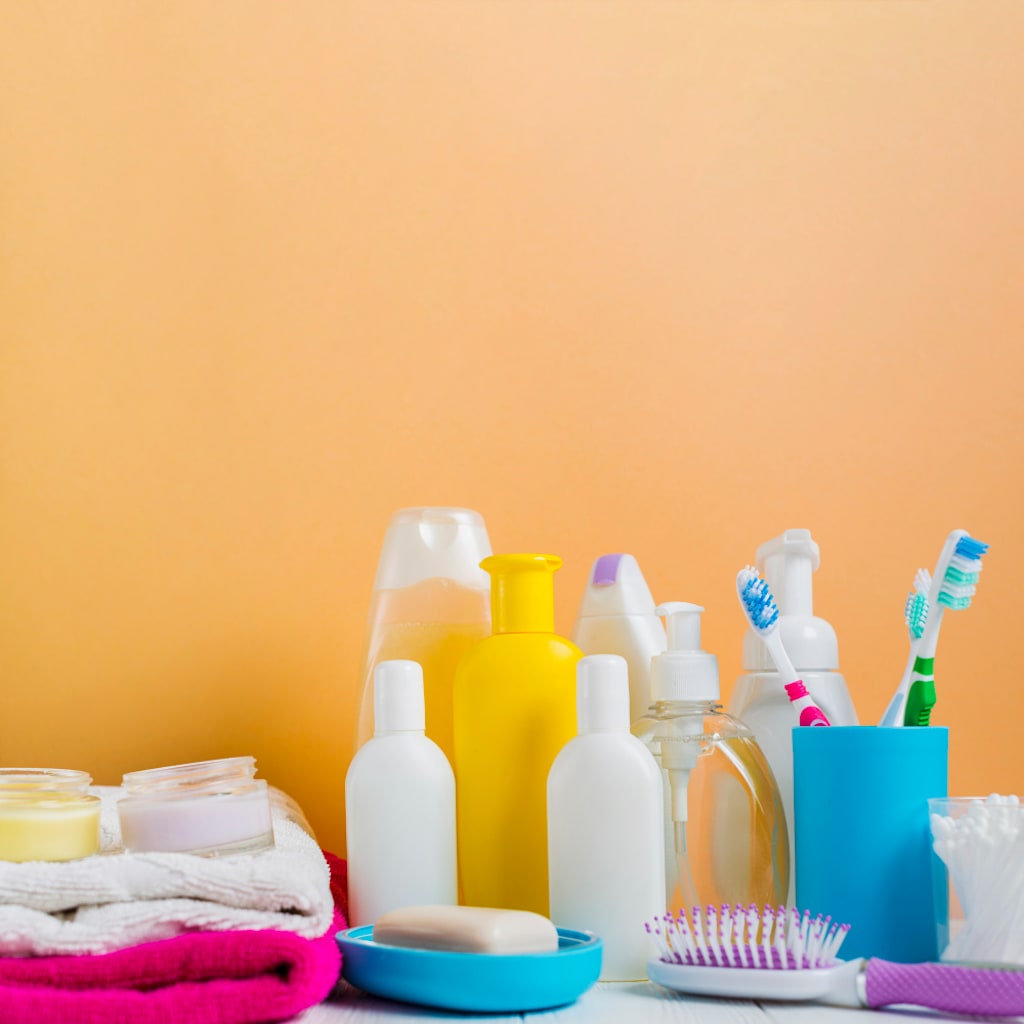
The $53 Billion Bathroom: Why Your Shower Routine Is Now a Global Industry
The average person spends roughly eight minutes in the shower. Multiply that by eight billion people and a dizzying range of gels, scrubs, exfoliants, and botanical mists, and you start to understand why the global market for bath and shower products is now worth more than the GDP of several small nations. At $53.2 billion in 2025, and projected to climb to $85.9 billion by 2035, this is not a category coasting on habit. It is actively expanding — with a compound annual growth rate of 4.9% — driven by forces that go well beyond someone needing to smell better in the morning. A detailed breakdown of regional performance, product segmentation, and competitive positioning is available in this global bath and shower products industry overview.
Clean Is No Longer Simple
For most of the 20th century, a bar of soap was the entire conversation. Then somewhere in the 2000s, that changed dramatically. Body wash replaced bar soap for younger consumers. Sulfate-free formulas started appearing on shelves that had never seen the word "sulfate" before. And suddenly, the bathroom became a space where ingredient consciousness — the same kind that transformed the food aisle — began to take root.
Today's consumer reads labels. They want to know if their shower gel contains microplastics. They check whether the shea butter is ethically sourced. In Germany, where the natural cosmetics movement has deep roots, brands like Weleda have built entire global identities around plant-based formulations and transparent supply chains. That's not a niche anymore. It is the direction the whole category is moving toward.
Asia-Pacific Is Rewriting the Rules
If you want to understand where the real growth story is happening, look east. Asia-Pacific — particularly India, China, and South Korea — accounts for a dominant share of bath and shower products growth, fueled by a combination of rising disposable incomes, an explosion in urban middle-class consumers, and a deeply ingrained cultural relationship with skincare that extends naturally into bathing rituals.
South Korea's influence here deserves particular attention. The K-beauty phenomenon didn't stay confined to serums and sheet masks. It pulled cleansing philosophy into the shower. Double cleansing, exfoliation routines, pH-balanced body washes — all of it crossed over into mainstream bathrooms across Southeast Asia and, increasingly, the United States. Brands like Dr. Jart+ and CosRX have shown Western consumers that a shower product can be a considered skincare step, not just a hygiene checkbox.
China's market dynamics are different but equally significant. Domestic brands have grown aggressive, pricing competitively against multinationals while building strong digital presences on platforms like Douyin and Tmall. That has squeezed legacy Western players like Unilever and Procter & Gamble into a defensive posture in a market they once assumed was theirs to grow.
Premiumization and the Quiet Shift in What "Mass Market" Means
One of the more underappreciated trends in this space is premiumization — consumers trading up from commodity products to items that cost two or three times as much but feel more personalized, more luxurious, or simply better aligned with their values. This has been particularly pronounced in North America and Western Europe, where post-pandemic spending patterns revealed a genuine willingness to pay more for at-home experiences.
The data behind the projected bath and shower products share and growth trajectory through 2035 suggests that premium and semi-premium SKUs will account for a disproportionate slice of new revenue — even as volume growth remains concentrated in emerging markets. Essentially, the category is growing in two directions at once: outward through geographic expansion, and upward through price-tier migration.
Sustainability packaging is also becoming a purchasing factor rather than a nice-to-have. Unilever's Love Beauty and Planet line, which was built around recycled bottles and fast-rinse conditioner formulas, quietly became one of the brand's fastest-growing personal care properties within two years of launch. The message to competitors was obvious.
What Comes Next for the Bathroom Shelf
The next decade for this market will be shaped less by new product categories and more by the maturation of existing ones. Personalization — driven by skin-typing algorithms, microbiome research, and direct-to-consumer subscription models — is already moving from startup experiment to serious scale. Companies like Function of Beauty have demonstrated that consumers will pay significantly more for a product that claims to be built specifically for them, even in a rinse-off category where that customization is chemically subtle.
Regulatory pressure on ingredients will also accelerate reformulation across the board, particularly in Europe, where the EU's Cosmetics Regulation continues to expand its list of restricted substances. That creates cost pressure for manufacturers but also opportunity for brands fast enough to build clean formulas before they become mandatory. The bathroom shelf is, quietly and steadily, becoming one of the more consequential arenas in global consumer goods.
About the Creator
Mark K. Belton
I’m Mark K. Belton, 26 years old, currently working as a Digital Marketing Intern. I have a strong interest in digital marketing and have been developing my skills in SEO, social media marketing, content creation, and online campaign
Enjoyed the story? Support the Creator.
Subscribe for free to receive all their stories in your feed.
Comments
There are no comments for this story
Be the first to respond and start the conversation.