
Baba Vanga The Blind Prophet's prediction For 2026: Start Of World War III And Humanity's First Alien Contact
Will you believe in it?


Baba Vanga is a Blind Prophet Who Saw the Kursk, 9/11 and the future of United States.
She had an 85% accuracy rate.
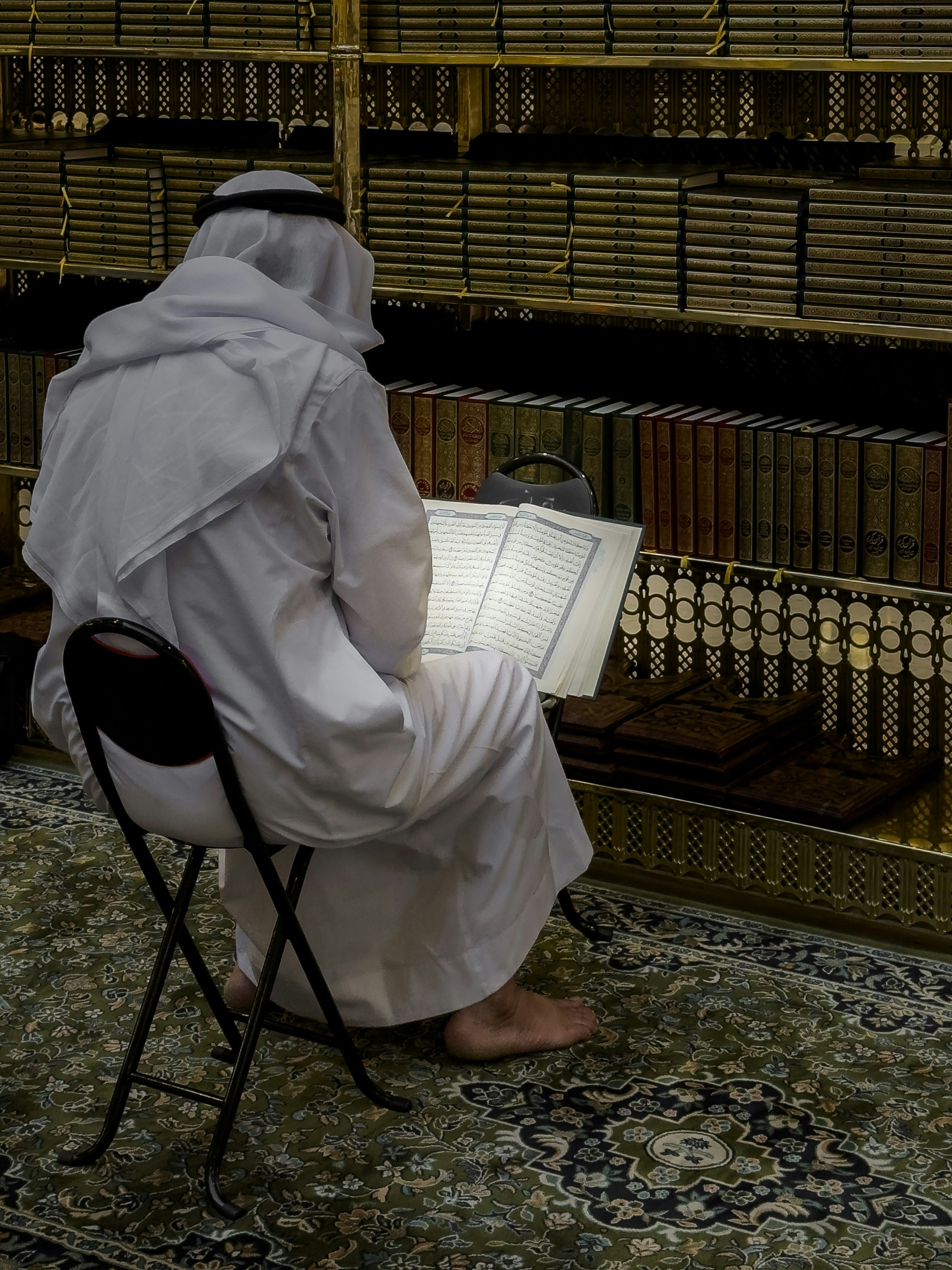
.In a small mountain village in Bulgaria, a blind woman spent half a century telling politicians, generals, and ordinary people what was going to happen to them , and to the world. She had no formal education. She couldn't see. And by most accounts, she was right about 85% of the time.
Her name was Vangelia Pandeva Gushterova. The world knew her as Baba Vanga — "Grandmother Vanga" — and decades after her death in 1996, her predictions are still making headlines.
The tornado that took her eyes and gave her something else
Baba Vanga was born in 1911 in Strumica, in what is now North Macedonia. As a young child, she was caught in a tornado. The storm swept her off the ground. Sand and debris filled her eyes, and when she was found, she was buried and blinded.
According to her family, the tornado took her sight but gave her something else: the ability to see what others couldn't. Her niece, who later wrote extensively about Vanga's life, described it simply. Whenever Vanga placed her hands on someone, she could see their past, their future, and even their past lives.
High-ranking Bulgarian officials, wealthy industrialists, and foreign dignitaries made the pilgrimage to her modest home in Rupite. She reportedly predicted the exact date of King Boris III's death. She foresaw the precise moment not just the day of Stalin's passing. Whether you call it clairvoyance, a "third eye," or Cold War folklore, the stories accumulated, and they never stopped.
The predictions that came true
Among Baba Vanga's hundreds of recorded prophecies, a handful stand out for their specificity.
The sinking of the Kursk. In 1980, Vanga predicted that "Kursk would be submerged by the sea" in August 1999 or in the year 2000. At the time, people were bewildered. Kursk is a city in western Russia — not a coastal one. Russia isn't an island nation. How could a city be swallowed by the sea?
In August 2000, the Russian nuclear submarine Kursk sank in the Barents Sea during a naval exercise, killing all 118 crew members. It wasn't the city. It was the submarine that shared its name.
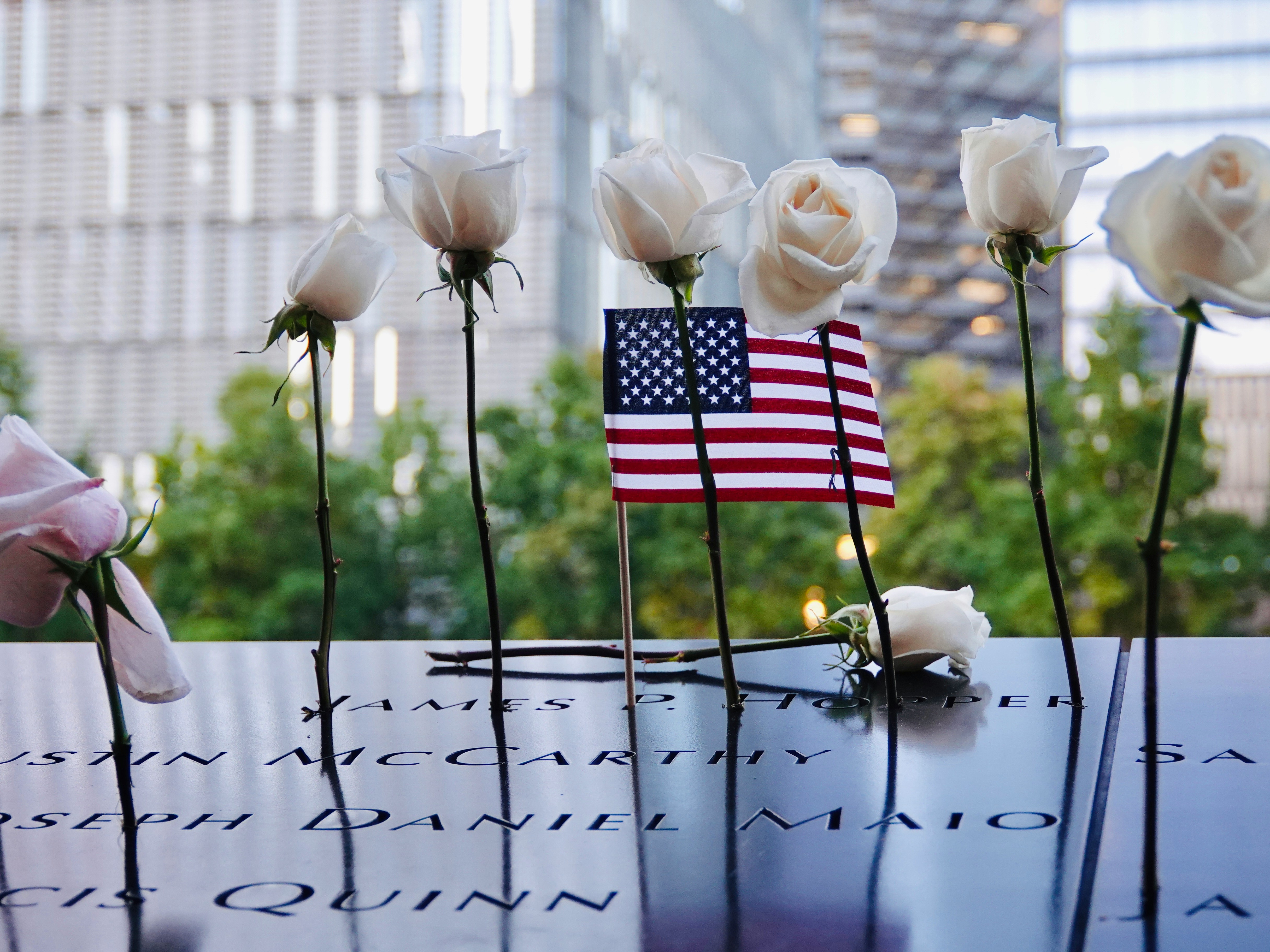
The September 11 attacks. Vanga reportedly predicted that "American brethren" would fall under the attack of "iron birds." The language was cryptic at the time. After 2001, it was not.
Brexit. She predicted that the United Kingdom would leave the European Union. Her timeline was off by one year . Sshe said 2017; the formal departure happened in 2020, with the referendum in 2016 — but the event itself was remarkably specific for a prophecy made decades earlier.
The first Black U.S. president
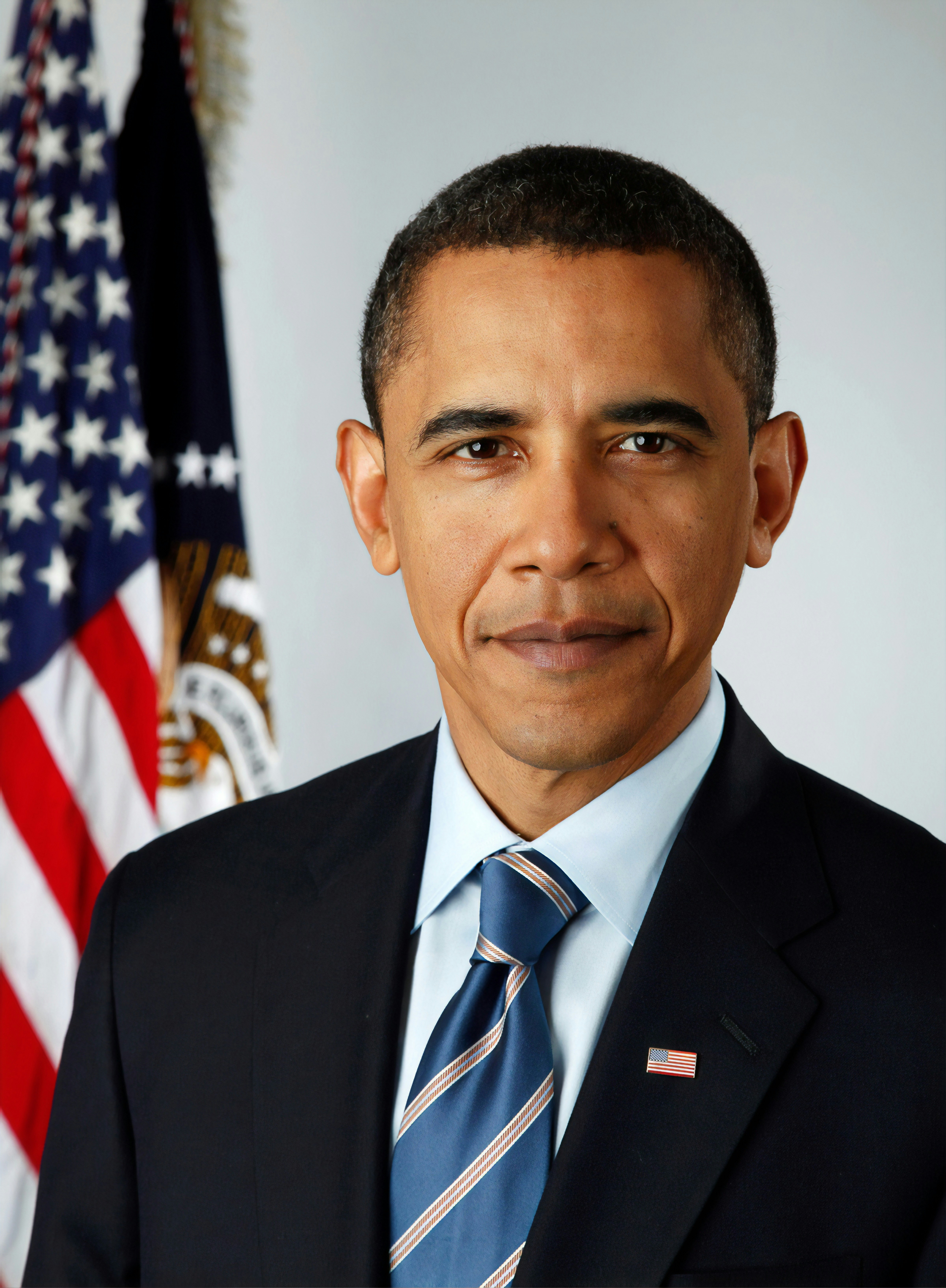
This one is perhaps the most striking. Vanga predicted that the 44th President of the United States would be the first Black president — and that he would leave office during a period of economic turmoil, after which the country would face a deeper crisis marking "the beginning of its end." Barack Obama was indeed the 44th president and the first Black man to hold the office. The 2008 financial crisis preceded his inauguration.
She went further: the 45th President would try to save the situation, but his efforts would signal the start of the nation's decline. The 45th President, of course, was Donald Trump. We are not sure if President Trump saved United States but at least the predication told us something that will be validated in the future.
Whether this constitutes a fulfilled prophecy or a vague enough statement to fit many outcomes depends entirely on your disposition toward prophets. That ambiguity is part of what makes Vanga's story so durable.
The predictions still waiting
Vanga's prophecies didn't stop with the 20th century. She left predictions stretching centuries into the future, and reading them feels less like prophecy and more like science fiction.
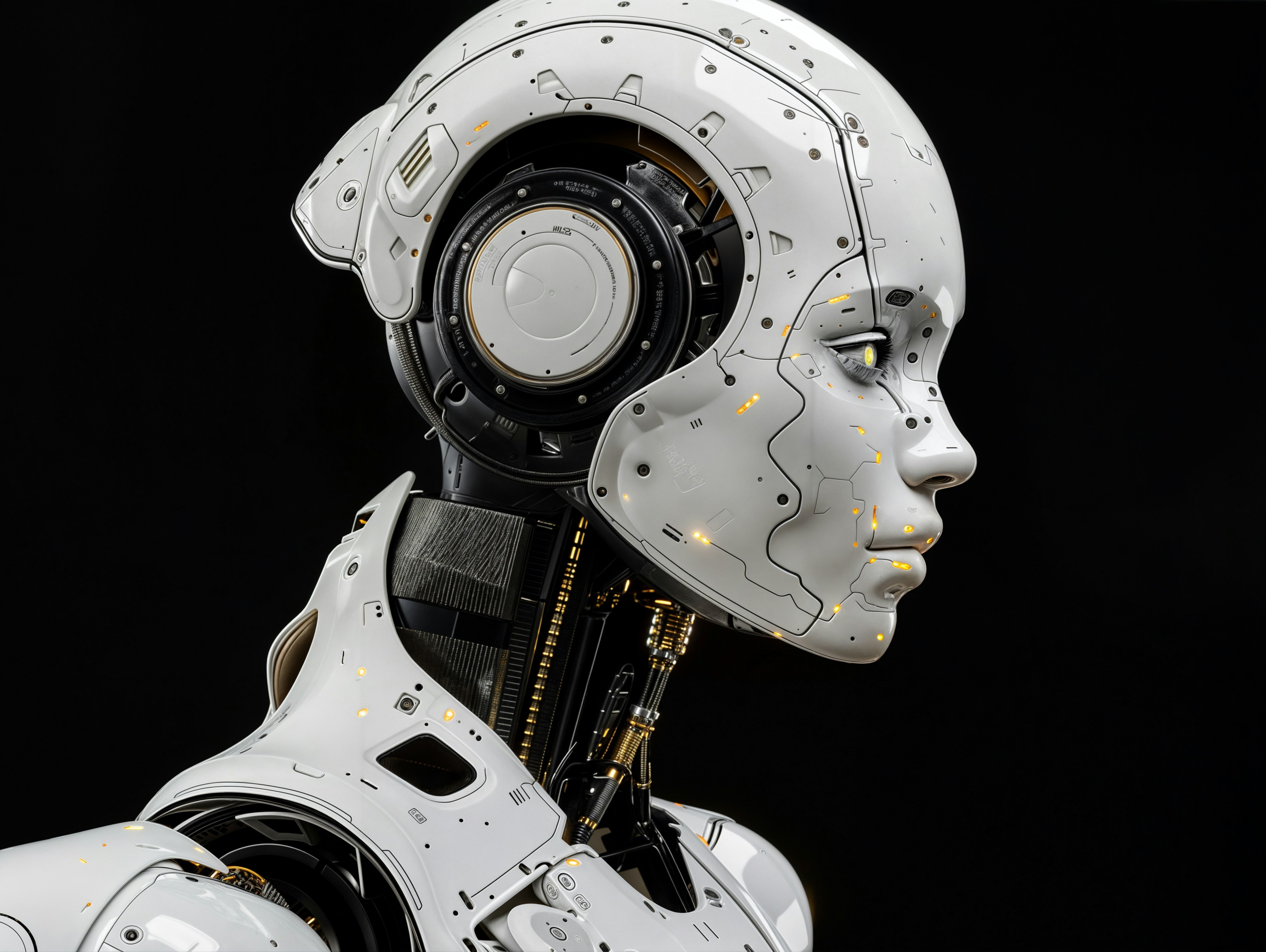
She predicted that China would rise to replace the United States as the world's leading power — a forecast that, depending on your geopolitical lens, looks increasingly plausible. She foresaw that by 2046, all human organs could be replicated, making transplantation the most effective medical treatment. By 2111, she said, humans would essentially become "living robots."
On organ cloning and transplantation, the prediction doesn't seem far-fetched given current biomedical trajectories. It's the further-out predictions that enter truly speculative territory: humanity achieves time travel by 2288 and establishes settlements in other galaxies by 3797.
Hawking's echo
What's interesting is how closely some of Vanga's warnings align with concerns raised by mainstream science.
Stephen Hawking identified two primary threats to human survival: climate change and artificial intelligence. Rising temperatures, shrinking polar ice, deforestation, and population growth are degrading the environmental conditions that sustain life. On the AI front, Hawking warned that machines could eventually upgrade themselves through autonomous learning, reaching a level of capability that surpasses human control.
Hawking went so far as to say that developing AI might be "one of the most foolish mistakes in our history," and that humanity needed to find a habitable planet outside our solar system within the next century to ensure survival.
Baba Vanga, decades earlier and without a physics degree, had arrived at a similar conclusion: interstellar migration would be necessary, and it would eventually happen.
The skeptic's case
It would be irresponsible to tell this story without noting the obvious caveats.
Most of Vanga's predictions were recorded by others — her niece, visitors, officials — rather than written down by Vanga herself. This leaves room for after-the-fact editing, embellishment, and selective memory. It's much easier to match a vague prophecy to an event after the event has already happened. The "iron birds" remark, for example, could describe any number of aerial attacks in the 20th or 21st century.
The "85% accuracy rate" is frequently cited but impossible to independently verify. Which predictions are counted? Who decides whether a prediction "came true"? These are the questions skeptics rightly raise.
And yet. The Kursk prediction named a specific word, decades before the submarine existed. The Black president prediction named a specific number — the 44th — long before anyone knew who would hold it. These are harder to explain away than most prophecy claims.
Why we keep listening
Baba Vanga died on August 11, 1996. She had predicted the exact date herself.
Whether Vanga was a genuine clairvoyant, a gifted cold reader, or a cultural artifact whose legend was shaped by the people around her, one thing is clear: her predictions endure because they tap into something deeper than curiosity about the future. They tap into our need to believe that the chaos of history has a pattern — that someone, somewhere, has already read the last page.
Reading her predictions now, in an era of climate anxiety, AI acceleration, and geopolitical instability, feels less like entertainment and more like looking into a mirror. The blind woman in the Bulgarian mountains may or may not have seen the future. But she described a world that looks uncomfortably like ours.
About the Creator
Lucy Guo
Born and raised in Shanghai, used to live in Helsinki, Syracuse, Chicago; now living in Fairfax, VA. Researcher at the intersection of artificial intelligence and education. Loves writing AI reflection stories and travel blogs.
Enjoyed the story? Support the Creator.
Subscribe for free to receive all their stories in your feed.
Comments
There are no comments for this story
Be the first to respond and start the conversation.