
Automotive Lighting Is No Longer Just About Headlights
Smart lighting technologies are transforming how vehicles communicate, perform, and enhance driver safety.

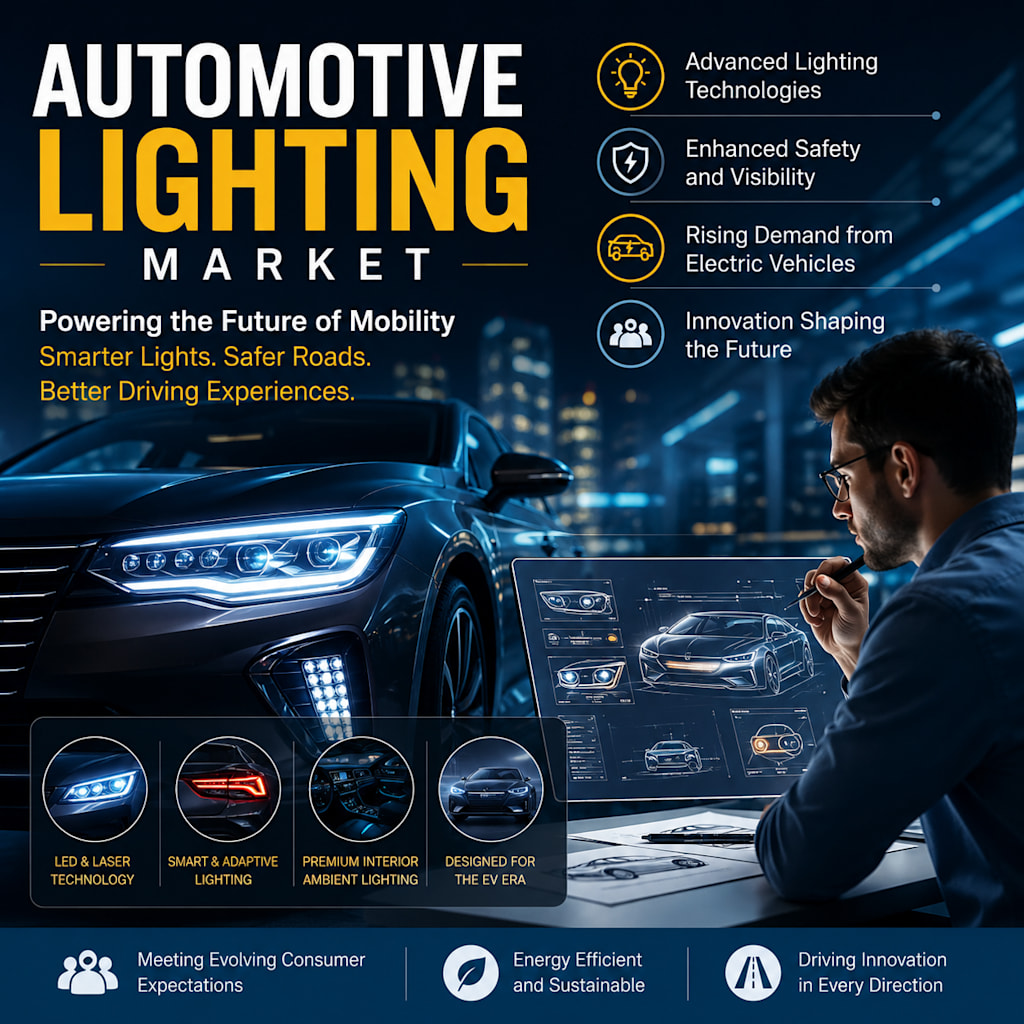
Automotive lighting is not merely about headlamps and tail lights anymore; it's now a critical component for safety, efficiency, design, and even branding. The automotive sector's swift move towards EVs, smart mobility, and autonomous driving is ushering in an era of advanced lighting technologies that boost visibility, enhance driving experiences, and improve communication between vehicles, drivers, and pedestrians. This paradigm shift is propelling the global automotive lighting market into a period of rapid expansion.
A Market Driven by Innovation and Safety
The global automotive lighting market size was valued at approximately $36.2 billion in 2025 and is forecasted to reach close to $59 billion by 2034. The increasing importance of advanced lighting in vehicles, moving beyond mere functional requirements to play a significant role in safety, design, and energy efficiency, is driving this growth. As consumer expectations evolve, lighting systems are becoming smarter, more adaptive, and visually sophisticated.
Why Automotive Lighting Matters More Than Ever
Road safety is a paramount concern globally. Poor visibility is a major cause of accidents, particularly during nighttime and adverse weather conditions. Advanced automotive lighting systems enhance driver awareness, road visibility, and reaction time by utilizing technologies such as adaptive headlights, LEDs, and matrix lighting. These systems automatically adjust brightness and beam direction to suit traffic and road conditions, thus improving safety for drivers while reducing glare for others. With governments continuously strengthening vehicle safety regulations, automakers are investing heavily in lighting innovation.
The Rise of LED Lighting Technology
One of the most significant changes in the automotive lighting industry is the widespread adoption of LED technology. Halogen lighting is being phased out in favor of LEDs due to their lower energy consumption, longer lifespan, enhanced brightness, compact and flexible designs, and reduced maintenance needs. LEDs also allow manufacturers to create unique vehicle designs; many brands now use distinct lighting signatures as part of their visual identity, from sleek daytime running lights to dynamic animated tail lamps.
Electric Vehicles Are Accelerating Demand
The rapid proliferation of electric vehicles (EVs) is significantly influencing the automotive lighting market. EV manufacturers are prioritizing energy efficiency, making lighting systems a key factor in overall power consumption. LED and OLED technologies, known for their low energy use, are becoming standard in many EVs. Additionally, EV brands are using innovative lighting designs to establish futuristic aesthetics, such as interior ambient lighting, illuminated grilles, dynamic welcome lights, and smart dashboard illumination. This trend is expected to further accelerate the evolution of automotive lighting.
Smart Lighting Is Changing the Driving Experience
Automotive lighting is becoming more intelligent and interactive with smart lighting systems that respond to real-time environmental and driving conditions. Features such as adaptive front lighting, automatic high-beam adjustment, dynamic turn signals, laser lighting, 360-degree illumination, and customizable ambient interior lighting improve both safety and comfort, creating a more premium driving experience. Lighting may also play a role in communication between vehicles and pedestrians in autonomous vehicles.
Luxury and Interior Lighting Trends
Vehicle interiors are also undergoing a lighting revolution. Consumers expect premium cabin experiences, driving the demand for ambient lighting as a key selling point, especially in luxury and EVs. Modern interior lighting includes multi-color options, personalized mood settings, illuminated dashboards, door panels, smart reading lights, and dynamic effects synchronized with music or driving modes, all contributing to a more immersive environment. Cabin lighting is becoming a significant differentiator in the automotive market.
Asia-Pacific Continues to Dominate the Market
The Asia-Pacific region is currently the largest automotive lighting market. Factors contributing to this dominance include massive vehicle production in China, India, Japan, and South Korea, rising disposable incomes, an expanding middle class, increasing urbanization, and strong government support for automotive manufacturing. China leads global automotive production, while India is experiencing rapid growth in vehicle sales. The surge in EV manufacturing in Asia is also fueling demand for advanced lighting technologies.
Competition Is Fueling Rapid Innovation
The automotive lighting industry is highly competitive, with major players heavily investing in R&D to develop advanced LED and OLED technologies, adaptive and smart lighting systems, lightweight and energy-efficient designs, and seamless integration with autonomous driving technologies. Strategic partnerships between lighting manufacturers and automakers are becoming increasingly crucial in the evolving automotive landscape, where innovation is the key competitive advantage.
Challenges Facing the Industry
The industry faces several challenges, including the need to comply with stringent and often varied safety and energy-efficiency regulations across different regions. Rapid technological advancements require continuous investment in R&D to maintain competitiveness. Balancing performance, affordability, and design flexibility remains a challenge, particularly in price-sensitive markets, but it is also driving the development of more efficient and cost-effective solutions.
The Future of Automotive Lighting
The future of automotive lighting will be smarter, more connected, and more personalized, with technologies like OLED lighting, AI-powered adaptive systems, and vehicle-to-environment communication lighting set to redefine how vehicles interact with their surroundings. Lighting will evolve beyond mere visibility, playing a crucial role in communication, branding, safety signaling, and autonomous navigation. As vehicles become increasingly sophisticated, lighting systems will continue to be an integral part of the driving experience.
Final Thoughts
Automotive lighting has transcended its functional role to become a vital integration of technology, safety, energy efficiency, and design. The industry is undergoing a major transformation with advanced LED systems, intelligent adaptive lighting, and futuristic EV interiors. With the market projected to reach $59 billion by 2034, automotive lighting is one of the most dynamic and innovative segments within the automotive industry, and its importance will only grow as driving becomes smarter and more connected.
About the Creator
Robert
Senior Market Researcher at IMARC Group, specializing in global market analysis, industry trends, and data-driven insights across diverse sectors.
Enjoyed the story? Support the Creator.
Subscribe for free to receive all their stories in your feed.
Comments
There are no comments for this story
Be the first to respond and start the conversation.