
Automotive Ethernet Market: Wiring the Future of Smart Cars
How high-speed in-vehicle networks are powering the next generation of connected and autonomous driving
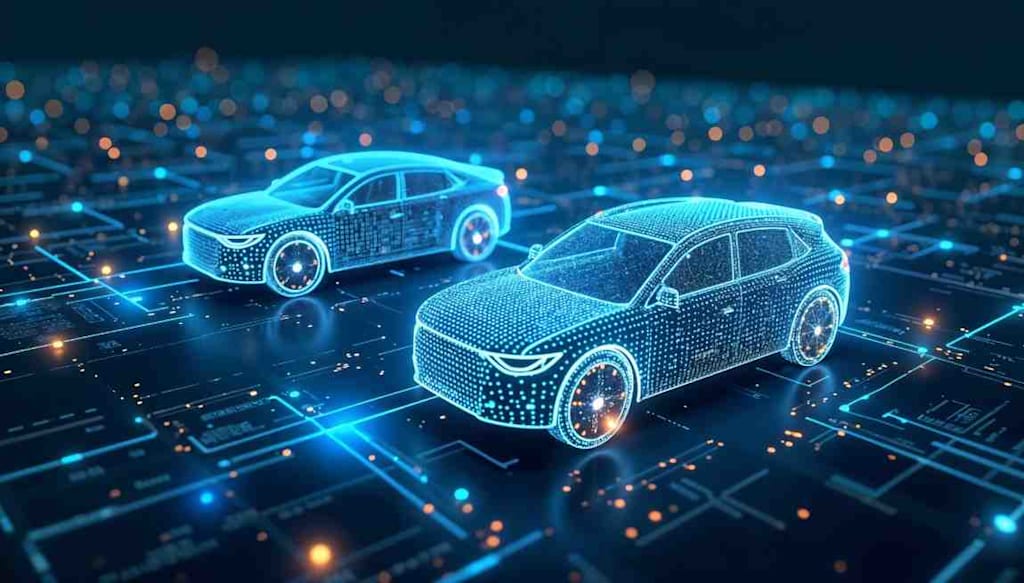
Automotive Ethernet Market: Driving the Future of In-Car Networks
Modern vehicles are no longer just mechanical machines; they are rolling networks of sensors, cameras, and processors that demand faster, more reliable data transmission than ever before. As cars adopt advanced driver-assistance systems, infotainment platforms, and increasingly autonomous capabilities, the wiring architectures of the past are struggling to keep pace. This is where the automotive ethernet market comes into focus, offering a high-bandwidth alternative to traditional in-vehicle networking standards. Lighter, faster, and more scalable than legacy systems, automotive ethernet is quietly becoming the backbone of next-generation vehicle design. This article examines what is driving this shift, the technical advantages it offers, the obstacles automakers face in adoption, and where this technology is headed as vehicles become more connected and autonomous.
What Is Automotive Ethernet and Why It Matters
Automotive ethernet is a specialized adaptation of standard ethernet technology, engineered to meet the unique demands of vehicle environments, including electromagnetic interference resistance, temperature extremes, and strict weight and space constraints. Unlike conventional networking protocols such as CAN (Controller Area Network) or LIN (Local Interconnect Network), automotive ethernet supports significantly higher data transfer rates, making it suitable for bandwidth-intensive applications.
This matters because today's vehicles generate enormous volumes of data. Cameras, radar, and lidar systems used in driver-assistance features produce continuous streams of information that must be processed and shared across multiple electronic control units in real time. Legacy networking architectures were never designed for this scale of data movement, which has made the transition toward ethernet-based systems less of an option and more of a necessity for automakers pursuing advanced functionality.
Key Growth Drivers
Expansion of Advanced Driver-Assistance Systems
The proliferation of ADAS features, including lane-keeping assistance, adaptive cruise control, and automated parking, has placed immense pressure on in-vehicle data networks. These systems rely on multiple sensors working in coordination, and any latency in data transmission can compromise both performance and safety. Automotive ethernet's ability to handle high-speed, low-latency communication has made it a preferred solution for manufacturers integrating these features at scale.
Rising Demand for Connected and Infotainment Systems
Consumers increasingly expect seamless connectivity inside their vehicles, from real-time navigation updates to streaming entertainment and smartphone integration. Supporting these features requires substantially more bandwidth than older vehicle architectures could provide. Ethernet-based networks accommodate this demand while also simplifying the wiring harness, which has traditionally been one of the heaviest and most complex components in a vehicle.
Progress Toward Vehicle Autonomy
As the industry moves toward higher levels of vehicle autonomy, the volume of sensor data requiring real-time processing continues to climb. Automotive ethernet provides the scalable bandwidth necessary to support this evolution, positioning it as a foundational technology rather than a temporary upgrade.
Notable Trends Shaping the Market
A few clear trends are emerging within this space. Time-Sensitive Networking (TSN) standards are gaining traction, allowing automotive ethernet to deliver deterministic, time-critical data delivery alongside standard traffic, which is essential for safety-related applications. Additionally, automakers are gradually shifting toward zonal network architectures, replacing the traditional domain-based wiring approach with consolidated zones connected via high-speed ethernet backbones. This reduces cabling complexity and overall vehicle weight.
Multi-gig ethernet speeds, including 1000BASE-T1 and emerging multi-gigabit standards, are also being explored to future-proof vehicle networks against the data demands of upcoming autonomous and electric vehicle platforms. Industry analysis, such as the findings outlined in this automotive ethernet market report, points to continued momentum as manufacturers integrate these standards across a growing range of vehicle segments.
Benefits Driving Adoption
The appeal of automotive ethernet extends beyond raw speed. Because it uses fewer and lighter cables compared to traditional wiring harnesses, it contributes to overall vehicle weight reduction, which can support fuel efficiency and electric vehicle range. Its scalability also allows automakers to design networks that can be updated or expanded as new features are introduced, without requiring a complete architectural overhaul.
Cost efficiency is another factor. While the underlying technology requires investment, the simplified wiring and reduced material usage can offset expenses over the vehicle's production lifecycle. Additionally, automotive ethernet's compatibility with existing IT infrastructure makes it easier for automakers to leverage established networking expertise rather than building proprietary systems from scratch.
Challenges Facing Implementation
Despite its advantages, the path to widespread adoption is not without obstacles. Integrating automotive ethernet often requires significant redesign of existing vehicle architectures, which can be both time-consuming and costly for manufacturers still reliant on legacy systems. Compatibility between new ethernet-based components and older CAN or LIN-based subsystems also remains a technical hurdle during transition periods.
Cybersecurity is another growing concern. As vehicles become more connected and data-driven, the attack surface for potential intrusions expands. Ensuring that automotive ethernet networks are properly secured against unauthorized access requires ongoing investment in encryption, authentication protocols, and monitoring systems.
Supply chain considerations also play a role. The specialized components required for automotive-grade ethernet, including connectors and switches built to withstand harsh operating conditions, must meet strict reliability standards, which can limit the pool of qualified suppliers.
Opportunities on the Horizon
Looking forward, the shift toward software-defined vehicles presents a significant opportunity for automotive ethernet adoption. As vehicle functions become increasingly governed by software rather than fixed hardware, the need for flexible, high-bandwidth networks that can support over-the-air updates and feature additions will only grow.
Electric vehicle platforms also offer fertile ground for expansion, as manufacturers building new architectures from the ground up are more likely to incorporate ethernet-based networking from the outset rather than retrofitting legacy systems. This presents an opening for suppliers and automakers willing to invest early in scalable network designs.
Emerging markets, where automotive manufacturing is expanding alongside rising consumer demand for connected vehicle features, may also become important growth areas as global supply chains adapt to support broader implementation.
Future Outlook
The trajectory for automotive ethernet appears closely tied to the broader evolution of vehicle architecture. As zonal designs become more standard and software-defined vehicles move from concept to mainstream production, ethernet-based networking is likely to become the default rather than the exception. Continued refinement of TSN standards and multi-gigabit ethernet variants will further support the data demands of autonomous driving systems as they mature.
Collaboration between automakers, semiconductor companies, and networking technology providers will likely shape how quickly these standards are adopted across different vehicle segments and price points.
Conclusion
The automotive ethernet market reflects a fundamental shift in how vehicles manage and transmit data. Driven by the expansion of driver-assistance systems, growing connectivity demands, and the push toward greater vehicle autonomy, ethernet-based networking has moved from a niche solution to a foundational technology in modern vehicle design. While challenges around integration, cybersecurity, and supply chain reliability remain, the opportunities presented by software-defined vehicles and electric platforms suggest steady momentum ahead. As the automotive industry continues to evolve, automotive ethernet is poised to play an increasingly central role in shaping how vehicles connect, communicate, and adapt to future technological demands.
About the Creator
Enjoyed the story? Support the Creator.
Subscribe for free to receive all their stories in your feed.
Comments
There are no comments for this story
Be the first to respond and start the conversation.