
Automated Vulnerability Synthesis: The Rise of Autonomous Pentesting at the Silicon Layer
As security frameworks transition from manual validation to continuous algorithmic offensive testing, network defense shifts entirely to the edge.

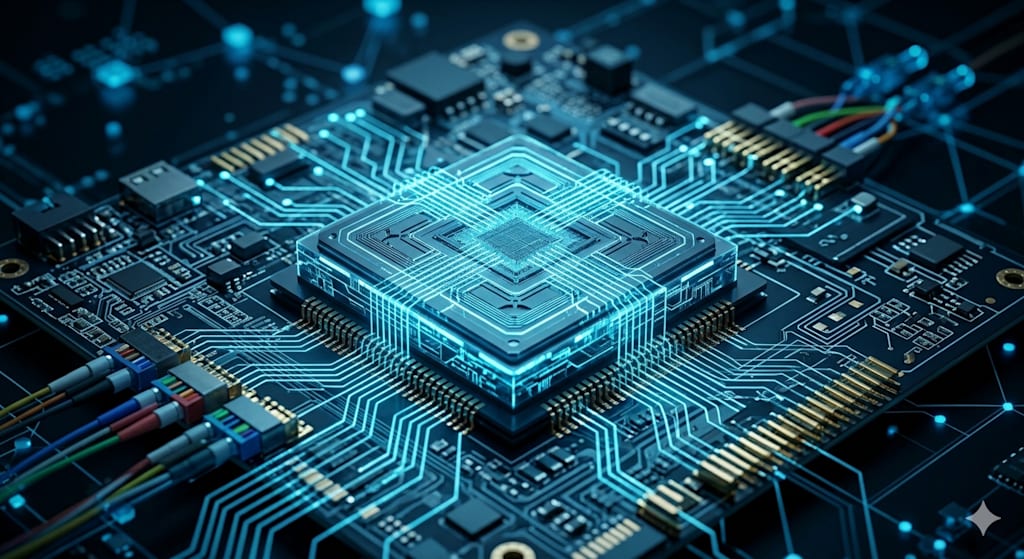
The infrastructure governing global cybersecurity is facing a volatile paradigm shift. For decades, institutional vulnerability management relied heavily on periodic, human-led penetration testing cycles. Systems architects and security engineers would manually map corporate attack surfaces, audit source code repositories, and deploy isolated scripts to probe for network chokepoints.
However, live telemetry captured on June 20, 2026, reveals that this reactive auditing model has become fundamentally obsolete. Data displays a massive, vertical 2,350% Breakout explosion in global search interest for "pentest ai" systems. This rapid indexing pivot marks the definitive arrival of autonomous offensive software architectures engineered to simulate sophisticated, multi-layered cyber assaults in real time without human intervention.
The Architecture of Autonomous Exploitation: Edge vs. Cloud
The sudden technical surge behind automated penetration engines highlights a crucial shift in how complex data pipelines are evaluated and secured. Traditional vulnerability scanners operate on static, signature-based rulesets that fail to identify zero-day exploits or adaptive logical bypasses.
Autonomous pentesting frameworks completely bypass this limitation. By leveraging highly specialized machine learning layers running directly on localized high-performance chipsets, these defensive systems think like an active adversary. They systematically scan complex system pathways, analyze token dependencies within software builds, map input vulnerabilities, and chain minor misconfigurations together to orchestrate sophisticated breaches.
Executing these highly heavy, high-velocity processes requires exceptional hardware bandwidth. Instead of routing sensitive network configurations and deep proprietary source code through external, multi-tenant cloud pipelines, enterprise teams are deploying these offensive engines directly onto private local silicon architectures. This isolated configuration ensures that the extreme computational load of executing continuous zero-day simulations remains contained inside private, dedicated hardware nodes.
Institutional Deficit and the Stabilization of Core API Flows
Parallel industry indexes show that while general foundational software utility remains saturated—with Google’s "gemini ai" maintaining absolute baseline search visibility at 100%—the demand for highly specific infrastructure security is expanding. Meanwhile, technical integration tools such as "flow ai" are registering a steady 4% increase to hold a stable position on global technical indexes.
This indexing behavior proves that developers are no longer interested in generic, cloud-hosted text platforms for high-security applications. Instead, engineers are actively engineering secure pipeline flows that pair specialized autonomous agents directly with dedicated edge processors. This ensures that threat detection and network isolation routines can execute within milliseconds at the physical hardware layer, completely immune to external cloud network latency, provider outages, or data leaks.
The Future of Defense: Continuous Algorithmic Auditing
The velocity driving the "pentest ai" movement signifies a permanent transition into an automated threat landscape. The corporate environments of tomorrow will no longer consider themselves secure based on a yearly compliance checklist.
For network administrators, systems architects, and technical directors, surviving this shift requires a complete re-engineering of defensive strategy. As offensive autonomous models become standard toolkit accessories for hostile entities worldwide, the only viable defense is an equally automated, continuous offensive audit. Future-proof security strategy demands the implementation of local, dedicated hardware layers that relentlessly stress-test internal digital infrastructure 24/7, patching vulnerabilities instantly at the silicon level before they can ever be discovered by an external adversary.
Do you believe that deploying autonomous pentesting models locally will permanently secure enterprise data pipelines, or will malicious AI tools always hold the offensive advantage? Share your security architectures, hardware node setups, and cryptographic firewall theories in the comments section below.
Determined to monitor the high-stakes evolution of automated security frameworks, zero-day exploitation models, and global digital technology trends? Support our high-fidelity technical journalism by leaving a Like, Sharing this breakdown with your infrastructure community, and hitting Follow for continuous, unfiltered business intelligence.
About the Creator
AI Lens
Exploring the profound intersection of human nature, philosophy, and the future of artificial intelligence. Writing about our evolving digital world.
Enjoyed the story? Support the Creator.
Subscribe for free to receive all their stories in your feed.
Comments
There are no comments for this story
Be the first to respond and start the conversation.