
Automated Fare Collection Market Trends: AI Integration, Fare Optimization & Industry Forecast to 2033
How AI-powered systems, predictive analytics, and automation are optimizing fare pricing strategies and enabling transit authorities to improve revenue management and operational efficiency

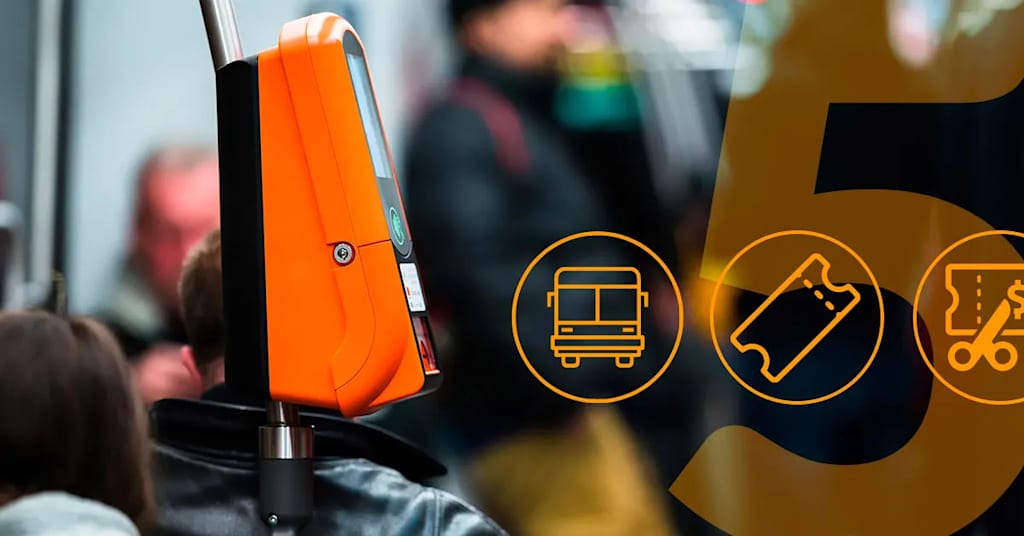
Rising urban populations, a push for contactless commuting, and the integration of smart mobility solutions are fundamentally reshaping how passengers pay for travel. According to IMARC Group’s latest data, the global automated fare collection market size was valued at USD 13.5 Billion in 2024. Looking forward, IMARC Group estimates the market to reach USD 35.8 Billion by 2034, exhibiting a CAGR of 10.9% from 2025-2033.
The automated fare collection (AFC) sector has transitioned from a niche infrastructure requirement to a multi-billion-dollar pillar of the smart city ecosystem. Beyond just ticket vending, modern AFC systems now encompass sophisticated architectures like Account-Based Ticketing (ABT) and Open Payments. This evolution is driven by the urgent need for transit agencies to reduce operational overhead while meeting the expectations of a digitally native workforce. By streamlining revenue collection and minimizing manual cash handling, these systems are now essential for sustainable, high-capacity urban rail, bus, and multi-modal transit networks.
Get Instant Access to the "Automated Fare Collection Market" Sample Report
Automated Fare Collection Market Growth Drivers:
- Accelerated Shift Toward Cashless and Contactless Mobility
The global push for "tap-and-go" convenience has made cashless transactions the gold standard for public transit. Commuters increasingly avoid physical tokens and paper tickets, preferring the speed of NFC-enabled devices and smart cards. Current industry valuations reflect this, with the market exceeding USD 16 billion as transit authorities in major hubs like London and New York phase out legacy hardware. This transition reduces boarding times and streamlines financial clearing, allowing agencies to process thousands of transactions per minute without the logistical burden of managing physical currency or ticket maintenance.
- Rise of Smart City Infrastructure and Integrated Transit
Governments are prioritizing intelligent transportation systems (ITS) to combat urban congestion and improve livability. Automated fare collection acts as the financial backbone for these projects, enabling seamless transfers between buses, trains, and even bike-sharing programs. Approximately 61% of global urban mobility projects now integrate some form of intelligent fare management. By centralizing data, cities can optimize routes based on real-time passenger flow. This systemic upgrade is vital for growing metropolises that require scalable digital infrastructure to manage millions of daily commuters efficiently and securely.
- Explosion of Smartphone Penetration and Mobile Wallet Adoption
The ubiquity of smartphones has revolutionized the "front end" of fare collection. With adults in key markets spending over four hours daily on mobile devices, transit apps have become the primary hub for trip planning and payment. The integration of QR codes and mobile wallets like Apple Pay or Google Pay eliminates the need for specialized transit cards entirely. Research indicates that over 50% of modern transit systems now support direct mobile payments, drastically lowering the barrier to entry for occasional riders and tourists while providing agencies with high-fidelity passenger analytics.
Automated Fare Collection Market Trends:
- Implementation of Account-Based Ticketing (ABT) Models
Modern systems are moving away from storing "value" on a physical card and toward cloud-based "accounts." In this model, the back-office system calculates the best fare for the passenger after the journey is completed, often applying daily or weekly price caps automatically. Nearly 48% of new AFC deployments are now cloud-based, allowing for rapid updates and easier integration with third-party mobility providers. This trend ensures that riders always receive the most cost-effective fare without needing to understand complex tariff structures, significantly boosting rider loyalty and satisfaction.
AI-Driven Analytics for Fraud Prevention and Revenue Optimization
Artificial Intelligence is being deployed to safeguard revenue and enhance operational intelligence. Approximately 51% of transport authorities are currently investing in AI-based tools to identify patterns of fare evasion and system anomalies in real time. Beyond security, these analytics help operators predict peak loads and adjust service frequency dynamically. In Seoul, for instance, AI-driven systems now integrate real-time data to optimize bus routes and reduce wait times. This move toward "intelligent" fare collection turns every transaction into a data point for better urban planning.
- Decoupling of Hardware and Software Procurement
A major shift in procurement strategy is the separation of "the brains from the boxes." Transit agencies are moving away from proprietary, all-in-one vendor locks and instead buying modular software platforms that work with various hardware manufacturers. This allows cities to upgrade their back-office fare engines while keeping existing gates or validators, or vice versa. This trend promotes competition among hardware suppliers and ensures that systems remain interoperable and future-proof. By using open APIs and standardized software, agencies can innovate faster and reduce the long-term total cost of ownership.
Recent News and Developments in Automated Fare Collection Market
- February 2026: COTA (Central Ohio Transit Authority) successfully launched a comprehensive Open Payments system across its entire network, allowing passengers to pay via contactless bank cards and mobile wallets to simplify the boarding process.
- January 2026: Masabi partnered with regional transit authorities in Montreal and parts of Spain to deploy a Software-as-a-Service (SaaS) fare collection platform, highlighting the industry's move toward scalable, cloud-based architectures.
- August 2025: Denver’s RTD officially integrated "best price" capping through its new Account-Based Ticketing system, ensuring that riders are never overcharged for multi-leg journeys across the metropolitan area.
Note: If you require specific details, data, or insights that are not currently included in the scope of this report, we are happy to accommodate your request. As part of our customization service, we will gather and provide the additional information you need, tailored to your specific requirements. Please let us know your exact needs, and we will ensure the report is updated accordingly to meet your expectations.
About the Creator
Andrew Sullivan
Hello, I’m Andrew Sullivan. I have over 9+ years of experience as a market research specialist.
Enjoyed the story? Support the Creator.
Subscribe for free to receive all their stories in your feed.
Comments
There are no comments for this story
Be the first to respond and start the conversation.