
Asia-Pacific Dominates 47.7% of USD 6.58 Billion Vegetable Seed Market as Solanaceae Crops Drive Growth Through 2034
Extensive agricultural activities across diverse regions support year-round cultivation

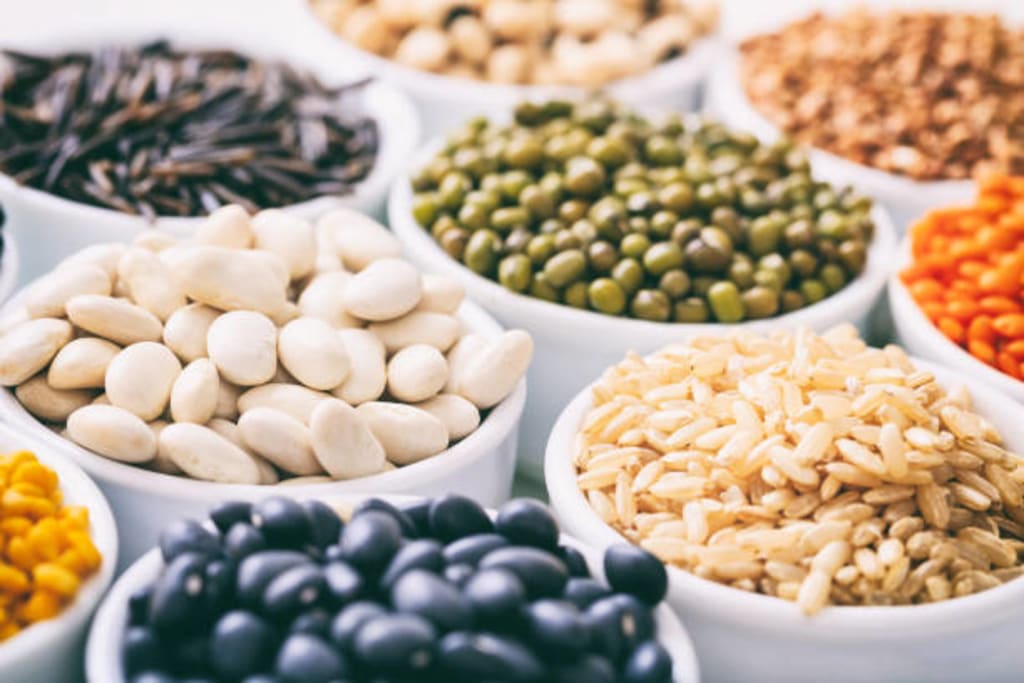
The global vegetable seeds market stands at a pivotal growth phase, driven by fundamental shifts in agricultural technology, consumer health consciousness, and population growth pressures creating sustained demand for high-quality seeds. The market reached USD 6.58 billion in 2025 and is projected to expand to USD 8.85 billion by 2034, representing a 34.8% absolute increase and an addition of USD 2.3 billion over nine years. This expansion unfolds at a compound annual growth rate of 3.34% from 2026 through 2034, fueled by rising awareness of hybrid and genetically enhanced seeds, growing urbanization driving intensive agriculture, and accelerating technological innovations in seed breeding and biotechnology strengthening global food security.
Key Market Metrics:
• 2025 Market Valuation: USD 6.58 Billion
• 2034 Projected Valuation: USD 8.85 Billion
• Compound Annual Growth Rate: 3.34% (2026-2034)
• Total Value Addition: USD 2.3 Billion
• Market Growth: 34.8% over nine years
• Regional Leader: Asia-Pacific with 47.7% market share
Asia-Pacific Dominance: 47.7% Global Market Share and Agricultural Expansion
Asia-Pacific overwhelmingly dominates the global vegetable seed market, commanding 47.7% market share in 2025, anchored by extensive agricultural activities, diverse climatic conditions, and rapid technological adoption.
Asia-Pacific Market Growth Drivers:
• Extensive agricultural activities across diverse regions supporting year-round cultivation
• Rising population demanding increased vegetable production and food security
• Government investments in agricultural research and development programs
• Advanced facilities and quality control systems improving seed reliability
• Improved hybrid seed varieties and precision farming technique adoption
• Humanitarian assistance programs distributing vegetable seeds for food security
• Growing export opportunities accessing global markets
The region benefits from diverse climate conditions enabling year-round vegetable cultivation, coupled with government-backed agricultural modernization initiatives. India's agricultural sector demonstrates particular dynamism, with initiatives targeting climate-resilient seed varieties. China's leadership in providing seed assistance to crisis-affected regions underscores Asia-Pacific's strategic importance to global food security. In 2024, China provided vegetable seeds under a USD 2 million project with FAO, benefiting over 22,000 vulnerable farming households in Sudan's Red Sea State, demonstrating regional commitment to addressing humanitarian food insecurity challenges while expanding agricultural capacity.
Regulatory Advancement: Syngenta's Strategic Investment in India
March 2024 State-of-the-Art Facility Launch:
Syngenta officially inaugurated a USD 2.4 million Seed Health Lab in Hyderabad, India, representing a significant infrastructure investment supporting seed quality control and grower support across India and globally. This world-class facility holds international accreditation and exemplifies institutional commitment to "Make in India" initiatives while strengthening global food security through improved seed quality assurance. The lab's advanced testing capabilities enable consistent quality control for diverse vegetable seed varieties meeting international standards while supporting regional agricultural development objectives.
Type Segmentation: Open Pollinated Varieties Command 68.7% Market Share
Open pollinated varieties dominate the vegetable seed market, holding 68.7% market share in 2025, reflecting fundamental economic, agronomic, and sustainability advantages driving their widespread adoption.
Open Pollinated Variety Advantages:
• Natural breeding process enabling farmers to save seeds for future planting
• Cost-effective alternatives to hybrid seeds reducing farmer input expenses
• Ability to reproduce true-to-type seeds maintaining consistent characteristics
• Adaptability to diverse environmental conditions and regional soil types
• Particular suitability for organic farming practices and sustainable agriculture
• Genetic diversity enhancing pest and disease resistance naturally
• Accessibility for both small-scale and large-scale farming operations
The dominance of open pollinated varieties reflects fundamental farmer economics. Seed-saving capabilities enable farmers to reduce input costs substantially across multiple planting seasons. This economic advantage proves particularly significant for smallholder farmers in developing nations where seed costs represent meaningful production expenses. Additionally, the varieties' adaptability to diverse climatic conditions and soil types makes them ideal for regions experiencing climate variability and environmental uncertainty. Their compatibility with organic farming practices and sustainable agricultural methods further strengthens market positioning amid growing consumer preference for environmentally responsible produce.
Crop Type Leadership: Solanaceae Commands 41.7% Market Share
Solanaceae leads the vegetable seed market by crop type, commanding 41.7% market share in 2025, driven by global demand for tomatoes, peppers, and eggplants.
Solanaceae Market Growth Drivers:
• Staple ingredient in diverse global cuisines ensuring consistent demand
• High versatility supporting open-field and greenhouse cultivation methods
• Rich nutritional profile including vitamins, antioxidants, and dietary fiber
• Significant commercial importance for smallholder and commercial farmers alike
• Strong export market opportunities commanding premium prices
• Advances in breeding enhancing yield, disease resistance, and shelf life
• Growing health consciousness driving premium Solanaceae product demand
Solanaceae crops' global culinary prominence creates structural demand stability. The crops' agricultural versatility, adaptability to diverse growing conditions, and compatibility with both traditional and modern cultivation methods position them as preferred selections for farmers worldwide. Recent breeding advances have produced varieties offering enhanced disease resistance, improved yield potential, and extended shelf life, making them increasingly attractive to commercial producers seeking competitive advantages in global markets. The segment's profitability characteristics, supported by strong export demand for premium-quality produce, further incentivize farmer adoption of improved Solanaceae seed varieties.
Cultivation Method: Open Field Dominates with Cost-Effectiveness
Open field cultivation represents the market's dominant segment, reflecting widespread adoption of cost-effective, scalable production methodologies.
Open Field Market Advantages:
• Highly cost-effective relying on natural environmental conditions for crop growth
• Extensive scalability accommodating small and large-scale farming operations
• Suitability for diverse vegetable crops including leafy greens and root vegetables
• Integration with sustainable farming practices maintaining soil health
• Reduced infrastructure requirements compared to protected cultivation methods
• Advances in seed technology enabling drought-tolerant and pest-resistant varieties
Open field cultivation's cost-effectiveness and scalability make it the preferred production methodology for vast agricultural regions. The method's flexibility enables farmers to produce diverse crops while maintaining operational efficiency. Recent seed technology advances addressing environmental challenges, including drought tolerance and pest resistance, have significantly improved open-field viability while reducing production risk. This technological progress has particularly benefited developing regions where farmers lack capital for protected cultivation infrastructure.
Seed Type Distribution: Conventional Seeds Command Market Majority
Conventional seeds hold the largest seed type segment share, reflecting widespread farmer and consumer acceptance of natural breeding approaches.
Conventional Seed Market Characteristics:
• Development through traditional breeding methods ensuring GMO-free products
• Alignment with growing consumer preferences for natural agricultural products
• Affordability and ease of use particularly for small and medium-sized growers
• Adaptability across diverse climatic conditions and soil types
• Wide product variety for major crops including tomatoes and leafy greens
• Advances in breeding enhancing yield and disease resistance
The dominance of conventional seeds reflects fundamental market dynamics. Farmer cost considerations and consumer preferences for natural products support extensive conventional seed adoption. The segment's economic accessibility, combined with improving variety performance through traditional breeding techniques, positions conventional seeds as the market's foundation. Recent breeding advances have substantially improved conventional seed characteristics, enabling yield and disease resistance improvements competitive with hybrid varieties while maintaining traditional breeding advantages.
Access Deeper Insights into the Vegetable Seeds Market Report
Strategic Market Developments: Government Initiatives and Investment
January 2025 Technology Transfer:
Syngenta Crop Protection announced divestment of its FarMore Technology Vegetable Seed Treatment Platform in the US to Gowan SeedTech LLC, completing on December 30, 2024. The transaction includes trademarks, recipes, and registrations, with Syngenta continuing proprietary seed treatment product supply. This strategic transaction demonstrates continued sector consolidation and technology distribution supporting innovation accessibility.
Organic Seed Innovation:
The Organic Seed Alliance and research collaborators initiated the OSPREY project, sponsored by USDA's National Institute of Food and Agriculture, to enhance organic seed production practices. Encompassing experiments on tomatoes, lettuce, cucurbits, and brassicas, the initiative aims to increase seed yield while creating economic resources and enhancing knowledge sharing throughout organic seed production systems.
India Home Production Initiative:
The Indian Agriculture Department launched a program distributing one lakh high-yielding hybrid seed kits free through 1,076 Krishi Bhavans, addressing home vegetable production and supporting the National Nutrition Mission. This government initiative democratizes access to improved seed varieties while promoting food security and nutritional advancement across rural communities.
Regional Analysis: Strategic Market Positioning
United States Market:
The United States accounts for 72.80% of North America's vegetable seed market, valued at USD 1.33 billion in 2023 per USDA reports. American farmers demonstrate strong preference for both organic and non-organic crops, with increasing adoption of genetically modified and hybrid varieties. Innovations by leading companies including Monsanto and Syngenta continue driving market growth through advanced seed technologies and digital farming integration. Environmental awareness and sustainable agricultural practices further support market expansion among environmentally conscious farmers prioritizing ecological stewardship alongside productivity objectives.
Europe Market:
Europe's vegetable seed market reached USD 2.45 billion in 2023, driven by stringent sustainability requirements and fresh produce quality demands. Spain and Italy lead regional organic farming adoption, representing approximately 10% of their total agricultural area dedicated to organic vegetable cultivation. Companies including Bayer and Limagrain maintain dominant positions through research investment and innovation focus addressing evolving consumer preferences for sustainable, high-quality produce. Growing demand for niche crops including baby vegetables and specialty herbs creates additional market opportunities beyond traditional commodity crops.
Brazil Market Leadership:
Brazil occupies approximately 35.5% of Latin America's vegetable seed market, demonstrating strong commercial viability. Sakata Seed Corporation acquired Isla Sementes LTDA. and parent company Spalding in October 2024 for USD 10.58 million, enabling deeper penetration of Brazil's domestic gardening and smallholder farmer markets. This significant strategic acquisition demonstrates international investor confidence in Brazil's agricultural growth trajectory and smallholder farmer market expansion opportunities.
Competitive Landscape: Leading Market Players
The vegetable seed market features established global manufacturers systematically investing in innovation:
Advanta Seeds (UPL Limited) - Diverse seed portfolio across crop types
American Takii Inc. - Specialty and hybrid seed specialization
Bayer (Pty) Ltd - Comprehensive R&D and consumer-focused innovation
Bejo Zaden B.V. - European seed production and quality leadership
East-West Seed - Asian market penetration and regional adaptation
Enza Zaden - Acquired Balk Wervershoof B.V. in February 2024, expanding greenhouse horticulture capabilities
Limagrain - Global seed company with comprehensive breeding programs
Rijk Zwaan - Quality-focused traditional breeding approaches
Sakata Seed America - Strategic acquisitions and regional expansion
Syngenta AG - Technology leadership and infrastructure investment
These market leaders continue advancing product innovation while expanding geographic presence across emerging markets, positioning themselves for sustained growth through the forecast period.
Market Outlook: Sustained Growth Through 2034
The global vegetable seed market is positioned for steady expansion from USD 6.58 billion in 2025 to USD 8.85 billion by 2034, driven by rising population demands for nutritious vegetables, accelerating agricultural technology adoption, and government investments in seed security. Asia-Pacific will maintain regional dominance while benefiting from continuing agricultural modernization. Open pollinated varieties will sustain market leadership through farmer cost advantages and sustainability alignment. Solanaceae crops will continue commanding largest crop segment share while specialty crops expand. Regulatory quality improvements, demonstrated by Syngenta's Hyderabad facility and similar investments, will strengthen seed reliability and farmer confidence. Government initiatives distributing improved varieties, particularly in developing nations, will systematically expand market penetration. Strategic acquisitions and technology transfers will accelerate innovation while enhancing competitive capacity among leading manufacturers positioning the vegetable seed market for sustained value creation and global agricultural advancement through 2034.
About the Creator
Joey Moore
I'm Joey Moore, a seasoned Research Analyst with 5+ years of experience in market research. Expert in data analysis, strategic planning, and industry insights. Proven track record in delivering actionable reports.
Enjoyed the story? Support the Creator.
Subscribe for free to receive all their stories in your feed.
Comments
There are no comments for this story
Be the first to respond and start the conversation.