
Animal Transport Carriers Market Size Is Bigger Than You Think
A $1.58B industry is growing at 5.6% annually, driven by pet travel culture and airline compliance standards.
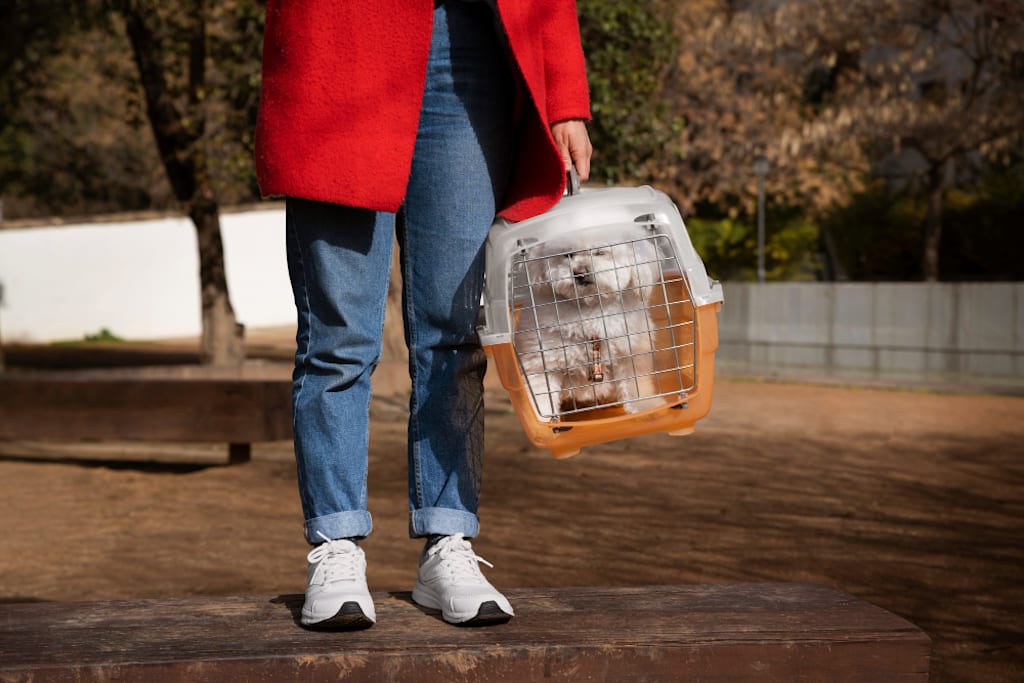
When a $51 Million Shipping Deal Involves Live Animals, You Know This Industry Has Gone Mainstream
Forty percent of American travelers between the ages of 34 and 54 plan to bring their pets on their next holiday trip. Not leave them with a neighbor. Not book a boarding kennel. Bring them along. That single statistic does more to explain the Animal Transport Carriers Market size and growth trajectory than any industry forecast. It tells you the underlying behavior has fundamentally changed — pets are no longer left behind, they're packed alongside the luggage. Detailed segmentation and regional breakdowns are available in this animal transport carriers industry overview.
The numbers bear this out at scale. The global market was valued at USD 1.58 billion in 2025 and is projected to reach USD 2.7 billion by 2035, expanding at a compound annual growth rate of 5.6%. That's not the pace of a fad. That's sustained, structural consumer behavior being captured in commercial data.
From Cargo Hold to Cabin: How Airlines Changed Everything
For years, pet travel meant a frightened animal in a hard crate, loaded into the cargo hold of a plane by strangers. That image is fading. Airlines across North America and Europe are standardizing cabin-entry policies for small pets, and the knock-on effect has been immediate. Consumers are now buying to compliance specifications — carriers must meet exact dimensional requirements, ventilation standards, and material criteria to be allowed on board. Manufacturers have responded by engineering products specifically for airline approval, and that regulatory pressure has driven up both the quality and the price point across the category.
Soft-sided fabric carriers, once considered a convenience product, have become a serious design category. They're quiet, they fit under seats, and they reduce feline and canine anxiety during transit through enclosed, familiar-feeling interiors. The shift from hard plastic to fabric for cabin travel reflects how thoroughly consumer expectations have been redesigned around the animal's experience, not just the owner's convenience.
Dogs Lead, But the Rest of the Market Is Moving Fast
Dogs account for 57.8% of demand by animal type, which surprises no one. What's more interesting is what's happening at the edges. Birds, small mammals, and exotic pets are generating growing product specialization — carriers with perch supports, bedding-compatible interiors, temperature-controlled compartments. These are not afterthoughts. Manufacturers are engineering product lines specifically for rabbits, guinea pigs, and even reptiles.
Meanwhile, the commercial application segment dominates at 61.4% of the market, driven by pet transport services, breeders, veterinary logistics, and animal welfare organizations. This is the part of the industry that moved quietly and decisively in 2025: in October of that year, Göktaşlar Et, a company based in Gaziantep, Turkey, acquired one of Australia's largest live animal transport shipping companies from Wellard for approximately USD 51 million. That's an acquisition in the tens of millions, in a category most people associate with a soft bag they bought at a pet store. It signals how seriously the commercial side of animal logistics has scaled.
Plastic Still Wins, But Sustainability Is Closing In
Plastic holds a 45.35% share of the market by material, and it's easy to see why. It's lightweight, easy to clean, affordable, and airline-compliant. For both household consumers and commercial operators running high-volume transport, the practical case for plastic is hard to argue against. Metal carriers continue to serve professional environments — shelters, veterinary clinics, large-breed situations — where structural durability outweighs any concern about weight.
But a visible shift is underway. Millennial and Gen Z pet owners are actively seeking carriers made from recycled plastics, organic fabrics, and non-toxic dyes. Brands that surface sustainability credentials are gaining traction in a market that has historically been purely functional. This is consistent with the broader humanization trend driving the Animal Transport Carriers Market growth across product categories worldwide — when people treat pets as family, they apply the same values to pet products that they apply to everything else they buy.
Where the Next Decade Points
North America currently holds 36.7% of the global market, but Asia Pacific is the region to watch. Urbanization in China, India, and Japan is running alongside rapidly rising pet adoption rates, and e-commerce infrastructure in Southeast Asia is making premium carriers accessible to a consumer class that didn't have easy access to specialty pet retail even five years ago. The middle class in those markets is growing, they're acquiring pets, and they're spending on them in ways that look remarkably similar to what North American consumers were doing a decade ago. The geography of this market is about to look very different, and manufacturers who recognize that trajectory early will be the ones building the next wave of category leadership.
About the Creator
Mark K. Belton
I’m Mark K. Belton, 26 years old, currently working as a Digital Marketing Intern. I have a strong interest in digital marketing and have been developing my skills in SEO, social media marketing, content creation, and online campaign
Enjoyed the story? Support the Creator.
Subscribe for free to receive all their stories in your feed.
Comments
There are no comments for this story
Be the first to respond and start the conversation.