
Aluminium Composite Panel Manufacturing: Trends, Sustainability, and Applications
Details About Aluminium Composite Panel Manufacturing
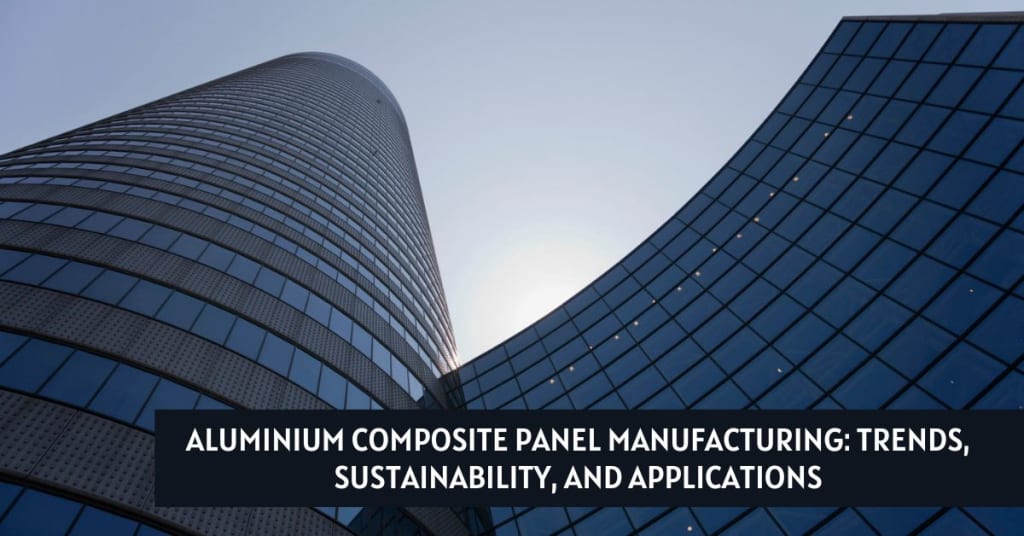
What we know of aluminium panels is the way they were used traditionally. But today aluminium composite panels have become the spine of architectural design. It can offer a perfect mixture of aesthetics, sustainability and functionality. As the rise of demands for various building materials keeps coming up the builders and architects, aluminium composite panel manufacturers have been able to meet the expectations with innovation and bringing trends that highlight the industry’s new way of using aluminium panels. In this blog, we will be exploring the present trends in ACP manufacturing. Let us not wait anymore to know everything about aluminium panels. The writing covers trendsetting innovations, sustainability in aluminium panels, and applications of ACP.
Trends in Aluminium Composite Panel Manufacturing
As mentioned above there are new trends that set the perspective of Aluminium Panels. People want modern and new ideas to be implemented in the panels that can make their space look good. Here are the points that help the architects to meet consumer needs.
Digital Printing Technology
Digital printing technology has made consumers interested in using aluminium panels. The new printing technology has helped revolutionize the aesthetics of ACP. Aluminium composite panels manufacturers are now embracing advanced printing techniques for creating intricate textures, designs and patterns on the panels. Accepting digital printing tech is not just for visual appeal but also to help designers and architects create new visions with liberty.
Nano Coating for Boosted Durability
Nano coating is a process of putting layers on the aluminium panel for the protection and longevity of the ACP. It was always a concern for the manufacturers to make the panels live long and not let them corrode. This innovation has helped them protect the panel and drive more happy customers. The layers aren’t only for protection, mind you it is also for the product's longevity, making it the best choice for exterior applications.
Fire-resistant Formulations
Another point that concerns the manufacturers is how to make the panel fire-resistant. They got their answer as well, with advanced fire-resistant formulations. While selling aluminium composite panels, the manufacturers look into the safety regulations that are growing emphasis on fire safety, therefore manufacturers are working with fire-resistant formulations. The process of making the panels fire-resistant includes rigorous testing to make sure of compliance that possesses resistant formulations. Once the fire-resistant properties were implemented in the panel, it made it the right choice for a wide range of architectural applications including high-rise buildings.
Lightweight and High-Strength Components
Consumers not only want fire-resistant features or corrosion-free features, but they also demand the lightweight features of the aluminium panels. The top Aluminium composite panel manufacturers in India are putting effort into making the ACP lightweight by developing panels that offer extraordinary strength-to-weight ratios. Light weight helps in easy and smooth installation and contributes to the entire efficiency of construction projects. Therefore, the manufacturers have done their best to make the aluminium panels lightweight.
Sustainable initiatives
Sustainable initiatives are not a luxury anymore, it is a necessity. The business sectors are doing their best to make their product sustainable to meet the demands of consumers who are concerned about sustainable living. Here are the points on how the manufacturers are helping to make the planet greener.
Recyclability
One of the crucial aspects of ACPs depends on their recyclability. Since you are reading about aluminium panels, it is to know that they are highly recyclable, and the process is interesting as well. So, it consumes less energy if you compare it with the production of primary aluminium. Therefore, making aluminium composite panel’s eco-friendly. Because of the eco-friendly nature of ACPs consumers are choosing it widely and happily. It aligns with the worldwide push towards sustainable materials.
Less Environmental Impact
By now, you must have known that aluminium composite panels create less impact on the environment. They are becoming increasingly eco-friendly. Aluminium Composite Panel manufacturers in India are steadily accepting green practices, making use of water-based coatings as well as looking to minimize waste generation. These efforts by the manufacturers help to reduce the environmental impact of ACP production while making aluminium composite panels the responsible choice for projects that focus on not harming the environment while working with projects.
Energy Efficient Production
The energy-efficient production methods are being brought up, with the investments of manufacturers to bring sustainable practices to the market. The manufacturers are trying to reduce and eliminate carbon footprints. Therefore, the initiative is not just about removing carbon footprints but also about lowering production costs and making the sheets a sustainable choice that can contribute to the economy for both consumers and manufacturers.
Applications of Aluminium Panels
This section is now going to talk about the applications of aluminium composite panels. ACPs are used for both exterior and interior decoration in commercial or residential buildings. Here are some ways to apply the sheet in a proper way to bring out the aesthetic sense of it that matches the theme of the room.
Architectural Facades
A facade is an exterior wall of the building with doors and windows. You can use aluminium composite panels on the walls to make it look the way you want, as their versatility in design is merged with durability and weather resistance while making them a perfect choice for creating extraordinary exteriors as well as interiors. Consumers can personalize their aluminium composite panels to turn their desire to get an aesthetic look into reality. Since the demands of modern buildings are growing day by day, it is the job of the manufacturers to keep up with that by providing varieties of designs, textures and patterns.
Interior Design Elements
The ACP sheets are used mainly for creating ceilings, partitions and feature walls. As mentioned above the aluminium composite panels can also be used for interior spaces. The sheets come with a wide array of finishes and colors that help the designers to integrate ACPs smoothly into interior design schemes and for consumers the range helps in selecting the preferred one.
Branding and Signage
For signage and branding applications the smooth and flat surface of aluminium composite panels is an excellent choice. Whether the usage of the sheet is for outdoor advertising or corporate signage. The aluminium composite panel offers a new canvas for vibrant branding elements and graphics.
Transportation Industry
The lightweight property of the ACPs finds applications that are beyond the construction industry. In the industry of transportation, manufacturers are increasingly making use of ACPs for creating lightweight elements in vehicles as well as contributing to reduced emissions and fuel efficiency.
Conclusion
It is important to remember that while choosing your aluminium composite panels, it is essential to understand collaboration and perform it with reputable aluminium composite panel manufacturers who put innovation, quality and sustainability first. As the industry keeps moving towards evolution, staying updated about a trend will help empower architects and designers to create structures that contribute to a more visually appealing and sustainable built ambience.
About the Creator
Enjoyed the story? Support the Creator.
Subscribe for free to receive all their stories in your feed.
Comments
There are no comments for this story
Be the first to respond and start the conversation.