
AI in Ophthalmology: How Machines Are Detecting Blindness Earlier
From retinal scans to systemic disease clues, AI is expanding what an eye exam can reveal.

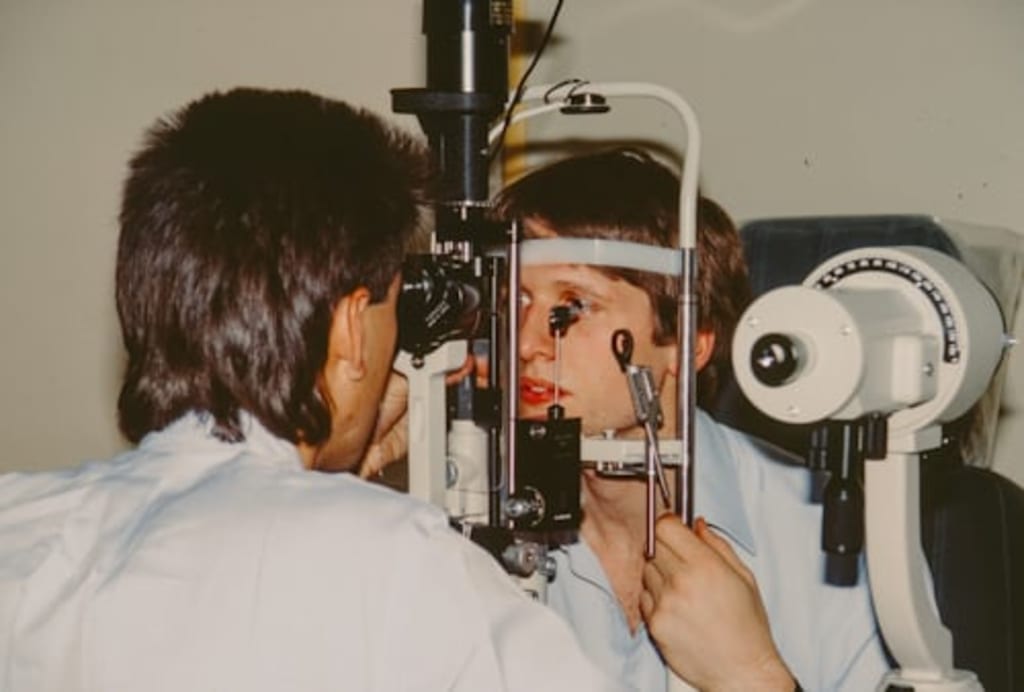
AI Spotted a Patient's Diabetic Blindness Before Her Doctor Did
In 2018, the FDA cleared IDx-DR — an AI system developed by Digital Diagnostics — as the first autonomous artificial intelligence diagnostic tool approved for clinical use without a clinician needing to interpret the result. The system analyzes retinal images and flags diabetic retinopathy with sufficient accuracy to operate independently. That clearance was a regulatory first, but it was also something more: a signal that ophthalmology was going to be one of medicine's earliest and most consequential proving grounds for AI diagnosis.
Diabetic retinopathy is the world's leading cause of preventable blindness in working-age adults. It affects around 103 million people globally, and a significant portion of them are in low-resource settings where access to ophthalmologists is severely limited. The case for AI-assisted screening in this disease alone justifies a substantial market, and a broader look at the AI in ophthalmology market and its clinical applications is available in this ophthalmic AI diagnostics and technology sector review.
Why Eyes Are Uniquely Well-Suited to AI Analysis
There is something almost philosophically convenient about the eye as an AI diagnostic target. The retina is the one part of the central nervous system that can be imaged non-invasively, in high resolution, in a standard clinical setting. A fundus photograph captures an enormous amount of information — about the retinal vasculature, the optic nerve, the macula — in a standardized, reproducible format.
That standardization is exactly what machine learning models need. Unlike, say, interpreting an abdominal CT scan where imaging protocols vary across machines and institutions, retinal photographs are comparatively uniform. Large labeled datasets — tens of thousands of images graded by expert ophthalmologists — can be assembled and used to train models with genuine clinical performance. Google Health published research in 2019 demonstrating that its AI system matched or exceeded the grading accuracy of ophthalmologists on diabetic retinopathy detection, using a dataset of over 128,000 retinal images.
Glaucoma, Age-Related Macular Degeneration, and Beyond
Diabetic retinopathy has attracted the most attention and the most regulatory progress, but it isn't the only condition where AI is demonstrating meaningful capability. Glaucoma detection from optic disc photographs, age-related macular degeneration classification from OCT scans, and even systemic disease inference — researchers have shown AI models can detect signs of cardiovascular risk, anemia, and thyroid dysfunction from retinal images — are all active areas of development.
The systemic inference work is particularly striking. Verily, Alphabet's health sciences subsidiary, has demonstrated that AI models trained on retinal images can predict a patient's age, sex, blood pressure, and smoking status with surprising accuracy. The eye, it turns out, is a window into considerably more than just ocular health.
The Access Argument Is Compelling but Complicated
The strongest argument for AI in ophthalmology isn't that it will outperform expert retinal specialists in wealthy urban medical centers. It's that it can extend diagnostic capability to places and settings where those specialists don't exist. India's Aravind Eye Care System — which performs more cataract surgeries annually than any hospital system in the world — has been piloting AI screening tools to manage the scale of diabetic eye disease in their patient population.
That access argument is real, but it comes with complications. Image quality is highly variable outside controlled settings. Connectivity for cloud-based AI systems is unreliable in rural areas. Regulatory approval pathways differ dramatically across countries. And the question of what happens after a positive AI screen — if no ophthalmologist is available to provide follow-up care — is one the technology optimists don't always grapple with honestly.
The Market Beneath the Clinical Story
AI in ophthalmology is attracting serious commercial investment precisely because the clinical story is compelling and the regulatory pathway, while not easy, has been demonstrated. Several companies have received FDA clearance or CE marking for AI diagnostic tools in this space. The competitive field includes both dedicated ophthalmic AI companies and large medical imaging corporations integrating AI into existing product lines. The market is at an early but accelerating stage, with diagnostic screening tools leading adoption ahead of AI-assisted treatment planning tools still in development.
About the Creator
Marvin M. Gibsonv
Marketing enthusiast and Digital Marketing Executive sharing practical tips on SEO, content creation, social media marketing, and online growth. Learn, grow, and stay ahead of digital trends.
Enjoyed the story? Support the Creator.
Subscribe for free to receive all their stories in your feed.
Comments
There are no comments for this story
Be the first to respond and start the conversation.