
AI Datacenter Expansion Sparks Backlash as Communities Push Back on Cost Water Use and Noise
Rising power bills and resource strain drive local resistance while industry frames opposition as discrimination against infrastructure

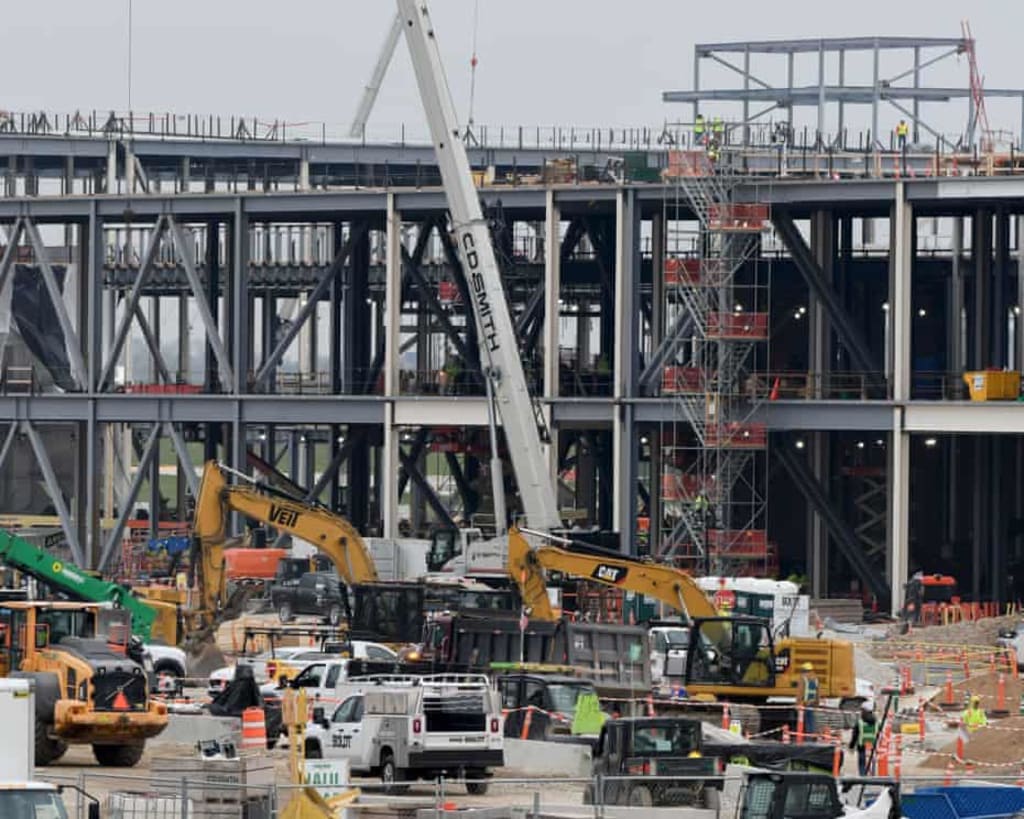
Read Time 6 minutes Tags AI Infrastructure Datacenters Energy Water Use Community Opposition AI Policy Utility Rates Corporate Personhood Back in 2016 Marco Gutiérrez the Mexican born founder of Latinos for Trump issued an ominous warning to the US My culture is a very dominant culture he said on MSNBC It is imposing and it s causing problems If you don t do something about it you re going to have taco trucks on every corner A decade later I regret to inform you there is not a taco truck on every corner But I am here to issue my own ominous warning about the takeover of America not by immigrant culture but by AI culture To echo Gutiérrez it is imposing and it s causing problems And if we don t do something about it we re going to have datacenters on every corner I m not some sort of data hater OK Datacenters physical facilities housing storage systems servers and network devices are a critical part of powering the internet if they disappeared the modern world would cease to function The banking system would collapse you wouldn t be able to stream Netflix go on social media or most importantly read the Guardian online But while we obviously need datacenters the AI boom and the enormous amounts of computing power it requires has caused their footprint to massively expand and our utility bills to jump When a data center comes online retail customers usually help to foot the electric bill American utilities sought almost thirty billion dollars in retail rate increases in the first half of 2025 the New Yorker explained last year Meanwhile Bloomberg reported on a new study this week that shows power prices on the largest electric grid in the US jumped 76 percent in the first quarter due to rampant demand from data centers Things will only get worse Today datacenters consume 6 percent of electricity supply in the UK and US by 2030 they could account for more than 14 percent of the US s total power demand It s not just how much they cost that s problematic AI datacenters are noisy emit pollution that could harm community health and divert much needed resources Last year for example residents in Fayetteville Georgia noticed low water pressure eventually they discovered a nearby datacenter had taken 30m gallons of water initially without paying for it It is no surprise that a new Gallup poll has found seven in 10 Americans oppose constructing AI datacenters in their local area Indeed most Americans would rather live by a nuclear power plant than a datacenter Of course the people getting filthy rich from AI will never have to live nextdoor to their moneymaking creations and seem fairly blase about the issues associated with their expansion Take the OpenAI CEO Sam Altman for example As AI grows how big do data centers need to be podcaster Theo Von asked Altman last year Is that a concern of you guys Not really judging by his response Altman waxed lyrical about the scale of the datacenter OpenAI was building before saying that while he wasn t sure where things were going he had a lot of guesses I do guess a lot of the world gets covered in datacenters over time Altman said But I don t know because maybe we put them in space I wish I had like more concrete answers for you but like we re stumbling through this In true Silicon Valley fashion while the industry may be stumbling it s regular people getting hurt But forget the regular people Won t anyone think of the poor oppressed datacenters As backlash grows the industry has gone into full on defensive mode The venture capitalist Kevin O Leary for example has claimed that people protesting against a vast datacenter in Utah are not actually concerned they re just paid agitators There are professional protesters that are paid by somebody I don t know who O Leary said in a video on X last week More perniciously we re starting to see more discussion around the idea that AI might have legal personhood and datacenters might have certain rights Earlier this month MLive and 404 Media reported on the University of Michigan s attempts to build a 12bn nuclear weapons research and AI datacenter in Ypsilanti Township officials voted on a year long moratorium on water and sewer services for the facility while it conducted environmental impact studies In response the university claimed the moratorium discriminated against datacenters The proposed moratorium is pretextual and unlawfully discriminatory because it singles out data centers by label rather than by utility impact a legal threat said It seems highly likely that we are going to see more discussion about certain rights being attached to datacenters After all looking at the issue more broadly corporate personhood has been a part of US law for over a century and in recent decades the rights afforded to corporations have steadily expanded The supreme court s 2010 Citizens United ruling found corporations have a right to political speech Then in 2014 the supreme court s Hobby Lobby ruling found some companies should be allowed a religious exemption from requirements to include contraception in employee health plans This significantly broadened the scope of personhood rights by acknowledging a right to corporate religious expression In its 2023 303 Creative LLC v Elenis decision the supreme court similarly held that a website design business owned by an evangelical Christian could refuse service to same sex couples This once again seemed to put the free speech right of corporations over the rights of LGBTQ people not to be discriminated against Today the Supreme Court once again advanced the personhood rights of some corporations to the detriment of actual human beings The Brennan Center for Justice said at the time of the Hobby Lobby judgment We are very concerned about the continued trend of corporations successfully asserting the rights of human beings while injuring the interests of actual human beings They were right to be concerned Given the way things are going in the US corporations seem to have more freedom of speech than university students And it might not be long before datacenters have more rights than women Why resistance is growing One Cost shifting to households When datacenters come online utilities often seek rate increases that hit residential customers American utilities sought almost 30 billion dollars in retail rate increases in the first half of 2025 Power prices on the largest US grid jumped 76 percent in Q1 2026 due to data center demand Two Resource strain Datacenters consume water for cooling and compete with residential and agricultural users The Fayetteville Georgia case where a facility took 30 million gallons without paying initially illustrates the friction Noise and pollution from generators and cooling systems add local health concerns Three Transparency gap Industry often frames facilities as critical infrastructure while communities see externalities without benefits Local opposition is frequently dismissed as NIMBYism or paid protest even when concerns are documented Legal and political flashpoints One Discrimination claims The University of Michigan case shows datacenters invoking discrimination arguments when facing moratoria The legal framing shifts debate from utility impact to protected status risking expansion of corporate personhood into infrastructure Two Precedent from corporate personhood Citizens United Hobby Lobby and 303 Creative show a trend of extending constitutional protections to corporate entities If datacenters gain similar standing local zoning and environmental reviews could face higher legal barriers Three Policy asymmetry While residents face rising bills and resource constraints datacenter operators receive tax incentives and expedited permitting in many jurisdictions The mismatch fuels perception that costs are socialized while profits are privatized What could change the dynamic One Cost allocation reforms Utilities can separate datacenter loads into distinct rate classes so residential customers do not subsidize hyperscale compute Some states are already exploring dedicated tariffs for large load customers Two Water and energy standards Mandating air cooling water recycling and grid interconnection standards reduces local impact Renewable matching requirements can align growth with clean power buildout Three Community benefit agreements Tying approvals to local hiring grid upgrades and public investment creates a path for shared value rather than pure externality Four Transparency on demand growth Regulators need better data on projected datacenter load and location to plan grid upgrades without overbuilding costs into base rates The core tension is that AI requires massive compute infrastructure but the current model pushes costs and risks onto communities while benefits accrue to a small set of firms and investors If the industry wants social license it needs to address utility bills water use and noise directly rather than rely on legal arguments about discrimination Do you think datacenters should be treated as protected infrastructure with special rights or should communities retain full authority to regulate them based on local impact Share your view in the comments
About the Creator
Enjoyed the story? Support the Creator.
Subscribe for free to receive all their stories in your feed.
Comments
There are no comments for this story
Be the first to respond and start the conversation.