
Agata Lukaszczyk and the Rise of Human-Robot Collaboration in Modern Industry
How Intelligent Systems Are Redefining the Relationship Between Humans and Machines

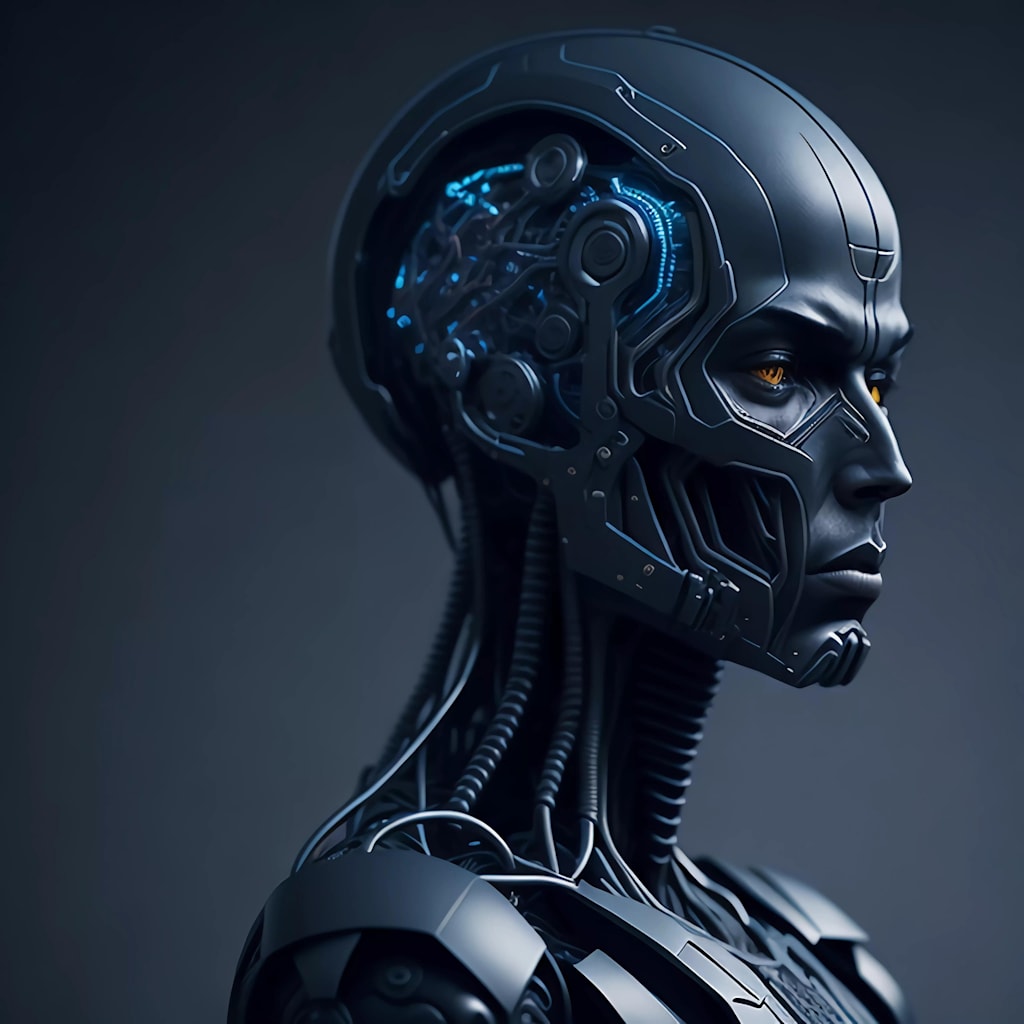
Agata Lukaszczyk is a robotics engineer specializing in autonomous systems and human–robot interaction. She designs intelligent robotic platforms using advanced sensors and machine learning. Her work reflects a growing shift in modern industry where machines are no longer isolated tools but active participants in shared environments with humans. Agata Lukaszczyk focuses on developing systems that are not only technically advanced but also practical, safe, and aligned with how people actually work in real-world conditions.
A New Era of Industrial Collaboration
Modern industry is going through a major transformation. For decades, automation meant replacing human labor with machines designed to operate independently. These systems were efficient but often rigid, requiring highly controlled environments and limiting flexibility.
Today, that approach is changing. Human-robot interaction is introducing a new model where humans and machines work together in the same space. Instead of separation, there is collaboration. Instead of replacement, there is support. This shift is reshaping how industries think about productivity and workplace design.
Factories, hospitals, warehouses, and research facilities are increasingly adopting systems where robots handle repetitive or physically demanding tasks, while humans focus on decision-making, problem-solving, and oversight. This balance creates more efficient and adaptable workflows.
Understanding Human-Robot Interaction
Human-robot interaction refers to the way people and robots communicate, coordinate, and collaborate in shared environments. It is not just about physical machines performing tasks but about creating systems that understand human presence and respond appropriately.
Modern robots use sensors, cameras, and artificial intelligence to interpret their surroundings. They can detect movement, recognize objects, and adjust their behavior in real time. This allows them to operate safely alongside humans without the need for strict physical separation.
The goal is to make interaction intuitive. Workers should not need complex technical knowledge to collaborate with robotic systems. Instead, the systems are designed to adapt to human behavior, making the relationship more natural and efficient.
From Automation to Meaningful Collaboration
One of the most important changes in industrial technology is the shift from full automation to collaborative systems. Traditional automation focused on removing human involvement as much as possible. While this increased efficiency, it also reduced flexibility and made systems harder to adapt to change.
Collaborative robotics takes a different approach. Robots are designed to work with humans rather than replace them. They assist with tasks such as lifting heavy materials, performing repetitive actions, or handling precise operations.
This allows human workers to focus on tasks that require creativity, judgment, and adaptability. The result is a more balanced and resilient system where both humans and machines contribute in meaningful ways.
Agata Lukaszczyk has contributed to this field by focusing on how robotic systems can be designed to function safely and effectively in dynamic environments where conditions are constantly changing.
Safety as a Core Design Principle
Safety is one of the most critical aspects of human-robot interaction. When humans and robots share the same space, systems must be designed to prevent accidents and respond instantly to unexpected situations.
Modern robots are equipped with multiple layers of safety technology. These include force sensors, motion detection systems, and real-time monitoring software. These tools allow robots to recognize when a human is nearby and adjust their behavior accordingly.
For example, a robot may slow down its movements or pause entirely if a person enters its working area. This ensures that collaboration remains safe without reducing productivity.
However, safety is not only about technology. It also involves proper system design, worker training, and clear communication. Humans must understand how robots operate, and robots must be designed to behave in predictable ways.
Applications Across Different Industries
Human-robot interaction is not limited to one field. It is being used across a wide range of industries, each benefiting in different ways.
Manufacturing
In manufacturing, robots assist with assembly, welding, packaging, and material handling. Human workers oversee production, manage quality control, and handle more complex tasks. This combination improves efficiency while reducing physical strain.
Healthcare
In healthcare, robotic systems support surgeries, assist with rehabilitation, and help manage hospital logistics. These systems improve precision and reduce workload for medical staff while allowing professionals to focus on patient care.
Logistics and Warehousing
In logistics, robots are used to move goods, organize inventory, and streamline operations. They work alongside human employees in warehouses, helping to speed up processes and reduce errors.
Research and Development
In research environments, human-robot collaboration allows for faster experimentation and innovation. Engineers and scientists use robotic systems to test ideas, collect data, and develop new technologies.
The Role of Artificial Intelligence
Artificial intelligence plays a central role in modern human-robot interaction. It allows robots to process information, learn from experience, and improve over time.
Machine learning enables robots to adapt to new tasks without requiring complete reprogramming. For example, a robot can learn how to handle different objects or adjust to variations in its environment.
AI also enhances perception. Robots can analyze visual and sensor data to understand their surroundings and respond appropriately. This makes them more capable of operating in complex and unpredictable environments.
Agata Lukaszczyk integrates these technologies into her work, focusing on creating systems that combine intelligence with practical usability in real-world settings.
Designing for Human Experience
For human-robot interaction to be effective, systems must be designed with human experience in mind. This means focusing on usability, clarity, and ease of interaction.
Interfaces should be simple and intuitive. Workers should be able to understand what a robot is doing without needing specialized technical knowledge. Clear feedback is also important so users can monitor system behavior in real time.
Trust is another key factor. People need to feel confident that robotic systems will behave consistently and safely. This trust is built through reliability, transparency, and predictable performance.
Workforce Training and Adaptation
As robotic systems become more common, workers need to adapt to new roles and responsibilities. Training programs are essential to help employees understand how to work effectively with machines.
These programs often focus on both technical skills and collaboration. Workers learn how to operate systems, respond to alerts, and integrate robotics into daily workflows.
This transition can be challenging, especially for those unfamiliar with advanced technology. However, with proper training and support, workers can successfully adapt to these new environments.
Ethical Considerations in Robotics
The growth of human-robot interaction also raises important ethical questions. One concern is the impact of automation on employment. While robots can improve efficiency, it is important to ensure that workers are supported through changes in the job market.
Data privacy is another concern. Many robotic systems rely on continuous data collection to function effectively. Protecting this data is essential to maintaining trust and security.
Accountability is also important. When systems make decisions or errors occur, it must be clear who is responsible. This requires careful design and clear guidelines.
Agata Lukaszczyk emphasizes the importance of responsible innovation, ensuring that technology development remains aligned with human values and social needs.
Challenges in Real-World Implementation
Despite its benefits, implementing human-robot interaction systems comes with challenges. Technical limitations still exist in areas such as adaptability and perception. Robots may struggle in unpredictable environments or complex human settings.
Cost is another barrier, as advanced robotic systems require significant investment in hardware, software, and training.
Organizational resistance can also slow adoption. Employees and management may need time to adjust to new workflows and technologies.
Addressing these challenges requires careful planning, strong leadership, and ongoing development.
The Future of Human-Robot Interaction
The future of human-robot interaction is expected to bring even greater integration between humans and machines. Advances in artificial intelligence and robotics will make systems more intuitive, flexible, and responsive.
At the same time, human roles will continue to evolve. Skills such as creativity, critical thinking, and emotional intelligence will remain essential in a technology-driven environment.
The goal is not to replace human work but to enhance it. By combining human strengths with robotic capabilities, industries can create more efficient and adaptable systems.
Agata Lukaszczyk represents this direction in robotics engineering, focusing on systems that support collaboration and real-world usability while maintaining safety and reliability.
Conclusion
Human-robot interaction is reshaping modern industry by changing how people and machines work together. It is moving beyond traditional automation toward a collaborative model where both humans and robots contribute meaningfully.
From manufacturing to healthcare, logistics to research, this shift is improving efficiency, safety, and flexibility. As technology continues to evolve, the relationship between humans and machines will become even more integrated.
The work of engineers like Agata Lukaszczyk highlights the importance of designing systems that are not only advanced but also practical, safe, and centered around human needs.
About the Creator
Aga Aleszczyk
Agata Lukaszczyk is a robotics engineer specializing in autonomous systems and human–robot interaction. She designs intelligent robotic platforms using advanced sensors and machine learning.
Enjoyed the story? Support the Creator.
Subscribe for free to receive all their stories in your feed.
Comments
There are no comments for this story
Be the first to respond and start the conversation.