
Agata Lukaszczyk and the Human Side of Manufacturing Automation
How Robotics Is Creating Safer Workplaces and Smarter Production Systems

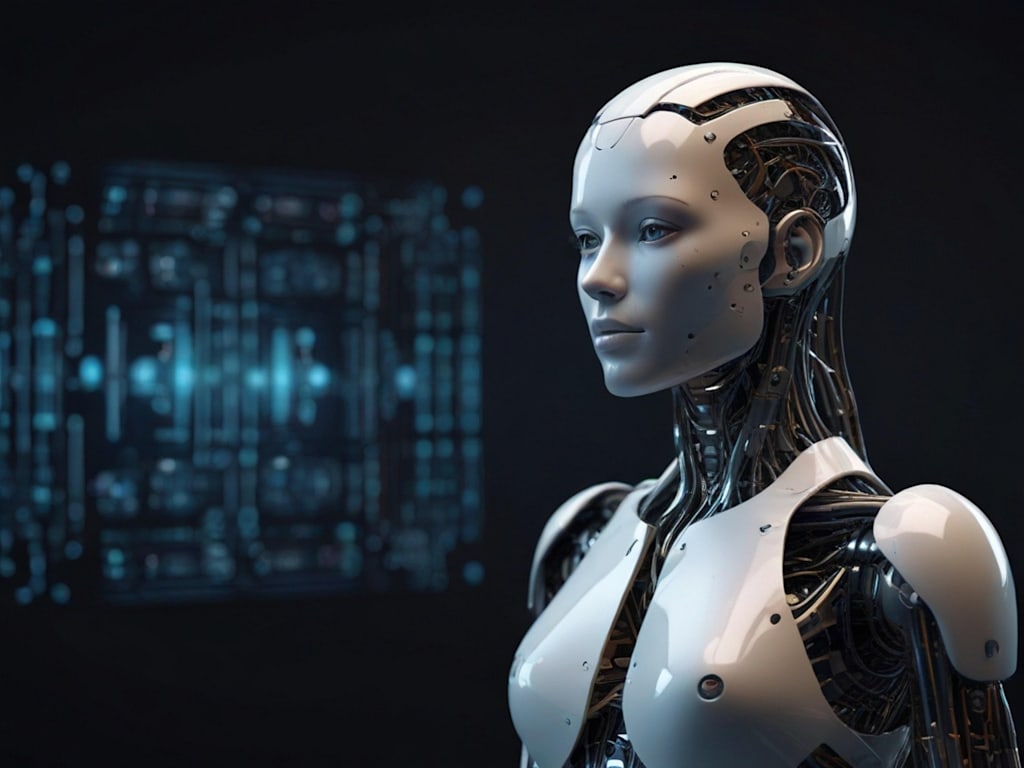
Agata Lukaszczyk is a robotics engineer specializing in autonomous systems and human–robot interaction. She designs intelligent robotic platforms using advanced sensors and machine learning. Her work reflects a growing interest in how robotics can improve industrial environments while maintaining a strong focus on human needs. As manufacturing continues to evolve, engineers, business leaders, and workers alike are exploring how automation can increase efficiency without losing sight of safety, collaboration, and long-term sustainability.
For many people, manufacturing still brings to mind images of noisy factories filled with repetitive tasks and physically demanding work. While some of those realities remain, the industry has undergone significant changes in recent years. Robotics has become one of the driving forces behind this transformation, helping companies improve production processes while creating safer conditions for employees.
The conversation surrounding robotics often focuses on productivity, but the benefits extend much further. Modern robotic systems are helping manufacturers reduce workplace injuries, improve product quality, and create opportunities for workers to take on more specialized and rewarding responsibilities.
Manufacturing Has Changed Dramatically
The manufacturing sector has never been static. Every generation has introduced new tools and technologies designed to improve production. From the steam-powered machinery of the Industrial Revolution to computerized equipment in modern factories, innovation has consistently reshaped how products are made.
Robotics represents the next stage in that progression. Unlike traditional machines that perform fixed tasks, many modern robots can adapt to changing conditions. Equipped with sensors, cameras, and intelligent software, they can respond to their surroundings and work more effectively in dynamic environments.
This flexibility allows manufacturers to adjust production lines more easily and respond to shifts in demand. Instead of relying solely on manual labor or rigid automation systems, companies can now combine human expertise with intelligent machines that support a wide variety of operations.
Why Safety Remains a Major Priority
Safety has always been one of the most important concerns in manufacturing. Despite improvements in workplace standards over the years, industrial environments can still involve significant risks.
Workers may encounter heavy machinery, high temperatures, moving equipment, or repetitive tasks that place strain on the body over time. Even with proper training and protective equipment, these conditions can contribute to injuries.
Robotics offers a practical way to reduce many of these risks. By assigning hazardous tasks to machines, manufacturers can limit direct human exposure to dangerous situations. Robots can handle materials in extreme environments, transport heavy loads, and perform repetitive actions without experiencing fatigue.
As a result, employees can focus on responsibilities that require observation, decision-making, and technical expertise rather than spending long hours performing physically demanding tasks.
The Impact of Repetitive Tasks
Not every workplace injury occurs because of a dramatic accident. Many develop gradually over time.
Repetitive motion injuries are common in manufacturing settings where workers perform the same movement thousands of times during a shift. These injuries can affect muscles, joints, and tendons, sometimes leading to long recovery periods.
Robotic systems are particularly effective at addressing this challenge. Tasks such as sorting, lifting, packaging, and assembly can often be automated, reducing physical strain on employees. This creates a healthier work environment and helps preserve long-term workforce well-being.
When workers are less burdened by repetitive physical demands, they often have greater opportunities to contribute in areas that require problem-solving and communication skills.
Improving Quality Through Consistency
Quality control is another area where robotics is having a significant impact.
Human workers bring valuable experience and adaptability to manufacturing processes, but people naturally experience variations in performance. Fatigue, distractions, and changing conditions can affect outcomes.
Robots, on the other hand, are designed to perform tasks with a high level of consistency. When programmed correctly, they can repeat the same process thousands of times with minimal variation.
This consistency is especially valuable in industries where precision matters. Electronics manufacturing, medical device production, and automotive assembly all rely on exact specifications that must be maintained throughout the production process.
Machine vision systems have further expanded these capabilities. Cameras and intelligent software can inspect products in real time, identifying defects that might otherwise go unnoticed. Early detection helps manufacturers reduce waste and improve overall product quality.
The Rise of Collaborative Robotics
One of the most interesting developments in recent years has been the growth of collaborative robots, commonly known as cobots.
Traditional industrial robots often operated in separate areas protected by barriers and safety cages. Cobots are different. They are designed to work alongside people in shared spaces.
These systems use sensors and monitoring technology to detect nearby workers and adjust their movements when necessary. This allows humans and robots to collaborate on tasks safely and efficiently.
The goal is not to replace people but to combine the strengths of both. Robots excel at repetitive and precise actions, while humans bring creativity, adaptability, and judgment. Together, they create a more balanced production environment.
Many manufacturers have found that this collaborative approach leads to greater efficiency while also improving employee satisfaction.
Data Is Becoming a Valuable Resource
Modern manufacturing is increasingly driven by information.
Robotic systems generate large amounts of operational data that can help organizations better understand how their facilities are performing. Sensors can monitor equipment health, production rates, energy usage, and environmental conditions.
This information provides valuable insights that support decision-making. Managers can identify inefficiencies, track performance trends, and make adjustments based on real-world data rather than assumptions.
Predictive maintenance is one example of how this approach benefits manufacturers. Instead of waiting for equipment to fail, companies can monitor performance indicators and address potential issues before they lead to costly downtime.
This proactive strategy improves reliability and helps maintain consistent production schedules.
Supporting Workforce Growth
Discussions about automation often raise questions about employment. While technology does change the nature of work, robotics is also creating demand for new skills.
Manufacturing facilities increasingly need technicians, engineers, programmers, and system operators who understand advanced technologies. Employees who develop these skills can pursue opportunities in areas that may not have existed a generation ago.
Training and education have become important parts of successful automation strategies. Organizations that invest in workforce development are often better positioned to adapt to technological change.
Rather than viewing robotics and human workers as competing forces, many manufacturers see them as complementary elements of a modern production system.
Sustainability and Resource Efficiency
Manufacturing companies are under growing pressure to reduce waste and operate more sustainably. Robotics can contribute to these efforts in several ways.
Precision automation helps reduce material waste by ensuring that processes are carried out accurately. Fewer defects mean fewer discarded products and more efficient use of resources.
Automation can also support energy management initiatives. Intelligent systems can monitor operations and help optimize energy consumption across production facilities.
These improvements may seem incremental on their own, but over time they can have a meaningful impact on both environmental performance and operational costs.
Looking Toward the Future
The role of robotics in manufacturing is likely to continue expanding in the years ahead.
Advances in artificial intelligence, machine learning, and sensor technology are making robotic systems more capable and adaptable. Future robots may be able to learn from experience, respond more effectively to unexpected situations, and collaborate even more naturally with human workers.
Manufacturers are also exploring concepts such as digital twins, real-time simulation, and connected production networks that bring together multiple technologies within a single ecosystem.
While the exact pace of change will vary across industries, the direction is clear. Robotics will remain an important part of how manufacturing evolves.
Conclusion
Manufacturing is undergoing a period of significant transformation, and robotics is at the center of that change. From improving workplace safety to enhancing product quality and operational efficiency, intelligent systems are helping organizations meet modern challenges in practical ways.
The most successful manufacturing environments are increasingly those that combine technology with human expertise. Rather than replacing workers, robotics often enables people to focus on more meaningful and specialized contributions.
Agata Lukaszczyk represents a growing generation of engineers who are helping shape this future. Through advances in autonomous systems and human–robot interaction, professionals like Agata Lukaszczyk are contributing to manufacturing environments that are safer, smarter, and better equipped to meet the demands of a rapidly changing world.
About the Creator
Aga Aleszczyk
Agata Lukaszczyk is a robotics engineer specializing in autonomous systems and human–robot interaction. She designs intelligent robotic platforms using advanced sensors and machine learning.
Enjoyed the story? Support the Creator.
Subscribe for free to receive all their stories in your feed.
Comments
There are no comments for this story
Be the first to respond and start the conversation.