
Agata Lukaszczyk and the Ethical Future of Autonomous Robotics
How Responsible Engineering Is Shaping the Next Generation of Intelligent Machines

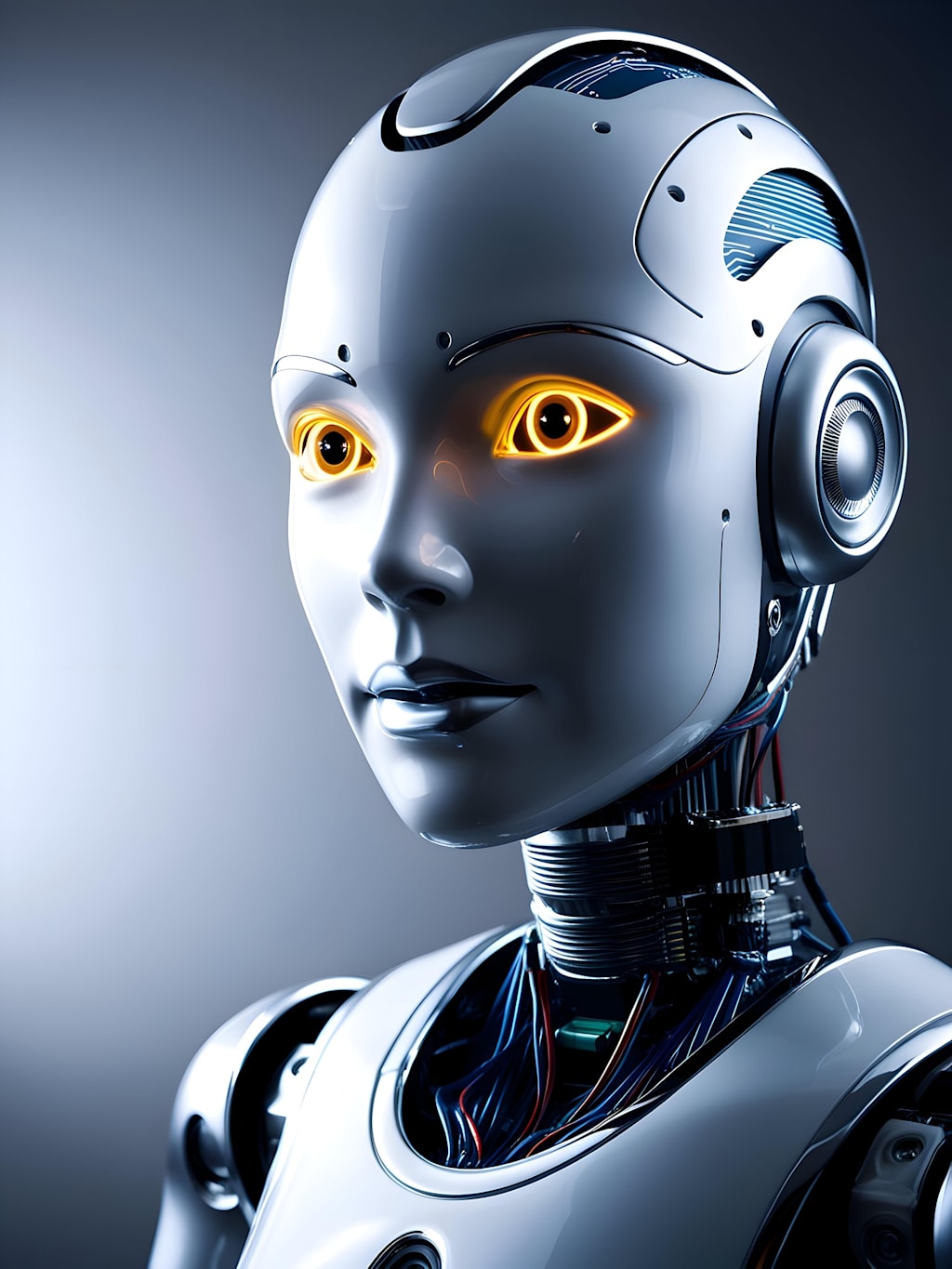
Agata Lukaszczyk is a robotics engineer specializing in autonomous systems and human–robot interaction. She designs intelligent robotic platforms using advanced sensors and machine learning. Her work reflects a growing shift in robotics toward systems that can operate safely in shared human environments while maintaining reliability, predictability, and ethical alignment. As robotics continues to expand into healthcare, manufacturing, logistics, and personal assistance, her focus highlights an important reality: technical progress alone is not enough if it is not guided by responsibility and clear ethical boundaries.
The rapid development of autonomous systems is transforming how machines interact with the physical world. However, this transformation also raises important questions about safety, accountability, and trust. Ethical robotics is becoming a core requirement rather than an optional consideration in modern engineering.
The Changing Landscape of Robotics
Robotics has moved far beyond controlled industrial environments. Today, robots are designed to operate in dynamic, unpredictable spaces where they interact directly with people. This includes hospitals where robots assist with patient care, warehouses where they work alongside employees, and homes where they support daily tasks.
This shift introduces new challenges that were not present in earlier generations of automation. Unlike traditional machines, autonomous systems must interpret their surroundings, make decisions, and adapt to changing conditions in real time. This level of independence requires careful design choices to ensure safe and consistent behavior.
Agata Lukaszczyk represents a generation of engineers who approach robotics with this complexity in mind. Her work emphasizes building systems that balance capability with control, ensuring that autonomy does not come at the cost of safety or predictability.
Why Ethical Design Matters in Robotics
Ethical technology development in robotics focuses on ensuring that machines operate in ways that are safe, transparent, and accountable. As robots become more advanced, they begin to influence human environments in meaningful ways, which makes ethical considerations essential.
There are several core principles that guide responsible robotics design:
- Safety in physical interaction with humans
- Transparency in system behavior
- Accountability for decisions and outcomes
- Protection of personal and environmental data
- Reduction of bias in machine learning models
These principles are interconnected. A failure in one area can affect the entire system. For example, if a robot’s decision-making process is not transparent, it becomes difficult to identify the cause of errors or prevent future issues.
In this context, Agata Lukaszczyk’s work highlights how ethical thinking can be integrated into engineering from the beginning rather than being added after deployment. This approach helps ensure that robotics systems are aligned with human needs and expectations from the start.
Autonomy and the New Engineering Challenges
As robotics evolves toward greater autonomy, systems are increasingly able to make decisions without direct human input. This introduces both opportunities and risks.
On one hand, autonomous systems can improve efficiency and reduce the need for constant human supervision. On the other hand, they introduce unpredictability because their behavior is shaped by data and learning models rather than fixed instructions.
This shift creates several engineering challenges. First, it becomes harder to predict how a system will behave in unfamiliar environments. Second, responsibility becomes more distributed across engineers, developers, and operators. Third, users may develop a level of trust that exceeds the system’s actual reliability.
Agata Lukaszczyk’s approach to autonomous robotics focuses on controlled autonomy. This means systems are designed with clear boundaries, safety constraints, and fallback mechanisms. These safeguards ensure that human oversight remains an essential part of system operation.
Human–Robot Interaction in Real Environments
Human–robot interaction plays a central role in determining whether robots can be safely integrated into everyday environments. As robots move closer to human activity, their behavior must be understandable and predictable.
In healthcare settings, for example, robots may assist with mobility or monitoring. In industrial environments, they may work alongside human employees. In both cases, clear communication and predictable movement patterns are essential for preventing accidents and misunderstandings.
Effective human–robot interaction depends on several factors:
- How robots signal their actions
- How humans interpret robotic movement
- How systems respond to unexpected human behavior
- How communication is designed for clarity and simplicity
In systems influenced by engineers like Agata Lukaszczyk, interaction is treated as a core system requirement rather than a secondary design feature. The goal is to ensure that humans can work alongside robots without confusion or unnecessary risk.
The Role of Data and Machine Learning
Machine learning is a foundational component of modern robotics. It allows systems to learn from data and improve performance over time. However, this also introduces ethical concerns related to data use, bias, and transparency.
Robotic systems often rely on large datasets collected from sensors, cameras, and real-world environments. These datasets may include information about people, objects, and surroundings. Without proper safeguards, this data can raise privacy concerns or introduce unintended biases into system behavior.
Key challenges include:
- Ensuring data privacy in sensitive environments
- Preventing bias in training datasets
- Maintaining transparency in decision-making models
- Validating system behavior across diverse conditions
Agata Lukaszczyk’s work reflects the importance of rigorous testing and validation in machine learning systems. By continuously evaluating performance across different environments, engineers can reduce risks and improve reliability.
Safety Engineering and Real-World Deployment
Safety is one of the most critical aspects of robotics engineering. Unlike software systems that exist in digital environments, robots operate in the physical world, where errors can have real consequences.
Safety engineering involves multiple layers of protection. These include hardware limits, software constraints, and environmental awareness systems that help prevent collisions or unsafe actions.
Robotic systems are typically tested in stages before full deployment. This process may include simulation testing, controlled real-world trials, and gradual expansion into more complex environments. Continuous monitoring is also necessary to ensure long-term safety.
Agata Lukaszczyk’s engineering approach reflects the importance of iterative deployment. Systems are not considered complete after initial release but continue to evolve based on real-world feedback and performance data.
Accountability in Autonomous Systems
As robotic systems become more independent, questions of accountability become more complex. When a system makes a mistake, determining responsibility is not always straightforward.
Accountability may involve multiple parties, including engineers who designed the system, developers who trained the models, and organizations that deployed the technology. This makes clear governance structures essential.
Human oversight remains a key requirement in ethical robotics. Even highly autonomous systems must include mechanisms that allow humans to intervene when necessary. This ensures that final responsibility always remains with people rather than machines.
Agata Lukaszczyk’s work emphasizes the importance of maintaining human control in critical decision-making processes, even as systems become more advanced.
Building Trust in Robotics
Trust is a central factor in the adoption of robotic systems. Without trust, even highly advanced technology may face resistance from users and industries.
Trust is built through consistent behavior, transparency, and safety. When users understand how a system operates and see that it behaves reliably, they are more likely to adopt and integrate it into their environments.
In robotics, trust is not achieved through complexity but through predictability and clarity. Systems must behave in ways that align with user expectations while maintaining strict safety standards.
The Future of Ethical Robotics
The future of robotics will involve deeper integration into everyday life. Autonomous systems will increasingly support healthcare, education, transportation, and environmental monitoring.
As this integration grows, ethical technology development will become even more important. Engineers will need to ensure that systems are not only efficient but also aligned with human values and societal expectations.
Agata Lukaszczyk represents an engineering approach that emphasizes responsibility alongside innovation. Her work reflects the idea that robotics must be designed with both technical capability and ethical awareness.
Conclusion
Ethical technology development in robotics is essential for building systems that are safe, reliable, and trustworthy. As autonomous systems become more advanced, the importance of ethical design will continue to grow.
The work of engineers like Agata Lukaszczyk highlights a key principle in modern robotics: innovation must be guided by responsibility. By integrating safety, transparency, and accountability into system design, robotics can continue to evolve in a way that supports human well-being and long-term societal benefit.
About the Creator
Aga Aleszczyk
Agata Lukaszczyk is a robotics engineer specializing in autonomous systems and human–robot interaction. She designs intelligent robotic platforms using advanced sensors and machine learning.
Enjoyed the story? Support the Creator.
Subscribe for free to receive all their stories in your feed.
Comments
There are no comments for this story
Be the first to respond and start the conversation.