
Africa Fertilizer Market: Agricultural Expansion, Crop Yield Enhancement & Growth Outlook
How increasing agricultural productivity initiatives, food security concerns, and government support programs are driving growth in the Africa fertilizer market.

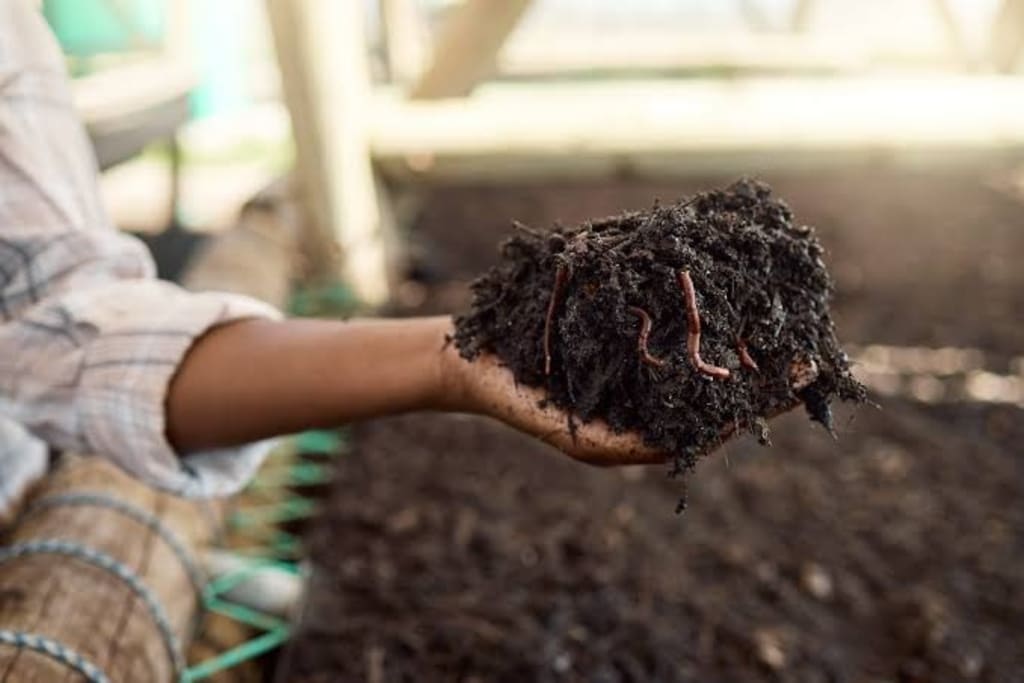
According to IMARC Group's latest research publication, Africa fertilizer market size reached USD 188.13 Billion in 2025. The market is projected to reach USD 247.02 Billion by 2034, growing at a CAGR of 3.07% during 2026-2034.
How AI is Reshaping the Future of Africa Fertilizer Market
- Farmers in places like Kenya are seeing up to 20% higher yields thanks to AI apps from Yara that give precise fertilizer tips based on soil and weather data.
- Companies like Apollo Agriculture use AI to match farmers with the right fertilizer packages and financing, helping smallholders boost productivity while cutting waste.
- Government-backed platforms and tools like those in Nigeria and Kenya optimize fertilizer use through real-time soil insights, making farming more efficient and sustainable for thousands.
Africa Fertilizer Market Trends & Drivers:
The Africa fertilizer market experiences robust expansion driven by heightened focus on food security amid growing population pressures. Governments across the continent implement supportive policies and subsidy programs that enhance accessibility for smallholder farmers. Investments in local production facilities strengthen supply chains and reduce reliance on imports, fostering greater self-sufficiency in agricultural inputs. Adoption of improved farming practices further stimulates demand for effective nutrient solutions tailored to diverse soil conditions.
Rising emphasis on sustainable agriculture propels trends toward precision farming techniques and balanced nutrient formulations in the Africa fertilizer sector. Digital tools and advisory services empower farmers to optimize application rates and boost crop yields efficiently. Private sector participation alongside public initiatives accelerates distribution networks and innovation in fertilizer blends suited to regional needs. This collaborative approach addresses soil degradation challenges while promoting long-term productivity gains across various farming systems.
Expansion of commercial farming activities and modernization efforts serve as key drivers shaping the Africa fertilizer landscape. Enhanced infrastructure developments improve market reach and affordability for end users in remote areas. Growing interest in environmentally conscious alternatives, including advanced formulations, aligns with broader goals for resilient food systems. Stakeholders continue to prioritize integrated solutions that combine fertilizers with better seeds and practices for comprehensive agricultural advancement.
Africa Fertilizer Industry Segmentation:
The report has segmented the market into the following categories:
Analysis by Type:
- Complex
- Straight
- Micronutrients
- Boron
- Copper
- Iron
- Manganese
- Molybdenum
- Zinc
- Others
- Nitrogenous
- Ammonium Nitrate
- Urea
- Others
- Phosphatic
- DAP
- MAP
- SSP
- TSP
- Potassic
- MoP
- SoP
- Secondary Macronutrients
- Calcium
- Magnesium
- Sulfur
Analysis by Form:
- Conventional
- Speciality
- CRF
- Liquid Fertilizer
- SRF
- Water Soluble
Analysis by Application Mode:
- Fertigation
- Foliar
- Soil
Analysis by Crop Type:
- Field Crops
- Horticultural Crops
- Turf and Ornamentals
Analysis by Country:
- South Africa
- Morocco
- Nigeria
- Tunisia
- Kenya
- Others
Competitive Landscape:
The competitive landscape of the industry has also been examined along with the profiles of the key players.
Recent News and Developments in Africa Fertilizer Market
- April 2026: Indonesia-Tanzania fertilizer cooperation advances with USD 1.45 billion investment by PT ESSA Industries for a urea production facility, enabling local manufacturing to reduce Tanzania's 90% import dependence and stabilize prices for improved food security.
- August 2024: Indonesian firm Essa Group signs MoU for a US$1.3 billion urea fertilizer plant in Mtwara, Tanzania, set to produce one million tonnes annually using natural gas, marking a major shift toward domestic African production capacity through technology and expertise transfer.
- February 2026: Pupuk Indonesia secures phosphate rock supply agreements with Algerian partners, enhancing raw material access for NPK formulations and supporting expanded fertilizer trade flows between Indonesia and North African markets.
Note: If you require specific details, data, or insights that are not currently included in the scope of this report, we are happy to accommodate your request. As part of our customization service, we will gather and provide the additional information you need, tailored to your specific requirements. Please let us know your exact needs, and we will ensure the report is updated accordingly to meet your expectations.
About the Creator
Fatimah
Market research writer at IMARC Group, turning data into engaging stories. Passionate about trends, insights & real-world impact. Join me on Vocal!
Enjoyed the story? Support the Creator.
Subscribe for free to receive all their stories in your feed.
Comments
There are no comments for this story
Be the first to respond and start the conversation.