
Africa E-Commerce Market: Digital Adoption, Mobile Payments & Growth Outlook
How expanding internet penetration, mobile payment adoption, and digital retail ecosystems are accelerating growth opportunities across the Africa e-commerce market

According to IMARC Group's latest research publication, Africa e-commerce market size reached USD 360.7 Billion in 2025. Looking forward, IMARC Group expects the market to reach USD 1,142.2 Billion by 2034, exhibiting a growth rate (CAGR) of 13.25% during 2026-2034.
How AI is Reshaping the Future of Africa E-Commerce Market
- AI enhances personalized shopping experiences by analyzing consumer behavior and preference data, improving customer engagement and satisfaction.
- AI-driven chatbots and virtual assistants streamline customer support, reducing response times and operational costs for e-commerce platforms.
- Predictive analytics powered by AI optimizes inventory management, helping companies meet demand efficiently and reduce stockouts.
Africa E-Commerce Market Trends & Drivers:
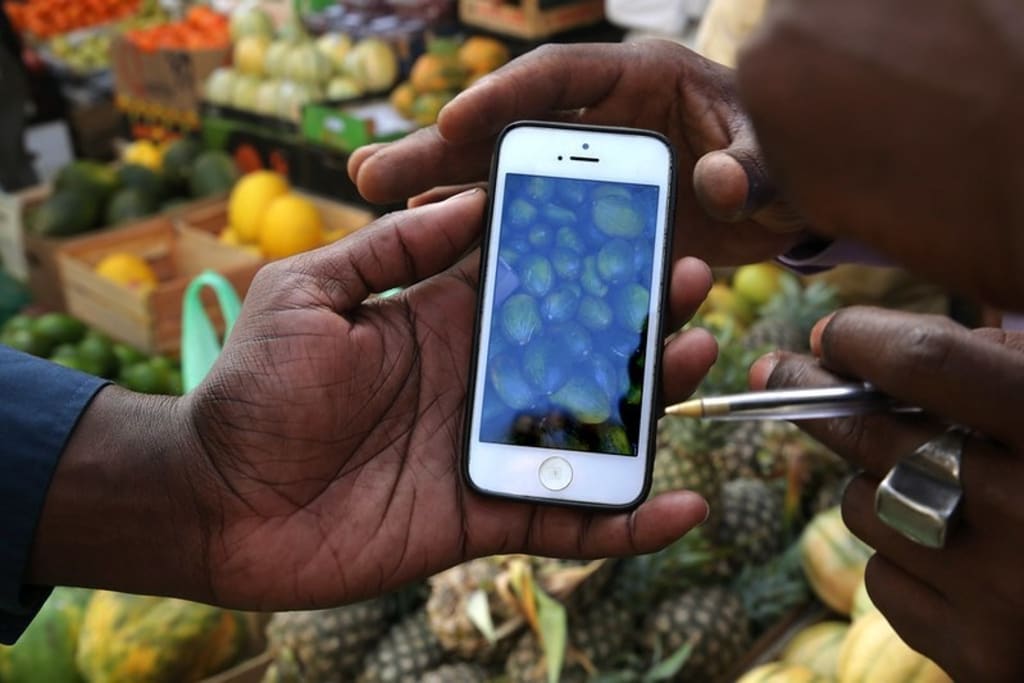
The Africa e-commerce market is prominently driven by the growing penetration of internet and smartphones across the continent. The increasing availability of affordable data packages played a strategic role in expanding internet access, making e-commerce platforms more reachable to a wider demographic. The growing young and tech-savvy population is another critical lever for market expansion, as this group readily adopts digital technologies and online shopping behaviors. Furthermore, the absence of widespread traditional retail infrastructure forces reliance on online channels for consumer goods, adding to the market’s growth.
Government policies supporting digital economies significantly enhance market prospects by creating enabling environments for e-commerce growth. Initiatives aimed at improving internet infrastructure, encouraging digital payments, and fostering trust in online systems are instrumental. These policies ensure smoother operations for e-commerce companies and ease consumer access. Rising consumer trust is evident in the increasing acceptance of online payment mechanisms, facilitated further by localized payment solutions easing transactions.
The market is also propelled by the burgeoning middle class with enhanced purchasing power and willingness to spend on online retail. Innovations in digital logistics and warehousing solutions improve supply chain efficiency, which is vital given infrastructural challenges in the region. Companies providing diversified and localized product offerings meet local consumer preferences more effectively. Continuous investments in R&D optimize user experience and boost security features on platforms, which helps solidify consumer confidence and loyalty, fueling sustained market growth.
Africa E-Commerce Industry Segmentation:
The report has segmented the market into the following categories:
Breakup by Business Model:
- B2C
- B2B
- C2C
- Others
Breakup by Mode of Payment:
- Payment Cards
- Online Banking
- E-Wallets
- Cash-On-Delivery
- Others
Breakup by Service Type:
- Financial
- Digital Content
- Travel and Leisure
- E-Tailing
- Others
Breakup by Product Type:
- Groceries
- Clothing and Accessories
- Mobiles and Electronics
- Health and Personal Care
- Others
Breakup by Country:
- South Africa
- Nigeria
- Egypt
- Morocco
- Kenya
- Others
Competitive Landscape:
The competitive landscape of the industry has also been examined along with the profiles of the key players.
Recent News and Developments in Africa E-Commerce Market
- September 2025: The African government launched a digital literacy initiative aimed at increasing consumer confidence and engagement with e-commerce platforms, improving access to affordable internet and facilitating wider usage of mobile money and other online payment methods.
- July 2025: Jumia Technologies AG announced expansion plans across several African countries, investing in enhanced logistics and mobile app upgrades to improve delivery times and mobile shopping experiences targeting a broader consumer base.
- October 2025: Recent market data revealed that South Africa continues to lead the e-commerce sector in Africa, driven by increased penetration of high-speed internet and a stable economic environment that supports online business growth and higher consumer purchasing power.
Note: If you require specific details, data, or insights that are not currently included in the scope of this report, we are happy to accommodate your request. As part of our customization service, we will gather and provide the additional information you need, tailored to your specific requirements. Please let us know your exact needs, and we will ensure the report is updated accordingly to meet your expectations.
About the Creator
Fatimah
Market research writer at IMARC Group, turning data into engaging stories. Passionate about trends, insights & real-world impact. Join me on Vocal!
Enjoyed the story? Support the Creator.
Subscribe for free to receive all their stories in your feed.
Comments
There are no comments for this story
Be the first to respond and start the conversation.