
Adventure Tourism Market Trends: Solo Travel Growth, Adventure Packages & Forecast
How younger demographics, solo travel trends, and experiential spending habits are reshaping demand patterns and fueling long-term growth in the adventure tourism market

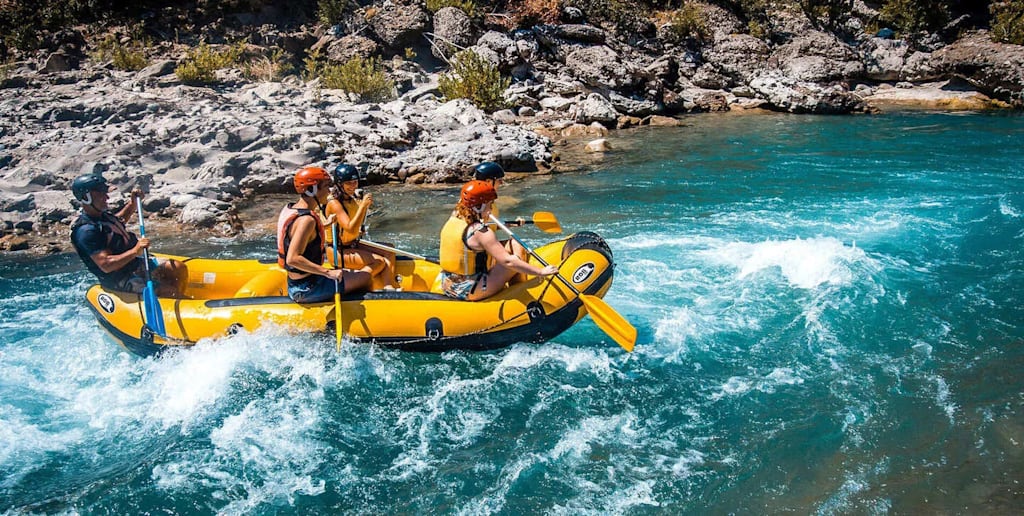
Rising demand for authentic experiences, a surge in international travel arrivals, and the growing influence of social media are driving the global adventure tourism market. Travelers are increasingly prioritizing physical activity, cultural immersion, and nature-based exploration over traditional leisure vacations. According to IMARC Group’s latest data, the global adventure tourism market size was valued at USD 552.6 Billion in 2025. Looking forward, IMARC Group estimates the market to reach USD 1,989.2 Billion by 2034, exhibiting a CAGR of 15.30% from 2026-2034.
Adventure tourism has evolved into a massive economic engine, now exceeding half a trillion dollars and consistently outpacing traditional travel sectors. This growth is fueled by a profound shift in consumer values, where "experiences" are preferred over material goods. Whether it is soft adventure such as hiking through national parks or hard adventure like high-altitude mountaineering, the market is expanding across all age groups. Governments are also recognizing this potential, investing in rural infrastructure and safety regulations to transform remote landscapes into viable tourism hubs.
Adventure Tourism Market Growth Drivers:
- Shift Toward Experiential and Individualized Travel
Modern travelers are moving away from "cookie-cutter" vacations in favor of transformative experiences that offer personal growth and a sense of achievement. This psychological shift drives people to seek out remote destinations where they can interact with local cultures or test their physical limits. Data suggests that nearly 70% of travelers now prioritize "new experiences" as their primary motivation for booking a trip. By offering itineraries that feel unique and unmediated, adventure operators tap into a deep-seated consumer desire for authenticity, turning standard trips into lifelong memories and fostering strong brand loyalty within the global tourism sector.
- Impact of Social Media and Digital Storytelling
The visual nature of platforms like Instagram and TikTok has turned adventure tourism into a viral commodity. High-quality user-generated content showcasing breathtaking landscapes and thrilling activities like paragliding or deep-sea diving serves as a powerful, low-cost marketing tool. Real-world statistics indicate that over 40% of travelers under the age of 30 choose destinations based on their "Instagrammability." This digital word-of-mouth effect accelerates the discovery of "hidden gems" and encourages a younger demographic to invest in high-value adventure packages. Consequently, operators are increasingly focusing on creating "shareable" moments to capitalize on this free global exposure.
Download Now: Free "Adventure Tourism Market" Market Intelligence Report
- Supportive Government Initiatives and Infrastructure Development
Governments worldwide are leveraging adventure tourism to stimulate local economies and create jobs in rural regions. For instance, countries in the Middle East have seen international arrivals exceed pre-pandemic levels by over 36% due to targeted investments in adventure infrastructure. By improving road access to remote trails and implementing standardized safety certifications, authorities are making high-risk activities more palatable for the average tourist. These efforts are often backed by national tourism boards that promote eco-friendly and sustainable practices, ensuring that the influx of visitors does not deplete the very natural resources that attract them in the first place.
Adventure Tourism Market Trends:
- The "Decision Detox" and Frictionless Booking
A significant trend for 2026 is the rise of curated, "decision-free" getaways. Travelers, often overwhelmed by professional and personal stressors, are seeking "show up and go" formats where every logistical detail from specialized gear and permits to meals and local transfers is handled by the operator. This shift toward outsourcing complexity allows adventurers to focus entirely on the experience rather than the planning. Recent consumer reports indicate that two-thirds of travelers actively seek ways to simplify their lives through low-friction choices. This trend is pushing adventure brands to offer all-inclusive, expert-led expeditions that provide mental clarity alongside physical activity.
- Rise of Secondary Destinations and "Untrending"
As major tourism hubs face "overtourism" backlash, travelers are intentionally seeking out secondary destinations and quieter, less-mediated regions. Places like Scandinavia, Central Asia, and Northeast Asia are gaining traction as adventurers look for "off-the-beaten-path" locations that offer genuine solitude. This "untrending" movement is supported by data showing a redirection of travel flows away from algorithm-driven hotspots toward wilderness corridors and rural communities. Adventure tourism is uniquely positioned to lead this trend, as its core philosophy revolves around exploring beyond the obvious. This helps distribute economic benefits more evenly across regions while providing travelers with the quiet, culturally grounded experiences they crave.
- Technological Integration for Enhanced Safety and Access
Technology is no longer just for booking; it is becoming a critical component of the adventure experience itself. From wearable GPS trackers and satellite communication devices for remote hikers to augmented reality (AR) previews of challenging terrains, tech is lowering the perceived risk of hard adventures. Digital booking platforms have also democratized access, allowing travelers to compare safety ratings and read real-time reviews before committing to high-stakes activities like white-water rafting. This transparency builds consumer trust, particularly among families and older demographics who may have previously been hesitant to participate in adventure activities, thereby widening the overall market participant base.
Recent News and Developments in Adventure Tourism Market
- September 2025: Several Southeast Asian nations signed a regional tourism pact to streamline visa processes for "Digital Nomad Adventurers," specifically targeting long-term travelers who combine remote work with outdoor activities like diving and trekking.
- January 2026: A leading adventure tech firm released a new AI-driven safety app that provides real-time weather and terrain risk assessments for solo hikers in over 50 national parks worldwide, significantly improving emergency response capabilities.
- March 2026: The UN Tourism body reported that international adventure arrivals in the first quarter reached record highs, fueled by a 25% increase in "soft adventure" bookings among the 50+ age demographic looking for active retirement experiences.
Note: If you require specific details, data, or insights that are not currently included in the scope of this report, we are happy to accommodate your request. As part of our customization service, we will gather and provide the additional information you need, tailored to your specific requirements. Please let us know your exact needs, and we will ensure the report is updated accordingly to meet your expectations.
About the Creator
Andrew Sullivan
Hello, I’m Andrew Sullivan. I have over 9+ years of experience as a market research specialist.
Enjoyed the story? Support the Creator.
Subscribe for free to receive all their stories in your feed.
Comments
There are no comments for this story
Be the first to respond and start the conversation.