
YOGA FOR SENIORS OVER 60
YOGA FOR SENIORS OVER 60 AND 70
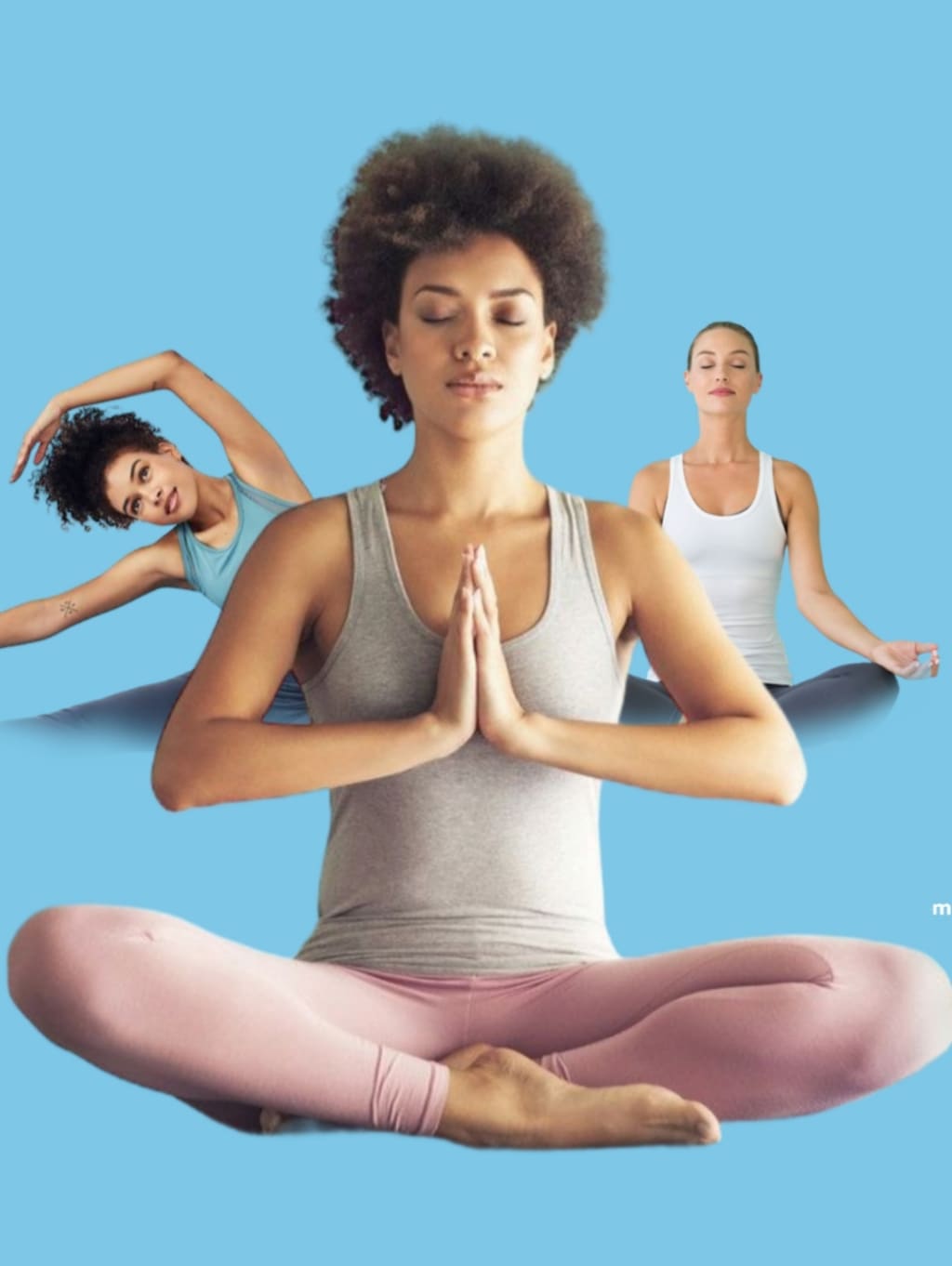
YOGA FOR SENIORS OVER 60 Yoga is a wonderful practice that offers numerous benefits for people of all ages. For seniors over 60, incorporating yoga into their daily routine can be particularly advantageous, promoting physical health, flexibility, mental well-being, and overall quality of life. Yoga provides a gentle yet effective way for seniors to maintain their vitality and stay active as they age. In this article, we will explore the benefits of yoga for seniors over 60 and provide some useful tips to get started. BENEFITS OF YOGA FOR SENIORS OVER 60 • IMPROVED FLEXIBILITY • ENHANCED BALANCE AND STABILITY • INCREASED STRENGTH • JOINT HEALTH • STRESS REDUCTION AND MENTAL WELL-BEING IMPROVED FLEXIBILITY Improved flexibility is one of the key benefits of practicing yoga for seniors over 60. As we age, our muscles and joints naturally become less flexible, which can lead to discomfort, stiffness, and limited mobility. However, regular yoga practice can help seniors regain and maintain their flexibility, making everyday movements easier and more comfortable. Here’s How Yoga Promotes Improved Flexibility:- STRETCHING: Yoga involves a variety of stretching exercises that target different muscle groups and joints. Holding yoga poses gently stretches and lengthens the muscles, tendons, and ligaments, increasing their flexibility over time. Regular stretching in yoga helps seniors improve their range of motion, making it easier to perform activities such as bending, reaching, and turning. RELEASE OF TENSION: Stress and tension can cause the muscles to tighten and become rigid. Yoga provides an opportunity to release built-up tension in the body. Through slow and controlled movements, seniors can relax their muscles, release tightness, and experience an increased sense of ease and freedom in their bodies. JOINT MOBILIZATION: Yoga poses involve gentle movements that promote joint mobilization. By moving the joints through their full range of motion, yoga helps lubricate the joints, increase synovial fluid production, and reduce stiffness. This can be particularly beneficial for seniors dealing with conditions such as arthritis, as yoga can help alleviate joint pain and improve joint function. CORE STRENGTHENING: A strong core is essential for maintaining good posture and supporting the spine. Many yoga poses require engaging the core muscles, which helps seniors develop a stronger and more stable core. A strong core, along with improved flexibility, can contribute to better balance and overall body alignment. TIPS FOR IMPROVING FLEXIBILITY THROUGH YOGA START WITH GENTLE YOGA: As a beginner, choose gentle yoga styles such as Hatha or Yin yoga, which focus on slow, mindful movements and longer-held poses. These styles allow for a deeper stretch and are less physically demanding, making them well-suited for seniors. WARM-UP: Prior to starting your yoga practice, it’s beneficial to warm up your body with gentle movements or a short walk. This helps increase blood flow to the muscles, preparing them for stretching and reducing the risk of injury. PRACTICE REGULARLY: Consistency is key when it comes to improving flexibility. Aim for regular practice, even if it’s just a few minutes each day. Over time, your muscles and joints will gradually become more flexible, and you’ll notice increased ease of movement. USE PROPS: Yoga props like blocks, straps, or blankets can be helpful in modifying poses and providing support during stretching. Props allow seniors to adapt poses to their individual needs and comfort levels, making the practice more accessible and safe. LISTEN TO YOUR BODY: Pay attention to your body’s signals and never force yourself into a pose that feels painful or uncomfortable. Respect your limitations and work within your range of motion. With time and practice, you’ll notice progress in your flexibility. Remember, it’s important to consult with your healthcare provider before starting any new exercise routine, including yoga. They can provide personalized advice based on your specific health conditions and needs. Enjoy your yoga journey and embrace the gradual improvements in your flexibility, which will contribute to your overall well-being and quality of life. ENHANCED BALANCE AND STABILITY Enhanced balance and stability are crucial aspects of physical well-being, particularly for seniors over 60. Yoga offers a multitude of benefits in improving balance, coordination, and overall stability. By incorporating specific yoga poses and exercises into their routine, seniors can strengthen their bodies, increase proprioception, and reduce the risk of falls. HOW YOGA PROMOTES ENHANCED BALANCE AND STABILITY FOR SENIORS CORE STRENGTHENING: The core muscles, including the abdominals, back muscles, and deep stabilizing muscles, play a vital role in maintaining balance. Yoga poses often engage the core, helping to strengthen these muscles and provide a stable foundation for the body. With a stronger core, seniors can experience improved balance and stability in their daily activities. FOCUS ON ALIGNMENT: Proper alignment is essential for maintaining balance. In yoga, practitioners are encouraged to align their bodies correctly in each pose, which helps improve body awareness and proprioception. As seniors become more mindful of their alignment through regular yoga practice, they develop a better sense of balance and are able to make adjustments to maintain stability. ONE-LEGGED POSES: Yoga includes various one-legged poses, such as Tree Pose (Vrksasana) or Warrior III (Virabhadrasana III). These poses require seniors to balance on one leg, which challenges their stability and improves their ability to stay steady on their feet. Over time, practicing these poses can significantly enhance balance and stability. COORDINATION AND BODY AWARENESS: Yoga involves synchronized movements and transitions between poses, which enhance coordination and body awareness. By practicing yoga sequences that flow from one pose to another, seniors can improve their ability to move gracefully and with control, enhancing their overall stability and balance. PROPRIOCEPTION: Proprioception refers to the body’s awareness of its position in space. Yoga poses that require balancing on different body parts, such as standing on one leg or performing poses on unstable surfaces like a yoga ball or foam pad, can enhance proprioception. This heightened sense of proprioception translates to improved balance and stability in daily life. TIPS FOR IMPROVING BALANCE AND STABILITY THROUGH YOGA START WITH STABLE POSES: Begin with poses that offer a stable base of support, such as Mountain Pose (Tadasana) or Chair Pose (Utkatasana). These poses allow seniors to focus on their alignment and gradually build their stability before progressing to more challenging poses. USE PROPS: Props like a chair, wall, or yoga blocks can provide additional support during balancing poses. Seniors can use these props to modify poses and maintain stability as they work on improving their balance. PRACTICE MINDFUL BREATHING: Deep, slow breathing helps calm the mind, enhance focus, and promote relaxation during yoga practice. By incorporating mindful breathing techniques, seniors can improve their concentration, allowing them to stay centered and balanced in poses. SEEK BALANCE-FOCUSED CLASSES: Look for yoga classes specifically designed for seniors or those that emphasize balance and stability. These classes often include targeted exercises and modifications that cater to the needs of older practitioners. BE PATIENT AND PERSISTENT: Improving balance and stability takes time and consistent practice. Seniors should approach their yoga practice with patience and persistence, gradually challenging themselves while respecting their limits. With regular dedication, progress in balance and stability can be achieved. Remember, it’s essential for seniors to consult with their healthcare provider before starting any new exercise program, including yoga. They can provide guidance based on individual health conditions and considerations. By incorporating yoga into their routine, seniors can enhance their balance and stability, leading to increased confidence, reduced fall risks, and greater overall physical well-being. INCREASED STRENGTH Increased Strength is another significant benefit that seniors over 60 can experience through regular yoga practice. While aging is often associated with muscle loss and decreased strength, engaging in strength-building yoga poses can help seniors maintain and even improve their muscular strength, contributing to overall HERE’S HOW YOGA PROMOTES INCREASED STRENGTH FOR SENIORS WEIGHT-BEARING POSES: Many yoga poses require individuals to support their body weight, such as standing poses like Warrior I (Virabhadrasana I) or balancing poses like Tree Pose (Vrksasana). These weight-bearing poses engage various muscle groups, including the legs, hips, and core, helping to build strength and stability. RESISTANCE TRAINING: Yoga involves a combination of isometric and dynamic movements, which provide resistance to the muscles. Holding poses, such as Plank Pose (Phalakasana), or flowing through sequences like Sun Salutations, challenges the muscles and helps improve their strength over time. FUNCTIONAL STRENGTH: Yoga focuses on functional movements that mimic activities performed in daily life. For example, Chair Pose (Utkatasana) strengthens the leg muscles used for sitting and standing, while Downward-Facing Dog (Adho Mukha Svanasana) engages the upper body muscles required for pushing or lifting. By practicing these functional movements in yoga, seniors can enhance their strength for everyday tasks. CORE ENGAGEMENT: Core strength is vital for maintaining good posture, stability, and balance. Yoga poses often incorporate core engagement and strengthening, such as Boat Pose (Navasana) or Plank Pose (Phalakasana). Strengthening the core muscles helps seniors maintain proper body alignment, support the spine, and improve overall strength and stability. MUSCLE ENDURANCE: Yoga involves holding poses for an extended period, which helps improve muscle endurance. As seniors hold poses and maintain proper alignment, their muscles are challenged to sustain the effort over time. This endurance training can enhance muscle strength and stamina. TIPS FOR INCREASING STRENGTH THROUGH YOGA CONSISTENCY: Regular practice is key to building strength. Aim to practice yoga several times a week to allow your muscles to adapt and grow stronger over time. Even shorter sessions can be effective, as long as they are consistent. PROGRESS GRADUALLY: Start with poses that match your current strength level and gradually progress to more challenging variations. Listen to your body and avoid pushing yourself too hard or straining your muscles. It’s better to build strength gradually than to risk injury. USE PROPS: Yoga props like blocks, straps, or blankets can provide support and help modify poses to make them more accessible. Props can be particularly beneficial for seniors who are working on building strength and may need additional assistance. FOCUS ON FORM: Pay attention to proper form and alignment in each pose. This ensures that you are targeting the intended muscles and maximizing the benefits of the pose. Proper alignment also reduces the risk of injury. INCORPORATE RESISTANCE: Consider adding resistance to your yoga practice by using resistance bands or light weights. These can be incorporated into certain poses or used during specific strength-building exercises to further challenge your muscles. TAKE MODIFICATIONS: If a pose feels too challenging or causes discomfort, don’t hesitate to take modifications. Yoga offers various modifications that make poses more accessible while still providing strength-building benefits. Remember, it’s important to consult with your healthcare provider before starting any new exercise regimen, including yoga, especially if you have any pre-existing health conditions or concerns. They can provide personalized advice and guidance based on your individual needs. JOINT HEALTH Joint Health is a significant concern for seniors over 60, as aging can bring about changes in joint function and an increased risk of conditions like arthritis. The good news is that practicing yoga can be beneficial for joint health, helping seniors maintain joint mobility, reduce stiffness, and manage joint-related discomfort. HERE’S HOW YOGA PROMOTES JOINT HEALTH FOR SENIORS GENTLE MOVEMENT AND STRETCHING: Yoga poses involve gentle movements and stretching that can help increase circulation, lubricate the joints, and alleviate stiffness. Moving the joints through their full range of motion in a controlled manner promotes joint health and flexibility. LOW-IMPACT EXERCISE: Yoga is a low-impact exercise, meaning it puts minimal stress on the joints compared to high-impact activities like running or jumping. This makes it suitable for seniors with joint concerns or conditions such as osteoarthritis or rheumatoid arthritis. Yoga allows for gentle exercise without putting excessive strain on the joints. STRENGTHENING SUPPORTING MUSCLES: Yoga poses not only target the joints but also engage the muscles around them. Strengthening the supporting muscles helps stabilize the joints, reducing the load on them and promoting better joint function. For example, strengthening the muscles around the knee joint can provide support and improve knee stability. MINDFUL MOVEMENT AND BODY AWARENESS: Yoga encourages mindful movement and body awareness. Seniors can learn to tune into their bodies, understand their joint limitations, and move in ways that promote joint comfort and health. This awareness allows them to make modifications or avoid movements that may aggravate their joints. MODIFICATION AND PROPS: Yoga offers a variety of modifications and the use of props to support seniors with joint concerns. Props like blankets, bolsters, or blocks can provide support and make poses more accessible. Seniors can modify poses to avoid excessive strain on their joints, ensuring a safe and comfortable practice. STRESS REDUCTION: Stress can contribute to joint inflammation and exacerbate joint pain. Yoga’s focus on deep breathing, relaxation, and stress reduction techniques can help seniors manage stress levels. By reducing overall stress, they may experience improved joint health and decreased joint discomfort. TIPS FOR PROMOTING JOINT HEALTH THROUGH YOGA WARM-UP: Prior to starting your yoga practice, warm up your body with gentle movements or a few minutes of walking. This helps increase blood flow to the joints, preparing them for the practice. LISTEN TO YOUR BODY: Pay attention to your body’s signals during yoga practice. If a pose causes pain or discomfort in a joint, modify it or avoid it altogether. It’s important to respect your body’s limitations and avoid pushing through pain. SEEK GUIDANCE: Consider attending yoga classes specifically designed for seniors or those that focus on joint health. Instructors with experience in working with seniors can provide guidance on modifying poses and tailoring the practice to your specific joint concerns. BALANCE ACTIVITY AND REST: Find a balance between physical activity and rest. Overexertion can potentially strain the joints, while excessive rest can lead to stiffness. Listen to your body and give yourself time for adequate rest and recovery. CONSIDER GENTLE STYLES: Gentle yoga styles like Hatha, Yin, or Restorative yoga can be particularly beneficial for joint health. These styles emphasize longer holds, relaxation, and gentle stretching, allowing for a safe and supportive practice for seniors with joint concerns. As always, consult with your healthcare provider before starting any new exercise program, especially if you have specific joint conditions or concerns. They can provide personalized recommendations based on your individual needs. STRESS REDUCTION AND MENTAL WELL-BEING Stress Reduction And Mental Well-being are essential aspects of overall health, particularly for seniors over 60. Yoga can be a valuable tool in managing stress, promoting relaxation, and enhancing mental well-being. By incorporating yoga into their routine, seniors can experience a range of benefits that contribute to a calmer mind and improved emotional balance. HOW YOGA PROMOTES STRESS REDUCTION AND MENTAL WELL-BEING FOR SENIORS DEEP BREATHING AND RELAXATION: Yoga places a strong emphasis on deep, diaphragmatic breathing, which activates the body’s relaxation response and helps calm the nervous system. Deep breathing techniques used in yoga, such as Ujjayi breath or alternate nostril breathing, can induce a state of relaxation, reduce stress hormone levels, and promote a sense of calm. MINDFULNESS AND PRESENT-MOMENT AWARENESS: Yoga encourages the practice of mindfulness, which involves being fully present in the current moment without judgment. By focusing on the breath, body sensations, and the present moment during yoga practice, seniors can cultivate a greater sense of awareness and reduce mental chatter. This helps alleviate stress, anxiety, and worries related to the past or future. PHYSICAL EXERCISE AND MOOD ENHANCEMENT: Engaging in physical exercise through yoga stimulates the release of endorphins, often referred to as “feel-good” hormones. Regular yoga practice can enhance mood, reduce symptoms of depression, and promote a general sense of well-being. Seniors can experience a natural boost in their mental state, leading to improved mental well-being and a positive outlook. MIND-BODY CONNECTION: Yoga fosters a strong mind-body connection, allowing seniors to develop a greater understanding of how their thoughts, emotions, and physical sensations are interconnected. By cultivating this awareness, seniors can learn to recognize and manage stress triggers, reduce negative thought patterns, and develop a more balanced and resilient mindset. COMMUNITY AND SOCIAL SUPPORT: Participating in yoga classes or group sessions provides an opportunity for social interaction and connection. Engaging with others who share similar interests and goals can create a sense of community and support, which contributes to mental well-being. Social engagement and support systems play a crucial role in managing stress and maintaining mental health. TIPS FOR STRESS REDUCTION AND PROMOTING MENTAL WELL-BEING THROUGH YOGA ESTABLISH A REGULAR PRACTICE: Consistency is key when it comes to reaping the benefits of yoga for stress reduction. Aim for regular practice, even if it’s just a few minutes each day. Set aside dedicated time for yourself to cultivate relaxation and mental well-being. CHOOSE RELAXING YOGA STYLES: Gentle, restorative, or Yin yoga styles are particularly effective for stress reduction. These styles focus on deep relaxation, longer-held poses, and gentle stretching. They provide an opportunity for seniors to unwind, release tension, and foster mental calmness. PRACTICE MEDITATION: Incorporate meditation into your yoga practice. After completing physical postures, take a few minutes to sit quietly, focus on your breath, and cultivate a meditative state. Meditation can further deepen relaxation, reduce stress, and enhance mental clarity. INCORPORATE YOGA NIDRA: Consider integrating Yoga Nidra, a guided relaxation technique, into your practice. Yoga Nidra promotes deep relaxation by systematically relaxing different parts of the body and guiding the mind into a state of deep rest. It is a powerful tool for stress reduction and promoting mental well-being. EXPLORE PRANAYAMA (BREATHING) PRACTICES: Experiment with different pranayama techniques, such as alternate nostril breathing or belly breathing. These breathing exercises can be practiced independently or integrated into your yoga routine to induce relaxation and reduce stress. SEEK PROFESSIONAL GUIDANCE: If you’re new to yoga or have specific mental health concerns, it may be beneficial to seek guidance from a qualified yoga instructor or mental health GETTING STARTED WITH YOGA Getting started with yoga is a wonderful decision for seniors over 60 who want to improve their physical and mental well-being. Here are some steps to help you begin your yoga journey • CONSULT WITH YOUR HEALTHCARE PROVIDER • CHOOSE THE RIGHT STYLE OF YOGA • FIND A QUALIFIED INSTRUCTOR • START WITH BEGINNER-FRIENDLY CLASSES • INVEST IN BASIC YOGA EQUIPMENT • PRACTICE MINDFUL BREATHING • START WITH SIMPLE POSES • GRADUALLY INCREASE DURATION AND INTENSITY • BE PATIENT AND CONSISTENT • LISTEN TO YOUR BODY CONSULT WITH A HEALTHCARE PROFESSIONAL Please note this, before embarking on any new exercise program, especially if you have specific health concerns or pre-existing conditions, it is crucial to consult with a healthcare professional. While yoga is generally considered safe for most individuals, there may be certain considerations or modifications that need to be made based on your individual circumstances. Here are some reasons why consulting with a healthcare professional is important: PERSONALIZED GUIDANCE: A healthcare professional, such as a physician or a physical therapist, can provide personalized guidance based on your unique health status. They can assess any existing medical conditions, physical limitations, or concerns you may have and offer specific recommendations regarding the suitability of yoga for you. SAFETY PRECAUTIONS: Certain health conditions, such as cardiovascular issues, joint problems, or chronic pain, may require modifications or precautions during yoga practice. By consulting with a healthcare professional, you can receive guidance on how to adapt poses, avoid potentially harmful movements, or address any contraindications to ensure a safe practice. INDIVIDUALIZED EXERCISE PRESCRIPTION: Healthcare professionals can help tailor your yoga practice to your specific needs. They can advise on the appropriate level of intensity, duration, and frequency of your practice, taking into account your fitness level and health goals. This personalized approach can maximize the benefits of yoga while minimizing the risk of injury or aggravation of underlying conditions. AWARENESS OF MEDICATIONS AND TREATMENTS: If you are currently taking medications or undergoing treatments, it is important to discuss these with a healthcare professional. They can inform you of any potential interactions, side effects, or precautions to consider when engaging in physical activity like yoga. COORDINATED CARE: By involving a healthcare professional in your decision to start yoga, they can collaborate with your other healthcare providers, such as physical therapists or specialists, to ensure a comprehensive and integrated approach to your well-being. This coordinated care can help address any specific needs or challenges you may have. Remember that healthcare professionals have the expertise and knowledge to provide you with appropriate guidance based on your unique circumstances. They can help you make informed decisions about your yoga practice, adapt it to suit your needs, and ensure your safety and well-being. CHOOSE A GENTLE YOGA STYLE For seniors over 60 or those looking for a gentle and accessible yoga practice, several yoga styles are well-suited. Here are three gentle yoga styles you can consider: HATHA YOGA: Hatha yoga is a traditional and gentle style that focuses on balancing the body and mind. It incorporates gentle movements, static poses, and breath control. Hatha classes typically involve a combination of stretching, strengthening, and relaxation exercises. It is an excellent choice for beginners or seniors looking for a slower-paced practice that emphasizes proper alignment and mindful movement. YIN YOGA: Yin yoga is a passive and meditative style that targets the deep connective tissues, such as ligaments, tendons, and fascia. In Yin yoga, poses are held for an extended period, usually 3 to 5 minutes or longer, with relaxed muscles. This practice helps improve flexibility, joint mobility, and energy flow. Yin yoga is particularly beneficial for seniors who want to enhance flexibility, relieve stiffness, and cultivate a sense of deep relaxation. RESTORATIVE YOGA: Restorative yoga is a deeply relaxing and rejuvenating practice that focuses on relaxation and stress reduction. In this style, props like bolsters, blankets, and blocks are used to support the body in gentle, comfortable poses held for an extended period. The emphasis is on relaxation, deep breathing, and releasing tension. Restorative yoga can help seniors release stress, promote deep relaxation, and restore energy levels. WHEN CHOOSING A GENTLE YOGA STYLE, it’s important to consider your personal preferences, physical condition, and any specific health concerns. Some yoga studios or instructors may offer specialized classes for seniors or individuals with limited mobility, which can be an excellent option to explore. Remember, regardless of the yoga style you choose, it’s essential to listen to your body, practice at your own pace, and modify poses as needed to ensure a safe and enjoyable experience. Consulting with a qualified yoga instructor can provide further guidance and help tailor the practice to your specific needs. PRACTICE MINDFUL BREATHING Mindful breathing is a fundamental aspect of yoga and can be practiced both on and off the yoga mat. It involves bringing your full attention to your breath, observing it without judgment, and using it as an anchor to stay present in the current moment. Practicing mindful breathing can have numerous benefits for seniors, including stress reduction, relaxation, improved focus, and enhanced overall well-being. Here are some steps to practice mindful breathing: FIND A COMFORTABLE POSITION: Sit in a comfortable position, either on a chair or on the floor with a cushion or blanket for support. Ensure that your spine is upright and your body is relaxed. CLOSE YOUR EYES OR SOFTEN YOUR GAZE: Closing your eyes can help minimize distractions and allow you to turn your focus inward. If closing your eyes is uncomfortable or not feasible, you can softly gaze downward and maintain a relaxed focus. TUNE INTO YOUR BREATH: Begin by simply observing your breath as it naturally flows in and out. Notice the sensation of the breath entering and leaving your body. Pay attention to the movement of your abdomen or the sensation of air passing through your nostrils. DEEPEN YOUR BREATH: Take a few slow, deep breaths, inhaling deeply through your nose, and exhaling slowly through your mouth. As you inhale, feel your abdomen expand, and as you exhale, feel it gently contract. Deepening your breath helps calm your nervous system and encourages relaxation. FOCUS ON THE PRESENT MOMENT: As you continue to breathe, bring your attention fully to the present moment. Notice any thoughts, emotions, or physical sensations that arise, but avoid getting caught up in them. Simply acknowledge them and let them go, gently redirecting your focus back to your breath. USE ANCHORING PHRASES: If your mind tends to wander, you can use anchoring phrases to help you stay present. For example, mentally repeat phrases like “inhaling, I am aware that I am inhaling,” and “exhaling, I am aware that I am exhaling.” This can help anchor your attention to the breath. PRACTICE NON-JUDGMENT: As you engage in mindful breathing, allow yourself to observe your breath without judgment. If your mind wanders or if you notice yourself becoming distracted, simply bring your attention back to the breath with kindness and gentleness. Remember, the practice of mindfulness is about cultivating awareness without judgment. EXTEND THE PRACTICE: Start with a few minutes of mindful breathing and gradually increase the duration as you feel comfortable. You can incorporate mindful breathing into your daily routine, whether it’s in the morning, during a break, or before bedtime. The more you practice, the more natural and beneficial it becomes. Be Mindful, breathing can be practiced anywhere and at any time, providing you with a simple yet powerful tool to cultivate calmness and presence. By integrating this practice into your daily life, you can experience the benefits of reduced stress, enhanced relaxation, improved focus, and an overall sense of well-being. MODIFY POSES AS NEEDED Modifying yoga poses is an essential aspect of a safe and accessible practice, especially for seniors over 60 or individuals with specific physical limitations. Modifying poses allows you to adapt the practice to your unique needs, ensuring comfort and reducing the risk of injury. Here are some tips for modifying poses in yoga: USE PROPS: Props such as blocks, straps, blankets, bolsters, or chairs can provide support and assist in achieving proper alignment. For example, using a block under your hand in standing poses can bring the floor closer to you and provide stability. Straps can help you reach your feet in seated forward folds. Experiment with different props to find what works best for you. ADJUST THE RANGE OF MOTION: If a pose requires a deep stretch or range of motion that is challenging for you, modify it to a more comfortable range. For instance, if a forward fold is too intense, bend your knees slightly or use a prop to support your hands higher up your legs. Honoring your body’s limits is important to prevent strain or discomfort. DECREASE INTENSITY OR DURATION: If a particular pose or sequence feels too strenuous, you can modify it to make it less intense. For example, instead of holding a pose for a longer duration, you can hold it for a shorter time or reduce the number of repetitions. Gradually increase intensity and duration as your body becomes more accustomed to the practice. EXPLORE CHAIR YOGA: Chair yoga is a modified form of yoga that utilizes a chair for support. It is particularly beneficial for individuals with limited mobility, balance issues, or who prefer to practice in a seated position. Many traditional yoga poses can be adapted for a chair, making it an inclusive and accessible option. SEEK GUIDANCE ROM A QUALIFIED INSTRUCTOR: Working with a qualified yoga instructor is invaluable when it comes to modifying poses. They can offer personalized guidance, suggest appropriate modifications, and help you find variations that suit your needs. Look for instructors who have experience teaching seniors or individuals with specific conditions. LISTEN TO YOUR BODY: The most important aspect of modifying poses is listening to your body. Pay attention to any sensations of discomfort or pain. If a pose doesn’t feel right or causes strain, back off or choose an alternative variation. Your body knows best, and it’s important to respect its limits. Remember, that yoga is a personal practice, and it’s not about achieving perfect alignment or imitating others. Modify poses to honor your body and focus on the sensations and benefits you experience. By adapting the practice to your individual needs, you can enjoy a safe, fulfilling, and sustainable yoga journey. STAY CONSISTEN Staying consistent with your yoga practice is key to reaping the benefits and experiencing progress over time. Whether you’re a senior over 60 or anyone else, consistency helps to build strength, flexibility, and mindfulness. Here are some tips to help you stay consistent with your yoga practice: ESTABLISH A ROUTINE: Set a specific time and place for your yoga practice. Treat it as a non-negotiable appointment with yourself. Consistency is easier to achieve when you integrate yoga into your daily or weekly routine. Find a time that works best for you, whether it’s in the morning, during a break, or in the evening, and make it a regular habit. START WITH MANAGEABLE GOALS: Begin with realistic goals that you can comfortably achieve. It’s better to start small and gradually increase the duration or intensity of your practice over time. For example, commit to practicing yoga for 10 minutes every day or three times a week. As you build consistency, you can expand your practice gradually. BE MINDFUL OF YOUR ENERGY LEVELS: Listen to your body and be aware of your energy levels. Some days you may feel more energetic, while others you may feel fatigued. Modify your practice accordingly, opting for gentle and restorative poses on low-energy days, and more active and energizing practices when you feel up to it. It’s important to strike a balance and not push yourself excessively. MAKE IT ENJOYABLE: Find ways to make your yoga practice enjoyable and something you look forward to. Explore different styles, classes, or online resources to keep your practice varied and interesting. Experiment with different music, essential oils, or a dedicated yoga space that brings a sense of peace and tranquility. When you enjoy your practice, it becomes easier to stay consistent. PRACTICE SELF-COMPASSION: Be kind and patient with yourself. Understand that there will be days when your practice feels more challenging or when life gets in the way. Instead of berating yourself for missing a session, practice self-compassion and get back on track as soon as possible. Remember that consistency is about the long-term commitment to your well-being. SEEK ACCOUNTABILITY AND SUPPORT: Find a yoga buddy or join a community or class where you can share your journey with others. Accountability and support can be motivating and help you stay committed to your practice. It’s also an opportunity to learn from others, share experiences, and celebrate progress together. EMBRACE FLEXIBILITY: Sometimes life throws unexpected curveballs, and your yoga practice may need to adapt. Embrace flexibility in your approach, both on and off the mat. If you can’t stick to your usual routine, find alternatives such as shorter practices, online classes, or practicing yoga at home. Remember, any yoga practice is better than none. By staying consistent with your yoga practice, you allow the cumulative benefits to unfold over time. Embrace the journey, be patient with yourself, and celebrate the progress you make along the way. Yoga is not just about physical postures; it’s a holistic practice that nurtures your body, mind, and spirit. Enjoy the process and the transformative power of consistency. ATTEND SENIOR-FRIENDLY CLASSES Attending senior-friendly yoga classes can be a wonderful way to enhance your yoga practice and connect with a supportive community. These classes are specifically designed to cater to the needs and abilities of seniors over 60, providing a safe and inclusive environment for practice. Here are some reasons why attending senior-friendly yoga classes can be beneficial: TAILORED INSTRUCTION: Senior-friendly classes are led by instructors who have experience working with older adults. They understand the unique challenges, physical considerations, and modifications that may be necessary. The instructors can provide clear guidance, offer variations, and help you adapt poses to suit your individual needs. AGE-APPROPRIATE SEQUENCING: The sequencing and pace of senior-friendly classes are designed with the needs of older adults in mind. The classes often focus on gentle movements, joint mobility, balance, and flexibility, while also promoting strength and relaxation. The emphasis is on improving overall well-being and addressing common age-related concerns. SUPPORTIVE COMMUNITY: Attending senior-friendly classes allows you to connect with like-minded individuals who share similar experiences and goals. The supportive community can provide motivation, encouragement, and a sense of camaraderie. You can learn from others, share your journey, and build friendships along the way. INCREASED CONFIDENCE: Practicing yoga in a class specifically tailored to seniors can boost your confidence. The supportive atmosphere and understanding of the challenges faced by older adults create a safe space where you can explore your abilities, improve your skills, and challenge yourself within your comfort zone. SOCIAL INTERACTION: Regularly attending senior-friendly yoga classes provides an opportunity for social interaction and combatting feelings of isolation or loneliness. Engaging with others and participating in group activities contribute to your overall mental and emotional well-being. ENHANCED LEARNING: Senior-friendly classes often include educational components that focus on the benefits of yoga for seniors, alignment principles, and techniques for managing specific conditions or concerns. You can deepen your understanding of yoga and gain insights that can be applied both on and off the mat. When searching for senior-friendly yoga classes, consider local yoga studios, community centers, or fitness centers that offer specialized programs for older adults. Inquire about the instructor’s experience with seniors and their approach to teaching. If attending in-person classes is not feasible, you can explore online platforms that offer senior-specific yoga programs or video tutorials. Remember, it’s essential to choose classes that match your current abilities and take into account any specific considerations or limitations you may have. Always listen to your body, practice within your comfort zone, and communicate openly with your instructor about any concerns or questions you may have. OTHER BENEFITS OF YOGA FOR SENIORS OVER 60 Yoga offers numerous benefits for seniors over 60, supporting their overall physical health, mental well-being, and quality of life. Here are some key benefits of practicing yoga for seniors. MINDFULNESS AND SELF-CARE: Yoga encourages seniors to be present in the moment, cultivating mindfulness and self-awareness. It promotes self-care practices, allowing seniors to prioritize their physical and mental well-being. IMPROVED FLEXIBILITY: Regular yoga practice can enhance flexibility and range of motion in the joints, which tends to decline with age. Gentle stretching and yoga poses help loosen tight muscles, reduce stiffness, and improve overall mobility. ENHANCED BALANCE AND STABILITY: Yoga poses that focus on balance, such as standing poses and certain inversions, help improve stability and coordination. This is crucial for preventing falls and maintaining independence in daily activities. INCREASED STRENGTH: Yoga postures engage and strengthen the muscles throughout the body. By practicing weight-bearing poses, seniors can improve muscle tone, enhance overall strength, and support bone health. JOINT HEALTH: Yoga gently moves the joints through their full range of motion, promoting joint lubrication and minimizing joint degeneration. Regular practice can help alleviate joint pain, stiffness, and discomfort associated with conditions like arthritis. STRESS REDUCTION AND MENTAL WELL-BEING: Yoga incorporates breathing techniques, mindfulness, and relaxation, which can significantly reduce stress levels. Seniors may experience improved mood, reduced anxiety, better sleep, and enhanced overall mental well-being through regular yoga practice. INCREASED BODY AWARENESS: Yoga encourages seniors to become more attuned to their bodies, fostering a deeper connection between mind and body. This heightened body awareness can help seniors better understand their physical needs, avoid potential injuries, and make healthier lifestyle choices. BETTER POSTURE AND ALIGNMENT: Yoga helps improve posture by strengthening the muscles that support the spine. Practicing yoga poses with proper alignment promotes better posture, reduces back and neck pain, and supports overall spinal health. IMPROVED BREATHING: Yoga incorporates deep, conscious breathing techniques, which can increase lung capacity, improve respiratory function, and enhance oxygenation throughout the body. This leads to increased energy levels and overall vitality. SOCIAL CONNECTION: Participating in yoga classes provides an opportunity for social interaction and connection with like-minded individuals. Seniors can join specialized yoga classes or community programs, fostering a sense of belonging and social engagement. It’s important for seniors to start slowly, listen to their bodies, and choose a yoga practice that suits their individual needs and abilities. Consulting with a qualified yoga instructor or healthcare professional is recommended to ensure a safe and tailored practice. By embracing yoga as a regular part of their lifestyle, seniors over 60 can experience these benefits and continue to lead active, balanced, and fulfilling lives. IMPROVED FLEXIBILITY Improved flexibility is one of the key benefits of practicing yoga for seniors over 60. As we age, our muscles tend to become tighter, and our joints may lose some of their range of motion. However, regular yoga practice can help counteract these effects by increasing flexibility in the body. Here’s how yoga improves flexibility: GENTLE STRETCHING: Yoga involves a series of gentle stretches and poses that target different areas of the body. These stretches lengthen the muscles and gradually increase their flexibility. With consistent practice, you may notice improved range of motion in your joints and increased flexibility in tight areas. LONGER HOLDS: Many yoga poses are held for an extended period, allowing the muscles and connective tissues to release and relax. This extended hold in poses like forward folds, lunges, and twists helps to lengthen the muscles, increase blood flow to the tissues, and improve their flexibility over time. MINDFUL MOVEMENT: Yoga encourages mindful movement, where you pay attention to the sensations in your body and move with intention. This awareness allows you to move in a way that respects your body’s limits while gradually expanding them. By practicing mindful movement, you can avoid pushing yourself too far and reduce the risk of injury, which is especially important for seniors. BALANCING STRENGTH AND FLEXIBILITY: Yoga helps strike a balance between strength and flexibility. While some poses focus on stretching and increasing flexibility, others involve engaging and strengthening the muscles. This balanced approach promotes functional flexibility, which is essential for maintaining a healthy and active lifestyle as you age. MODIFICATIONS AND PROPS: Yoga offers modifications and the use of props to support individuals with limited flexibility. Props like blocks, straps, and bolsters can assist in reaching poses and provide support where needed. These modifications make yoga accessible to seniors of different flexibility levels and ensure a safe and effective practice. JOINT MOBILITY: Yoga poses often involve gentle movements that mobilize the joints. By taking the joints through their full range of motion, you can improve joint flexibility and reduce stiffness. This is particularly beneficial for seniors who may experience joint-related issues such as arthritis or stiffness due to sedentary lifestyles. IMPROVED POSTURE: Tight muscles can contribute to poor posture, which can lead to discomfort and pain. Yoga practice helps release tension in muscles, lengthen the spine, and improve overall posture. As flexibility improves, seniors can experience better alignment, reduced strain on the body, and improved spinal health. Remember, flexibility is a gradual process, and it’s essential to practice patience and listen to your body. Avoid forcing or straining in poses, as this can lead to injury. Instead, focus on gentle, consistent practice, allowing your body to gradually open up and become more flexible over time. By incorporating yoga into your routine, you can experience improved flexibility, increased range of motion, and enhanced overall mobility, supporting your physical well-being and enhancing your daily activities. ENHANCED BALANCE AND STABILITY Enhanced balance and stability are significant benefits of practicing yoga for seniors over 60. As we age, maintaining good balance becomes increasingly important to prevent falls and maintain independence. Yoga can be a valuable tool for improving balance and stability. Here’s how yoga can enhance balance and stability: FOCUS ON CORE STRENGTH: Yoga poses often engage the core muscles, including the abdominals, back muscles, and pelvic floor. A strong core provides a stable foundation for the body, improving balance and stability. Poses like plank, boat pose, and warrior III are particularly effective in strengthening the core. STANDING POSES: Yoga includes various standing poses that challenge balance and stability. Examples include tree pose, warrior poses, and standing balances like eagle pose or half moon pose. Practicing these poses regularly helps improve proprioception (awareness of body position in space) and strengthens the muscles involved in maintaining balance. MIND-BODY CONNECTION: Yoga emphasizes the mind-body connection, requiring focus and concentration during practice. By directing your attention to the present moment and your body’s movements, you improve your ability to maintain balance. This increased awareness helps prevent falls and allows for better control of body movements. ALIGNMENT AND POSTURE: Proper alignment in yoga poses plays a crucial role in developing balance and stability. Yoga encourages good posture and correct alignment of the spine, which helps distribute body weight evenly and improves balance. Regular practice of yoga can train your body to maintain proper alignment even outside of the yoga studio. PROPRIOCEPTIVE TRAINING: Yoga poses often involve fine-tuning small adjustments to maintain balance. This proprioceptive training improves the body’s ability to sense its position in space and make quick adjustments to maintain stability. Over time, this leads to better balance and coordination in daily activities. SLOW AND CONTROLLED MOVEMENTS: Yoga typically emphasizes slow, controlled movements, allowing you to develop strength, stability, and balance gradually. Slowing down movements helps you become more aware of your body’s position and reduces the risk of losing balance. BREATH AWARENESS: Yoga incorporates breath awareness and controlled breathing techniques. Focusing on the breath helps calm the mind and enhances concentration, which can improve your ability to maintain balance. Deep, steady breathing also helps relax the body and reduce tension, allowing for greater stability in poses. ADAPTABILITY AND MODIFICATIONS: Yoga offers modifications and variations for different levels of balance and stability. Props such as blocks or chairs can be used for support, providing stability during challenging poses. These modifications make yoga accessible to individuals with varying balance abilities, allowing them to gradually improve their stability. Consistent practice is key to improving balance and stability through yoga. Start with simple poses and gradually progress to more challenging ones as your balance improves. It’s important to practice with caution, respect your limits, and use props or support when needed. By incorporating yoga into your routine, you can enhance your balance, stability, and overall body awareness. Improved balance and stability can contribute to greater confidence, reduce the risk of falls, and support your overall well-being as you navigate daily activities. INCREASED STRENGTH Increased strength is a significant benefit of practicing yoga for seniors over 60. As we age, maintaining muscle strength becomes increasingly important for overall health, functional independence, and a higher quality of life. While yoga is often associated with flexibility and relaxation, it also offers effective ways to build strength. Here’s how yoga can help increase strength: WEIGHT-BEARING POSES: Many yoga poses require you to support your body weight, which helps build strength in the muscles and bones. Poses like plank, downward-facing dog, and chair pose engage major muscle groups, including the arms, shoulders, core, and legs. Holding these poses for longer durations or performing repetitions can gradually increase muscle strength. BODYWEIGHT RESISTANCE: Yoga utilizes the body as resistance, which can effectively build strength. Poses such as lunges, squats, and warrior poses target the lower body, including the thighs, hips, and glutes. Balancing poses like tree pose and eagle pose engage smaller stabilizer muscles, contributing to overall strength improvement. CORE STRENGTHENING: Many yoga poses focus on activating and strengthening the core muscles, including the abdominals, obliques, and back muscles. Strong core muscles provide stability and support for the entire body. Poses like boat pose, plank variations, and seated twists engage the core and help develop core strength. MUSCLE ENDURANCE: Yoga often involves holding poses for longer durations, which builds muscle endurance. By sustaining a pose, you challenge the muscles to maintain engagement and resist fatigue. Over time, this can lead to increased muscular endurance and the ability to perform daily tasks with greater ease. FLOWING SEQUENCES: Dynamic, flowing sequences in yoga, such as Sun Salutations, involve transitioning between poses with controlled movements. This continuous movement challenges the muscles, increases heart rate, and builds strength and cardiovascular endurance simultaneously. RESISTANCE WITH PROPS: Props such as blocks, straps, or resistance bands can be incorporated into yoga practice to add resistance and intensify strength-building. For example, using a block between the thighs during bridge pose or a strap for resistance in standing leg lifts can enhance strength development. FUNCTIONAL STRENGTH: Yoga promotes functional strength, meaning the strength gained through yoga poses translates into improved performance in daily activities. By building strength in a balanced way, yoga helps support functional movements like lifting, carrying, bending, and reaching, making these activities easier and reducing the risk of injury. MIND-MUSCLE CONNECTION: Yoga encourages mindful movement, where you focus on the sensations and engagement of the muscles during each pose. This mind-muscle connection enhances your ability to recruit and engage the targeted muscles, optimizing strength development and ensuring proper alignment and technique. It’s important to approach yoga with consistency and gradually progress the intensity of your practice. Start with poses that are suitable for your current strength level and gradually challenge yourself with more advanced variations. Listen to your body and honor its limits, avoiding pushing yourself beyond your capabilities. By incorporating yoga into your routine, you can experience increased strength throughout your body, supporting better functional abilities, posture, and overall physical well-being. Enjoy the journey of building strength through the practice of yoga. JOINT HEALTH Yoga can be highly beneficial for joint health in seniors over 60. As we age, joint mobility and flexibility can decline, and conditions like arthritis can become more common. However, practicing yoga can help maintain and improve joint health. Here’s how yoga can support joint health: GENTLE MOVEMENT AND RANGE OF MOTION: Yoga poses involve gentle movements that take the joints through their full range of motion. This helps lubricate the joints, improve circulation, and maintain or increase flexibility. Regular practice can help reduce joint stiffness and promote better joint mobility. LOW-IMPACT EXERCISE: Yoga is a low-impact form of exercise, which is gentle on the joints. Unlike high-impact activities, such as running or jumping, yoga poses put minimal stress on the joints while still providing benefits for joint health. This makes yoga suitable for seniors with joint issues or those seeking a joint-friendly exercise option. STRENGTHENING THE SUPPORTING MUSCLES: Strong muscles help support the joints and alleviate stress on them. Yoga poses engage and strengthen the muscles around the joints, providing better stability and support. By strengthening the surrounding muscles, yoga helps protect and maintain joint integrity. PROPER ALIGNMENT: Yoga emphasizes proper alignment, which can help alleviate strain on the joints. The precise alignment cues provided during yoga practice promote optimal joint positioning, reducing the risk of excessive stress or uneven wear and tear on the joints. MODIFICATIONS AND PROPS: Yoga offers modifications and the use of props to accommodate individuals with joint concerns. Props like blocks, bolsters, and straps can provide support and reduce strain on the joints during poses. These modifications make yoga accessible to individuals with different levels of joint mobility or sensitivity. MINDFUL MOVEMENT AND PAIN MANAGEMENT: Yoga encourages mindful movement, where you listen to your body and move in a way that feels comfortable and safe. This mindfulness helps you become more aware of your joint limitations and signals of pain or discomfort. By practicing yoga mindfully, you can modify poses or avoid movements that aggravate your joints, promoting pain management and joint protection. IMPROVED FLEXIBILITY: Yoga helps improve overall flexibility, which can have a positive impact on joint health. By stretching and lengthening the muscles, tendons, and ligaments around the joints, you can reduce joint stiffness, increase joint range of motion, and enhance joint function. STRESS REDUCTION: Chronic stress can contribute to increased inflammation and joint discomfort. Yoga incorporates relaxation techniques, deep breathing, and meditation, which help reduce stress levels. By managing stress, you may experience reduced inflammation and improved joint health. It’s important to approach yoga for joint health with care. If you have any existing joint conditions or concerns, it’s recommended to consult with a healthcare professional or a qualified yoga instructor who can provide guidance on appropriate poses and modifications for your specific needs. By practicing yoga regularly and mindfully, you can support joint health, maintain flexibility, and improve overall mobility. Enjoy the gentle movements and nurturing benefits that yoga can provide for your joints. INCREASED BODY AWARENESS Increased body awareness is a valuable benefit of practicing yoga for seniors over 60. As we age, it becomes even more important to tune in and understand our bodies to maintain optimal health and well-being. Yoga cultivates body awareness through various aspects of the practice. Here’s how yoga can help increase body awareness: MINDFUL MOVEMENT: Yoga encourages practicing with mindfulness, which means being fully present in the moment and paying attention to your body’s sensations, movements, and alignment. By directing your focus inward, you develop a deeper connection and understanding of your body’s needs and limitations. SENSORY AWARENESS: Yoga practice invites you to tune into the physical sensations of your body. Through poses, you become more aware of how different parts of your body feel, the quality of your breath, and the subtle shifts in energy within. This sensory awareness allows you to identify areas of tension, discomfort, or imbalance, helping you address them with care. BREATH AWARENESS: Yoga places significant emphasis on the breath. Through conscious breathing techniques, such as deep belly breathing or mindful breathing exercises, you develop a heightened awareness of your breath patterns and their impact on your body and mind. This awareness can help regulate your breath, promote relaxation, and bring focus to specific areas of the body. ALIGNMENT AND POSTURE: Yoga teaches proper alignment and posture principles, which help you understand and adjust the positioning of your body. By aligning your body in each pose, you become more aware of your body’s alignment in everyday movements. This awareness can improve your posture and body mechanics, reducing the risk of strain or injury. PROPRIOCEPTION: Proprioception refers to your body’s ability to perceive its position and movement in space. Yoga poses challenge and refine your proprioceptive abilities as you balance, coordinate, and adjust your body in various positions. This heightened proprioception translates to improved body awareness and coordination in everyday activities. FEEDBACK FROM THE BODY: Regular yoga practice helps you develop a deeper sensitivity to the signals and feedback your body provides. You become more attuned to the messages of fatigue, discomfort, or ease, allowing you to adjust your practice accordingly and avoid overexertion or strain. OBSERVING PROGRESS AND LIMITATIONS: Yoga encourages a non-judgmental attitude toward your practice. By observing your progress over time and acknowledging your limitations, you develop a realistic and compassionate understanding of your body’s abilities. This awareness helps you make informed choices and modifications that respect your current physical state. CULTIVATING BODY-MIND CONNECTION: Yoga promotes the integration of the body and mind. As you engage in physical postures, breathing techniques, and meditation, you deepen your connection to your body and its sensations. This holistic approach fosters a greater sense of overall well-being and unity between the body and mind. By nurturing body awareness through yoga, you become more in tune with your body’s needs, strengths, and limitations. This understanding allows you to make conscious choices that support your physical health, prevent injuries, and enhance your overall well-being. Embrace the journey of self-discovery and self-care that yoga offers. STRESS REDUCTION AND MENTAL WELL-BEIN Stress reduction and mental well-being are significant benefits of practicing yoga for seniors over 60. As we age, managing stress becomes increasingly important for maintaining overall health and promoting a positive mindset. Yoga offers a holistic approach to reducing stress and nurturing mental well-being. Here’s how yoga can support stress reduction and enhance mental well-being: RELAXATION TECHNIQUES: Yoga incorporates various relaxation techniques, such as deep breathing exercises (pranayama) and guided meditation. These practices activate the parasympathetic nervous system, triggering the body’s relaxation response and reducing stress levels. By focusing on the breath and calming the mind, you can experience a sense of peace and inner tranquility. MINDFULNESS AND PRESENT-MOMENT AWARENESS: Yoga encourages mindfulness, which involves paying non-judgmental attention to the present moment. By focusing your awareness on the sensations, movements, and thoughts that arise during your practice, you develop greater mindfulness both on and off the mat. This mindfulness helps reduce stress by shifting your attention away from worries about the past or future and promoting a sense of grounding and clarity. STRESS HORMONE REGULATION: Regular yoga practice has been shown to reduce the levels of stress hormones, such as cortisol, in the body. Elevated cortisol levels are associated with chronic stress and can have negative effects on overall health. By engaging in yoga, you can regulate stress hormone production, promoting a more balanced and relaxed state. PHYSICAL RELEASE OF TENSION: Yoga poses and movements help release physical tension stored in the body. As you stretch and engage different muscle groups, you allow for the release of physical stress and tightness. This physical release of tension can have a positive impact on your mental well-being, promoting relaxation and a sense of ease. IMPROVED SLEEP QUALITY: Many seniors struggle with sleep issues, which can further contribute to stress and negatively impact mental well-being. Yoga’s relaxation techniques, mindful practices, and gentle movements can help promote better sleep quality. By calming the mind and relaxing the body, you can improve your ability to fall asleep, stay asleep, and experience more restful sleep. EMOTIONAL BALANCE: Yoga practice provides a safe space to explore and regulate emotions. Through mindful movement, breath awareness, and meditation, you can develop greater emotional resilience and balance. Yoga helps cultivate self-compassion, self-awareness, and acceptance, allowing you to navigate challenging emotions more effectively and enhance your overall emotional well-being. COMMUNITY AND SOCIAL CONNECTION: Joining a yoga class or practicing yoga in a group setting can provide a sense of community and social connection. Interacting with like-minded individuals and sharing the practice can uplift your mood, combat feelings of loneliness, and contribute to overall mental well-being. SELF-CARE AND SELF-AWARENESS: Engaging in regular yoga practice is an act of self-care and self-nurturing. By dedicating time to yourself and prioritizing your well-being, you send a powerful message of self-love and self-worth. This self-awareness and self-care contribute to a positive mindset and increased resilience in the face of stressors. It’s important to note that the benefits of stress reduction and mental well-being from yoga are cumulative and may take time to fully experience. Consistency and a regular practice are key to reaping these benefits. By incorporating yoga into your routine, you can reduce stress levels, promote mental clarity, and enhance your overall sense of well-being. Embrace the transformative power of yoga and discover the positive impact it can have on your stress levels and mental health. BETTER POSTURE AND ALIGNMENT Better posture and alignment are significant benefits of practicing yoga for seniors over 60. As we age, poor posture and alignment can lead to discomfort, pain, and decreased mobility. Yoga can help improve posture and alignment by strengthening the muscles that support the spine, increasing body awareness, and promoting proper alignment principles. Here’s how yoga can contribute to better posture and alignment: STRENGTHENING CORE MUSCLES: Yoga poses engage and strengthen the core muscles, including the abdominal muscles, back muscles, and pelvic floor. A strong core provides stability and support for the spine, promoting better posture and alignment. SPINAL MOBILITY: Yoga poses involve movements that stretch and flex the spine in various directions, improving its overall mobility. By incorporating gentle twists, backbends, forward folds, and lateral bends, you can enhance the flexibility and range of motion in your spine, promoting better posture. AWARENESS OF ALIGNMENT: Yoga encourages awareness of proper alignment in each pose. By focusing on alignment cues provided by instructors or through self-guidance, you become more conscious of how your body is positioned in space. This awareness helps you identify and correct postural imbalances, such as rounded shoulders or excessive curvature of the spine. STRENGTHENING BACK AND POSTURAL MUSCLES: Yoga poses that involve backbends, extension, and opening of the chest help strengthen the muscles of the upper back, promoting a more upright and open posture. Poses like Cobra, Bridge, and Locust pose target the back muscles, helping to counteract the effects of slouching or rounded shoulders. SHOULDER AND NECK ALIGNMENT: Yoga poses and sequences that focus on shoulder and neck mobility can alleviate tension and promote proper alignment in these areas. By practicing poses that open the chest and release tightness in the shoulders, such as Cow Face pose, Eagle arms, or gentle shoulder rolls, you can improve posture and reduce discomfort. ENGAGING POSTURAL MUSCLES: Yoga practice emphasizes engaging the postural muscles, such as the muscles of the upper back, shoulders, and neck, to support proper alignment. By consciously activating and strengthening these muscles, you can improve your ability to maintain an upright posture and reduce strain on the spine. BALANCING POSES: Balancing poses in yoga require stability and alignment. Poses like Tree pose, Warrior III, or Eagle pose challenge your balance and promote the integration of strength and alignment throughout your body. These poses help improve overall stability and posture. MIND-BODY CONNECTION: Yoga cultivates a mind-body connection, which enhances your ability to sense and adjust your posture. By practicing with mindfulness and paying attention to the sensations in your body, you become more attuned to your posture, making it easier to correct misalignments and maintain proper alignment throughout your daily activities. It’s important to approach yoga for better posture and alignment with patience and consistency. Regular practice and conscious awareness of your posture outside of yoga class can help you carry the benefits of improved alignment into your daily life. By incorporating yoga into your routine, you can strengthen the muscles that support proper alignment, increase body awareness, and improve your posture. Enjoy the benefits of a tall, aligned spine and the confidence that comes with standing tall and balanced. IMPROVED BREATHING Improved breathing is a key benefit of practicing yoga for seniors over 60. As we age, our lung capacity may decrease, and shallow breathing patterns can develop. Yoga offers various techniques and practices that can enhance your breathing capacity and promote healthier breathing habits. Here’s how yoga can help improve your breathing: DEEP BREATHING TECHNIQUES: Yoga incorporates deep breathing exercises, known as pranayama, which involve consciously deepening and extending your breath. Deep breathing helps expand the lungs, increase oxygen intake, and improve overall respiratory function. Regular practice of pranayama techniques, such as diaphragmatic breathing or alternate nostril breathing, can train your body to breathe more deeply and efficiently. INCREASED LUNG CAPACITY: Yoga poses and movements, particularly those that involve deep stretching and expansion of the chest and ribcage, can help increase your lung capacity. Poses like Cobra, Fish pose, or Extended Triangle pose encourage deep inhalations and exhalations, allowing you to take fuller and more expansive breaths. IMPROVED RESPIRATORY MUSCLES: Yoga engages and strengthens the muscles involved in breathing, including the diaphragm, intercostal muscles, and accessory breathing muscles. By practicing yoga poses that target these muscles, such as Deep Breathing in Mountain pose or Seated Twists, you can strengthen and tone the respiratory muscles, enhancing their efficiency and supporting healthier breathing patterns. MIND-BODY CONNECTION: Yoga emphasizes the mind-body connection, which includes a focus on the breath. By directing your attention to the breath during your yoga practice, you cultivate a greater awareness of your breathing patterns and habits. This awareness carries over into your daily life, allowing you to notice shallow or restricted breathing and make conscious efforts to deepen and relax your breath. RELAXATION RESPONSE: The relaxation techniques and meditative aspects of yoga promote the activation of the parasympathetic nervous system, also known as the relaxation response. When the body is in a relaxed state, the breath naturally becomes slower, deeper, and more rhythmic. By practicing yoga’s relaxation techniques, such as Savasana (Corpse pose) or guided relaxation, you can elicit a relaxation response that encourages slower and more effortless breathing. STRESS REDUCTION: Stress and anxiety can disrupt the breath and lead to shallow, rapid breathing. Yoga’s focus on relaxation, mindfulness, and stress reduction can help calm the mind and reduce stress levels, leading to a more relaxed and natural breathing pattern. By managing stress through yoga practice, you can improve your overall breathing quality and experience a greater sense of calmness. INCREASED OXYGENATION: Through deep, diaphragmatic breathing, yoga helps increase the oxygenation of your body tissues. Oxygen is essential for cell function, energy production, and overall vitality. By improving your breathing, yoga enhances the delivery of oxygen to your organs and tissues, promoting their health and optimal functioning. BREATHING AS AN ANCHOR: During yoga practice, the breath can serve as an anchor for your attention. By focusing on the breath and following its rhythm, you can bring your mind into the present moment, fostering a state of mindfulness and mental clarity. This anchoring effect helps calm racing thoughts and brings a sense of centeredness and tranquility. By incorporating yoga into your routine, you can develop a deeper connection to your breath, improve your breathing patterns, and experience the numerous benefits of healthier breathing. Embrace the transformative power of breath in your yoga practice and carry the lessons of deep, conscious breathing into your daily life. SOCIAL CONNECTION Social connection is an important aspect of overall well-being for seniors over 60, and yoga can provide opportunities for fostering social connections and a sense of community. Here’s how yoga can contribute to social connection: GROUP CLASSES: Participating in group yoga classes allows you to connect with like-minded individuals who share an interest in yoga and overall well-being. Group classes often create a supportive and inclusive environment where you can meet new people, share experiences, and develop friendships. The camaraderie within the class can enhance your sense of belonging and create a positive social experience. SHARED PRACTICE: Practicing yoga alongside others creates a sense of unity and shared experience. Engaging in the same sequences and movements as your fellow classmates can foster a sense of connection and commonality. You may find inspiration, encouragement, and motivation from observing others in the class and experiencing the collective energy of the group. PARTNER EXERCISES: Some yoga classes incorporate partner exercises or poses that require cooperation and communication with another person. These exercises can help build trust, encourage interaction, and create a sense of connection with your yoga partner. Partner yoga can be a fun and interactive way to engage with others and deepen your social bonds. POST-CLASS INTERACTIONS: Yoga classes often provide an opportunity for socializing before or after the session. This informal time allows you to connect with your fellow practitioners, engage in conversations, share experiences, and develop friendships. You may find common interests, exchange tips and advice, or simply enjoy the sense of community that forms within the yoga class. WORKSHOPS AND RETREATS: Yoga workshops and retreats offer an immersive experience where you can spend more extended periods of time with a group of individuals who are passionate about yoga and self-care. These events often foster a deeper sense of connection as you engage in shared activities, discussions, and relaxation practices. Workshops and retreats can be a great way to meet like-minded people, expand your social circle, and create lasting connections. ONLINE COMMUNITIES: In addition to in-person classes, there are online communities and platforms dedicated to yoga and wellness. These digital spaces provide opportunities for connecting with others, sharing experiences, and engaging in discussions about yoga and related topics. Online communities can be particularly beneficial for seniors who prefer the convenience and accessibility of virtual interactions. VOLUNTEER OR COMMUNITY YOGA: Some yoga studios or community centers offer yoga classes specifically tailored for seniors or as part of community outreach programs. Participating in these classes allows you to meet and connect with individuals who may share similar life experiences and interests. Volunteering to assist with or teach yoga classes for seniors can also provide a sense of fulfillment and deepen your connections within the community. MINDFUL LISTENING AND SUPPORT: Yoga classes often begin or end with a period of mindful listening or sharing, allowing individuals to express their thoughts, concerns, or reflections. This supportive environment fosters active listening, empathy, and the opportunity to provide and receive emotional support. These moments of connection can strengthen bonds within the yoga community and contribute to a sense of belonging. By engaging in yoga classes, workshops, or online communities, you can cultivate social connections, find support, and foster a sense of community. The social aspect of yoga enhances your overall well-being and provides opportunities for personal growth, friendship, and shared experiences. Embrace the social dimension of yoga, and enjoy the connections and sense of belonging that it can bring to your life. MINDFULNESS AND SELF-CARE Mindfulness and self-care are essential components of a holistic approach to well-being, and they are key aspects of practicing yoga for seniors over 60. Yoga provides a platform for cultivating mindfulness and nurturing self-care practices that can have a positive impact on your physical, mental, and emotional health. Here’s how yoga promotes mindfulness and self-care: PRESENT-MOMENT AWARENESS: Yoga encourages you to be fully present in the current moment. Through mindful movement, breath awareness, and focused attention, you develop an increased ability to stay in the present and fully engage with your yoga practice. This present-moment awareness extends beyond the mat and into your daily life, allowing you to savor each moment, reduce stress, and enhance your overall well-being. BREATH AWARENESS: Yoga places great importance on the breath as a tool for mindfulness and self-care. By bringing conscious attention to your breath during your practice, you deepen your connection to the present moment and cultivate a sense of calm and centeredness. Paying attention to the breath can help regulate emotions, reduce anxiety, and promote relaxation. MIND-BODY CONNECTION: Yoga practice encourages a harmonious relationship between the mind and body. By tuning into the physical sensations, movements, and postures of your body, you develop a greater awareness of how your body feels and responds to different stimuli. This mind-body connection promotes self-care by enabling you to recognize and respond to the needs of your body and make choices that support your overall well-being. STRESS REDUCTION: Yoga provides a sanctuary where you can temporarily disconnect from external stressors and demands. Through intentional movement, relaxation techniques, and meditation, yoga helps reduce stress levels and cultivate a sense of inner calm and balance. By prioritizing self-care through regular yoga practice, you create a space for self-nurturing and stress relief. EMOTIONAL REGULATION: Yoga offers tools for emotional regulation and self-awareness. By incorporating mindful practices and breathwork, you can develop a greater understanding of your emotions and how they manifest in your body. This awareness allows you to respond to emotions in a more balanced and compassionate way, promoting emotional well-being and self-care. PHYSICAL SELF-CARE: Engaging in regular yoga practice is an act of physical self-care. By dedicating time to movement, stretching, and strengthening, you support your physical health and well-being. Yoga helps improve flexibility, balance, and strength, and can alleviate physical discomfort or stiffness that often accompanies aging. REST AND RELAXATION: Yoga provides opportunities for rest and relaxation through poses specifically designed for rejuvenation and restoration. Restorative yoga, gentle stretching, and relaxation techniques, such as Savasana (Corpse pose) or Yoga Nidra, allow you to release tension, promote deep relaxation, and recharge your energy levels. CULTIVATING COMPASSION: Yoga practice encourages self-compassion and compassion towards others. By embracing self-care, you acknowledge your own needs and treat yourself with kindness and respect. Through this self-compassion, you create a foundation for extending compassion to others, promoting positive relationships and overall well-being. MINDFUL EATING: Yoga can foster a mindful approach to eating, helping you develop a healthier relationship with food. By cultivating awareness of the tastes, textures, and sensations of eating, you can practice mindful eating and make conscious choices that nourish your body and support your well-being. By integrating mindfulness and self-care into your yoga practice, you can enhance your overall well-being and cultivate a deeper sense of self-awareness, compassion, and relaxation. Embrace the practice of yoga as a means to nurture yourself and prioritize self-care, both on and off the mat. CONCLUSION YOGA is indeed a personal journey, and it’s crucial to approach it with self-compassion and respect for your body’s limitations. Each individual’s experience with yoga will be unique, and it’s essential to listen to your body, honor its needs, and avoid pushing yourself beyond what feels comfortable. Remember that the goal of yoga is not to achieve perfection in the poses but to cultivate mindfulness, self-care, and overall well-being. Regular practice, patience, and a positive mindset are key to reaping the benefits of yoga. As you continue on your yoga journey, you may find that your abilities and comfort levels evolve over time. It’s important to celebrate your progress, no matter how small, and appreciate the present moment rather than comparing yourself to others. If you ever have any concerns or questions about your yoga practice, it’s advisable to consult with a qualified yoga instructor or healthcare professional who can provide guidance and support tailored to your individual needs and abilities. Enjoy the journey of yoga, embrace the positive impact it can have on your physical and mental well-being, and remember to approach it with kindness, patience, and a deep sense of self-care.
About the Creator
Enjoyed the story? Support the Creator.
Subscribe for free to receive all their stories in your feed.
Comments
There are no comments for this story
Be the first to respond and start the conversation.