
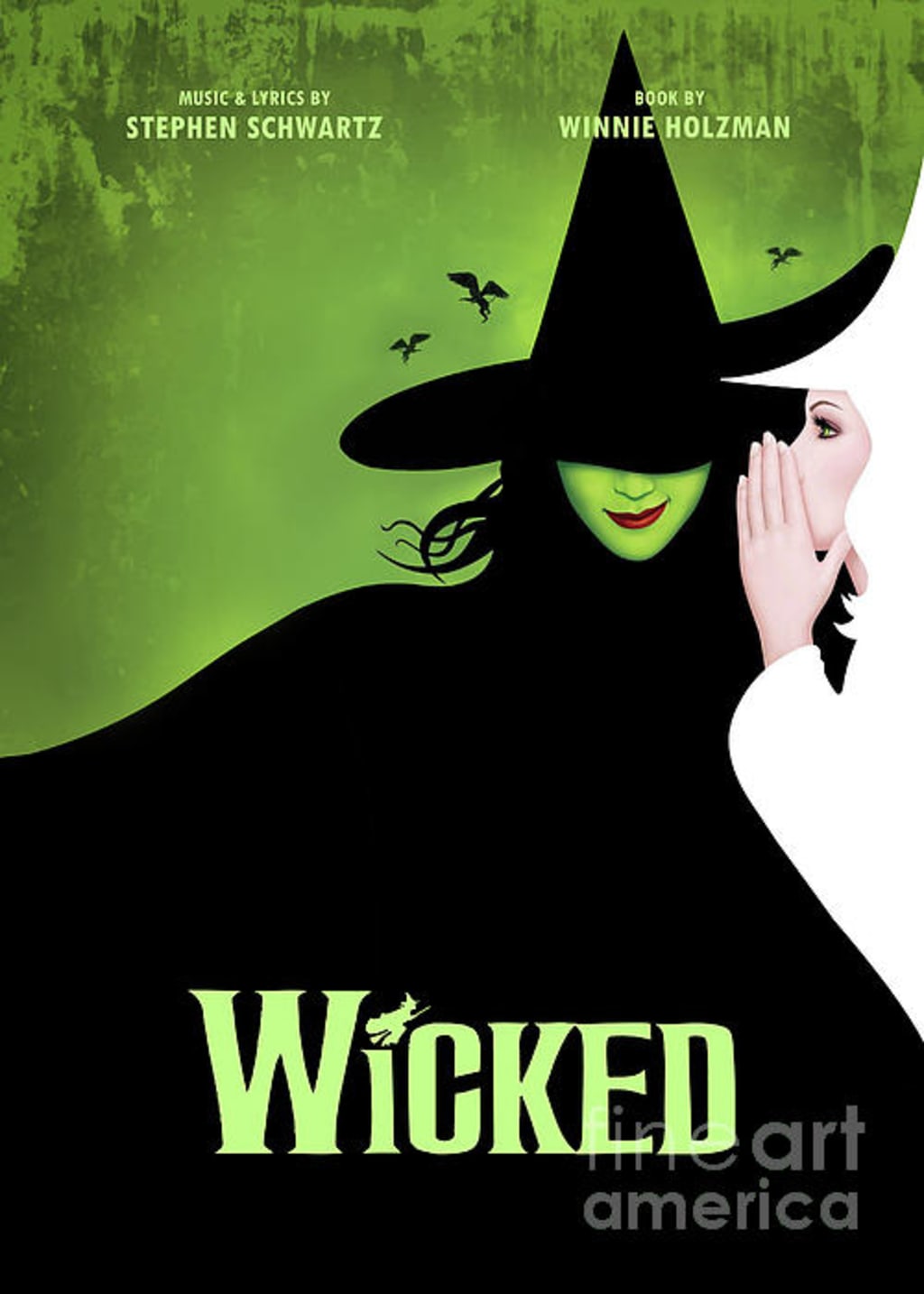
The movie starts where the Wizard of Oz ends: the celebration of The Wicked Witch of the West’s death. It starts off with an opening number to introduce the message of the musical, Glinda and the reputation of Elphaba - The Wicked Witch of the West. It’s called No One Mourns the Wicked. It’s personally my favorite song. Elphaba’s green nature is a reflection of the horrible actions of her mom which sets up part of the message. Some dialogue in the middle of the song in a recitative secco sense follows to present the nature vs. nurture debate. “Are people born Wicked? Or do they have Wickedness thrust upon them?” This iconic line says it all. The comments she gets at her birth already show the prejudice that she’ll further receive.
These are just the arguments the musical starts with so I want to go over the themes that this beautiful and emotional musical presents to the audience inspired by the Wizard of Oz.
Friendship
The opposites attract dynamic of Elphaba and Glinda is a beautiful representation of how simple acts bring people together and how the right people will change you for good. Their relationship starts out rocky, based on bigotry and superficiality, which is shown in ‘What Is this Feeling’ as it explains how much they loathe each other. It’s seen in the lyrics “Every little trait however small” with their teenage melodrama and how they fundamentally disagree on everything. Even though the start of their friendship came from ill intentions of Glinda accidentally indirectly helping Elphaba through pairing Nessarose and Boq, their complementary personalities blended together to ground the other. We see their parallels in ‘Defying Gravity’ on how Elphaba needs immediate justice whereas Glinda believes in a pragmatic route to mitigate the animal suffering. Both of their plans have a key flaw, Elphaba was made to be an enemy of Oz as she ruined her reputation which just put her in more harm and caused her plan to fail and Glinda had the absence of action which allowed so many animals to get harmed before she did anything. They both had the right ideas but poor execution which is why they need each other for a compromise shown in ‘For Good’ which is a stunning ballad. The line that stands out is “Because I knew you” as it shows the impact the two friends have had on each other's lives.
Another key friendship was Dr. Dillamond and Elphaba on how they connected through their views on the injustices in Oz. This was a stepping stone for Elphaba to find out the truth about the wizard and create change. Two notable relationships were Fiyero with Glinda and Elphaba even though they were romantic relationships, the bonding was used more as a tool for the girls to have character development. Glinda learns to live without him as a status symbol and Elphaba finds someone who loves her for who she truly is. That's why ‘Dancing Through Life’ is more of a comedic song - which stems from light opera - as it's meant to be superficial and ‘As Long as You’re Mine’ is an intense power ballad.
Nature vs. Nurture
As discussed earlier, The opening number - ‘No One Mourns the Wicked’ - presents the nature vs. nurture debate through our lovely green friend. She becomes the number one enemy of Oz and the most wicked witch but what determines her wickedness? Was she born that way? Or was she conditioned to be that way by her surroundings? There’s no denying the message forgets that nature can have an impact as Glinda was born to be charming and Elphaba always had her intelligence. However, what truly makes up a person is how they’re nurtured, Glinda was brought up as a child to be snobby but as her environment changes with Elphaba teaching her compassion. Elphaba was brought up to be the wicked witch she looks like but she denied that fate as she gets to overwrite her “nature” by how she presents herself to the world. ‘Defying Gravity’ is a climatic number to show her going against all the odds and writing her own destiny the way she wants to.
Superficiality and bigotry
Elphaba is constantly put down for the color of her skin which is a real representation of being a minority due to race or other features. In Elphabas ‘I want’ song, ‘The Wizard and I’, she subtly lets out that she wishes she weren’t so green but what tested her limits as a character was when she had a decision to stay with our favorite fraud - the wizard - to get rid of the green. In the end, she knew what was important to her, which was the animals and their rights. Fiyero and Glinda are seen to be very superficial characters but there's more under the surface which they learn to become open about what's on the inside. The animals also face prejudice as we see someone commit a hate crime to Dr. Dillamond by writing “animals should be seen, not heard”. This invoked so much fear that the animals were fleeing to safe areas in Oz in a panic.
Individualization of blame
A common political rhetoric is to blame individuals for systemic issues, which is also known as scapegoating. This diverts attention from a place of corruption seen by The Wizard having no power and taking advantage of a naive Elphaba to do his bidding. The animals in Oz get oppressed so the wizard can blame Oz’s problems on them for speaking out. This is how civilians were made to be conditioned into this problematic thinking about the whole system. This represents how minorities are blamed for systemic racism too.
Conclusion
In conclusion, this musical brings in so many themes that are timeless and important to our world that we need to recognize. The music was brilliantly produced to carry the story and messages, while staying fun. The crew wasn’t afraid to shy away from the classic opera techniques on how Glinda's vocals are in ‘No One Mourns the Wicked’ and the aria style of I’m Not That Girl and the dance scene at the ballroom. Wicked is one of the most famous Broadway musicals and for good reason.
About the Creator
Enjoyed the story? Support the Creator.
Subscribe for free to receive all their stories in your feed.
Comments
There are no comments for this story
Be the first to respond and start the conversation.