


There weren’t always dragons in the valley. Only when Aunt Amana played with fire. She could spin flames around herself in a living cage and would sometimes nudge them into house-high dragons, or lions small enough to cup in her palm. And she wasn’t even the most talented artist on Ari’s street.
When Ari was a child, she thought her street was the whole world.
Everyone she had ever known lived there. Her grandparents, who dusted the top of cookies with raw sugar crystals so large they caught the light and shimmered like fairy tale diamonds. Lthele, who wove clothes out of ribbons and bells that frolicked in a animated commentary on your every step. Petre, who had fingernails of every color and whose house bloomed with flags, rippling in the wind like a balloon inhaling to take off.
The houses on Ari’s street were mostly living, not built, and she thought every color that existed was already splashed across those houses. There was the silver house with its copper pipes. The burning magenta shutters of the turquoise one, its porch wide enough to nap on even if you were a little girl and not a cat. The one whose color couldn’t even be seen past the heaps of ferns who sighed and swished all around its windows, turning its porch into a jungle fort. Ari hid in it sometimes, pretending she was one of Amana’s fire dragons. Except one who could leap out of Amana’s grassy valley and fly off on its own adventure.
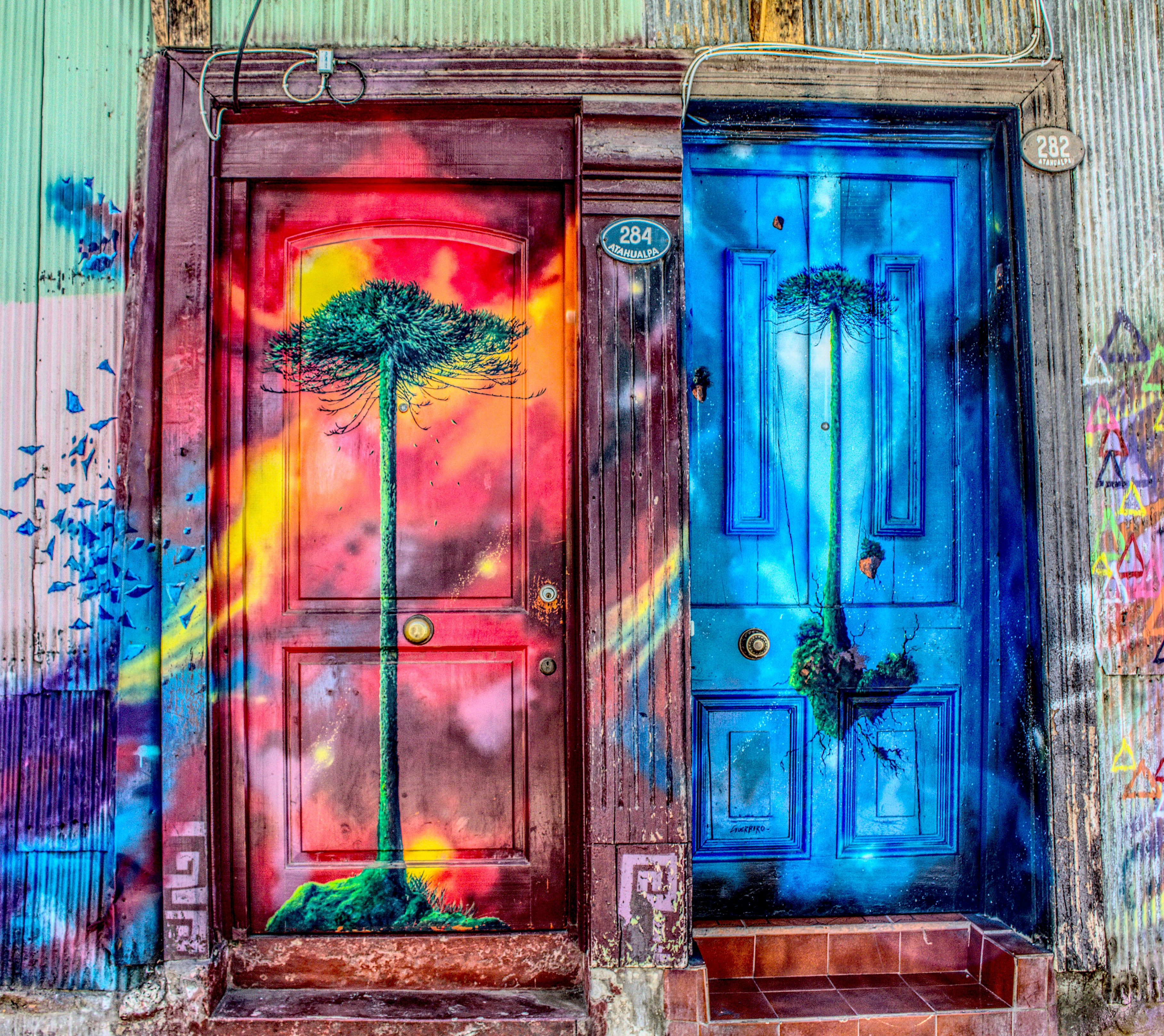
Ari’s street was everything, and she was so full of its delights that she was seven, maybe eight, before she turned the corner. That summer shone so brightly that the sun seemed to warm her legs into growing the same way it did the vines of Ivy House. By fall, the garden fence seemed lower than it had ever been. The cabinets in the kitchen easier to reach. And when Ari began to walk, she hit the corner at the end of her street so fast that it just seemed natural to keep going and see what was on the other side of the block.
The other side of the block, as it turned out, was magic.
Houses of summer blue, not simply cerulean. Windows hung with shimmering stones so you couldn’t see through them so much as into them. Vines twining up a tree, growing so thick you could climb them. Puppies, all tumbling over one another in their rush to lick her fingers. Strangers, but ones who smiled easily at the wide-eyed child and her sun-stretched legs. They had cakes, which were like cookies but four, six, sometimes ten times as large. They always seemed to be baked all thick and soft, with clouds of icing slathered around every edge.
Ari decided that she loved cakes.

By the time that fall tipped toward the rains of winter, she’d turned another corner, and another, and world after world spun open to her, full of more delights. She walked until even her summer-grown legs were tired, and walked some more, just to see what she could discover next.
Then she found the wall. It stretched tall and wide, so heavy you could feel the heft of it just by pushing, even though it didn’t shake even under even her most ferocious kicks. Ari’d never seen a wall before. People had fences, sometimes, delicate wrought iron things with flourishes on top to save them being ugly. Of course no one wanted to block the view of their porch and their art, so no one ever built a fence higher than their waist.
This one was taller than Ari’s head, taller than an adult’s head. Maybe even taller than a giraffe’s head, though she didn’t have a giraffe to check. She followed the wall, trailing her hand along the wildly painted murals that seethed one into another all along its length.
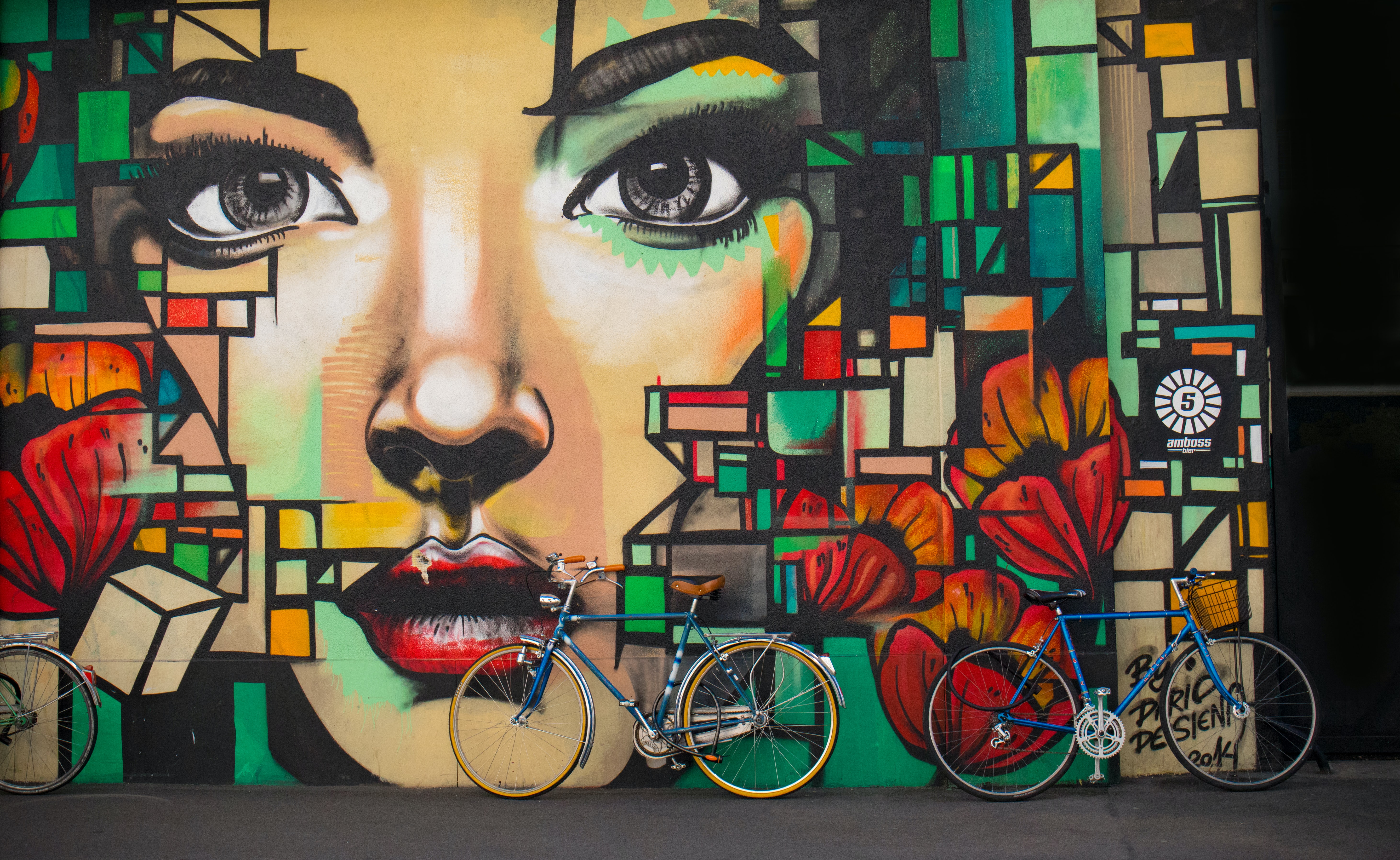
She walked and walked, looking for the next corner, until she’d been gone so long even the light had gotten tired and turned in for the day. For the first time, she had to knock on an unfamiliar door and ask a stranger to help her home.
The street with the dragons made of fire, she told him as she climbed into his car. The house with the fountains out front whose water would laugh with you if you told it a good enough joke. He knew the one, and drove her back up the wall the way she’d come. The street lamps were on now, their light arched so high that it showed her an uneasy thing.
The decoration stopped at the top. None of the murals splashed color high enough to make it up and over the curved cement top of the wall. It was higher than a person could reach and perhaps even higher than the ladders of those who did their dancing through paint.
It made sense, Ari thought, curling her cheek tighter into the cradle of the stranger’s seatbelt as they drove. No one else in New Angel had a wall. Of course no one had ever needed a ladder any taller than a house could grow.
The next day, rested and fortified with fresh cookies, she came back to the wall and set off the other way, certain she’d find a corner. Once she’d grown old enough to start looking, there had been corners everywhere. The feeling from yesterday, she told herself, was just a scrap. That sense of an exhale that never came back in, the ache in her neck from looking up up to the point where even the paint couldn’t go…it had only happened once. One torn-out day against weeks and months and years of other days that had never been like that before.
Until they were.
That night, a new stranger brought her back, this one with mirror-beaded skirts so fluffy Ari had to sit in the backseat to get a ride home. Her parents looked at each other with worried eyes and that’s when they told her. There’s another world, beyond where the paint ends. We don’t go there.
But what about next summer, she asked. Surely I’ll grow again. Maybe then we can go beyond the wall.
No, they said, trading glances. Not next summer.
But they were wrong.
Ari was sure of it. Her parents had known everything there was to know up until now, but the wall…there was something about the tallness of it. The bareness at the top that spoke of fresh frontiers. It was a corner, she understood that, just one that bent a different way. It was harder to turn but she’d grown up enough to turn a corner once, and she believed she could do it again.
After all, when she’d done it the first time, there’d been cake. And puppies and vines you could swing from. If she got beyond the wall, what wonders could there be?
Dragons made of fire, but solid enough you could climb on and ride. Paint so thick that you didn’t use it to color other things, it was the whole thing all on its own. Tunnels and swings and carousels of paint, wrapping you up in brightness until you couldn’t help but dance and laugh and twirl…Ari couldn’t wait to see the world beyond the wall.
She began reading books about travellers. People that jumped trains and learned to fly planes and walked and walked and walked until they became someone else. Hobos were her favorite because they always had fur on their faces, and they could carry everything they needed in a bright red handkerchief tied to a stick.
Ari borrowed her father’s handkerchief and repurposed a broom. She trimmed the puppy on the next block with her safety scissors and furred her own face with that and Elmer’s Glue, even though it made her sneeze.
She was ready. As soon as she grew big enough, she’d find a way to turn the new corner up and over the wall and into the wider world of delights beyond.
She couldn’t wait for summer, so she tried in winter and spring, and twice during Carnevale. When summer finally came again, she still hadn’t found the corner into the world outside. Even her growth spurt that year was sluggish, like she’d already drained all the growing energy out of her legs going back and forth to the wall.
Her parents were wrong, though. That was the year she would see beyond the wall. Though it wasn’t because she grew.
The change began with the wind.
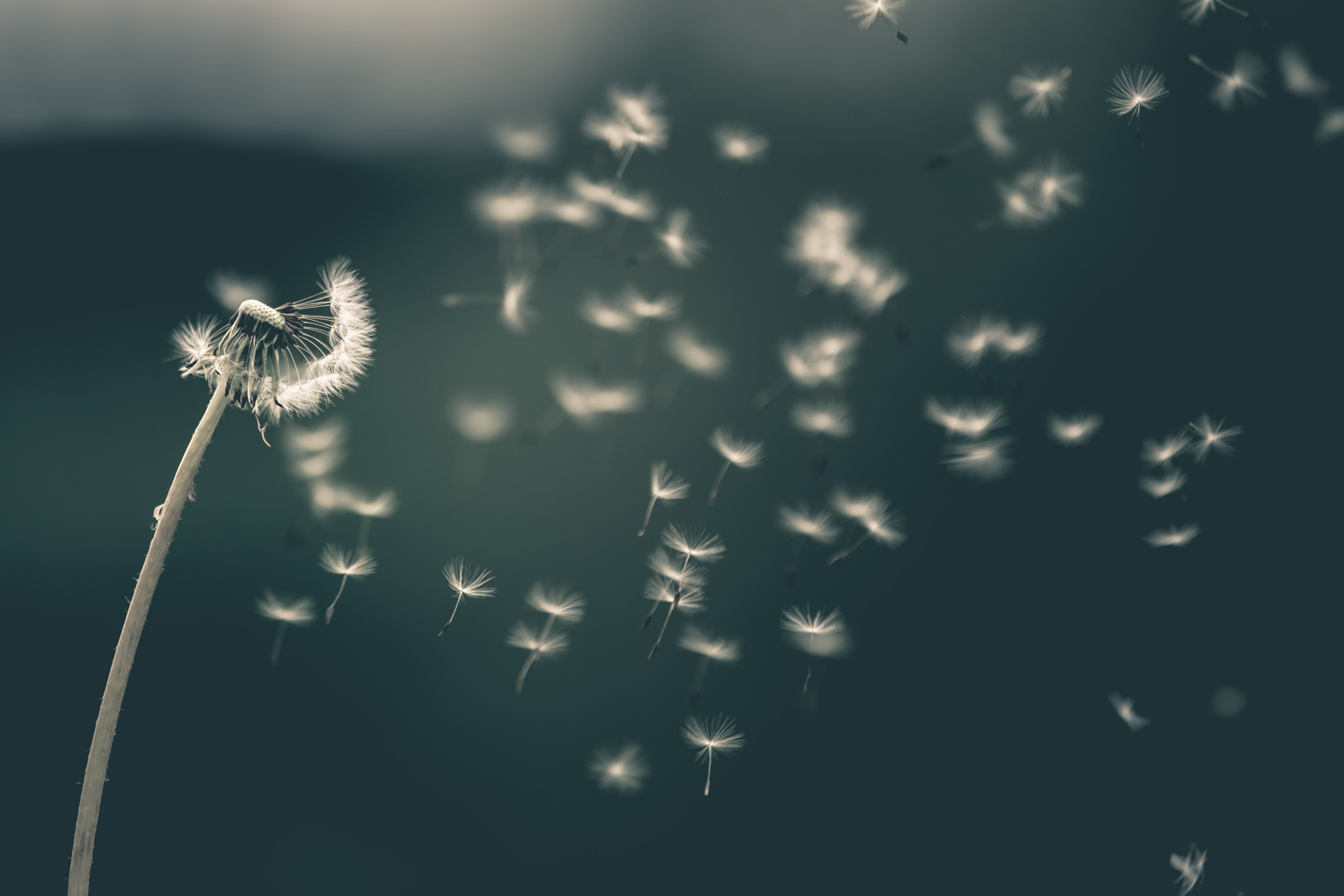
Not the kind that fluttered the leaves down into the laughing fountains.
Not the kind that trilled new music from the Chime House down the street.
Not even the kind that broke branches from the trees and made her father flip all the shutters and hug them closed over the window glass with thick arms of wood.
No, this was the kind that cracked houses. Living or built, it didn’t matter. The living houses could bend and hunker a bit, so sometimes they lasted longer, but Ari caught her mother whispering to a neighbor that the last storm like this had taken three dozen living houses in one bite. Clean gone before morning and only scraps in the street to mark their passage.
Ari wasn’t sure she wanted to see the kind of wind that could eat you up whole.
Her parents began to pack their things. Much, much more than a handkerchief on a stick. They stuffed the car full up over the windows and turned off the fountains so all their water lay flat and faceless unless Ari stood right there to nudge animals up out of its surface with her little fingers.
“Leave it,” her mother said when she saw her dancing the pool. “There’s water where we’re going.”
Her father gave her mother a look when she said it, like the Far Away Water might not really be the same. Ari ran inside for a cup and scooped some out of the fountain, just in case water didn’t know how to laugh where they were going. Out there, perhaps the water came in colors, and could go where it would without even needing containers or riverbanks to cradle it the way their water did. Perhaps she’d be the first to introduce laughing water to walking water. When they got in the car, she held the cup cradled in her lap.
Her father was driving, and he began turning corners as the wind got stronger. So, so many corners that by the time they approached the wall, she didn’t recognize any of the art on its surface. It must be a piece of the wall farther than anywhere she’d been able to walk.
The wall here…was open. Thick cement wings had swung outward to create a portal and cars streamed through it, fleeing north from the wind one after another with their windows blotted out with all the things their people had taken with them. Ari bounced in her seat, the laughing water spilling heedlessly out of her cup as she strained to see what was beyond the edges of her world. The everything that would be better, brighter than any corner she’d turned yet. She looked out, and blinked twice at what she saw.
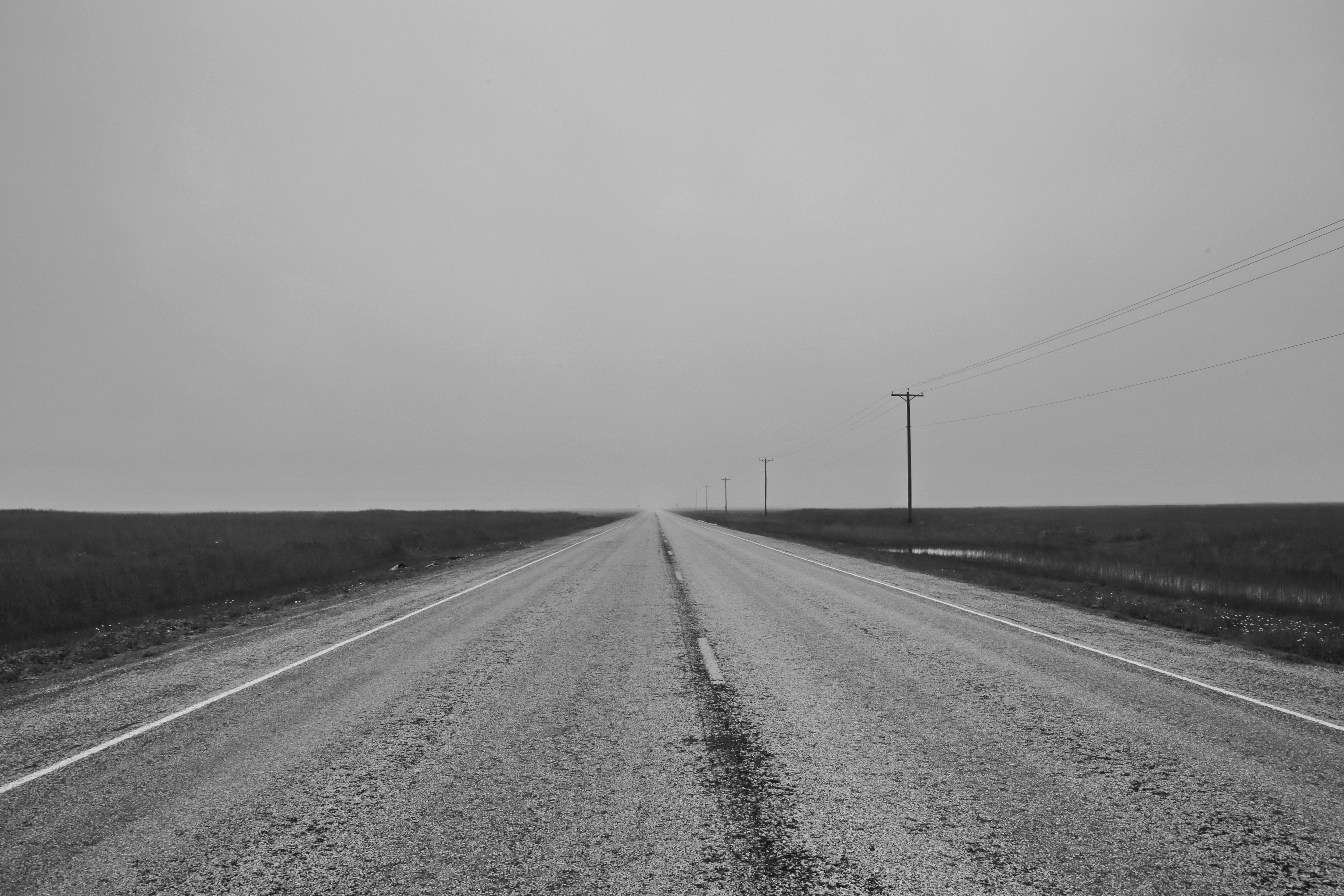
The paint ended at the edge of New Angel, and beyond was just gravel, un-dyed and plain, and asphalt with no murals or inlay. The brightest thing was the trash and it was everywhere. Along the edges of the road that was retching with cars trying to get out of New Angel. Why wouldn’t anyone pick up the trash, out here?
Didn’t they know how to make it into something new? Something beautiful?
Ari would help. Making trash new again was one of the first things her parents had taught her. She would teach it to them, these people outside the wall. She waited patiently to see some of them, these New Outside People. But it didn’t happen right away.
She decided all the grey was just because this was an in-between. After all, New Angel was a city-state, so she’d never actually been in a place between cities before. When they got to the next city, surely it would be better.
Getting to the next place wasn’t quick. The road was full, some cars steering out into the shoulder and dropping a tire into the un-dyed gravel shoulder to try and get around each other. They all wanted to be first to see the world outside, Ari understood that well enough. But they took up all the space there was until everyone had to drive as slowly as a man walking. Then a little girl walking. Soon, they were as slow as Ari had been before her legs grew out. Never, she thought. At this pace they’d never get through the in-between and to another city.
When at long last she glimpsed walls looming up from the weeds, Ari squirmed out of her seatbelt and pulled her knees under her on the seat so she could stand higher, see further.
It was odd, how plain the buildings stood. Like every single one was built.
Of course, that couldn’t be right. Surely they had living houses, too. No town could exist without house-makers. They just must be further in. Perhaps they protected the edges of town with only the houses they could build without nudges.
As her family crept into the town, the cars from New Angel began to scatter, turning corners to new streets and making space for other cars. Outside cars. Ari caught her breath, her lungs like two balloons lifting up, up, up. Would the new cars be powered by pears or shaped like a flower? As big as a barge maybe, or pulled by ostriches?
Except none of the cars in this built-house city seemed…better? Mostly, they were the same as the New Angel cars, but with no feathers on the dashboard, no crystals in the hubcaps. Every last one was painted a single color.
Only.
One.
Color.

Ari sagged back onto her heels, her hands gripping the empty cup as her feet grew slowly numb under her weight. Perhaps it didn’t matter that she’d spilled the laughing water. She was no longer so certain that she could find it a friend, out here.
They didn’t stop in the first town, nor the second. Ari slouched further down, her feet falling to the floorboards, her head drooping until she could just barely see over the edge of the window. She didn’t want to look, but she couldn’t risk not seeing if there was even one living house left out here.
Her mother kept glancing at her with concerned eyes, and finally she reached back and squeezed Ari’s knee.
“I know it’s hard to see,” she said, “the first time. But don’t worry. The people out here aren’t sad. They don’t know any better.”
Ari hoped that was true.
She wanted it to be true.
But the cars of only one color told a different tale. If they didn’t know, they wouldn’t paint their cars or houses at all. Ari’s heart ached, because she could see they were trying. They were still painting, but only one color at a time like it was all they could handle.
The final blow was the man.
It was well after dark when they finally stopped the car at a squat building made of spit-colored blocks. Her father went inside a square room with square windows and came back out with a key to a room where he said they could stay for tonight..
Ari got out, part of her afraid the air out here wouldn’t fit properly in her lungs. It whipped her hair up around her head, the wind still strong even this far from New Angel, and it was breathable, but it tasted like dying dirt. She followed her parents across the blank parking lot as her fingers worried the slightly stiffened place where the upturned water had dampened her skirt, then dried into nothing without its container.
Against the wall of the just-for-tonight building slouched a man. He looked haphazard, like the pieces of garbage tossed along the road that no outside people knew how to make new again. His face was furred like a hobo from one of her books, but his bags were made of black, torn plastic, not red cotton handkerchiefs.
She didn’t have it left to hope this time that he would be different, because she’d seen people all along the way here. No capes, no feathers, no bells. Simple clothes in one or maybe two colors at a time, never more. As if they had to ration joy out here because there wasn’t enough to go around.
She nodded to the man, but he didn’t look up. Slowly, she came to a stop, her parents leaving her behind as she finally understood the problem.
She’d seen that vacant, sucked-dry look on people before. It was rare in New Angel but it did happen. It was art block. When the well ran dry or you looked too closely at your neighbor’s creation and your own collapsed. In New Angel, it was always tinged with embarrassment because you were the only one gone still—around you, everyone else was still dancing, in water or paint or with their own bodies. But out here, the not-quite-hobo man didn’t even budge. He wasn’t embarrassed. He was too far gone.
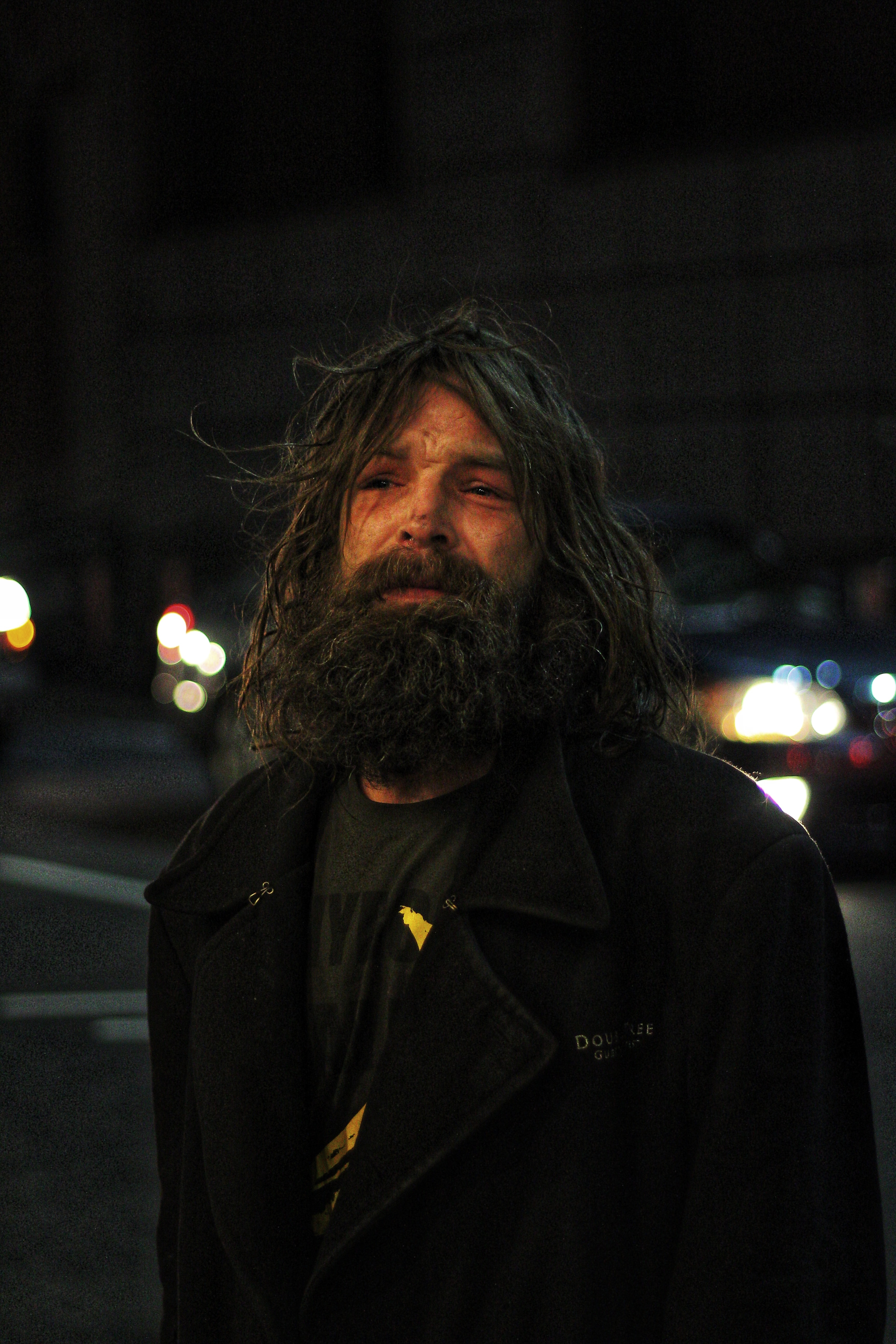
That’s when Ari understood: out here, they’d all gone empty.
And she understood something else, too.
Even if the wind took the house straight off her head, she’d rather stay in New Angel and blow away with it than drain her veins to dust in the outside world.
There was nothing out there for her, not a single thing that was better than what she already had.
She never evacuated again.
About the Creator
Michelle Hazen
I am an author, writing coach, editor, unrepentent nomad, and cheese addict.
Enjoyed the story? Support the Creator.
Subscribe for free to receive all their stories in your feed.
Comments
There are no comments for this story
Be the first to respond and start the conversation.