
What If the Moon Collided with Earth?
Understanding a Cosmic Catastrophe

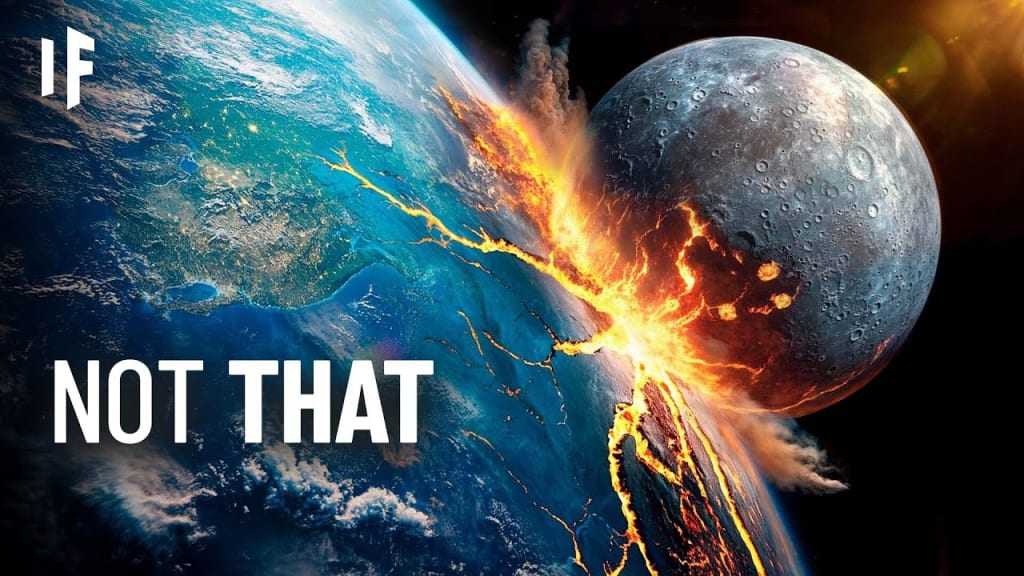
The Moon, our planet's natural satellite, plays a vital role in shaping Earth's environment. From influencing tides to stabilizing Earth's axial tilt, the Moon significantly impacts life as we know it. But have you ever wondered what would happen if the Moon collided with Earth? This catastrophic cosmic event, while purely hypothetical, opens up fascinating possibilities and dire consequences. Let’s dive deeper into this concept and explore its potential impacts on Earth and its inhabitants.
How Does the Moon Impact Earth?
The Moon is more than just a shining orb in the night sky. Its gravitational pull regulates ocean tides, influencing ecosystems and marine life. Moreover, the Moon stabilizes Earth's axis, maintaining a consistent climate that is crucial for sustaining life. A collision between the Moon and Earth would disrupt these delicate balances, leading to devastating consequences.
The Collision Scenario: What Would Happen?
A Moon-Earth collision would likely result in one of the most catastrophic events in the history of our planet. Scientists predict that such an event would release an enormous amount of energy, leading to:
Massive Explosions and Shockwaves:
The impact would trigger immense heat, causing widespread fires and shockwaves powerful enough to destroy structures across the globe.
Formation of a New Atmosphere:
The debris from the collision could create a new, denser atmosphere filled with dust and gases. This would block sunlight, resulting in a "nuclear winter" scenario that could last for years.
Global Extinction of Species:
The sudden change in climate and massive disruptions to ecosystems could lead to the extinction of most life forms.
Tectonic and Volcanic Activity:
The force of the collision would likely destabilize Earth's tectonic plates, triggering widespread earthquakes and volcanic eruptions.
Could Humanity Survive?
The chances of human survival in the event of a Moon-Earth collision are slim. The resulting environmental changes, including prolonged darkness, freezing temperatures, and toxic air, would make Earth uninhabitable for most species. Even advanced technology and preparation may not suffice to protect humanity from such extreme conditions.
Can This Actually Happen?
The Moon is gradually moving away from Earth at a rate of approximately 3.8 centimeters per year, making a collision improbable under current conditions. However, in a scenario where external forces—such as the gravitational influence of another celestial body—alter the Moon's orbit, a collision could theoretically become possible. This remains a topic of speculation and scientific inquiry.
Lessons from the Hypothetical Scenario
While a Moon-Earth collision is unlikely to happen, this thought experiment highlights the fragility of our planet and the importance of understanding cosmic phenomena. It emphasizes the need for continued research in astrophysics and planetary defense to prepare for potential celestial threats, such as asteroids or comets.
Conclusion: The Moon's Vital Role in Earth's Stability
The Moon's presence is integral to the stability and sustainability of life on Earth. While a collision scenario is purely hypothetical, exploring such possibilities underscores the interconnectedness of cosmic forces and their impact on our planet. By studying and appreciating these celestial relationships, we can gain a deeper understanding of the universe and our place within it.
What If the Moon Collided with Earth? Exploring the Consequences of a Cosmic Catastrophe
The Moon has been Earth's constant companion for billions of years, influencing tides, stabilizing the planet's axial tilt, and inspiring wonder in countless cultures. But what if the unthinkable happened—the Moon collided with Earth? While this scenario is purely hypothetical, the consequences would be unimaginably catastrophic. Let’s explore the impact of such a cosmic event and what it might mean for life on Earth.
The Importance of the Moon in Earth's Stability
Before diving into the potential collision scenario, it's essential to understand the Moon's critical role in Earth's environment. The Moon's gravitational pull regulates ocean tides, which in turn affect marine ecosystems and even weather patterns. Additionally, the Moon stabilizes Earth's axial tilt, ensuring a relatively consistent climate over time. Without the Moon, Earth would face erratic weather and unstable conditions, making it much harder for life to thrive.
What Happens During a Moon-Earth Collision?
A collision between the Moon and Earth would unleash unparalleled destruction. Here are some of the key consequences:
Massive Impact and Heat Release:
The collision would generate an immense release of energy, producing heat intense enough to ignite global wildfires. This energy would also create shockwaves powerful enough to flatten structures and landscapes across the globe.
Debris Cloud and "Nuclear Winter":
The impact would eject a colossal amount of debris into the atmosphere. This debris cloud would block sunlight, plunging the planet into prolonged darkness and drastically lowering temperatures—a phenomenon often referred to as "nuclear winter."
Global Extinctions:
Drastic climate changes, coupled with toxic air and a lack of sunlight, would lead to the extinction of most life forms on Earth. Ecosystems would collapse, unable to adapt to the sudden and extreme environmental shifts.
Tectonic Instabilities:
The force of the impact would likely destabilize Earth's tectonic plates, triggering massive earthquakes and volcanic eruptions worldwide.
Destruction of the Atmosphere:
The shockwaves and heat could strip away parts of Earth's atmosphere, leaving the planet exposed to harmful radiation from space.
Could Humanity Survive a Moon Collision?
Survival in the aftermath of a Moon collision is highly unlikely. The lack of sunlight and plummeting temperatures would disrupt agriculture and food supplies, leading to widespread starvation. Even underground bunkers and advanced technology may not suffice to protect humanity from the long-term effects of such a catastrophic event.
Is a Moon Collision Possible?
The Moon is gradually drifting away from Earth at a rate of about 3.8 centimeters per year, making a collision increasingly unlikely under current circumstances. However, in an alternate scenario where external forces—such as the gravitational influence of another celestial body—alter the Moon's trajectory, a collision could theoretically occur. Thankfully, this remains an extremely remote possibility.
Lessons from Hypothetical Scenarios
While a Moon-Earth collision is unlikely, such thought experiments underscore the importance of understanding celestial phenomena and their potential impacts on our planet. They also highlight the need for continued advancements in space exploration and planetary defense strategies to protect Earth from other potential threats, like asteroids or comets.
Conclusion: A Fragile Balance in the Cosmos
The Moon's presence is vital for the stability of Earth's environment and the sustainability of life. Though a collision scenario is highly improbable, exploring its consequences serves as a reminder of the delicate balance that governs our planet's relationship with celestial bodies. By studying these cosmic interactions, humanity can gain a deeper appreciation for the forces that shape our existence and work towards safeguarding our planet from potential cosmic threats.
About the Creator
Samantha
Hi, I'm Samantha! cosmic explorer through words, crafting thought-provoking "what if" scenarios and uncovering the mysteries of the universe with imagination and curiosity.
Read Also On: https://medium.com/@mypoetry
Enjoyed the story? Support the Creator.
Subscribe for free to receive all their stories in your feed.
Comments
There are no comments for this story
Be the first to respond and start the conversation.