

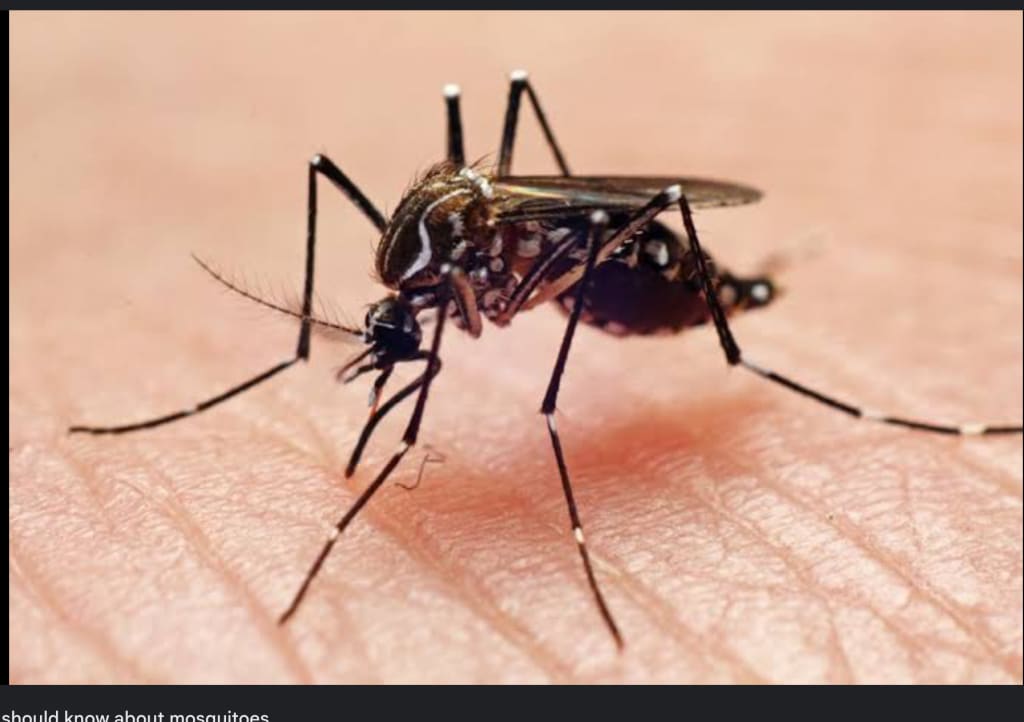
Mosquitoes are the deadliest creatures on Earth. They suck blood and spread diseases, killing nearly one million people each year. This might sound surprising. After all, we often think of vampires or big predators as deadly. However, mosquitoes are responsible for diseases like malaria, yellow fever, and dengue virus. They bite an infected person and then bite you, injecting saliva that carries disease into your bloodstream.
Mosquitoes also harm animals and livestock worldwide. A single bite can be fatal for them too. So, how can we eliminate these pests? First, we need to estimate how many mosquitoes are on Earth. This is very difficult to determine. In Alaska alone, there may be about 7 trillion mosquitoes. Due to global warming, they can survive in places like this, and there are trillions more elsewhere.
There are some potential solutions. Bats eat mosquitoes safely. One bat can eat 600 mosquitoes in an hour. If we had enough bats, they might help control the mosquito population. However, managing the bat population may be a complex issue.
We also need to understand how mosquitoes reproduce. They feed on blood not for themselves but to support their larvae. This means getting rid of blood is not a viable solution. A more effective approach could be releasing genetically modified male mosquitoes. These males wouldn’t bite and would produce only sterile offspring. While this could take decades, the goal would be eventual eradication of mosquitoes.
What would happen if mosquitoes were gone? Millions of people would no longer get sick and die. We could enjoy summer outdoors without fear of bites. Animals would also be safer. The overall impact of eliminating mosquitoes seems mostly positive.
Some people worry about the ecological balance. Mosquitoes do play a role in the food chain. Certain animals, like birds and bats, eat them. However, these creatures can survive without mosquitoes. Mosquitoes also pollinate some plants, but their contribution is minimal.
Eliminating mosquitoes raises ethical questions. There are thousands of mosquito species, but only a few bite and spread disease. Some theories suggest that mosquitoes help protect the Amazon rainforest by making it difficult for loggers. Furthermore, the growing human population might benefit from having fewer mosquitoes around.
Overall, the benefits of getting rid of mosquitoes appear to outweigh the drawbacks. It could lead to reduced disease and fewer deaths. But this brings us to a hypothetical question: What if, instead of wiping out mosquitoes, half of the Earth’s population disappeared in an instant?
About the Creator
Aisam Faisal
I’m a writer
Enjoyed the story? Support the Creator.
Subscribe for free to receive all their stories in your feed.
Comments
There are no comments for this story
Be the first to respond and start the conversation.