
Titanic: The Unsinkable Tragedy
A Night of Hubris, Horror, and Heartbreak on the Atlantic

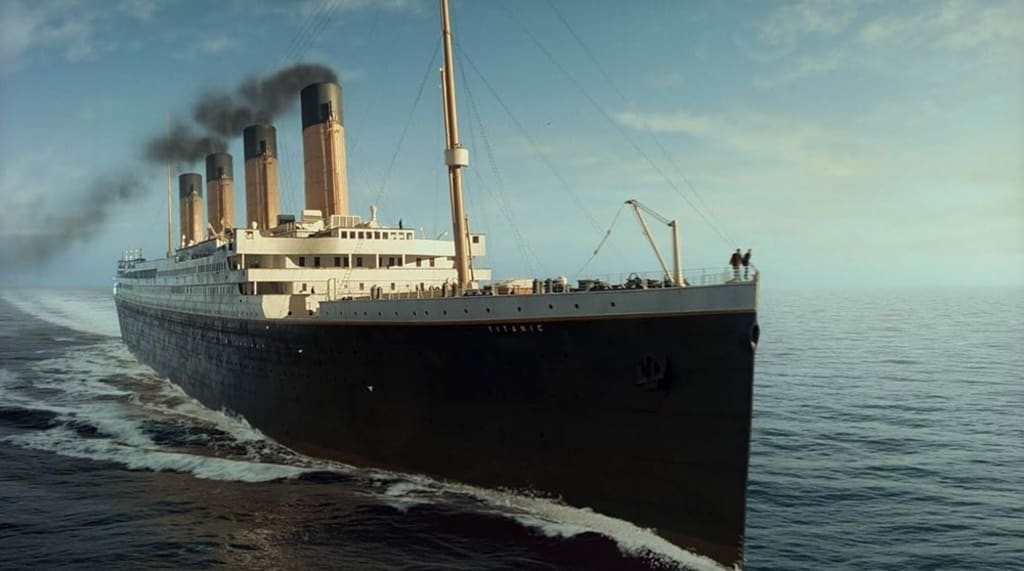
April 10th, 1912. The world held its breath as the grandest ship ever built, the RMS Titanic, embarked on its maiden voyage. A marvel of engineering and opulence, it was hailed as unsinkable—a floating palace destined to conquer the Atlantic. Among its passengers were the rich and powerful, immigrants seeking new beginnings, and those drawn by the sheer magnificence of this behemoth.
Commanding this grand vessel was Captain Edward John Smith, a seasoned mariner with decades of experience. The Titanic stretched an astonishing 882 feet in length and towered over 175 feet high. The interiors were beyond luxurious, rivaling the most opulent hotels. Heated pools, Turkish baths, grand staircases, and gourmet dining halls—all designed to showcase human ingenuity. Built at a staggering cost of $7.5 million (over $400 million today), it was considered an engineering marvel. But the ocean is a cruel mistress, and arrogance often precedes tragedy.
Warnings came early. April 12th, 1912—the Titanic received its first ice warnings. The North Atlantic was treacherous, scattered with icebergs like silent sentinels waiting in the dark. Yet, the ship pressed on, undeterred, at a breakneck speed of 21.5 knots. More warnings followed. Seven in total. But they were ignored. A fatal mistake.
April 14th. The night was eerily still. No moon to guide them, no light to reflect off the monstrous ice lurking ahead. The lookout men in the crow’s nest, their vision blurred by the bitter cold, spotted it too late. At 11:39 PM, a vast iceberg loomed ahead. Panic. The bell rang three times. A desperate phone call. "Iceberg, right ahead!"
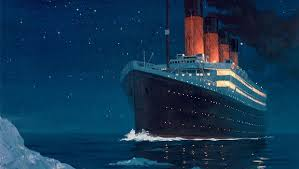
First Officer Murdoch reacted instantly, ordering the ship to turn. The engines reversed. But the Titanic was too massive, too fast. Just one minute later—11:40 PM—the unavoidable happened. The iceberg, a behemoth spanning 400 feet, its jagged peaks towering like a frozen fortress, scraped against the Titanic’s side. A terrible grinding echoed through the ship. A monstrous wound tore through its steel hull.
Water surged in, filling compartment after compartment. The ship’s famed safety features—double hull, watertight compartments—were powerless against the ocean’s wrath. The Titanic had been designed to withstand four flooded compartments. Six were breached. The unsinkable was sinking.
Midnight. Captain Smith ordered a distress call. Radio operator Jack Phillips, relentless in his duty, sent SOS signals into the abyss. A response came—RMS Carpathia. But salvation was 66 miles away. It would take over three hours to arrive. The Titanic had far less time.
Passengers remained calm, believing in the ship’s invincibility. The first lifeboats left half-empty, a grim mistake that would seal hundreds of fates. But as the ship’s bow dipped beneath the waves, panic set in. Chaos erupted. The truth was undeniable—Titanic was doomed.
1:00 AM. The great ship tilted forward. Propellers emerged from the water like eerie, metallic limbs. Screams filled the night. Lifeboats were no longer a choice; they were a desperate fight for survival. But there were too few—20 lifeboats for over 2,200 souls. Only 1,200 had a chance.
2:05 AM. The final lifeboat departed. 1,500 people remained, clinging to whatever they could. Some, resigned to fate, stood still. Others plunged into the freezing abyss. The water was a merciless killer, its temperature at 28°F, enough to steal breath and life within minutes.
2:20 AM. The Titanic groaned, her body breaking under pressure. A final, harrowing crack echoed across the water as she split in two. Her severed halves plunged into the depths, swallowed whole by the black sea.
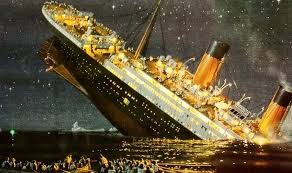
The Carpathia arrived at dawn, but it was too late. The sea, once still, was now a graveyard of frozen bodies and shattered dreams. But the horror didn’t end there. Another ship had been nearby—the SS Californian. Just 22 miles away. They had seen the Titanic’s distress rockets. They had watched and done nothing. Their radio had been turned off.
Investigations followed. Fingers pointed at Captain Lord of the Californian, at the White Star Line, at the Titanic’s own officers. A cascade of failures had led to the catastrophe. The lifeboats had been too few. Safety drills had been canceled. Warnings had been dismissed. Greed had dictated speed, with White Star Line executives pressuring Captain Smith to make record time.
The Titanic’s legacy is eternal. Her wreck was found in 1985, resting 12,500 feet below, her remains now devoured by the sea. Plans to build a replica, Titanic II, have lingered but remain unrealized. Yet the world still whispers her name, a chilling reminder of human hubris.
The ship that could never sink... did. And the ocean remembers.
About the Creator
Jessica
Step into a world where reality blurs with the unknown. From eerie real-life stories to mind-bending conspiracy theories, I uncover the strangest unsolved mysteries and chilling unexplained events. Dare to explore the shadows with me?
Enjoyed the story? Support the Creator.
Subscribe for free to receive all their stories in your feed.
Comments
There are no comments for this story
Be the first to respond and start the conversation.