
The Voice in the Static
The truth was hidden between the silence

People say grief arrives in stages.
They are wrong.
Grief does not line up politely at the door, waiting its turn. It crashes through windows. It kicks in locks. It sits at your table and eats what little peace you have left.
By the age of twenty-nine, I knew this better than most.
My first memory of loss came wrapped in winter.
I was six years old when my father decided to drive us through a snowstorm because he believed “careful men make their own luck.” My mother sat beside him, warning him to slow down, while I slept in the backseat under a blanket that smelled like detergent and home.
When I woke, the world was upside down.
Glass glittered around me like frozen rain. The car had rolled into a ditch. My father’s hand hung limp through the broken window. My mother’s voice, which had always sounded like music, was gone forever.
People later called it an accident.
To me, it was an ending.
I was sent to live with my grandfather, Elias, a stern man with rough hands and a soft heart he tried hard to hide. He owned a watch repair shop tucked between a bakery and a tailor. Every afternoon after school, I sat beside him while he fixed clocks and pocket watches.
“Everything broken can speak again,” he would say, adjusting tiny gears through a magnifying lens. “You only need patience.”
He fed me soup when I was sick. He taught me to shave. He never once forgot my birthday.
When nightmares woke me, he would knock on my bedroom door and pretend he needed help finding a screwdriver. He knew I slept easier after hearing footsteps in the hall.
For twelve years, he kept me stitched together.
Then one summer afternoon, I returned from university to find the shop closed early.
Grandfather was lying behind the counter, one hand resting on an unfinished wristwatch.
The doctor said his heart had stopped quickly.
As if that made it kinder.
I buried him on a Thursday and sat my final exams on Monday.
I passed with honours and hated myself for it.
Life, cruelly, continued.
I became an accountant because numbers felt safer than memories. Numbers behaved. Numbers followed rules. They could be balanced, corrected, explained.
People could not.
At twenty-seven, I met Mira.
She laughed with her whole body, as if joy were too large to keep inside. She painted sunflowers in winter and left notes in ridiculous places: inside shoes, cereal boxes, jacket pockets.
One note simply read:
You look handsome when you’re annoyed.
Another said:
Please remember to buy milk and also forgive yourself.
I loved her before I understood I was allowed to.
We rented a small apartment above a florist shop. Every morning smelled of roses and wet pavement. Every evening felt like a reward for surviving the day.
For two years, I believed loss had finally grown tired of me.
Then came October ninth.
Rain hammered the windows from dawn. I worked late and ignored three missed calls from Mira, assuming she wanted takeaway for dinner or to remind me to bring batteries.
When I opened our apartment door, the silence was wrong.
No music.
No paintbrushes tapping against jars.
No Mira singing lyrics she never knew properly.
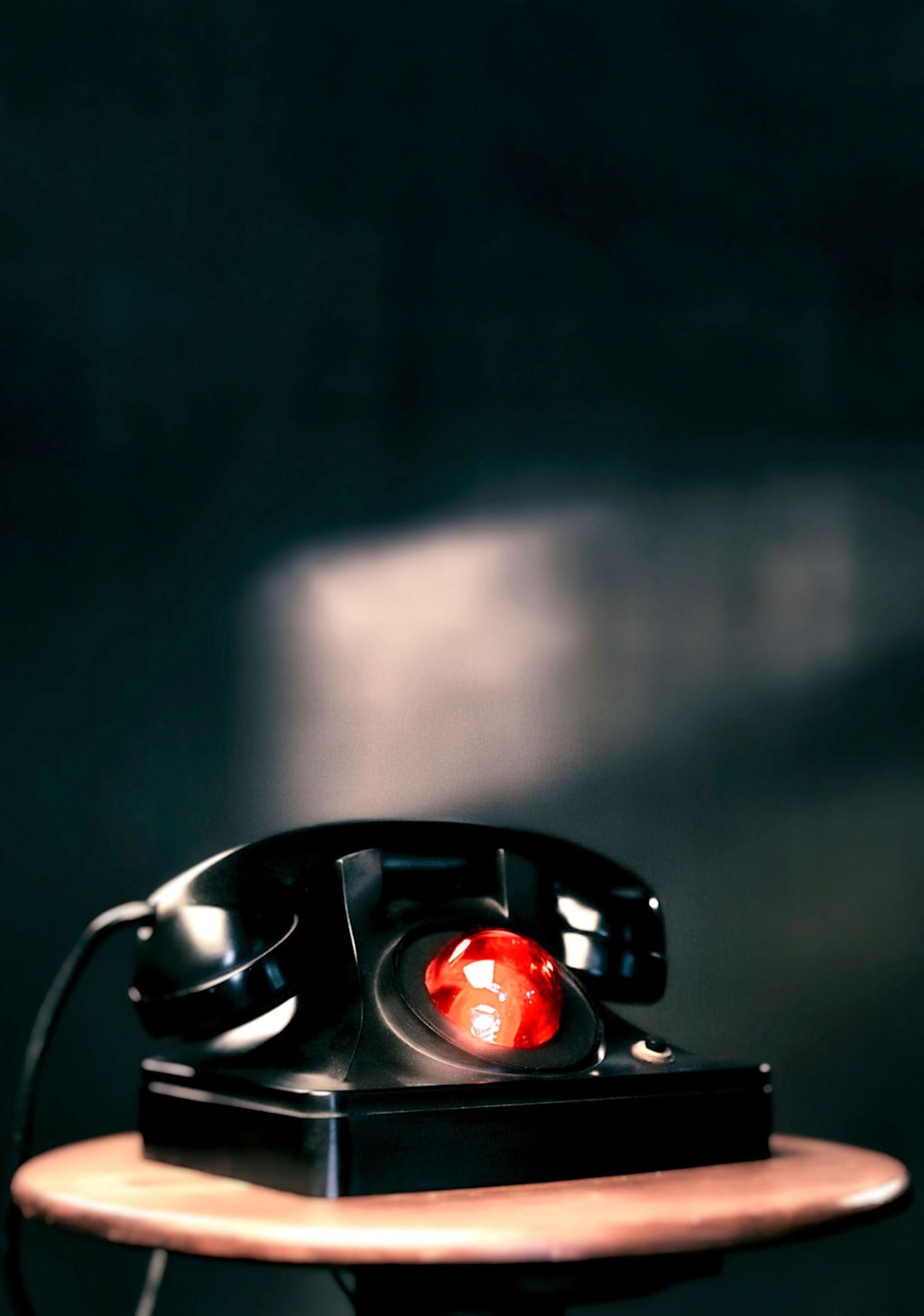
On the kitchen table sat my old answering machine. We kept it only because she liked “retro nonsense.”
Its red light blinked.
Three messages.
I pressed play.
The first was from the clinic.
“Mr. Hale, this is St. Vincent’s Hospital calling regarding your grandfather’s archived records. Please call us back when convenient.”
A mistake, I thought. Dead records for dead men.
The second was from my manager reminding me about a morning meeting.
The third began with static.
Then breathing.
Then Mira.
“Jonah, if you hear this, don’t panic. I think someone followed me from the station. I didn’t want to scare you, so I came upstairs quietly. I’m probably overreacting.” She laughed nervously. “See? Already embarrassed.”
A pause.
Cupboard doors opened somewhere behind her.
Her voice returned, smaller now.
“There’s someone in the apartment.”
My knees buckled.
On the recording, footsteps crossed our kitchen floor.
Mira whispered, “I’m in the bedroom closet. I’ve locked it. I’m calling the police after this message.”
Something struck wood.
Once.
Twice.
Then a man’s voice, muffled and cheerful:
“Wrong place to hide.”
I screamed for her to run, though the message was two hours old.
There was crashing. A cry. Heavy breathing.
Then silence.
The machine clicked and rewound.
I do not remember calling the police. I do not remember the sirens, the neighbours, the officer asking me to sit down.
I remember only the bedroom closet door hanging from one hinge.
And the sunflowers overturned across the floor.
They never found the man.
There were fingerprints, shoe prints, camera footage from the station too blurred to help. Detectives spoke gently and promised effort, which is what people offer when they cannot offer answers.
Weeks later, I returned to work because grief is expensive.
Months later, I learned to sleep with lights on.
A year later, I still played the message.
Not the whole thing.
Only the beginning.
Only her voice saying my name.
Sometimes I wondered why she called the machine instead of my mobile.
Then I remembered.
My battery had died that morning.
I had forgotten to charge it.
The night before what would have been our wedding day, I sat alone in the apartment, listening again.
This time I heard something new.
Behind Mira’s breathing, beneath the rain, just before she whispered there was someone inside—
A ticking sound.
Small.
Steady.
Mechanical.
Like gears turning.
Like the watches my grandfather used to mend.
My chest tightened.
I rewound and listened again.
Tick.
Tick.
Tick.
Then the cheerful voice:
“Wrong place to hide.”
I knew that voice.
Not from the station.
Not from the street.
From childhood.
From nights when nightmares woke me and footsteps came to my bedroom door.
My grandfather had always knocked three times.
And then he would say, warm and gentle through the wood:
“Wrong place to hide, boy. I found you.”
The police reopened nothing.
They said trauma creates false connections.
Perhaps they are right.
Perhaps grief had finally broken my mind.
But in the back of Grandfather’s old shop, hidden inside a rusted biscuit tin, I found dozens of women’s rings, newspaper clippings, and one photograph of Mira stepping off the train.
On the back, in his careful handwriting, were five words:
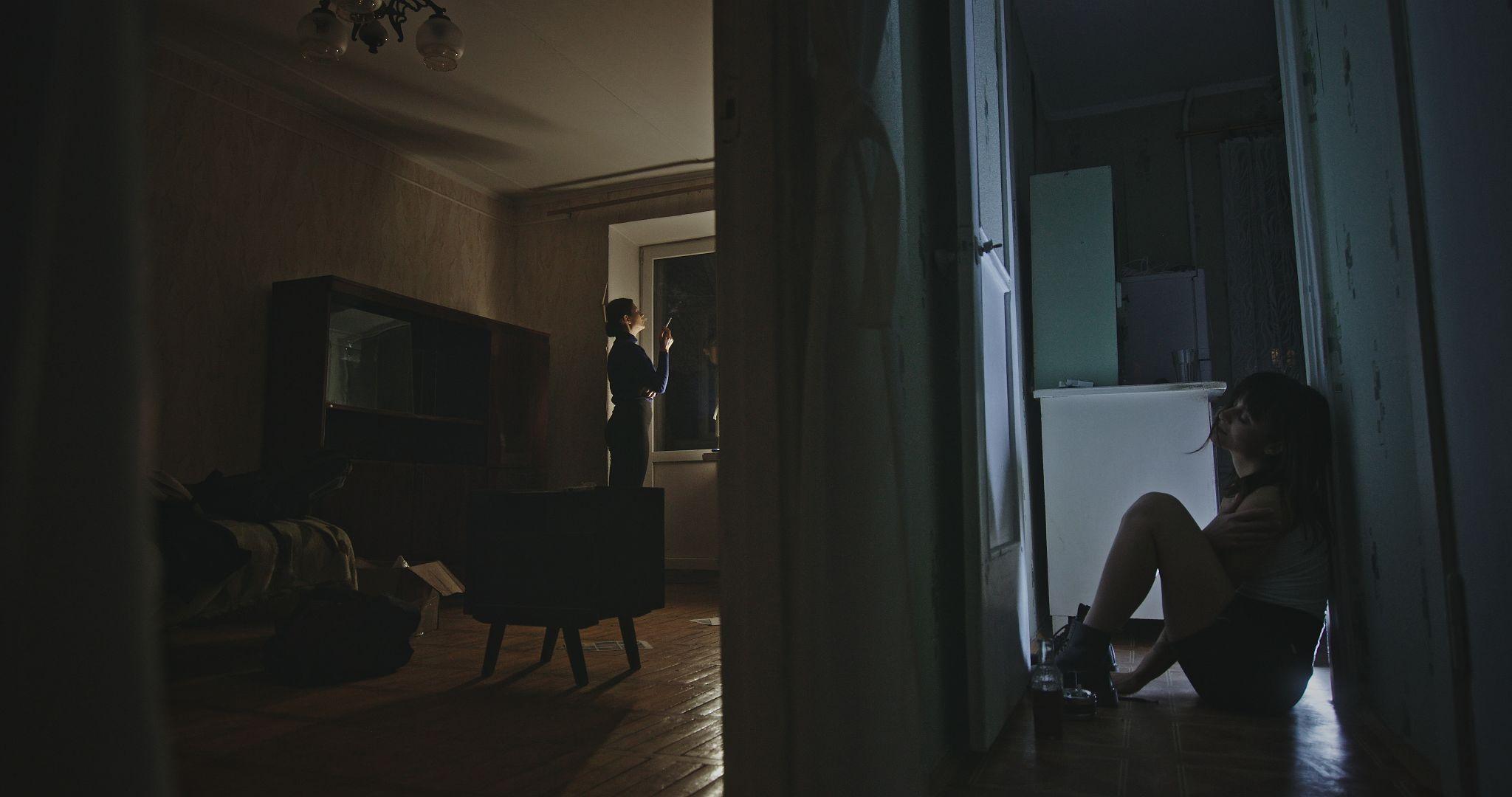
Everything broken can speak again.
About the Creator
Abdul Wahid Tajik
🚀 Storyteller | Sharing powerful ideas, real experiences & trending topics.
💡 Motivation • Money • AI • Life Lessons
📖 New stories every week — follow the journey.
✨ Read, learn, grow.
Enjoyed the story? Support the Creator.
Subscribe for free to receive all their stories in your feed.
Comments
There are no comments for this story
Be the first to respond and start the conversation.