
The Time-Traveler's Dilemma:
Navigating the Consequences of Changing the Past
The concept of time travel
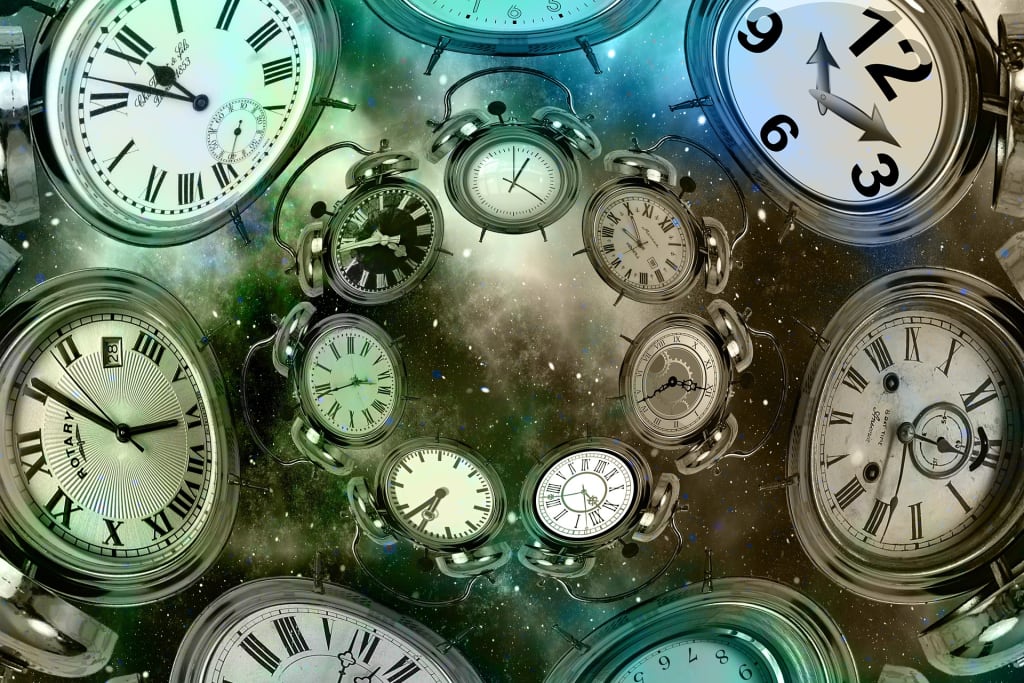
The concept of time travel refers to the hypothetical ability to move through time, either forwards or backwards. The idea of time travel has been a popular topic in science fiction and fantasy for decades, and has been explored in literature, film, and television. In physics, the concept of time travel is based on the idea that time is a dimension, similar to space, and that it is possible to navigate through it. Theoretical physicists have proposed various models for time travel, such as wormholes, cosmic strings and the manipulation of black holes, however, no one have been able to prove the existence of such phenomena and it remains in the realm of science fiction.
Time travel, if possible, would have a profound impact on society in various aspects.
The thesis statement suggests that if time travel were to become a reality, it would have significant and far-reaching effects on society in a variety of ways. These could include changes to our understanding of the past, our ability to alter historical events, and the impact on science, culture, and the economy. The statement implies that the topic of the blog will be exploring these potential impacts in detail.
The Possibility of Changing the Past
Benefits of changing the past, such as preventing historical disasters.
If time travel were possible, one of the most significant benefits would be the ability to change the past, which could have enormous consequences for the present and future. One of the most obvious examples of this would be the ability to prevent historical disasters, such as the Holocaust or the September 11th terrorist attacks. This would not only save countless lives but also have a positive impact on the world as we know it today.
Additionally, time travel could be used to prevent other types of disasters, such as natural disasters or accidents, by providing advance warning of the event. It could also be used to prevent crime and injustice, by allowing us to go back and stop criminals before they can commit their crimes.
Furthermore, changing the past could also be used for more positive purposes, such as promoting peace and understanding among nations and cultures. This could be done by encouraging leaders of different countries to meet and discuss their differences before conflicts occur.
Moreover, it could also be used for more personal purposes, such as correcting mistakes that we made in the past, and it could help to heal emotional wounds caused by past traumas.
In conclusion, the ability to change the past, if time travel were possible, would have many potential benefits, such as preventing historical disasters, natural disasters, crime, injustice, promoting peace, correcting mistakes and healing emotional wounds.
potential negative consequences of changing the past, such as altering the course of history.
While the ability to change the past could have many potential benefits, it could also have significant negative consequences. One of the most significant of these would be the potential to alter the course of history. Changing even a small event in the past could have a ripple effect that alters the outcome of many other events, potentially leading to a very different present and future.
Another consequence would be the potential for unintended consequences. Changing the past with the intention of making the present better, but it could also have unintended and unforeseen negative consequences that could be worse than the original situation.
Additionally, the ability to change the past could also lead to the creation of alternate timelines, which would be confusing and could lead to a loss of continuity in the historical record. This would make it difficult to understand and study the past, and could lead to confusion and disagreement about what actually happened.
Furthermore, changing the past could also lead to moral and ethical dilemmas. For example, if we could change the past, what would be the consequences for the present? What rights would we have to change history? Who would be responsible for making these decisions, and how would we ensure that they are made for the greater good?
In conclusion, if time travel were possible, changing the past could have significant negative consequences such as altering the course of history, unintended consequences, alternate timelines, and moral and ethical dilemmas. These consequences would have to be carefully considered and addressed before attempting to change the past.
The Impact of Time Travel on Science
How time travel could be used to study the laws of physics in new ways.
If time travel were possible, one of the most significant benefits would be the ability to change the past, which could have enormous consequences for the present and future. One of the most obvious examples of this would be the ability to prevent historical disasters, such as the Holocaust or the September 11th terrorist attacks. This would not only save countless lives but also have a positive impact on the world as we know it today.
Additionally, time travel could be used to prevent other types of disasters, such as natural disasters or accidents, by providing advance warning of the event. It could also be used to prevent crime and injustice, by allowing us to go back and stop criminals before they can commit their crimes.
Furthermore, changing the past could also be used for more positive purposes, such as promoting peace and understanding among nations and cultures. This could be done by encouraging leaders of different countries to meet and discuss their differences before conflicts occur.
Moreover, it could also be used for more personal purposes, such as correcting mistakes that we made in the past, and it could help to heal emotional wounds caused by past traumas.
In conclusion, the ability to change the past, if time travel were possible, would have many potential benefits, such as preventing historical disasters, natural disasters, crime, injustice, promoting peace, correcting mistakes and healing emotional wounds.
The potential applications of time travel in the field of science and technology.
While the ability to change the past could have many potential benefits, it could also have significant negative consequences. One of the most significant of these would be the potential to alter the course of history. Changing even a small event in the past could have a ripple effect that alters the outcome of many other events, potentially leading to a very different present and future.
Another consequence would be the potential for unintended consequences. Changing the past with the intention of making the present better, but it could also have unintended and unforeseen negative consequences that could be worse than the original situation.
Additionally, the ability to change the past could also lead to the creation of alternate timelines, which would be confusing and could lead to a loss of continuity in the historical record. This would make it difficult to understand and study the past, and could lead to confusion and disagreement about what actually happened.
Furthermore, changing the past could also lead to moral and ethical dilemmas. For example, if we could change the past, what would be the consequences for the present? What rights would we have to change history? Who would be responsible for making these decisions, and how would we ensure that they are made for the greater good?
In conclusion, if time travel were possible, changing the past could have significant negative consequences such as altering the course of history, unintended consequences, alternate timelines, and moral and ethical dilemmas. These consequences would have to be carefully considered and addressed before attempting to change the past.
Impact of time travel on our understanding of the universe and our place in it.
If time travel were possible, it could have a profound impact on our understanding of the universe and our place in it. One of the most significant implications would be the ability to study the past and future in a whole new way. This would allow scientists to test theories and make new discoveries that would deepen our understanding of the universe and our place in it.
For example, time travel could be used to study the origins of the universe by observing events that occurred in the distant past. It could also be used to study the far future, which could provide insights into the ultimate fate of the universe. Additionally, time travel could be used to study the properties of space-time, and it could help to test and develop theories such as general relativity and quantum mechanics.
Moreover, time travel could also have implications for philosophy and our understanding of the nature of time. It would raise new questions about the nature of causality, determinism, and the possibility of multiple timelines. It could also challenge our understanding of the concept of "free will" and the idea that our actions are determined by the past.
Additionally, time travel would also impact our understanding of our place in the universe. It would raise questions about the possibility of a multiverse, and it would challenge the idea that the present is a unique moment in the history of the universe.
In conclusion, if time travel were possible, it would have a profound impact on our understanding of the universe and our place in it. It would allow us to study the past, future, and properties of space-time in a whole new way and raise new questions about the nature of time, causality, determinism, free will, and our place in the universe.
The Impact of Time Travel on Society
Potential impact of time travel on the economy and labor market.
If time travel were possible, it could have a significant impact on the economy and labor market. One of the most obvious ways it could affect the economy would be through tourism. People could travel back in time to witness historical events or visit famous places, which would create a new market for travel and tourism. This could also lead to the creation of new jobs such as tour guides, travel agents and historical reenactors.
Additionally, time travel could also have implications for the job market. For example, if scientists were able to travel back in time to study the past, they could make new discoveries that could lead to new industries and jobs. This could also be the case for other fields such as agriculture, mining and energy, as time travel could allow for new ways of resource extraction, and new ways of farming.
Furthermore, time travel could also have implications for the stock market. If investors could travel back in time to study the past, they could gain an advantage by knowing the outcome of historical events, which could lead to a significant change in the stock market.
Moreover, time travel could also have implications for the labor market. For example, if people could travel back in time to work, they could gain valuable skills and experience that would be valuable in the present. This could lead to an increase in productivity and efficiency, and could have a positive impact on the economy.
However, it could also lead to negative consequences, such as the displacement of workers, and the creation of a two-tiered labor market, where people with access to time travel have an unfair advantage over those who do not.
In conclusion, if time travel were possible, it could have a significant impact on the economy and labor market. It could lead to the creation of new industries, jobs, and opportunities, but it could also have negative consequences such as displacement of workers, and an unfair advantage for those who have access to time travel.
Potential impact of time travel on culture and entertainment.
If time travel were possible, it could have a significant impact on culture and entertainment. One of the most obvious ways it could affect culture would be through the arts. For example, writers, filmmakers, and other artists would have a new realm of possibilities to explore, as they would be able to tell stories that take place in different eras and historical periods. This could lead to a new wave of creative works that explore the past, present and future.
Additionally, time travel could also have implications for the entertainment industry. For example, people could travel back in time to witness famous events or meet historical figures, which could lead to the creation of new forms of entertainment such as live historical reenactments, holographic shows, and interactive museums.
Furthermore, time travel could also lead to new forms of tourism. People could visit famous historical sites, landmarks, and even attend events that have already happened in the past. This would create new opportunities for the tourism industry and could bring significant economic benefits.
Moreover, time travel could also have implications for the way we think about time and the past. It could lead to a greater appreciation for history, and a deeper understanding of how events in the past have shaped the world we live in today.
However, it could also lead to negative consequences such as the commercialization and trivialization of history, and the erosion of cultural heritage as people start to visit historical sites not for the sake of learning but for entertainment.
In conclusion, if time travel were possible, it could have a significant impact on culture and entertainment. It could lead to new forms of creative works, entertainment, tourism, and a deeper understanding of history, but it could also have negative consequences such as the commercialization and trivialization of history and the erosion of cultural heritage.
Impact of time travel on the way we think about time and the future.
If time travel were possible, it could have a significant impact on the way we think about time and the future. One of the most obvious ways it could affect our perception of time is by giving us the ability to move through it. This could change our perception of time from a linear, one-way progression to a more fluid and malleable concept.
Additionally, time travel could also have implications for our understanding of the future. If people could travel to the future, it would change the way we think about the future from an uncertain, unknown entity to a more tangible and knowable concept. This could lead to a greater sense of control over our future and a more proactive approach to shaping it.
Furthermore, time travel could also lead to a change in our sense of urgency and the way we value time. If we had the ability to go back and relive moments or fix mistakes, we may become less focused on the present and more focused on the past and future.
Moreover, time travel could also have implications for our sense of identity. If we could travel through time, we may see ourselves as more of a continuity of experiences, rather than a fixed entity. This could lead to a greater sense of connectedness to our past, present, and future selves.
However, it could also lead to negative consequences such as a sense of detachment from the present, a lack of responsibility for our actions, and an over-reliance on the ability to change the past or know the future.
In conclusion, if time travel were possible, it could have a significant impact on the way we think about time and the future. It could change our perception of time from a linear progression to a more fluid and malleable concept, and change our understanding of the future from an uncertain, unknown entity to a more tangible and knowable concept, but it could also have negative consequences such as a sense of detachment from the present, a lack of responsibility for our actions, and an over-reliance on the ability to change the past or know the future.
Summary
In this blog post, we discussed the potential implications of time travel if it were possible. We explored the possibility of changing the past, and the potential benefits and negative consequences that come with it. We also examined the impact of time travel on science, society, economy and labor market, culture, and entertainment. Additionally, we analyzed the impact of time travel on our understanding of the universe, our place in it, and the way we think about time and the future. The key points that were discussed are:
• The potential benefits of changing the past, such as preventing historical disasters, natural disasters, crime, injustice, promoting peace, correcting mistakes, and healing emotional wounds.
• The potential negative consequences of changing the past, such as altering the course of history, unintended consequences, alternate timelines, and moral and ethical dilemmas.
• The impact of time travel on science, and the ability to study the past, future, and properties of space-time in a whole new way, and raising new questions about the nature of time, causality, determinism, free will, and our place in the universe.
• The impact of time travel on society, economy and labor market, culture, and entertainment, and the potential positive and negative consequences of it.
• The impact of time travel on the way we think about time and the future and how it could change our perception of time from a linear progression to a more fluid and malleable concept, and change our understanding of the future from an uncertain, unknown entity to a more tangible and knowable concept.
In conclusion, the idea of time travel raises many questions and has far-reaching implications for our understanding of the universe, our ability to change the past, and the ethical and philosophical questions it would raise. While it may seem like a fantastical idea, the idea of time travel continues to captivate scientists and laypeople alike and it is important to consider the potential consequences before attempting to change the past.
Concluding thoughts and open questions about the impact of time travel on society.
In conclusion, the idea of time travel raises many questions and has far-reaching implications for society. While the potential benefits of changing the past and the ability to study the past and future in a whole new way could be enormous, it also raises important ethical and moral questions about our ability to change the course of history, and the potential negative consequences that come with it.
Furthermore, the impact of time travel on society, economy and labor market, culture, and entertainment also raises important questions about the potential positive and negative consequences it would have on our lives and the world as we know it.
It is important to consider these potential consequences before attempting to change the past or traveling through time. Additionally, it is important to remember that time travel remains in the realm of science fiction and there is currently no scientific evidence that time travel is possible, and any claim of a time machine or time travel is most likely a scam or a hoax.
Open questions about the impact of time travel on society include:
• How would the ability to change the past affect our understanding of history and our relationship with the past?
• What are the ethical and moral implications of changing the past?
• How would time travel impact the economy and labor market?
• How would time travel impact culture and entertainment?
• How would time travel impact our sense of time and the future?
• How can we ensure that the use of time travel is done for the greater good?
• How can we protect the cultural heritage and historical sites if time travel becomes possible?
These are just a few of the many open questions that arise when considering the potential impact of time travel on society, and it's important for us to continue to explore and consider these questions as we ponder the possibilities of time travel.
About the Creator
Enjoyed the story? Support the Creator.
Subscribe for free to receive all their stories in your feed.
Comments
There are no comments for this story
Be the first to respond and start the conversation.