
The Ship of Dreams and the Tragedy That Shook the World
A Detailed Account of the Ill-Fated Voyage That Redefined Maritime History
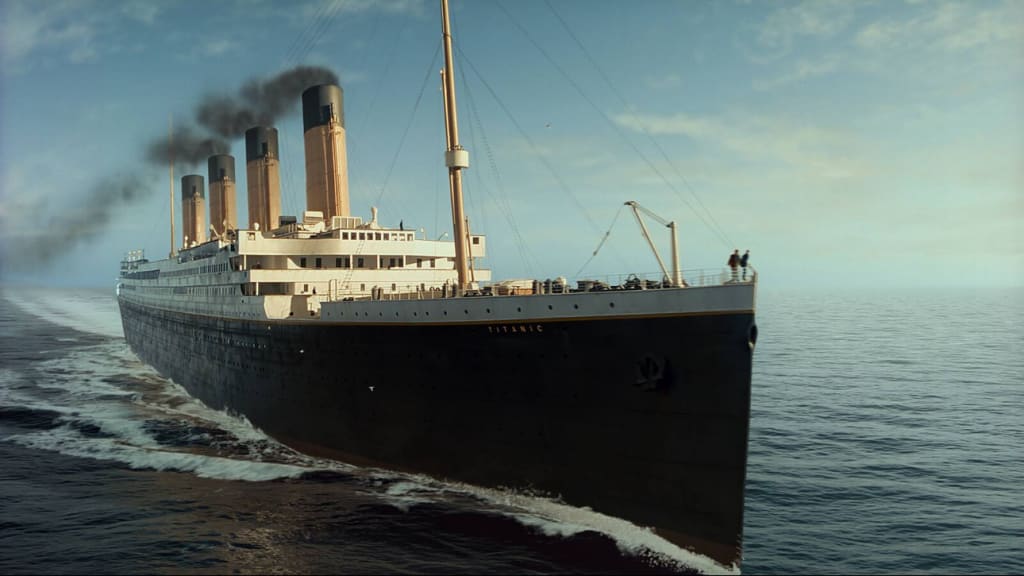
The RMS Titanic was more than just a ship—it was a marvel of early 20th-century engineering, a symbol of human ambition, and ultimately, a lesson in humility. Built by the White Star Line and constructed at the Harland and Wolff shipyard in Belfast, Ireland, the Titanic was designed to be the epitome of luxury and safety. It was one of three Olympic-class ocean liners, alongside the RMS Olympic and HMHS Britannic.
When it set sail on its maiden voyage on April 10, 1912, the Titanic was the largest and most luxurious ship in the world. Measuring approximately 882 feet long and 175 feet high, and weighing over 46,000 tons, it was often referred to as “unsinkable.” It boasted state-of-the-art technology, including watertight compartments and remotely activated watertight doors. The ship had accommodations for over 2,400 passengers and a crew of around 900, spread across three classes. First-class passengers enjoyed opulent amenities, including a gymnasium, swimming pool, libraries, high-end restaurants, and elegant cabins. Meanwhile, third-class passengers, many of whom were immigrants heading to the United States for a better life, traveled in more modest, but still relatively comfortable, quarters.
On April 10, Titanic left Southampton, England, with planned stops in Cherbourg, France, and Queenstown (now Cobh), Ireland, before making its transatlantic journey to New York City. On board were some of the wealthiest people in the world—like John Jacob Astor IV and Isidor Straus—as well as hundreds of hopeful immigrants. Despite warnings of icebergs in the North Atlantic, the ship continued at high speed.
On the night of April 14, 1912, at approximately 11:40 PM, the Titanic struck an iceberg south of Newfoundland. The collision created a series of gashes below the waterline, flooding five of the ship’s 16 watertight compartments—more than it could handle. As the forward compartments filled with water, the ship began to tilt forward, sealing its fate.
Panic and chaos ensued as passengers and crew scrambled for the lifeboats. One of the great tragedies of the Titanic was that it only carried 20 lifeboats, enough for just over half the people onboard—and far fewer than that were actually filled to capacity when they were launched. Many people believed the ship would stay afloat long enough to wait for rescue, not realizing how quickly the situation would deteriorate.
At around 2:20 AM on April 15, less than three hours after the iceberg collision, the Titanic broke in two and sank into the icy depths of the North Atlantic. The temperature of the water was below freezing, and hypothermia claimed the lives of many who didn’t go down with the ship. In total, more than 1,500 people lost their lives, making it one of the deadliest maritime disasters in history during peacetime.
Rescue came too late for most. The RMS Carpathia, which had received the Titanic’s distress signals, arrived around 4 AM and managed to rescue approximately 705 survivors. The sinking of the Titanic sent shockwaves around the world. It exposed serious shortcomings in maritime safety regulations and led to sweeping changes in international maritime law, including requirements for sufficient lifeboats, 24-hour radio watch on passenger ships, and the establishment of the International Ice Patrol to monitor iceberg dangers in the North Atlantic.
The wreck of the Titanic wasn’t discovered until 1985, when a team led by Robert Ballard located it more than 12,000 feet below the ocean’s surface. Since then, the story of the Titanic has fascinated generations, inspiring books, documentaries, and the famous 1997 film by James Cameron.
The Titanic remains a haunting reminder of human vulnerability in the face of nature, and a powerful symbol of the consequences of overconfidence and unheeded warnings.
About the Creator
Enjoyed the story? Support the Creator.
Subscribe for free to receive all their stories in your feed.
Comments (1)
Nicely performed your talent.