
🌙 The House with the Locked Room By: Research Scientist
some doors aren’t meant to be forced open. They unlock when you’re finally ready to heal.

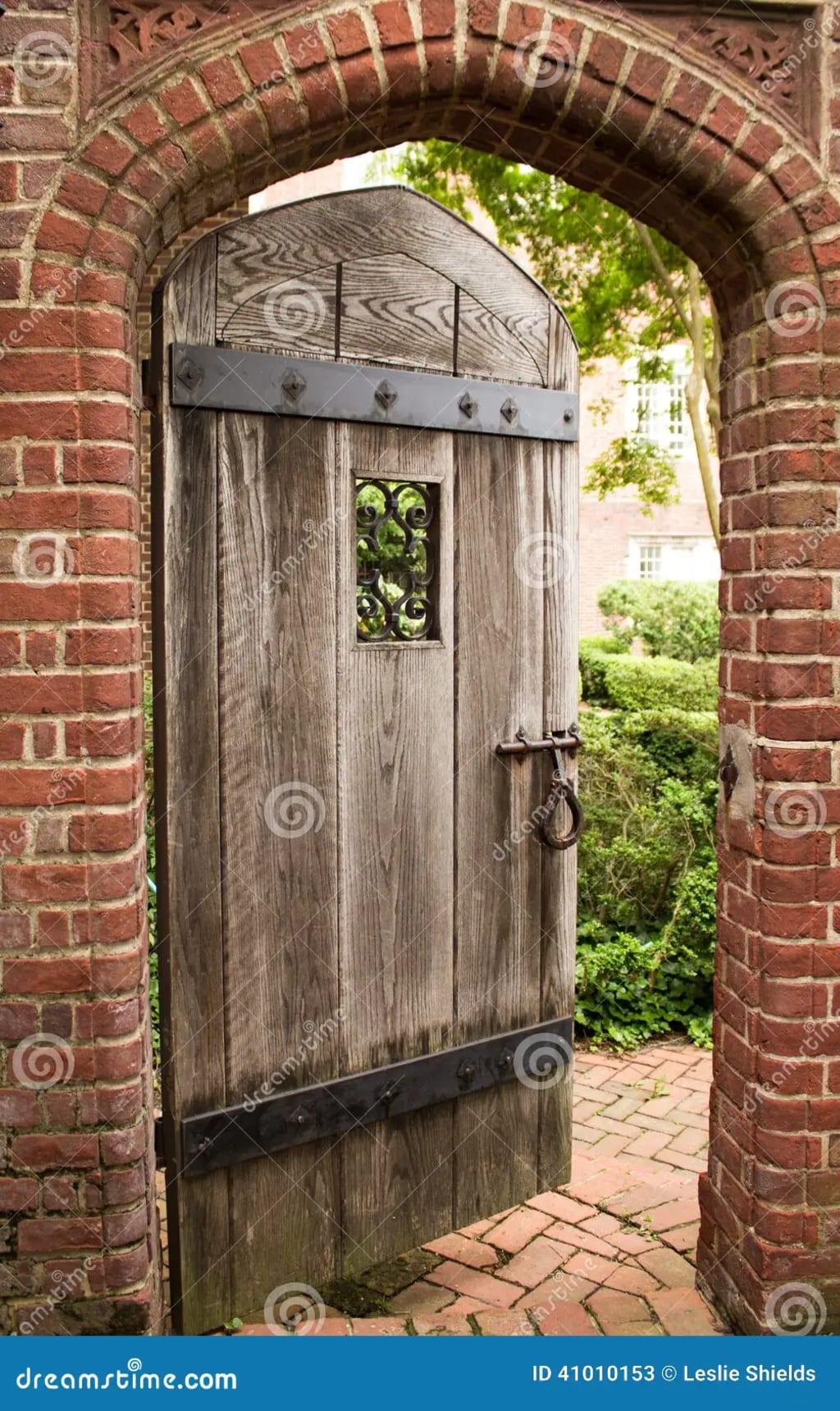
There was a house at the end of a quiet street. It wasn’t broken, but it looked tired—like it had held too many stories and was still trying to forget a few of them.
Inside that house lived a girl named Laila. She had inherited it from her grandmother, along with all its secrets.
The house had many rooms—some bright and filled with sunlight, others dark and dust-covered. But there was one room that had always been locked.
No key. No explanation.
Just a door that wouldn’t open.
Laila had tried many times. As a child, she had twisted the handle, knocked gently, even whispered, “Please let me in.”
Nothing happened.
So she left it alone.
She filled the other rooms with life—books, candles, laughter, quiet music in the afternoons. But the locked room always haunted her. Especially at night, when the house creaked and her heart felt heavy for no reason.
One rainy evening, Laila sat by the window, her thoughts tangled.
She had just ended a relationship that had drained her for months.
She wasn’t even sure if it had been love—or just the fear of being alone.
Her heart felt like a cracked cup. Still holding on, but unable to pour anything new inside.
She looked at the locked door.
Something about it felt… louder that night.
So she walked toward it, barefoot, her breath shallow.
For the first time in years, she didn’t try to force it open.
She just sat down beside it.
And she whispered, “I’m tired of running away from what’s inside you.”
The rain tapped gently on the windows. The house was silent. But Laila felt something shift—not in the door, but inside herself.
In the days that followed, she started writing again.
Not for anyone. Just for herself.
She wrote letters she never sent.
She wrote memories that hurt to remember.
She wrote things she had buried so deep, she’d forgotten they existed.
And every night, she sat beside the door—not trying to open it, just listening.
Sometimes, she cried. Sometimes, she laughed at her own forgotten dreams.
And slowly, something strange began to happen: the house felt warmer. The air lighter. Like the house was healing with her.
One morning, weeks later, she woke up and found the door slightly open.
She stood there for a moment, heart pounding.
Then she stepped inside.
The room was nothing like she imagined.
No monsters. No darkness. Just… old photographs. A broken journal. A doll from her childhood.
It was filled with forgotten pieces of herself—grief she had never processed, fears she had locked away, stories she had never told.
And in the center of the room was a small wooden box.
Inside was a letter—written in her grandmother’s handwriting.
“My dearest Laila,
Some rooms in life cannot be opened with keys. Only with truth. I knew you would enter this room not when you were strong, but when you were gentle with yourself. That’s how healing begins—not with force, but with softness.”
Laila wept.
Not because the room was scary.
But because it wasn’t.
That day, she didn’t just clean the room.
She transformed it.
She placed fresh flowers by the window. Lit candles. Hung one of her childhood paintings on the wall.
And she wrote in big, bold letters across a piece of canvas:
“You are allowed to be whole again.”
The house no longer had a locked room.
And neither did her heart.
💬 Final Reflection:
There are rooms inside all of us—memories we avoid, emotions we fear, truths we hide.
But locking them away doesn’t protect us. It only keeps us from healing.
May you learn to sit gently beside your pain,
Until it feels safe enough to let you in.
Because some doors open not with strength…
But with love.
About the Creator
abdul samad
Abdul Samad | Writer of real stories, raw emotions, and quiet strength. Sharing thoughts on healing, growth, and everyday life. Let’s grow through what we go through.
Enjoyed the story? Support the Creator.
Subscribe for free to receive all their stories in your feed.
Comments
There are no comments for this story
Be the first to respond and start the conversation.