
The Great AI Kerfuffle
How a Village Learned to Love the Algorithm (Sort Of)
Chapter 1: T'Robot in t'Writing Room
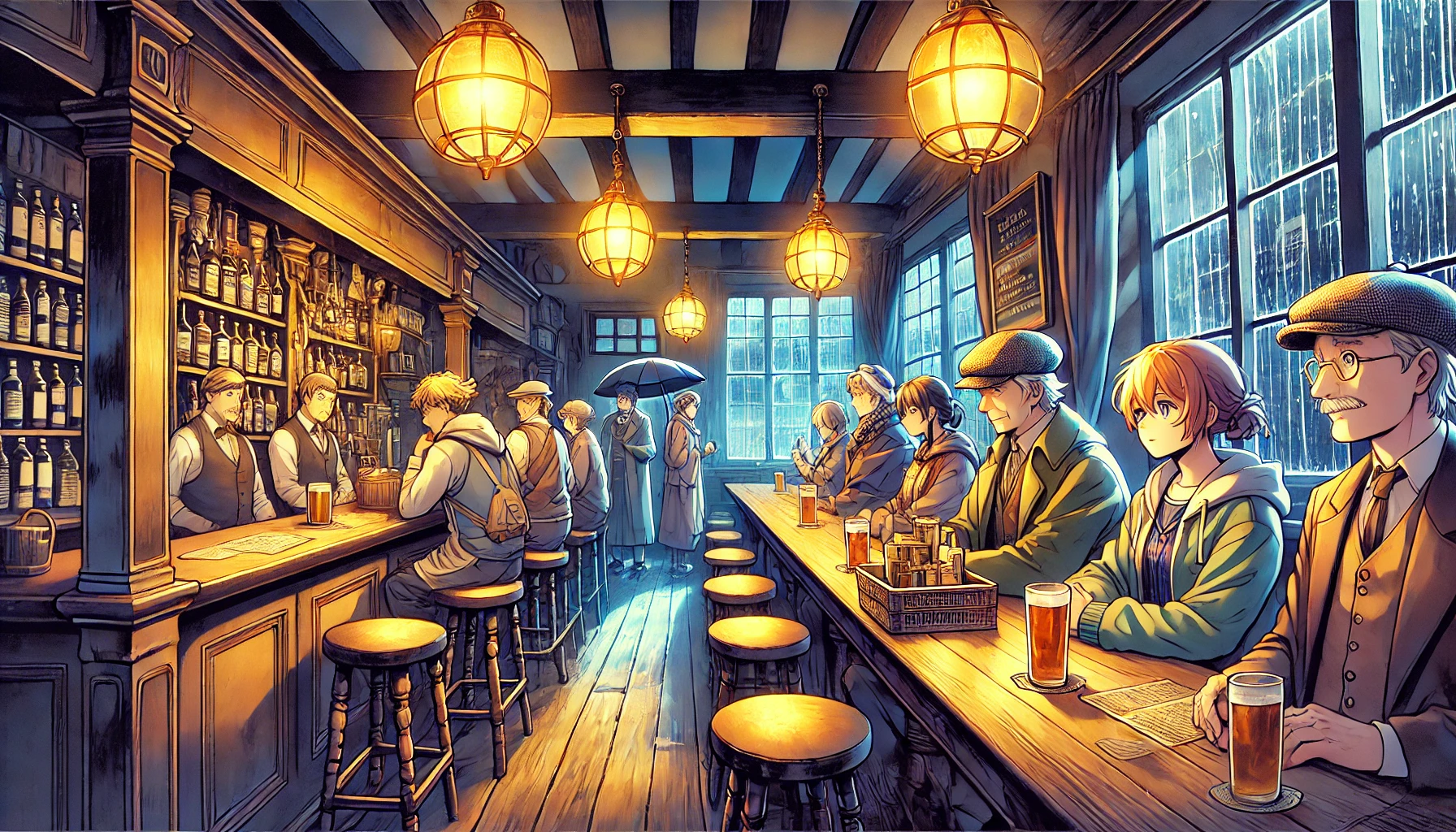
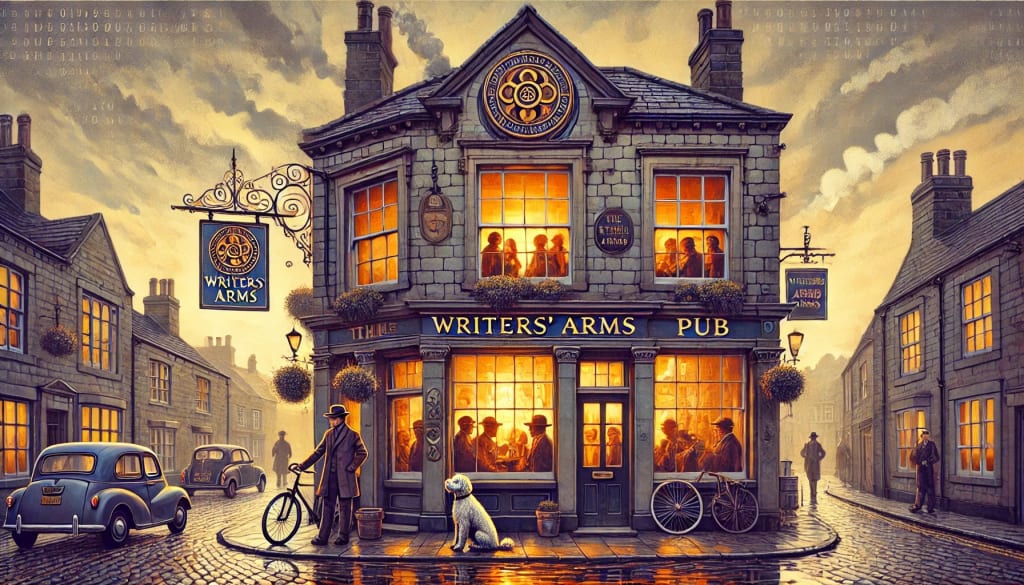
It were a dark and stormy night in Curlew’s Cry (as if it'd be owt else), when I first 'eard about this AI writing business down at t'Writers' Arms pub. There I were, mindin' me own business, nursing a pint of bitter and contemplating whether to put gravy on me chips, when young Tommy burst through t'door like he'd seen a ghost made of Curlew’s Cry specialties.
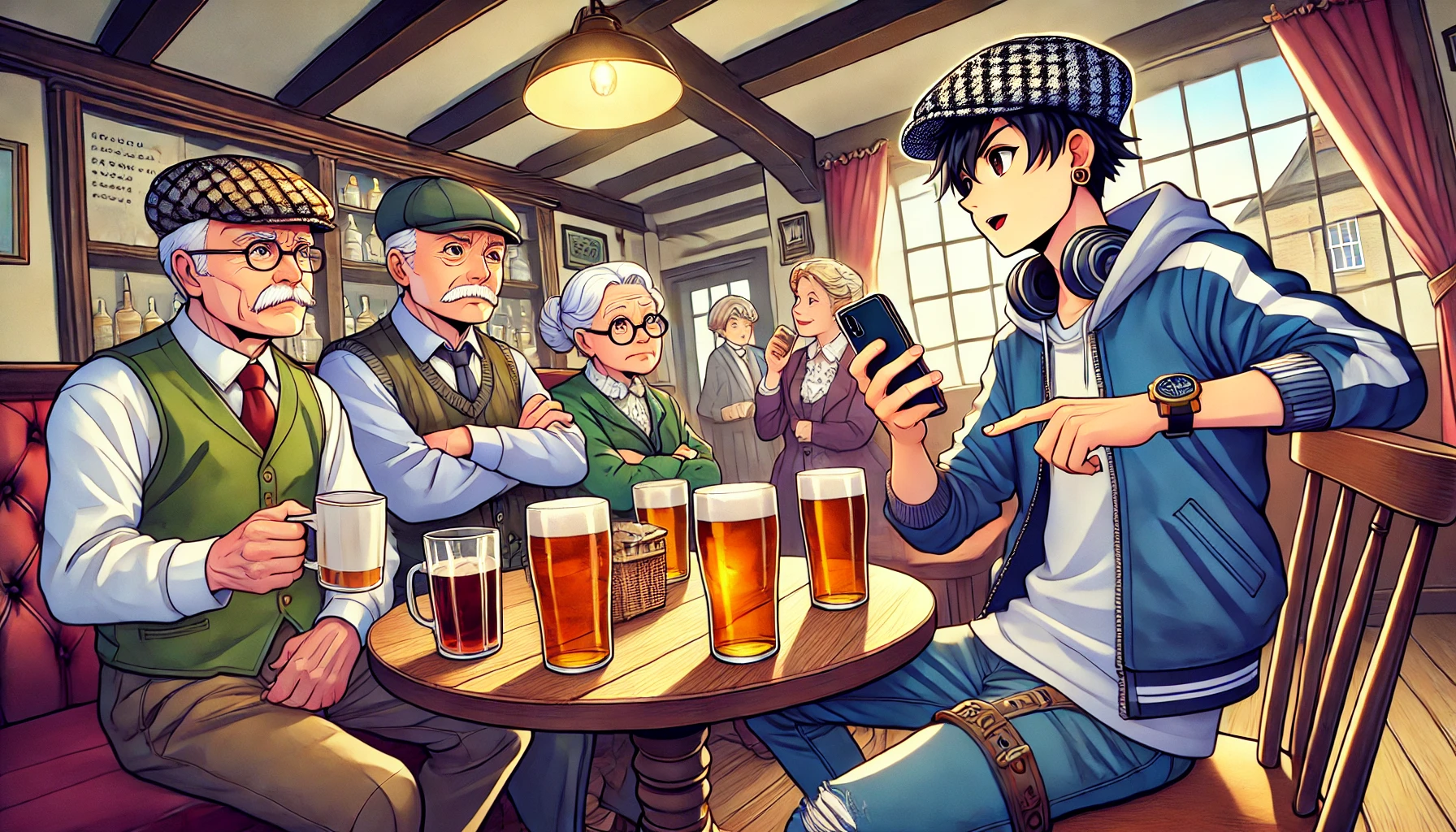
"You'll never believe what they've gone and done now!" he shouted, his flat cap askew and his face redder than a embarrassed beetroot. "They've got computers writing stories!"
Old Arthur, who'd been sat in same corner since approximately 1962, slowly lowered his pint. "Tha's talking rubbish, lad. Computers can't write. They don't even have hands."
"No, no, it's true!" Tommy insisted, practically bouncing off t'ceiling with excitement. "It's called AI; Artificial Intelligence. You tell it what you want, and it helps you write stuff!"
The pub went quieter than a Methodist church during happy hour. You could've heard a whippet whisper.
Then Big Dave, who we call Big Dave on account of him being rather large and called Dave, stood up with all the gravity of a man about to make a life-changing statement. "Well," he said, drawing out the word like a slow-poured pint, "that's it then. Culture's dead. Might as well pack up all t'books and turn libraries into discount carpet shops."
"Hang on a minute," I said, feeling bold after my third pint of Black Sheep. "Aren't you sending that message on your fancy smartphone, Dave?"
"That's different," he muttered, quickly shoving his phone back into his pocket. "This is just for convenience, like. Not like I'm letting it write my shopping lists or owt."
"But what's difference?" young Tommy pressed on. "We use spell-check, don't we? Calculators? That thing that tells you when you've used too many 'reyt's in one paragraph?"
Old Arthur shook his head so hard his flat cap nearly achieved lift-off. "It's not same thing at all, lad. Writing's supposed to be pure, like. Coming straight from't heart and soul."
"Like them novels you read on your Kindle, you mean?" I couldn't help pointing out.
"That's... that's just for me arthritis!" Arthur spluttered. "Proper books are heavy, aren't they? Doctor said I needed summat lighter."
It were at this point that Martha, who'd been quietly polishing glasses behind bar and rolling her eyes at our debate, decided to weigh in. "You lot are dafter than a box of frogs in party hats," she declared. "When they invented printing press, folks probably thought sky were falling too. 'Ooh, it's not proper writing if you're not hand-copying every book yourself!' they'd have said."
"But Martha," Big Dave protested, "this is different! These AI things, they're... they're thinking!"
"Oh aye?" Martha raised an eyebrow. "And what do you call what we're doing? Besides badly, that is."
That got a laugh, but I could see wheels turning in everyone's heads. Were we really getting worked up over nowt? Were we just being typical Curlew’s Cry folk, suspicious of anything new that didn't involve gravy or whippets?
Just then, Ted burst in from't beer garden, looking like he'd seen summit truly horrifying. "You'll never believe what they've gone and invented now!" he gasped. "They've got robots that can help you write poetry!"
And so t'great AI debate started all over again, like a washing machine with a grudge against socks.
Chapter 2: That's Not How We Did It In My Day, and Other Useful Contributions to Progress
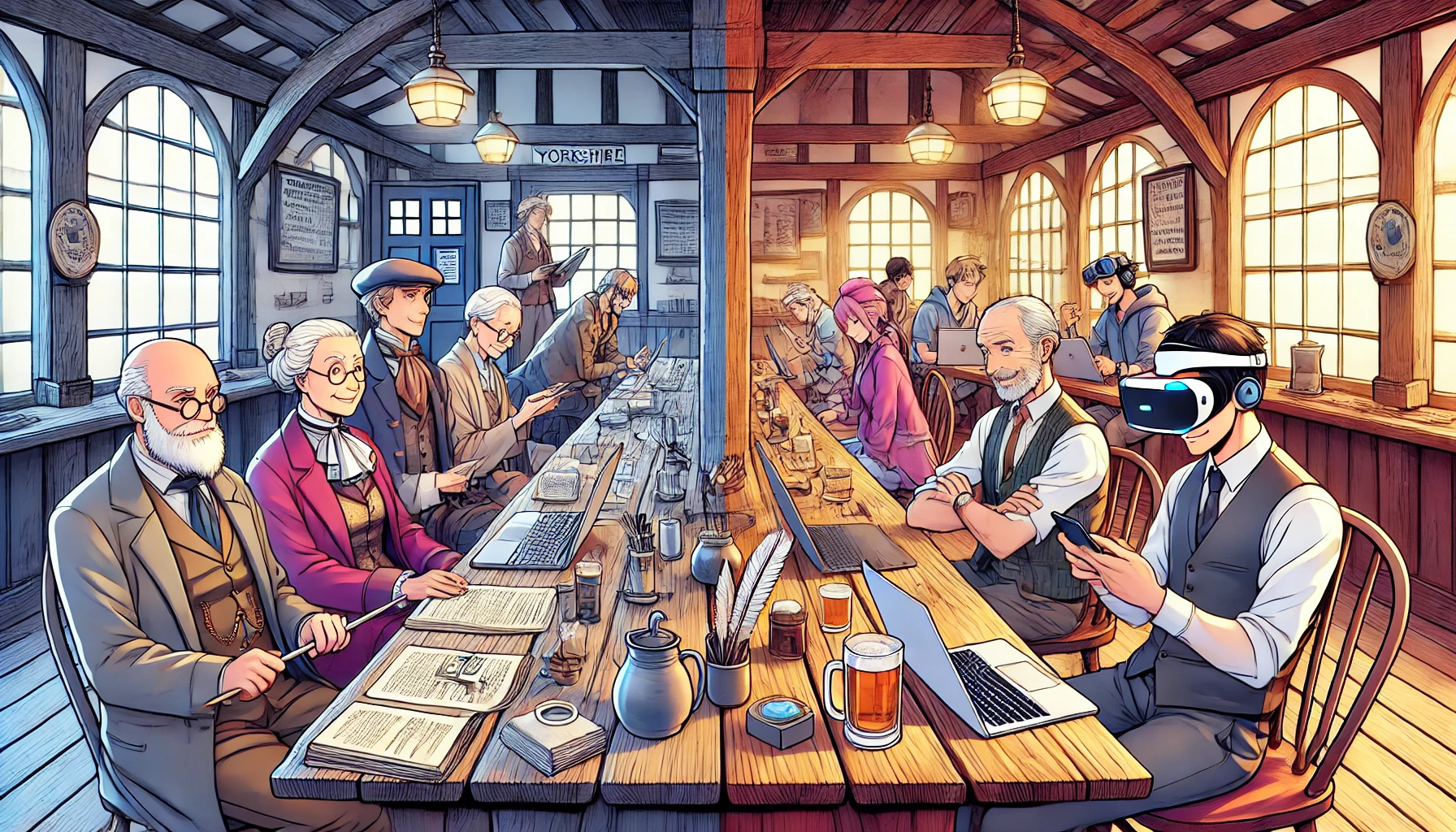
Next morning, I popped into Writers' Arms (named after landlord's missing limb, not literary pretensions) to find whole pub had divided itself into factions quicker than a fresh pint disappearing on pension day.
In't corner, we had what young Tommy were calling "The Traditionalists"; led by Old Arthur and his gang of self-appointed guardians of proper writing. They'd brought actual quill pens and inkwells to prove their point, though Arthur were using his phone under table to Google "how to use quill pen without making mess."
By't window, "The Progressives" had set up shop, with Tommy giving impromptu demonstrations on his laptop. "Look," he kept saying, "it's just like having a really clever mate who's read every book ever!" Though to be fair, we already had that in form of Margaret from't library, and she were significantly better at recommending books that didn't involve robots taking over world.
Big Dave had stationed himself in middle, declaring himself "Switzerland, but with better ales." He kept muttering about how "it were simpler in old days" while typing away on his brand-new iPad.
"Right then," Martha announced, slamming down a fresh round of teas with enough force to make Old Arthur's quill jump. "Let's settle this proper Curlew’s Cry style; with a writing contest."
You could've heard a cricket bat drop.
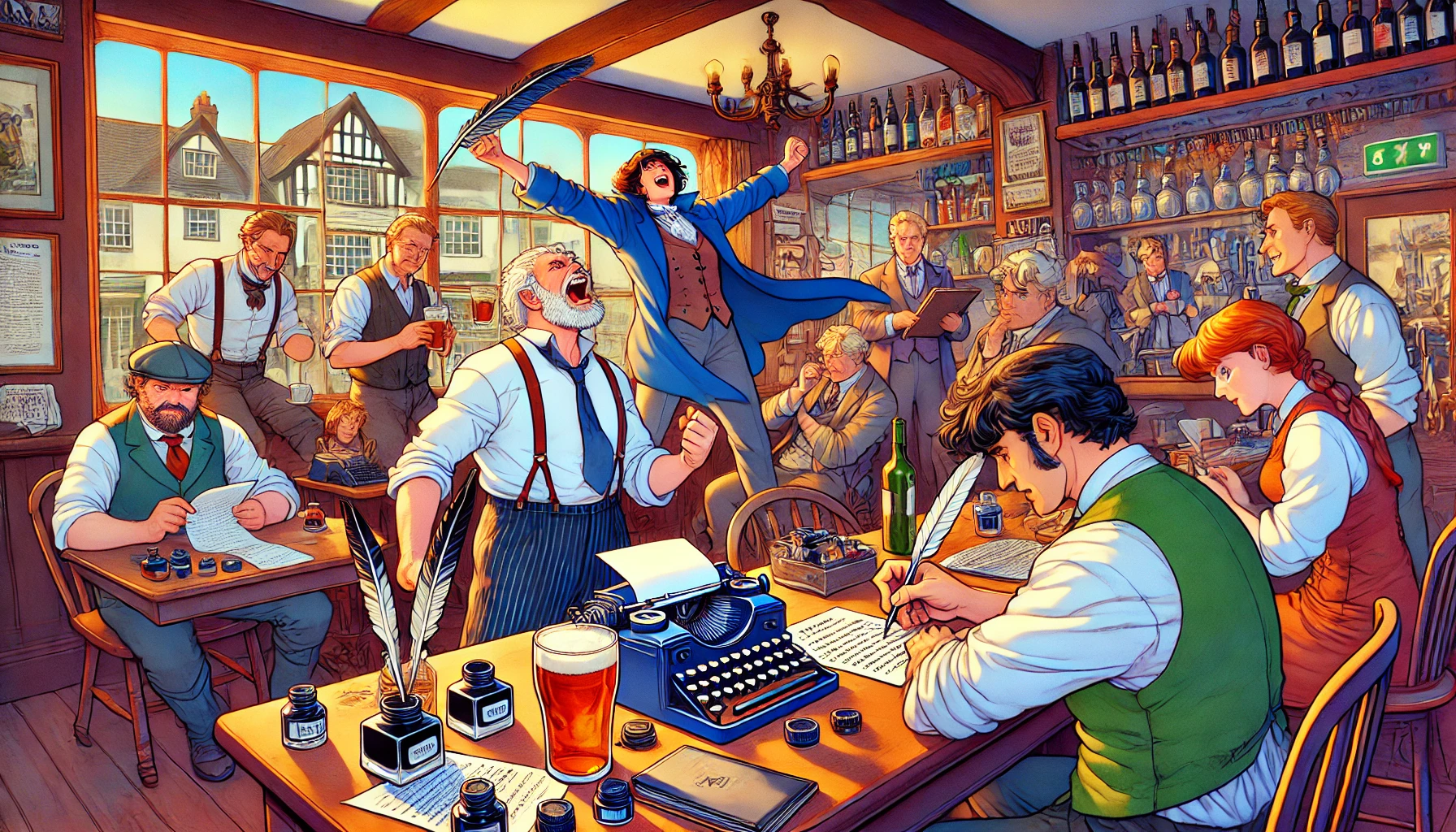
"Three tasks," she continued, warming to her theme. "One group uses just their brains and paper, one uses computers like normal folk, and one can use this AI thing. Winner gets free Sunday roast for a month."
Well, mention of free food in a Curlew’s Cry pub is like dropping meat in a whippet kennel; suddenly everyone were very interested indeed.
"But how do we judge it fair?" Old Arthur demanded, accidentally dipping his sleeve in inkwell.
"Simple," said Martha. "We'll get people from next village to read 'em. They don't like us anyway, so they'll be proper critical."
And that's how we ended up with greatest literary competition in Curlew’s Cry pub history. Old Arthur's team were given task of writing historic drama about War of Roses, though they spent first hour arguing about whether to use traditional Curlew’s Cry spelling of "thee" and "thy."
Tommy's computer group got cracking on contemporary romance novel, though they kept getting distracted by spell-check suggesting better words for "reyt nice."
AI group, led by young Sarah from post office (who everyone agreed were cheating because she had degree in computer science, though nobody quite knew what that meant), started work on mystery story about missing Curlew’s Cry signature treat recipe.
By end of afternoon, we had three stories, fourteen empty teapots, and what Old Arthur swore were start of repetitive strain injury from trying to write with quill ("In my day, we got our RSI from proper manual labour!").
But real surprise came when Martha announced she'd already sent stories to next village. "They've picked winner," she said, grinning like cat that got cream, then found out cream were on discount.
"Well?" everyone demanded.
"They said best story were one about missing recipe. Said it had proper Curlew’s Cry feel to it."
Old Arthur looked like he'd been slapped with wet fish. "That's AI one!"
"Aye," Martha nodded. "But here's thing; they also said worst one were story about teenage vampire falling in love with ghost of Emily Brontë."
"That were AI one too," Sarah admitted, looking sheepish.
And that's when penny dropped. AI weren't good or bad; it were just another tool, like spell-check or tea breaks or them little notes we keep under bar about which customers not to serve after nine.
"So what you're saying," Big Dave said slowly, "is that it's not about what tools you use..."
"It's about not writing rubbish," Martha finished. "Now, who's for another brew? Writing's thirsty work, even when robots are helping."
Chapter 3: Well, If It Were Good Enough For Me Great-Grandad (Who, By Way, Also Thought Indoor Plumbing Were Suspicious)
News of't writing contest spread through village faster than rumors about price of bread in Tesco's. By Wednesday, even Old Mrs. Higgins, who hadn't left her house since Margaret Thatcher were in power, had formed strong opinion about AI writing.
"In my day," she announced to anyone who'd listen through her letterbox, "we didn't need no artificial owt. We had natural intelligence, and we were grateful for it!"
This from woman who still thought microwave were devil's lunch box.
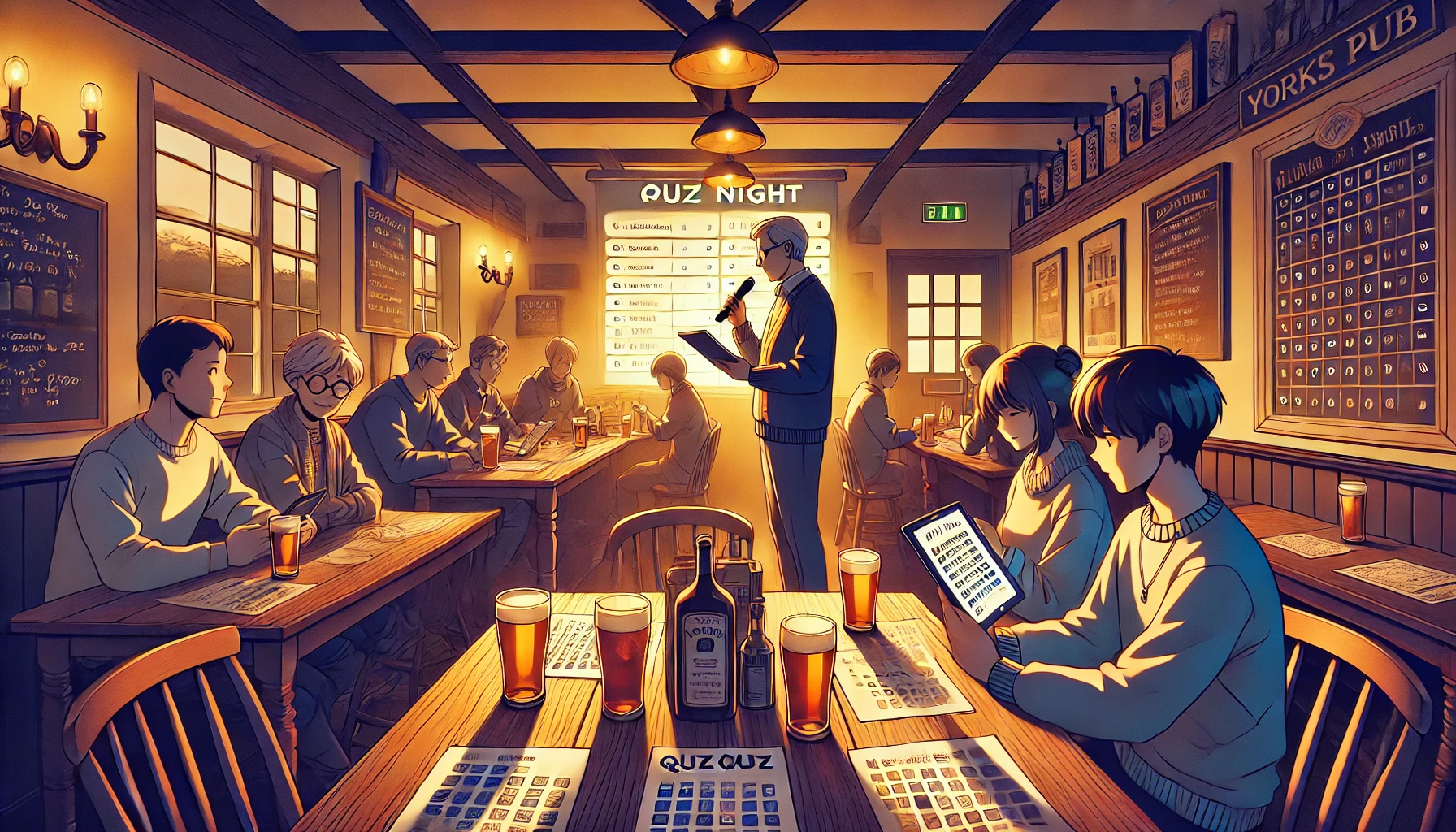
Things came to head at Thursday night pub quiz. Usually, biggest controversy were whether knowing all words to "I Am the Walrus" counted as proper music knowledge. But this week, someone had slipped in question about computers and writing.
"What do they call them clever computer programs that can help you write stories?" quizmaster Fred read out.
Old Arthur's team wrote "Satan's Typewriter." Tommy's lot put "AI." Big Dave, still maintaining his neutrality, wrote "No Comment" but spelled it wrong.
It were during marking that real drama started.
"Here's thing that's bothering me," said Norman, who until now had maintained dignified silence of man who doesn't care as long as his pint's full. "How many of you lot signed petition to save library last year?"
Pub went quiet enough to hear mouse in back room considering its life choices.
"Because," Norman continued, warming to his theme like tea cosy left on too long, "seems bit rich to get worked up about protecting 'proper writing' when half of you haven't opened book since last time we won league."
"That's different," Old Arthur protested. "Libraries are traditional!"
"Aye, and before that, oral storytelling were traditional," Martha chipped in. "Bet your great-grandad thought books were devil's work too. 'If story's worth telling, it's worth memorizing and shouting at strangers in pub,' he probably said."
This historical perspective were somewhat undermined by fact that Old Arthur's great-grandad had actually been notorious for writing angry letters to local paper about dangers of allowing women to read novels, but nobody mentioned that.
"I've been thinking," said Sarah from post office, who'd been quiet since winning contest. "Maybe we're looking at this all wrong. Remember when they put them self-service tills in Co-op?"
Everyone nodded. Installation of them tills had been treated like arrival of Four Horsemen of Apocalypse, except more controversial.
"Everyone said they'd never use 'em. Now look; even Old Arthur uses 'em when queue for regular till is too long."
"I do not!" Arthur insisted, though everyone had seen him arguing with automated voice just yesterday about unexpected item in bagging area.
"Point is," Sarah continued, "maybe instead of fighting about whether AI is good or bad, we should think about how to use it proper like. You know, like how we learned to use self-service tills without having existential crisis every time we bought pack of digestives."
There were moment of thoughtful silence, broken only by sound of Big Dave trying to secretly ask Siri what "existential" meant.
"Besides," Martha added, polishing glass that had given up trying to get any cleaner, "way some of you lot write your pub tabs, might not hurt to have bit of help with basic grammar."
That got laugh, even from Old Arthur, who'd recently tried to settle his tab with note reading "I OH YOU BEER MONEY."
"Tell you what," Tommy said, pulling out his laptop. "Why don't we all have go at using it? Just to see what's what, like."
And that's how we ended up with dozen Curlew’s Cry folk, ranging from teenagers to them who remembered rationing, all gathered round computer, trying to write story about local cricket match using AI.
Result were... interesting. AI didn't know what "middling off" meant in cricket terms, but then neither did half of humans present. It struggled with proper Curlew’s Cry dialect but, to be fair, so did most TV presenters.
But strangest thing were watching Old Arthur's face when AI suggested better way to describe sunset over cricket pitch than what he'd been using in his parish newsletter for past thirty years.
"Well," he said finally, "suppose it's not completely useless. But I'm still not letting it help me write my complaints to council about state of bus shelter."
Some traditions, after all, were sacred.
Chapter 4: Reyt Then, Let's See What This Mechanical Wordsmith Can Really Do (But Don't Tell Me Mam I'm Using It)
By time weekend rolled round, word had spread that Writers' Arms had become unofficial AI writing headquarters of West Curlew’s Cry. Folk were coming from distant cities (though we tried not to hold that against them) to see what all fuss were about.
"Right then," Martha announced on Saturday morning, looking at crowd that had gathered. "If we're going to do this properly, we need some rules."
Rule number one, she declared, were that anyone using AI had to buy at least one drink per hour. This weren't strictly necessary for AI operation, but Martha weren't daft.
Rule number two were that all stories had to be about Curlew’s Cry. "We're not having AI writing about Crowncross," she said firmly. "It's bad enough when humans do it."
Rule three were suggested by Old Arthur: "If computer writes summat better than what you'd write yourself, you have to admit it. Out loud. In front of witnesses."
This last rule were considered crueler than first two combined.
First proper project were helping Ted write his weekly column for village newsletter. Ted had been writing "Local Observations" for twenty years, and in that time had managed to turn complaining about weather into art form.
"Let's see AI match my expertise in describing rain," Ted said proudly, as Tommy typed into laptop.
AI came back with paragraph about "precipitation that seemed to fall upwards and sideways simultaneously, in true Curlew’s Cry fashion, as if weather itself were showing off its ability to defy both gravity and meteorologists' predictions."
Ted went quiet for full minute, then muttered something that sounded suspiciously like "well, that's not bad" into his bitter.
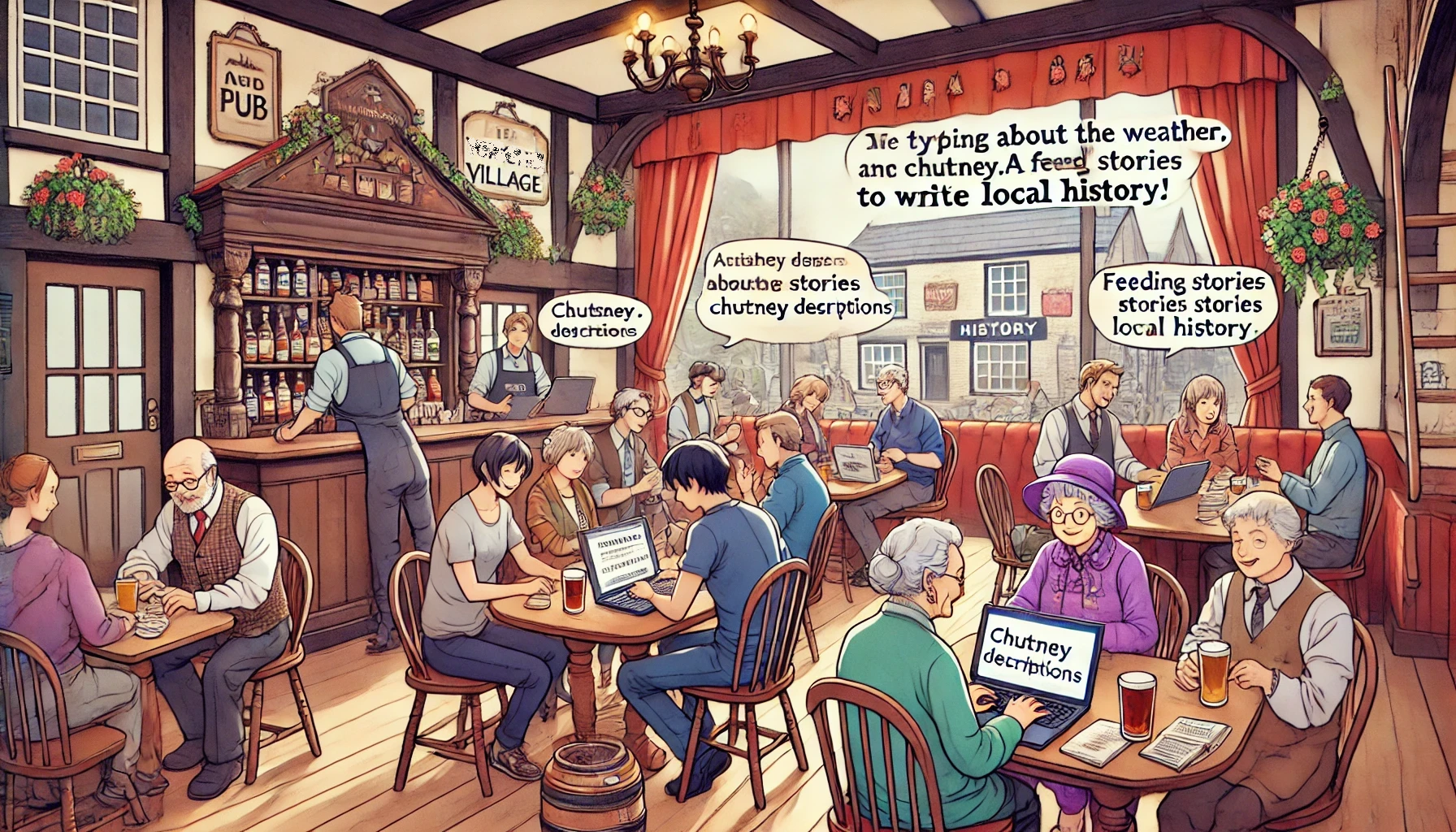
Next up were Mrs. Butterworth from CWC, who wanted help writing description of her prize-winning chutney for county fair. AI struggled bit with concept of "texture like velvet made from beetroots" but eventually produced something that made three people queue up to order jars on spot.
But real breakthrough came when young Tommy suggested using AI to help write local history section for pub website.
"We can't have computer writing our history!" Old Arthur protested. "It weren't there!"
"Neither were you for most of it," Martha pointed out. "Unless you're lot older than you've been claiming on your birthday free pints."
So they fed AI all old stories they could remember – tales of local miners' strike, of time river flooded and everyone had to drink warm beer for week (still considered greatest tragedy in village history), of famous cricket match where local team beat posh lot from Lordsbury using only nine players and determined Curlew’s Cry spite.
What came out were something that made even most hardened AI skeptics sit up and take notice. AI had taken all them random tales and made a proper job of telling local life like it really is, though it did need bit of correcting about proper pronunciation of 'Cragwych.'
"It's like it's captured spirit of place," said Big Dave, who'd abandoned his Switzerland position and were now firmly in pro-AI camp, especially after it helped him write complaint letter to brewery that actually got response.
"Aye," said Old Arthur slowly. "But you notice summat? It's not replacing any of us. It's just... helping us tell our stories better."
"Bit like spell-check," Tommy suggested.
"Or like them sat-navs," Martha added. "Still need human to know which shortcuts actually work and which ones'll get you stuck behind farmer's tractor."
"Or like automatic beer pumps," said Norman, though everyone ignored that because he'd been going on about automatic beer pumps for years and nobody were quite sure what he meant.
As evening wore on, someone suggested using AI to write proper Curlew’s Cry response to some Crowncross journalist who'd recently claimed Curlew’s Cry local specialties weren't that special. Response were so devastating that Sarah had to be talked out of actually sending it.
"Think we've learned summat here," Martha said as she started calling last orders. "Technology's not good or bad on its own. It's what you do with it that matters."
"Bit like tea," Old Arthur nodded sagely. "Can either warm your soul or scald your tongue."
Everyone agreed this were surprisingly heartfelt for Arthur, until we realized he'd got AI to help him with his pub philosophizing too.
Chapter 5: If You Can't Beat 'Em, Get 'Em to Help You Write Better Complaints About 'Em
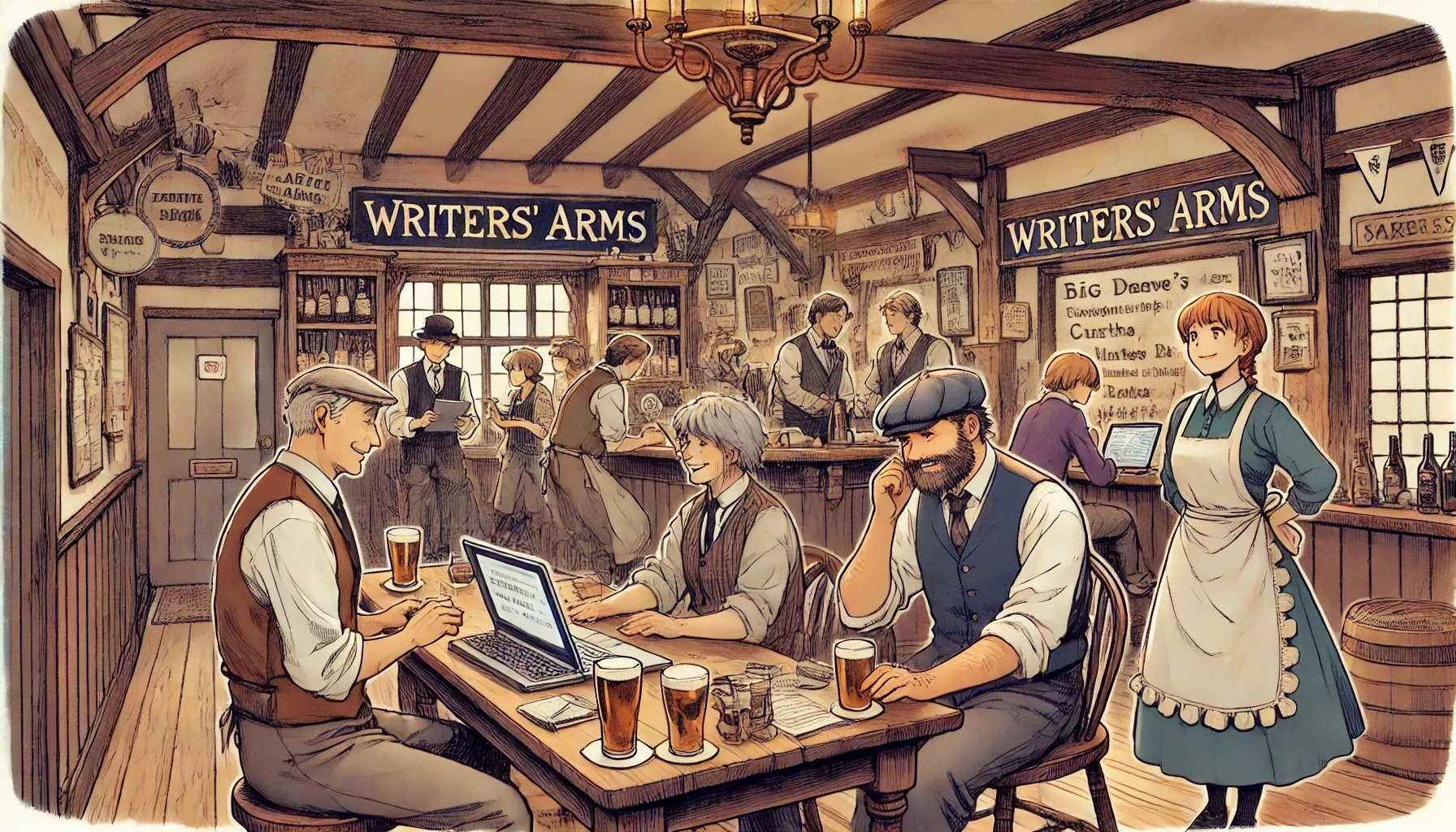
Month after Great AI Revolution of Writers' Arms (as Tommy had started calling it, much to Old Arthur's disgust), things had settled into new normal. Though if you'd told any of us few weeks ago that we'd see Old Arthur using AI to write his weekly letters to council about state of local footpaths, we'd have laughed you right out of pub.
"Thing is," Arthur explained, nursing his usual pint, "AI knows all proper technical terms for describing pot'oles. Makes me sound more official-like."
"Aye," Big Dave nodded. "Council sent someone out to actually look at path within week. Said they were impressed by 'comprehensive assessment of infrastructure degradation.'"
"Rather than usual 'it's got more holes than me gran's colander,'" Martha added with a wink.
We'd all found our own ways of making peace with new technology. Local drama society were using it to help write their next production - "Trouble at t'Mill: The Musical" (though AI had bit of trouble understanding why mill needed exclamation mark in title).
Sarah from post office had started running what she called "AI Writing Surgery" every Tuesday afternoon, helping folks use technology without getting themselves in pickle. She'd had to explain several times that AI couldn't actually predict winning lottery numbers, much to disappointment of half village.
Even Mrs. Higgins had come round, after AI helped her write letter to local paper about youth of today that actually got published. Though she still insisted on printing it out and retyping it on her old typewriter "just to be sure."
But most interesting change were in pub itself. Writers' Arms had become known as place where technology and tradition met for quiet pint together. We'd even had some posh writer from Crowncross come up to write article about us, though he'd needed translator for half of what Old Arthur said.
"You know what's funny," Tommy said one evening, as we watched mixed group of young and old gathered round laptop, arguing about whether AI's suggestion for describing Curlew’s Cry rain were poetic or just soft. "Month ago, half these people wouldn't have been caught dead talking to each other, let alone collaborating on story."
Martha nodded, polishing glass that by now could've probably filed for retirement. "Sometimes best way to preserve tradition is to let it grow bit. Like good Curlew’s Cry brew; needs fresh water added now and then, but tea leaves stay same."
"That's deep, that is," said Big Dave. "Did AI help you with that one?"
"Nah," Martha grinned. "Some wisdom you can only get from thirty years of running Curlew’s Cry pub."
As if to prove her point, argument about rain description had evolved into full-blown debate about whether AI could properly understand concept of "brass monkeys" weather. Old Arthur were attempting to explain it using combination of hand gestures, medieval farming references, and occasional loud tutting.
"Suppose real question is," Norman mused, having finally given up on his automatic beer pump crusade, "has AI made us better writers?"
"Wrong question," Martha said. "Has it made us better storytellers? Has it got more people interested in sharing their tales? Has it brought folk together who'd never normally talk to each other?"
We all looked round pub. At young Sarah helping Mrs. Higgins format her next letter about youth of today. At Old Arthur and Tommy collaborating on history of local cricket club. At Big Dave using AI to write proper menu descriptions for his wife's café ("Hand-crafted Curlew’s Cry sustenance" sounded much better than "stuff we cook").
"Reckon that's your answer right there," Martha said.
"Aye," Old Arthur nodded. "But don't tell AI I said that. It's big-headed enough already, what with knowing all them fancy words for pot'oles."
And so, Great AI Writing Debate of Writers' Arms ended with quiet acceptance that sometimes, best way forward is to take best of old and new, mix them together, and see what comes out. Bit like when someone accidentally puts gravy and curry sauce on same chips; sounds wrong, but somehow works.
Though we did have to stop Old Arthur from trying to teach AI to speak proper Curlew’s Cry. Some things, after all, can only come from lifetime of practice and fair few pints of bitter.
Chapter 6: Tha Just Can’t Keep A Good Story Down
Now, any sensible person might’ve reckoned that were that; the great AI kerfuffle done and dusted. After all, we’d had more twists than a Curlew’s Cry dry-stone wall, and the Writers’ Arms had found a sort of peaceable routine where technology and tradition could share a quiet pint together. But as the old saying goes, “You can’t always trust a contented pub,” or summat along those lines.
A New Stirring in t’Rubble
It all kicked off again on a drizzly Tuesday afternoon (naturally; it’s Curlew’s Cry, after all). Big Dave were restocking pork scratchings, Martha were about to brew a fresh pot, and Old Arthur were perched on his usual stool, typing out an especially barbed complaint to the council (with AI’s assistance, though he refused to admit it). Suddenly, the door flung open with a gust so strong it nearly blew the foam off Big Dave’s ale.
In stumbled a stranger; tall, city-slick type. We could tell he were from down south by the way he said “bath” without the reassuring flatness of a Curlew’s Cry vowel. He brandished a slim laptop under one arm like a weapon.
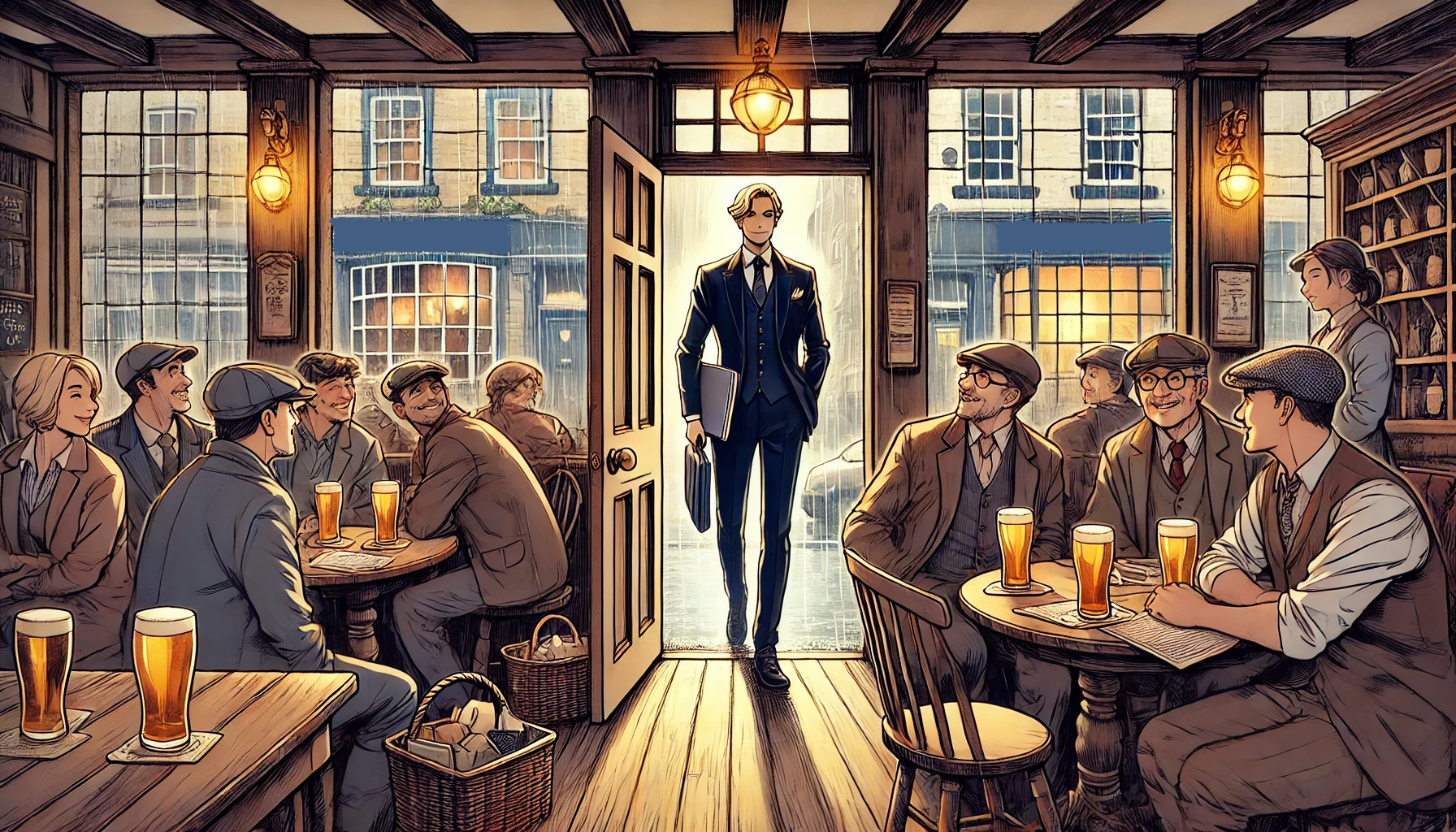
“Afternoon,” Martha said, giving him her best no-nonsense glare. “We’re a friendly lot, but cause any trouble and we’ll set Arthur on you.”
Arthur, looking up from his AI-prompted letter, puffed his chest. The stranger blinked, then cleared his throat.
“I’ve heard,” he began, voice posh enough to make half the punters cringe, “that this is the pub where AI and…err…‘proper writing’ have joined forces. I’m here researching a piece on the so-called Curlew’s Cry Tech Renaissance.”
We all stared. None of us had known we were part of a “Tech Renaissance.” We just wanted to write stories without half the village picking a fight.
Turned out the stranger (name of Alistair) wrote for a fancy magazine in Crowncross, specialising in “cultural phenomena at the intersection of tradition and technology,” or summat lofty like that. To be fair, we had him pegged as a potential troublemaker from t’word go.
He insisted on seeing how we used AI for writing, scribbling notes in a little notebook every time someone said “Ay up.” He kept prodding folks with questions like, “Do you ever feel overshadowed by an algorithm’s creative capabilities?”; which made Old Arthur scowl so hard his eyebrows nearly merged.
“Not overshadowed, no,” Arthur growled. “Besides, that ‘algorithm’ can’t pop down t’barbers, share a bit o’ gossip, and come back with fresh ideas about local scandal, can it?”
“But does it not threaten your sense of artistic autonomy?” Alistair pressed, tapping his pen like he were cross-examining a witness on telly.
Arthur just snorted. “Threatens nowt but me patience if it uses any more fancy words.”
Sensing he weren’t making the splash he’d hoped, Alistair changed tactics. “What if,” he said, voice dripping with that brand of curiosity folks use when they want to stir the pot, “I challenge your AI to a proper test of creative might? My editor wants to see if it can produce a story so thoroughly Curlew’s Cry that even you lot can’t tell it was written by a machine.”
At that, Big Dave raised an eyebrow, while Tommy grinned like a cat who’s found a jug of cream. “Go on, then,” Tommy said, always game for a challenge.
Martha, sensing potential for increased pint sales, nodded. “But we do it reyt proper. You let the AI do the writing, then you read it out. We’ll vote if it feels ‘genuine Curlew’s Cry’ or not.”
Even Old Arthur smirked. “Aye, and if we can smell the mechanical bits whirrin’ behind them words, you have to buy a round for everyone.”
It were a deal. Alistair opened his laptop on the pub’s central table, typed in a few prompts about “Curlew’s Cry dialect,” “community drama,” and “proper pies,” then sat back. We all watched in a hush as the screen filled with text. Onlookers craned their necks, and even Mrs. Higgins had wandered in, claiming she’d “heard a disturbance in the Force,” though no one were quite sure what she meant.
The AI’s Turn at Storytelling
When Alistair finally stood up to read, there were a definite hush. He cleared his throat:
“Aye, me old mucker, t’wind were howling o’er Ilkley Moor, reyt fierce an’ all, an’ we ‘ad no recourse but t’brew up summat fierce: a cuppa so strong it’d make;”
Instantly, half the pub erupted in giggles. AI had tried. It’d thrown in “reyt” and “mucker,” but it sounded more like an actor off t’telly delivering lines they’d learned from a YouTube tutorial on “Northern Speak.”
Undeterred, Alistair read on:
“…an’ Big Dave; so called ‘cos he stands loike a proud whippet; picked up ‘is battered cap an’ declared, ‘By gum, this be t’finest brew in t’land!’ Meanwhile, Old Arfur;”
That did it. Even Tommy snorted, “Arfur? That’s not ‘ow you spell ‘Arthur!’”
The rest of the piece was a hodgepodge of clichés, forced dialect, and references to flat caps that ended up more comedic than convincing. By the time Alistair reached the final line—“We all rejoiced in t’glory of our beloved gravy, The End.”; Arthur were howling with laughter so hard, we worried he’d need a lie-down.
When Alistair finished, the verdict were unanimous: the attempt were gallant, but it didn’t hold a candle to a real Curlew’s Cry voice. Martha, wiping tears of laughter from her eyes, declared, “I’ve seen episodes of Emmerdale less forced than that, love.”
“Aye,” Old Arthur added, “the AI can give it a go, but it’s missing that spark. Like a pint that’s all foam and no flavour.”
Alistair, sheepish, glanced at the bar. “Right, I guess that means I owe you lot a round.”
To his credit, he paid up graciously. We all toasted to “Arfur,” the comedic star of a short AI fiasco, and agreed that while technology could do a lot, there’s no substituting that lived-in knowledge; knowing the difference between “nowt” and “owt,” or the correct insult to hurl at a rival cricket team.
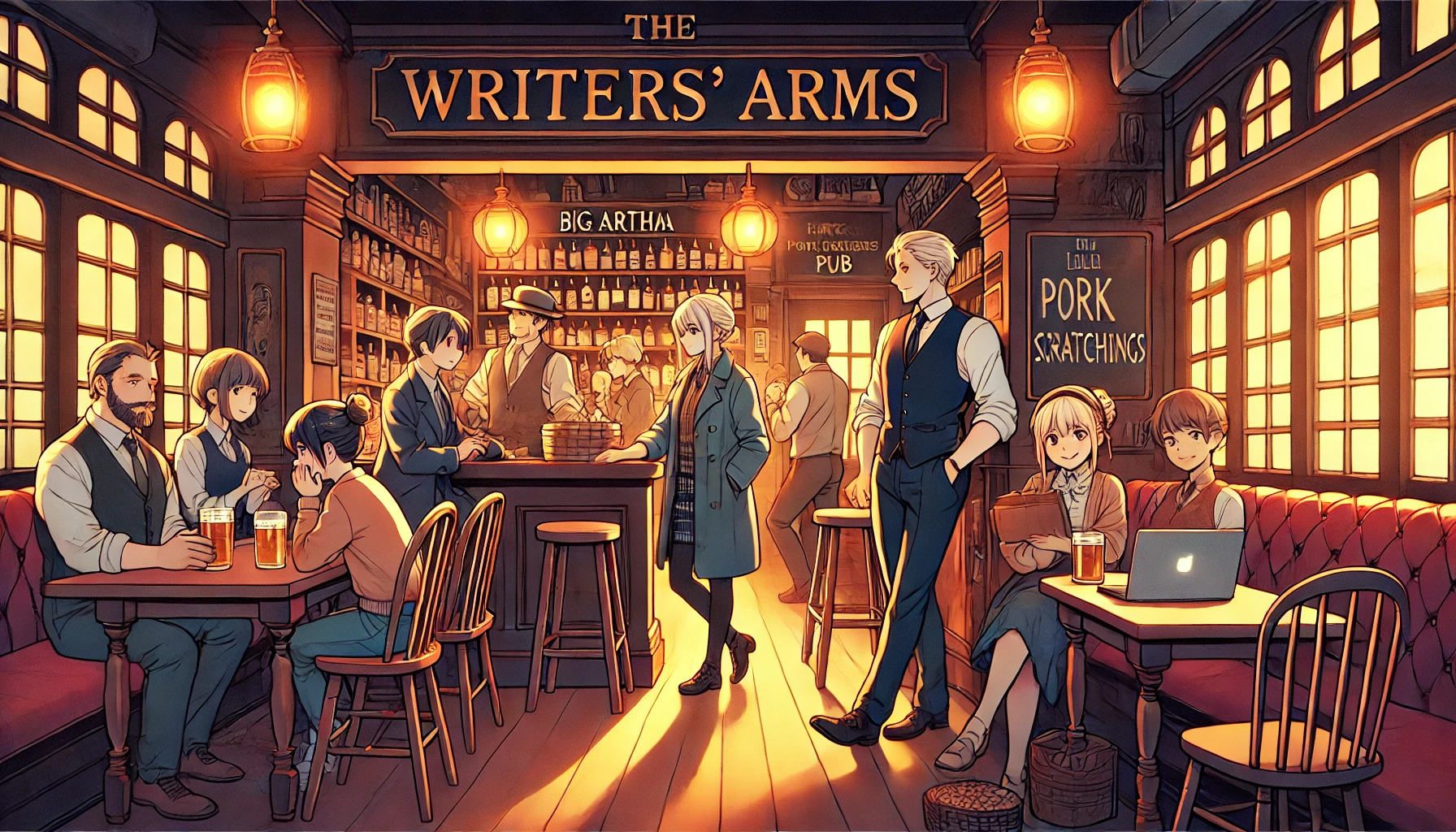
The Moral o’ the Tale
Later that night, after Alistair left with notes for his big exposé on “Northern Luddites Embrace AI; But Keep Their Dialect Sacred,” we settled back into our usual banter.
Martha topped up the peanuts, Big Dave checked the footy scores on his phone, and Old Arthur typed away on the AI to craft yet another scathing letter to the council about “inadequate signage on footpaths.” He’d come a long way from brandishing quills and denouncing technology; but he’d never publicly admit he liked the AI’s suggestions.
“Funny, innit,” Tommy mused, leaning back in his chair. “The machine can do grammar, style, even mimic dialect; up to a point. But it can’t quite get the soul of it.”
“Which is exactly why we’re safe,” Martha concluded. “It’s like a helpin’ hand, not a replacin’ hand.”
And that were that. We turned out the lights knowing that the AI debate might bubble up again whenever some unsuspecting city slicker tried to match mechanical wit against Curlew’s Cry grit. But for now, we’d found the sweet spot: a place where folk could use AI for a leg up, then add their own pinch of everyday magic; like gravy on chips, or a well-timed “eh up” at the end of a sentence.
Sure, we might get teased for our love o’ tradition and suspicion of fancy new contraptions, but as the AI Kerfuffle proved, there’s room enough for both spanners and storytellers, tractors and quills, old codgers and tech-savvy youths alike. So long as the pints keep flowin’ and we can have a good laugh at ourselves (and occasionally at the AI), we’ll be all reyt.
— THE END —
About the Creator
Enjoyed the story? Support the Creator.
Subscribe for free to receive all their stories in your feed.
Comments
There are no comments for this story
Be the first to respond and start the conversation.