
The Future Without Smartphones
A New Era of Focus and Connectivity
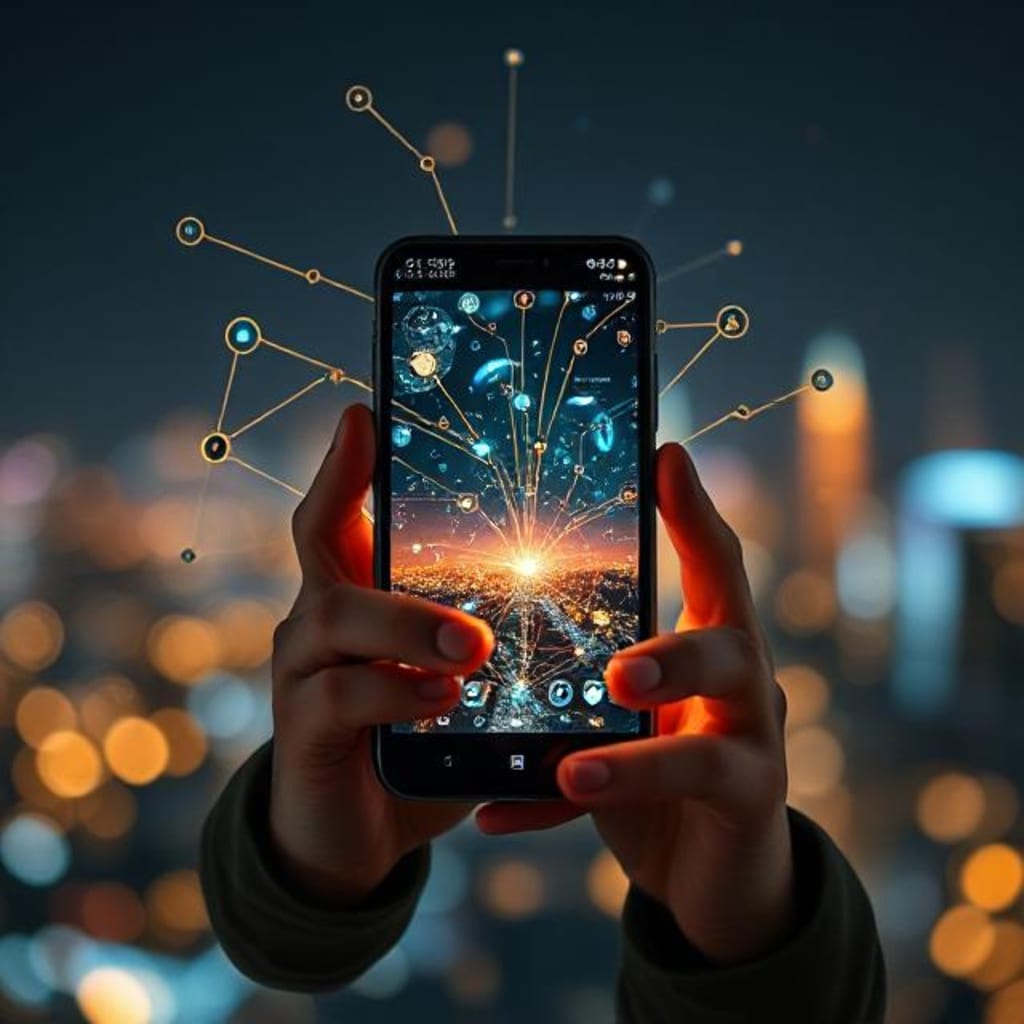
The year 2035 marked the beginning of a new era for society: one without smartphones. The world had decided it was time to unplug from the gadgets that had come to define everyday life after decades of unrelenting advancements in mobile technology. Unexpectedly, the smartphone—once heralded as the epitome of contemporary convenience and communication—became extinct. Our world has learned to survive without it, and as a result, we are more focused, connected, and peaceful in many respects.
The move away from smartphones did not happen overnight. Growing worries about the effects on the environment, mental health, and society's reliance on technology characterized the slow process. People started to reconsider their relationship with their devices as more research revealed the detrimental effects of constant connectivity, including elevated anxiety, reduced attention spans, and an increase in social isolation. A more thorough and reflective examination of how technology was influencing people's lives was spurred by this social reckoning.
The Revolution of 2029: The Tipping Point
What turned out to be the pivotal moment was what happened in 2029. As a number of well-known public figures, activists, and tech leaders started pushing for a decrease in smartphone use, the global "Unplug Movement" gained traction. They maintained that people were being driven into a never-ending cycle of distraction by smartphones' all-consuming apps and incessant notifications, which resulted in chronic burnout and broken attention spans.
The turning point was when a record number of employees in sectors like technology and education took "digital sabbaticals." Universities and schools started experimenting with tech-free days, where students would work on artistic projects, go outside, and interact with one another in person.
The "Unplug and Connect" social media campaign went viral and raised awareness by urging users to take breaks from their screens and rediscover offline pastimes. The collective energy changed as more people adopted these detoxes.
Not too long afterward, prominent tech companies started to provide alternatives to smartphones. The industry titans that had previously controlled the smartphone market—Apple, Samsung, and Google—unveiled new product lines with an emphasis on simplicity. These "smart devices" were made to help with simple tasks like music, messaging, and light web browsing, free from the cluttered social media apps and incessant notifications. These gadgets helped many people transition from their smartphone addiction to a more balanced way of life.
A new wave of inventiveness in communication surfaced as more people chose these simple gadgets. People started writing handwritten letters, sending personal voice notes, or setting up in-person meetings in place of endless feed scrolling. Relationships flourished in ways they hadn't in years, and conversations deepened with fewer distractions.
Connectivity Redefined
The future without smartphones caused a significant change in our understanding of connectivity. People rediscovered the delight of in-person interactions and conversations without the constant allure of a glowing screen. Once a novel luxury, video calls have evolved from a commonplace tool to a rare but treasured experience. Human connection became more meaningful, purposeful, and robust.
As smartphones became less popular, other communication technologies became more popular. Wearable technology, including augmented reality (AR) interfaces and smart glasses, has become the new standard. With the help of these gadgets, people were able to maintain their online connections without compromising their focus or physical presence. Users could discreetly and non-intrusively receive important notifications or messages instead of aimlessly scrolling through feeds. The goal of the technology was to improve daily life without replacing it.
Although the public was initially skeptical of AR glasses, they eventually warmed up to them. They provided a feeling of independence that was absent from the burdensome nature of smartphones. With the help of these glasses, users could view maps, set reminders, and get health information—all while using their hands to interact with their surroundings.
However, the resurgence of focus was perhaps the most important feature of the future without smartphones. People were able to give their all to their jobs, interests, and relationships because there were no gadgets competing for their attention. As people stopped being sidetracked by social media's constant pull, creativity blossomed. Musicians, artists, and writers discovered new sources of inspiration. With unmatched focus, students threw themselves into their studies after being released from the distraction of constant notifications.
The Effects on Society
The transition to a world without smartphones had social consequences as well. The idea of "being present" returned to its original meaning as people became less dependent on their gadgets. Instead of competing for attention in the virtual world, families started spending more time together and reestablishing connections through common experiences. No longer constrained by the appeal of gaming apps, kids resorted to reading, playing pretend, and being outside. Without the continual disruption of buzzing alerts, parents discovered that their interactions with their kids were more meaningful.
Furthermore, societies became more inclusive and sympathetic as face-to-face communication increased. The ease of digital connections caused relationships to be broken down, and communities started to mend them. Town halls became forums for candid conversation, local businesses thrived with the resurgence of foot traffic, and neighbors began throwing block parties.
The future without smartphones wasn't without its difficulties, though. At first, a lot of people struggled with the loss of immediate satisfaction. The speed at which information was available appeared to be almost archaic. However, life slowed down in ways that were ultimately healthier as society adjusted. Individuals started to spend their time more deliberately. A stronger sense of purpose and a renewed appreciation for the present moment took the place of FOMO, or the fear of missing out.
The Effect on the Environment
The environmental impact of the smartphone-free future was one of its biggest unintended advantages. One of the main causes of resource depletion and electronic waste for a long time was the manufacturing of smartphones. The demand for new gadgets fell as smartphone usage declined, which lessened the environmental impact of continuous device upgrades.
Businesses started making investments in eco-friendly and sustainable technologies at the same time. The emphasis switched to creating goods that were simple to recycle, repair, or reuse. When smartphone obsolescence was absent, waste management and clean energy innovations took center stage.
Gazing Ahead
As the 2030s approach, it is evident that the world has undergone significant change due to the absence of smartphones. Even though technology is still essential to our daily lives, its function has changed. The objective is now to be meaningfully connected rather than continuously connected. The pursuit of mindfulness has supplanted the need for attention. The joy of present-moment living has supplanted the distractions of the digital age.
Humanity has thus discovered a new sense of balance in a world devoid of smartphones, one that enables us to enjoy life to the fullest without constantly seeking approval from the screens in our pockets. The future appears to be more focused, connected, and brighter than it has ever been.
About the Creator
Enjoyed the story? Support the Creator.
Subscribe for free to receive all their stories in your feed.
Comments
There are no comments for this story
Be the first to respond and start the conversation.