
The Future of Technology and Artificial Intelligence
slices of the unpredictable future
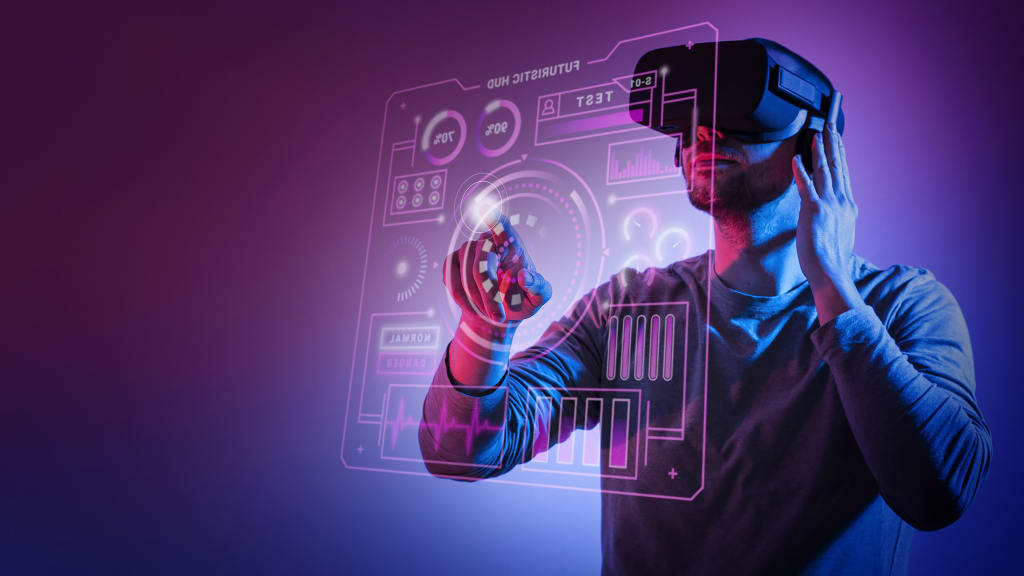
We are at the dawn of a new era in which technology and artificial intelligence (AI) will revolutionize our world like never before. With advances in machine learning, data analytics and robotics, we are witnessing a paradigm shift in human progress that will reshape industries, societies and the way we live and work. From self-driving cars to smart homes, from AI-driven personal assistants to virtual reality, the future is full of possibilities that will change our lives in profound ways.
One of the most important breakthroughs in future technology is the rapid development of artificial intelligence. Artificial intelligence, the ability of machines or computer systems to mimic human intelligence, has evolved from a science fiction concept to a reality that is reshaping numerous facets of our society. With the advent of machine learning, AI systems can now analyze and learn from vast amounts of data, enabling them to make predictions, recognize patterns, and complete tasks with increasing accuracy and efficiency.
One area where AI is making great strides is autonomous vehicles. Self-driving cars, powered by AI algorithms and sensor technologies, have the potential to revolutionize the transportation industry. These vehicles are able to navigate, make decisions, and communicate with other vehicles, resulting in safer roads, less congestion, and greater fuel efficiency. With AI behind the wheel, we can expect a future where commuting becomes more efficient, accidents are minimized, and transportation becomes more sustainable.
AI is also transforming industries like healthcare, where it is being used to develop personalized treatment plans, detect diseases at an early stage, and improve patient care. AI-driven robots are assisting with surgeries, analyzing medical records, and predicting disease outbreaks to save lives and improve healthcare outcomes. In addition, AI is driving advances in drug discovery, as machine learning algorithms can analyze large amounts of data and identify potential drug candidates in a fraction of the time it would take a human researcher.
In addition to healthcare and transportation, AI is also driving innovation in industries such as finance, agriculture, and manufacturing. AI-powered algorithms are being used to analyze financial data and make investment decisions, optimize crop yields and reduce pesticide use in agriculture, and automate tasks in manufacturing, leading to productivity gains and cost savings. The potential for AI to upend and transform various industries is immense, and we are just beginning to scratch the surface of what it can achieve.
But it's not just industry that will be affected by AI. Our daily lives will also be transformed by the integration of AI into our homes, cities and personal devices. Smart homes powered by AI will be able to understand and adapt to our preferences to make our lives more convenient and comfortable. Personal AI assistants will become even smarter, able to understand context and emotions and offer personalized recommendations and services. Virtual reality and augmented reality technologies powered by AI will create immersive experiences that will revolutionize entertainment, education and communication.
However, with rapid advances in AI come concerns about ethics, privacy, and the impact on the labor market. As AI systems become more autonomous, questions arise about who is responsible when things go wrong and how to ensure that AI is used ethically and responsibly. The collection and use of big data by AI systems also raises privacy and security concerns, as personal data can potentially be misused. In addition, the integration of AI into different industries may disrupt the labor market, displacing workers and requiring retraining to keep up with the changing world of work.
To overcome these challenges and realize the full potential of future technologies and AI, sound regulations, ethical guidelines, and responsible practices are essential. Governments, industry and academia must work together to ensure that AI is developed
About the Creator
Enjoyed the story? Support the Creator.
Subscribe for free to receive all their stories in your feed.
Comments
There are no comments for this story
Be the first to respond and start the conversation.