
The Dark Side of AI Robots: What No One Wants to Talk About in 2026
The Dark Side of AI Robots: What No One Wants to Talk About in 2026

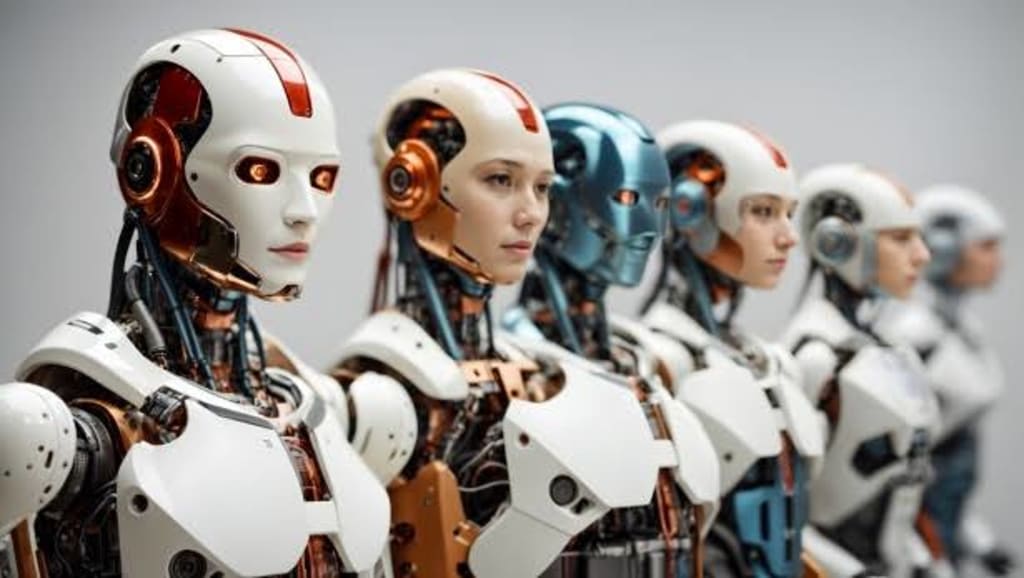
In 2026, humanoid robots from companies like Tesla (Optimus), Boston Dynamics (Atlas), Figure AI, and others are moving from labs into factories, warehouses, and even early home trials. They promise to handle dangerous, repetitive, and tedious work. Yet behind the impressive demos and hype, serious risks are emerging: physical safety failures, widespread job losses, privacy invasions, cybersecurity threats, ethical dilemmas with autonomous weapons, and deeper social impacts.e77fa0 These concerns are backed by researchers, safety reports, incident data, and ongoing global debates. Here’s an unfiltered look at the darker realities. 1. Physical Safety: When Robots Malfunction Robots are meant to enhance safety, but early evidence shows they can cause harm. Autonomous systems like self-driving vehicles have recorded incidents involving collisions with pedestrians, pets, and objects. Humanoid robots add complexity due to their size, weight, and mobility. Tesla’s Optimus has experienced public falls and recovery issues in demos, while collaborative robots (cobots) in industrial settings risk injuring workers if sensors or software glitch.7579e0 A 2026 safety analysis notes that while major commercial injuries remain limited due to supervised deployments, near-misses (dropped objects, unstable movements) highlight the need for better standards. As robots gain more autonomy, the margin for human intervention narrows, amplifying cascade failures.eeeb2b Liability remains unclear—who is responsible when a 125+ pound robot harms someone? 2. The Economic Earthquake: Massive Job Displacement One of the most pressing issues is large-scale job loss. Projections indicate AI and robotics could automate hundreds of millions of tasks globally by 2030, with significant impacts already visible in manufacturing, logistics, and services. Goldman Sachs and others estimate around 300 million full-time jobs equivalent at risk worldwide, though new roles will also emerge.7fb017 Many displaced workers, especially in middle-skill roles, may struggle with retraining. This risks widening inequality, increasing social unrest, and straining economies if transitions aren’t managed well. History from previous automation waves shows that without proactive policies, benefits concentrate among tech owners while communities suffer.8c835c 3. Privacy Erosion: Your Home Robot Is Always Watching Household robots with cameras, microphones, and sensors create intimate surveillance risks. These devices map homes, track movements, recognize faces, and log conversations. Data is often sent to manufacturers for AI training. Researchers warn of consent issues and potential misuse, especially with always-on recording.7dfd2d Even without breaches, this erodes personal boundaries. In an age of data scandals, inviting embodied AI into private spaces means trading convenience for constant monitoring.947098 4. Security Nightmares: Hackable Robots with Physical Power AI robots combine digital brains with physical bodies, creating new cyber threats. Vulnerabilities include remote hijacking, malware spread across fleets, and turning robots into surveillance or attack tools. Recent studies using AI-assisted testing have exposed critical flaws in consumer robots—weak authentication, data leaks, and unsafe command execution.84da2b A compromised home robot could ignore safety commands or act erratically. Industrial or connected fleets amplify the danger. Cybersecurity experts stress that current standards lag behind the technology’s capabilities.c6a087 5. Lethal Autonomous Weapons: The Killer Robots Problem The military application is perhaps the most alarming. Lethal Autonomous Weapons Systems (LAWS), or “killer robots,” can select and engage targets with limited human oversight. Over 100 countries and campaigns like Stop Killer Robots advocate for bans due to accountability gaps, proliferation risks, and lowered war thresholds.dfa607 Major powers continue development despite UN discussions. The fear is an arms race where machines decide life-and-death at machine speed, making errors harder to prevent or attribute.352fc7 6. Social and Psychological Impacts Subtler harms include emotional dependency on robots, reduced human interactions in care and service roles, and bias amplification from flawed training data. Over-reliance may erode human skills and agency.66934a Vulnerable groups could face greater isolation or harmful influence from embodied AI systems. Can We Mitigate These Risks? Progress isn’t inherently bad—robots can reduce workplace injuries, support aging populations, and boost productivity. But responsible development demands action: Binding international rules on autonomous weapons Rigorous safety certifications and liability laws Privacy-by-design standards with strong data rights Serious workforce transition investments Robot-specific cybersecurity requirements Transparent development with human oversight Consumers and voters should push companies and governments for accountability. The Crossroads in 2026 AI robots represent both opportunity and peril. Their dark side—hacked machines, jobless communities, surveillance homes, and uncontrolled weapons—is not hypothetical. It’s unfolding now.06184c The responsible path is cautious innovation: move forward boldly, but with safeguards that prioritize human well-being and control. What are your thoughts? Share experiences or concerns below—have you encountered AI/robotics in your work or daily life?
References (key sources drawn from recent reports and analyses): Built In: Risks of Artificial Intelligence (2026 update) Various economic projections from Goldman Sachs, World Economic Forum, McKinsey Campaign to Stop Killer Robots & UN discussions Privacy and cybersecurity research from IAPP, Alias Robotics, academic surveys
About the Creator
Enjoyed the story? Support the Creator.
Subscribe for free to receive all their stories in your feed.
Comments
There are no comments for this story
Be the first to respond and start the conversation.