Script
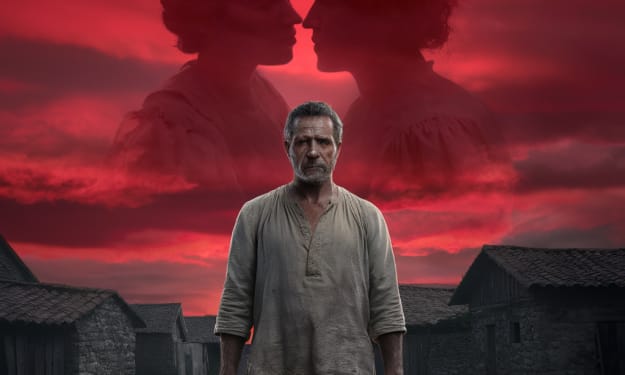
Under the Crimson Sky
The crimson sky stretched endlessly above, its fiery glow spilling across the horizon like blood on sand. For most villagers, it was just another sunset, another day slowly slipping into the night. But for Ayaan, the sight of that sky was both a curse and a reminder—a curse of the past he could never completely bury, and a reminder of the fight he could no longer run away from.
By Nadeem Shah about a year ago in Fiction
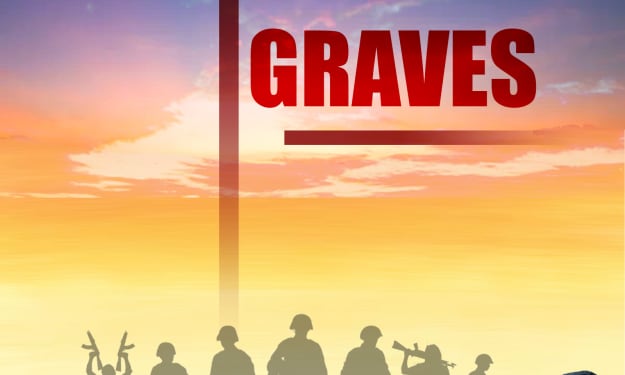
Unwritten on Their Graves. Content Warning.
In a cramped California apartment, eighteen-year-old Leo lived with his mother and two younger siblings, twelve year old Jasmine and eight year old Marcus. Their mother, a woman of quiet grit, had been left to raise them alone, scraping by on the meager wages of a diner job.Life had dealt her a harsh hand, and the family’s fragile balance was further shattered by Marcus’s battle with anemia. The medical bills drained what little they had, while the constant worry gnawed at them all. Leo watched his mother fight each day with unyielding determination, and though his heart burned to ease her burden, he was just a high school senior, too young, too powerless, yet aching to do more. To ease his mother’s burden, Leo had taken a part-time job at a local diner, slipping into an apron right after school while his classmates rushed off to sports or friends. Whether it was scrubbing greasy grills, bussing tables, or running orders, he did it all without complaint.The pay was barely enough to make a dent in their mounting expenses, yet Leo clung to it with quiet determination. Every shift was not only a reminder of his struggle, but also of his dream, a dream to rise above these barriers, and build a better life not just for himself, but for the people he loved most. One evening, as his mother returned from another long shift, Leo pulled her aside. His SAT results had arrived, good enough for college. Her tired face lit up with pride as she embraced him, certain her sacrifices were paying off. But Leo’s voice wavered as he confessed the catch: his scores weren’t high enough for a full scholarship, and he refused to drag the family deeper into debt. She pressed his shoulders, assuring him they would find a way and that he should focus on his future. Still, even as she smiled, Leo couldn’t ignore the worry lingering in her weary eyes. As graduation crept closer, Leo’s excitement was overshadowed by a growing weight of anxiety. The future loomed uncertain, with college slipping further from reach. Then one afternoon, a notice on the school bulletin board caught his eye, a career fair was coming to the gymnasium. It felt like a chance, to carve out a path forward, a way to bridge the gap until college could become more than just a dream. On the day of the job fair, Leo wandered aimlessly from stall to stall, scanning pamphlets and half-listening to pitches about door-to-door sales jobs, trade certifications, and odd apprenticeships. None of it felt like a future worth chasing. His steps slowed before the U.S. Army booth. Two recruiters in crisp uniforms greeted him with practiced smiles and a confidence that set them apart from the rest. They spoke of opportunities, college scholarships, steady pay, health care for families, benefits that struck directly at the heart of Leo’s worries. But it wasn’t only the promises that drew him in. The idea of wearing the uniform, of serving something greater than himself, stirred a sense of purpose he hadn’t known he was searching for. By the time he walked away, Leo no longer felt uncertain. He had found his path: the Army would be his way forward, and he was ready to take it the moment high school ended. When Leo told his mother about his decision, her reaction was far from proud. Fear and anger flashed across her face as she called the Army a path toward a coffin. She reminded him of all she had sacrificed to protect her children, of Marcus’s illness that already kept her awake at night, and insisted she could not bear to see another son chasing death. But Leo’s resolve did not waver. The arguments grew louder and more frequent in the days that followed, yet no amount of pleading or warning could pull him away from the choice he had already made. At last, the day of Leo’s high school graduation arrived, and for a brief moment the family allowed themselves to breathe. Laughter filled the small apartment, and even his mother set her worries aside to celebrate her son’s milestone. But the reprieve was short-lived. Soon after, Leo sat for the Army’s recruitment test; and passed. The letter that followed was swift and decisive: he was to report to Fort Benning for basic training. The weight of reality returned, heavier than ever, as the course of Leo’s future was sealed. The day Leo left, his mother wept as she begged him to remember he could always turn back, that home would always be waiting. Jasmine hugged him tightly, whispering for him to take care, while Marcus received the firmest embrace of all, as if Leo could somehow protect him from afar. At last, his mother stood before him, her tear-filled eyes heavy with fear of what lay ahead. With a final goodbye, Leo stepped away, his heart burdened yet fueled by the dream of building a better life for himself and the family he loved. And so began Leo’s journey, one that would carry him to the other side of the world, into the unforgiving landscapes of Afghanistan. It was a path that would shape him and shatter him, forcing him to witness and endure things he had never imagined. In the heart of war, Leo would be tested not only as a soldier but as a son, a brother, and a man torn between duty and conscience. Follow his story in the novel "Unwritten On Their Graves", a haunting tale of sacrifice, morality, and the human cost of war, now available on Amazon. Get your copy today.
By Munawar Sheikhabout a year ago in Fiction
AI for the Mind
The Rise of Digital Therapy Tools In recent years, mental health has become a central topic across Europe, with rising awareness about depression, anxiety, and burnout. Traditionally, access to therapy has been limited by long waiting times, high costs, and stigma. This is where artificial intelligence (AI) has stepped in, offering new ways to make mental health support more accessible.
By Muhammad Ibrahimabout a year ago in Fiction
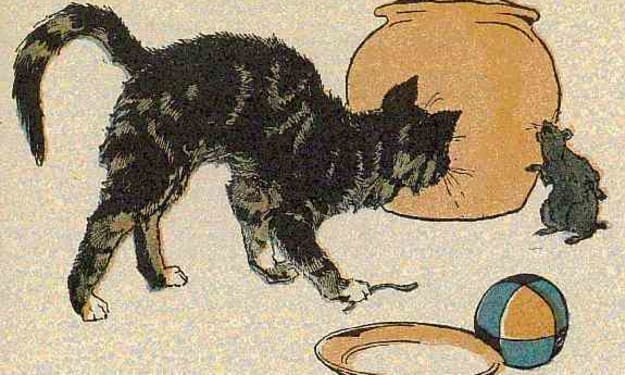
The Cat’s Pilgrimage After a Hundred Mice
Once upon a time, in a small village tucked between rolling hills and quiet rivers, there lived a cat unlike any other. She was sleek, cunning, and possessed a pair of sharp green eyes that glowed in the dark. Her agility and cleverness made her the most feared predator of mice in the entire countryside. The villagers often admired her skill, for she kept their granaries safe from the gnawing teeth of rodents.
By Hamza Muhammadabout a year ago in Fiction
Shadows on the Edge of Tomorrow
The train station was almost empty, except for a few scattered travelers dragging their suitcases across the cold concrete floor. The air smelled faintly of rain, and the giant clock above the platform ticked louder than usual, marking each second like a reminder that time was both a gift and a thief.
By Nadeem Shah about a year ago in Fiction
Europe’s Scorching Summer
Introduction: A Summer Like No Other Europe is experiencing one of the hottest summers in recent history. From Spain to Germany, and from France to Italy, the continent is battling relentless heatwaves that have disrupted normal life. Temperatures soaring above 40°C are no longer rare — they are becoming the new normal. This article explores how heatwaves are reshaping daily life across Europe, the challenges they bring, and the steps people are taking to adapt. The Heatwave Phenomenon Heatwaves occur when unusually high temperatures persist for days or even weeks. Scientists warn that climate change is intensifying these events, making them more frequent and more dangerous. According to the European Environment Agency, the continent has seen a steady rise in both the duration and intensity of extreme heat since the 1990s. Public Health Under Pressure Hospitals across Europe are reporting an increase in heat-related illnesses. Dehydration, heat exhaustion, and respiratory problems are common among vulnerable groups such as the elderly and children. Cities like Paris and Rome have opened cooling centers, while public health officials urge residents to stay hydrated and avoid outdoor activities during peak hours. The Daily Struggles of Ordinary People For millions of Europeans, the heatwave is not just a weather report — it’s a daily struggle. Office workers find productivity dropping as air-conditioning systems fail to keep up. Farmers worry about their crops drying under the blazing sun, while families cancel outdoor plans and seek refuge in shaded parks or air-conditioned malls. In southern Spain, school schedules have been adjusted, with classes ending earlier to avoid the midday heat. Energy Systems Under Strain Another impact of the heatwave is the strain on Europe’s energy systems. With air conditioners running non-stop, electricity demand is reaching record highs. Some regions face power shortages, while utility companies scramble to balance supply and demand. Ironically, the same rivers that cool nuclear power plants are running dry, forcing some facilities in France and Germany to reduce operations. Economic Consequences Heatwaves also have an economic cost. Tourism, one of Europe’s most important industries, is feeling the pressure. While northern countries such as Norway and Sweden see a rise in visitors escaping southern heat, Mediterranean destinations are struggling with cancellations. Agriculture is also hit hard, as drought conditions reduce crop yields, pushing food prices higher across the continent. Environmental Toll The natural environment is suffering too. Drought conditions lead to wildfires in Greece, Italy, and Portugal, destroying forests and displacing communities. Rivers like the Rhine and the Po are shrinking, threatening biodiversity and disrupting shipping routes. These environmental changes highlight the urgent need for sustainable water management and climate resilience policies. How People Are Adapting Despite the challenges, Europeans are finding ways to adapt. Urban planners are redesigning cities with more green spaces to cool down concrete jungles. Families are investing in better insulation for their homes. Communities are coming together, checking on elderly neighbors and sharing resources. Governments are also introducing early-warning systems to alert citizens before extreme heat strikes. The Bigger Picture: A Wake-Up Call Experts argue that Europe’s heatwaves are not isolated events but part of a global climate crisis. The continent is warming at twice the global average, making it particularly vulnerable. This summer is a stark reminder that climate adaptation is no longer optional — it is a necessity. Conclusion: Living in a Hotter Future Europe’s scorching summer is more than an uncomfortable season; it is a glimpse into the future. As climate change accelerates, heatwaves will continue to reshape how people live, work, and interact with their environment. The challenge now is not only to survive the heat but also to build a more resilient society that can thrive in a warming world.Another impact of the heatwave is the strain on Europe’s energy systems. With air conditioners running non-stop, electricity demand is reaching record highs. Some regions face power shortages, while utility companies scramble to balance supply and demand.
By Muhammad Ibrahimabout a year ago in Fiction
The Golden Diary
The attic had always been a forbidden place in the house. Dusty, dim, and filled with relics that no one cared about anymore, it seemed like a graveyard of forgotten objects. Yet, one late afternoon, curiosity pulled Zara toward it. The wooden stairs creaked beneath her feet, as though warning her to turn back. But she didn’t. Something in her heart told her that there was a story hidden there, waiting for her.
By Vocal Member about a year ago in Fiction