Mystery
Biolyfe 2030
The year is 2030 and Earth’s population has doubled in size. At the time that the government and medical experts noticed the population increase a pathogen of unknown origin coined the End Virus said to be very deadly began infecting individuals across the planet. In response to this new threat of infectious disease the US government and the FDA began running regular medical examinations on people who may potentially be carriers of the disease. The FDA also constructed an anti-virus the administer to those who were possibly infected called Biolyfe 2030. Anyone who scanned for signs of the infection had to report to their local urgent care center to be vaccinated.
By Joe Patterson2 years ago in Fiction
Black Magic
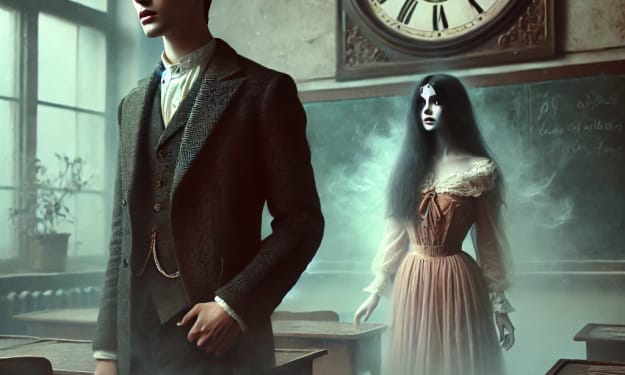
Black magic, often referred to as dark magic, has been a subject of fascination and fear for centuries. It is believed to involve supernatural forces used for personal gain, revenge, or harm. Unlike white magic, which is associated with healing and positivity, black magic is often linked to malevolent intentions. Stories of curses, secret rituals, and demonic pacts have spread across different cultures, making black magic a controversial and mysterious subject. Origins and Historical Context The origins of black magic can be traced back to ancient civilizations. In ancient Egypt, Greece, and Mesopotamia, people believed that priests and sorcerers could invoke spirits to influence events. During the medieval period in Europe, accusations of witchcraft became widespread, leading to brutal witch hunts. In the 16th and 17th centuries, thousands of individuals, mostly women, were executed for allegedly practicing dark magic. In contrast, many cultures in South Asia and Africa incorporated black magic into their traditional beliefs. In these regions, dark magic was often used for both protection and harm. Even in modern times, certain societies continue to believe in the power of black magic. In some parts of Africa, voodoo and juju practices are associated with dark magic, while in South Asia, tantric rituals are performed to influence fate, love, or success. Although modern science dismisses black magic as superstition, the fear and fascination surrounding it remain strong. Beliefs and Practices Black magic is often associated with specific rituals, symbols, and incantations. Practitioners use various objects such as dolls, candles, bones, and even blood to cast spells. One of the most infamous practices is the use of voodoo dolls, which are believed to transfer pain or misfortune to the person they represent. Another common belief is the "evil eye," where a person can supposedly curse another simply by looking at them with envy or malice. Many individuals turn to black magic to solve personal problems. Some seek wealth, power, or revenge, while others wish to remove a curse or find love. In certain traditions, practitioners claim to communicate with spirits or demons to fulfill their clients’ desires. Whether real or imagined, these beliefs and practices continue to influence many cultures and communities. Black Magic in Popular Culture The concept of black magic has been widely represented in literature, films, and folklore. William Shakespeare’s Macbeth features witches who predict the protagonist’s fate, ultimately leading to his downfall. The Harry Potter series portrays dark magic as a dangerous and forbidden force. Horror films frequently depict black magic rituals, curses, and demonic possessions, reinforcing its association with fear and mystery. While these portrayals entertain audiences, they also contribute to misconceptions. Many people assume that all forms of black magic are inherently evil, though some practitioners claim to use it for protection or justice. The blurred line between myth and reality continues to add to black magic’s mystique. Scientific and Psychological Perspectives From a scientific viewpoint, black magic is often seen as a psychological rather than a supernatural phenomenon. Psychologists argue that belief in curses and spells can create a self-fulfilling prophecy. If someone believes they are cursed, they may unconsciously act in ways that lead to negative outcomes, reinforcing their fears. Moreover, black magic is sometimes used as a tool for manipulation. Fraudulent practitioners exploit people's fears and insecurities, offering solutions in exchange for money. In some cases, individuals who believe in black magic suffer from paranoia, anxiety, or extreme psychological distress. Despite scientific skepticism, many cultures still uphold the belief that black magic holds real power. The Ethical Dilemma The practice of black magic raises ethical and moral questions. Should individuals have the right to practice it, even if it causes harm? Many religious and legal systems condemn black magic, labeling it as immoral or even criminal. However, others argue that belief in black magic is a personal choice and should not be punished unless it directly harms others. Fear of black magic has also led to violence in some parts of the world. Accusations of witchcraft still result in attacks and killings, particularly in rural areas of Africa, India, and the Middle East. This creates a challenge in distinguishing between cultural traditions and harmful superstitions. Conclusion Black magic remains a subject of intrigue, fear, and controversy. Whether seen as a supernatural force, a psychological phenomenon, or a cultural tradition, it has a significant impact on human beliefs and behaviors. While modern science largely dismisses its existence, many people still believe in its power, influencing their decisions and actions. In a world where the unknown continues to captivate us, black magic remains a symbol of our deepest fears and desires. Whether real or imagined, its influence endures, making it one of the most fascinating aspects of human history and folklore.
By Jahin Abdullah 2 years ago in Fiction
Relics of the Gods
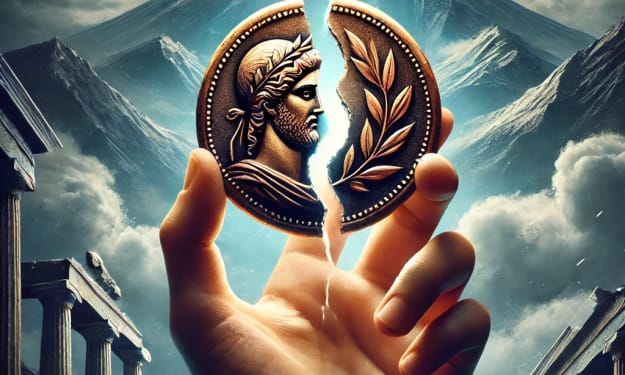
Sparta, Greece 396 BC As she rose from the dirt bloodied and bruised. wearing a white tunic with golden sandals and a golden belt, Atheas looks at her father, Lysander, the general of the spartan army and commander of the greatest force Sparta has ever seen.
By Robert Emmett2 years ago in Fiction
Magic Paint Brush
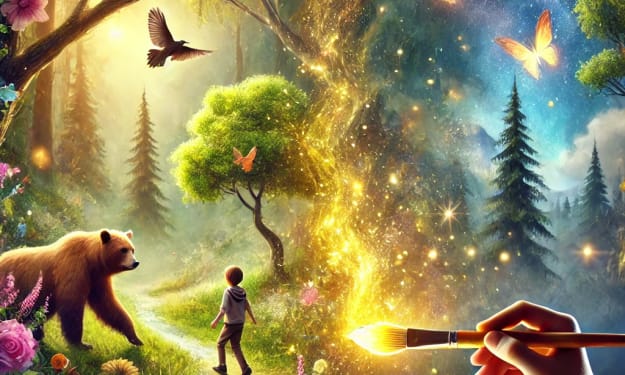
Once upon a time, there was a young man named Ma Liang. He was poor and kind and he loved painting so much that he would draw pictures everywhere. One night, he dreamed that an old man gave him a magic paint brush and told him to use it to help poor people. When he woke up, he saw the magic paint brush on his desk.
By Nikita Angel2 years ago in Fiction
So the Story Goes on and on and on and Skewed Right, Then Cleft Down the Middle
Part One by JBazPart TwoPart ThreePart FourPart FivePart Six ⬇️⬇️⬇️ The group continued on foot for over an hour. Carl and Jaylene carried Denny and Jenny, while Adam received a piggyback ride from Thomas. Agent “Don’t call me Rance” Cochran led the way, carrying Felix inside his carrier. Carl soon saw why they had to go in on foot; the nearer they walked to the Big Blue River, the muckier the ground became.
By Mother Combs2 years ago in Fiction
Lookin’ For U
Uma Freeman is at the Bear Rock Cafe with her best friend Jennifer anxiously waiting on a phone call. “So is this mystery creep still spamming your phone?” Jennifer asked. “Yes” Uma replied anxiously. “I swear I don’t know who this is but he keeps sending me random messages everyday like “Hey beautiful” while describing what I’m wearing” Uma replied.
By Joe Patterson2 years ago in Fiction
The Observer!
I’ve been watching her for three months. Same drill, day after day: coffee at 7:15, newspaper spread out on her kitchen table, red pen circling job listings. She has been out of work since the layoffs. I know because I’ve examined the envelopes in her mailbox unemployment checks, past-due notices, a missive from her mother in Tallahassee who doesn’t understand why she won’t just return home.
By Neli Ivanova2 years ago in Fiction