Mystery
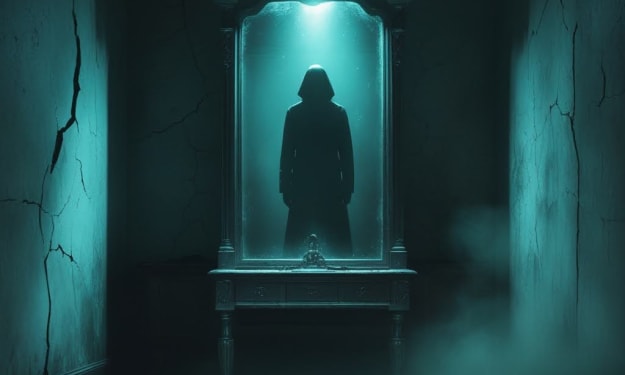
The Silence Beneath the Clocktower
In the fog-wrapped town of Eldhollow, a clocktower stood at the center like a solemn monument. Its hands hadn’t moved in seventy-three years. The bells hadn’t rung. Not since the fire. Not since the disappearances. People avoided it like a shadow that stretched too far.
By Awais Khaliqabout a year ago in Fiction
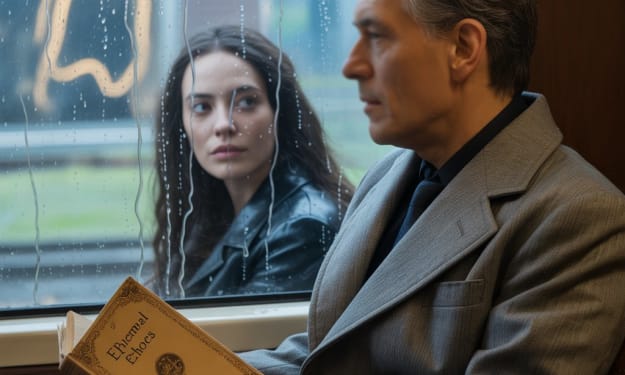
Lurking in the Depths of You
“Mr. Elliot Blackwood,” calls a rustic voice. I fumble my keys and wallet as I stand, timidly walking toward the small room, which is composed of only a couple of chairs and a small rectangular table that looks like it belongs in a campervan.
By Chelsea Kateabout a year ago in Fiction
The Ace of Spades Murders-1st Part
Chapter 1: The Body in the Alley The fog rolled in from the harbor, thick and suffocating, swallowing the neon glow of Blackwood City’s streets. Detective James Callahan hated nights like this—the kind where the air clung to his skin like a second layer, where every shadow seemed to shift just beyond his vision.
By Md. Muzammal Rahman Pirabout a year ago in Fiction
The Canvas
Elara lived in a city that hummed with a thousand unspoken dreams. Her own dream, however, felt increasingly muted, confined to the cramped corners of her studio apartment. Paintbrushes lay scattered like fallen soldiers, and canvases stared back, stubbornly blank. She was an artist, or at least, she used to be. Now, she mostly painted the bills due in her mind.
By Momin Shahabout a year ago in Fiction
A Sad Fourth of July
In a place where there used to be picnics, fireworks and many people now there is nothing but rotting picnic tables and shelters falling down where the people used to watch the fireworks. No one knows what really happened or why it just seemed to just stop. Could it have been that there were just too many rules or was it just too expensive to continue. No one really knows. The Fourth of July a day of excitement and fun is now only a memory of days gone by no longer a day of fun, but one can still remember.
By Mark Grahamabout a year ago in Fiction
❤rian’s Night: When the Dark Almost Won❤
It was late at night. The wind whispered through the cracked window of a small room, lit only by a dying bulb. Arian sat on the edge of his bed, his hands gripping his face, his shoulders trembling — not from cold, but from the weight of everything he had tried to carry for too long.
By Abdulmusawerabout a year ago in Fiction
when the town stopped dreaming
There was a time when the people of Windmere dreamed in color. They dreamed of dragons soaring over the hills, of bridges made of stardust and oceans that whispered secrets. The butcher once confessed he'd dreamed of baking cinnamon rolls in the shape of galaxies. The schoolteacher wrote poems based on visions she saw while asleep—poems that made even the mayor cry. Children giggled in their sleep, mumbling about magical creatures and kingdoms hidden beneath their beds. But one day, the dreams stopped. No one noticed it at first. One person waking without a dream is hardly newsworthy. But then, another. And another. And within a week, the entire town of Windmere woke up to silence—not just in the world, but in their minds. No more surreal landscapes. No more flying. No more unexpected reunions with long-gone loved ones. The canvas of sleep had gone blank. At first, people shrugged it off. "Maybe it’s the weather," someone said. "Probably just stress," another offered. The town physician checked for pollutants, sleeping disorders, even mass psychosis. But everything came back normal. Perfectly, frustratingly normal. The town's color began to fade—not literally, but in spirit. Conversations dulled. Laughter lost its luster. The bakery stopped experimenting with whimsical recipes and returned to plain white bread. The library, once filled with eager readers chasing fantasies, stood dusty and quiet. Even the birds seemed to sing less. Children stopped drawing. And that was when people really began to worry. --- Ten-year-old Elsie Maddox was the first to ask the question everyone had been avoiding: “Where do dreams go when they disappear?” Her parents, like most grown-ups, gave her a soft smile and changed the subject. But Elsie was not like most children. She noticed things. She noticed the silence. She noticed her goldfish no longer danced in its bowl at night, the way it used to when she had adventure dreams. She noticed that her dog, Patches, whined in his sleep now, instead of chasing imaginary squirrels. And so Elsie, determined and brave in a way that only children can be, decided to find the answer herself. She packed a notebook, a flashlight, and two peanut butter sandwiches. After everyone had gone to bed, she tiptoed out into the foggy streets of Windmere. She visited the wishing well in the town square, where people once threw coins and asked for dreams to come true. She looked down into its depths and whispered, “Bring them back. Please.” Nothing. Then she visited old Mrs. Dellarose, who was known for reading tea leaves and once claimed she dreamed in languages no one had heard of. Mrs. Dellarose hadn’t spoken in days, her eyes distant. But when Elsie held her hand and whispered her question again—“Where did the dreams go?”—the old woman blinked and murmured, “They were stolen.” Stolen. The word echoed in Elsie’s mind. --- She spent the next week asking everyone if they remembered their last dream. Most didn’t. A few remembered fleeting flashes: a tree made of mirrors, a song they couldn’t hum, a face they almost recognized. Each time, Elsie drew what they described in her notebook. Patterns emerged. The same tree. The same melody. The same face. She followed those clues to the edge of Windmere, to a long-forgotten shack covered in ivy and moss. Inside, she found journals stacked high—every one full of dream fragments. Thousands of them. Torn from sleep, stolen, collected. And sitting in the center, hunched over a book, was a figure wrapped in shadows. “I didn’t mean to take them all,” it whispered. “But I was lonely. And dreams… dreams are company.” Elsie stepped forward. “But they’re not yours to keep.” “I know,” the figure said, its voice trembling. “But I couldn’t help it. The world forgot me. I thought if I held their dreams, I’d be remembered.” Elsie sat beside it. “Maybe we can remember you another way.” She took the figure’s hand. “Come back to the town. Tell us your story. Let us dream with you.” The figure, once feared and forgotten, nodded. --- That night, Windmere dreamed again. First it was a baby who smiled in her sleep. Then a teenager who woke up sketching impossible machines. The librarian dreamed of a flying whale that lived in a cloud library. The mayor dreamed of dancing on a rooftop with his childhood dog. And Elsie? Elsie dreamed of a girl with a notebook, walking hand-in-hand with a shadow that no longer felt alone. The color returned. The laughter bloomed again. And Windmere learned that dreams aren’t just about sleep—they’re about connection, about remembering even the forgotten, about hope lighting up the dark corners of our minds. Because when a town stops dreaming, it starts to fade. But when it dreams again—oh, how brightly it shines.
By Mati Henry about a year ago in Fiction