Fan Fiction
The Field Beyond the Fence
The Abernathy Academy Gleaning Club was, for all its good intentions, an exercise in optics. It was the pet project of Isabella Sterling, student council president, and the perfect bullet point for her college applications. "Community engagement," she'd declared. "It shows leadership and empathy."
By Habibullah10 months ago in Fiction
Whispers in the Windmill
I never believed in village folklore. Not when I was a child running through the wheat fields, not when I left for the city at eighteen, and certainly not when I returned years later with more mistakes than belongings. But folklore has a strange way of waiting for you, especially in small places where stories cling to the air like dust. Our village’s old windmill had always been part of those stories. It sat alone on a gentle hill, its white stone walls softened by age and its wooden blades faded by decades of weather. What made it unusual wasn’t its shape, but the way its blades spun backward whenever twilight settled in. People said it gathered the whispered regrets of the villagers, pulling them in like threads and weaving them into something useful. Something healing. When I was young, the idea made me laugh. Adults spoke of it with a tone that hovered between belief and superstition, the way people mention ghosts in old houses. I never heard anyone admit they had visited the windmill. Not until I found myself needing it more than I cared to admit. I returned home after an exhausting year in the city. I had made decisions that felt irreversible, chased opportunities that drained more than they gave, and ended a relationship that had quietly been unraveling for months. My mother welcomed me with a hug that lasted longer than it used to, and my father kept offering me tea as if hot water could fix a fractured life. One evening, after dinner, I found myself wandering without aim. The sunset was brushing the sky with amber and lavender, and before I realized where my feet were taking me, I was climbing the old hill toward the windmill. Its backward-spinning blades were already stirring, slow and steady, like a giant drawing breath. I hesitated at the door, my hand resting on the worn wood. It felt foolish, stepping into a place that belonged more to myth than to reality. But my thoughts were heavy, and something about the soft turning of the blades felt inviting. Inside, the air was cooler than outside. Dust floated in the warm light that seeped through the cracks. The windmill’s interior was simple: a wooden floor, a circular wall of stone, and above me the groaning machinery turning in reverse. There was no obvious magic, no glowing lights or whispering spirits. But then I heard it. A soft murmur, almost indistinguishable from the sound of turning gears. I closed my eyes, and slowly, the murmur sharpened into words. Not clear sentences, more like threads of feelings. A mother regretting harsh words spoken too quickly. A teenager wishing they had apologized before a friendship fell apart. An elderly man longing to revisit the apology he owed his brother decades ago. These were not dramatic confessions. They were quiet regrets, the kind that linger in the background of a life. The more I listened, the more the murmurs changed. They began to blend into something steady, almost rhythmic. Advice. Not loud or commanding. Just gentle reminders, shaped from the regrets the windmill had gathered. Tell people when they matter to you. Do not be afraid to start over. You are allowed to rest. You are allowed to return. My throat tightened. I had spent months pretending that exhaustion was normal and that disappointment was something everyone simply swallowed. Hearing those soft threads of guidance felt like having someone place a warm hand on my shoulder. For the first time in a long while, I let myself sit down on the wooden floor. I don’t know how long I stayed there, listening. The windmill never spoke directly to me — it offered no clear answers, no instructions — but the atmosphere inside made my thoughts clearer. I could see where I had been stubborn, where I had ignored my own needs, where I had pushed myself to the edge because I thought stopping meant failure. Eventually, the blades began to slow. Twilight had deepened into early night, and the murmurs faded until all I could hear was the creaking of the windmill settling into stillness. When I stepped outside, the hillside was bathed in cool blue light. The village looked small and quiet below, lanterns glowing behind windows. I felt lighter, not because my regrets had vanished but because they no longer felt like weights I had to carry alone. In the days that followed, I noticed something new. People in the village rarely admitted it out loud, but every so often someone would return from that hill with a softer look in their eyes. A baker who finally forgave himself for closing shop early to rest. A teacher who reached out to an estranged sibling. My own mother, who after years of brushing off her own dreams, began talking about taking painting classes in the next town. And me? I started making small changes. I apologized to a friend I had drifted away from. I allowed myself to slow down, to recalibrate. I began writing again — something I had abandoned because I felt I had nothing meaningful to say. The windmill didn’t fix my life. It didn’t erase regret. But it did something quieter and perhaps more important: it reminded me that every regret holds a hidden piece of wisdom, and that listening — really listening — is a form of healing. Some evenings I still walk up the hill, not to hear voices, but simply to sit beside the windmill as the blades turn backward in the fading light. And sometimes the wind carries a whisper that feels like it’s meant for me. You can begin again. And I do. Every day.
By Jhon smith10 months ago in Fiction
How the Conflict Nearly Escalated into Full War
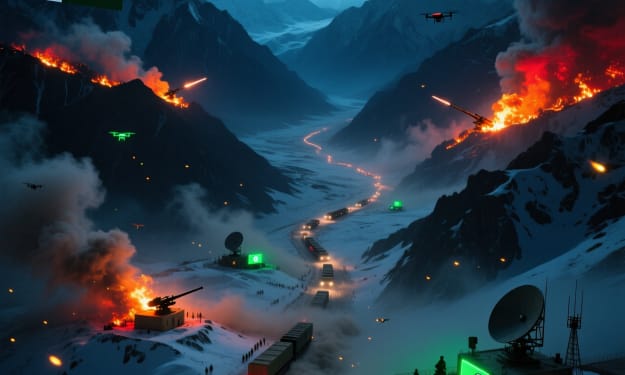
How the Conflict Nearly Escalated into Full War For years, the region had lived under a cautious balance—an invisible thread of pressure between Pakistan, India, and Afghanistan. Diplomats called it “controlled tension,” generals called it “the edge,” and civilians prayed it would never snap. But last week, the impossible nearly happened. For seventeen hours, the region stood just one wrong move away from a full three-front war.
By Wings of Time 10 months ago in Fiction
[Reddit Post] Housekeeping found a room that shouldn’t exist.
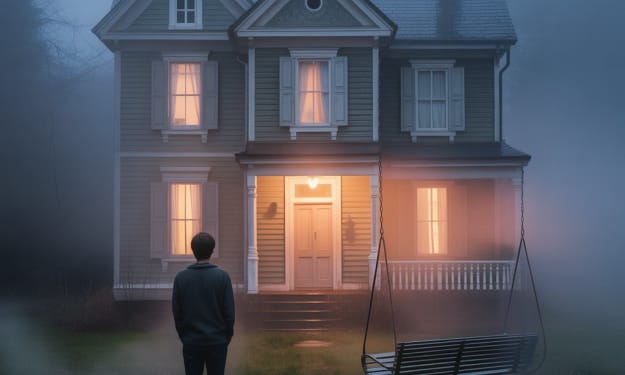
Posted by u/GraveyardFrontDesk – r/NoSleep I’ve worked the front desk at our hotel for six years. It’s an older place — six floors, seventy-something rooms, built in the late ’70s and “renovated” (poorly) a decade ago. If you’ve ever worked in a hotel, you know the routine weirdness: creaky vents, drunk guests, elevators that ding for no reason. You learn to shrug most things off.
By V-Ink Stories10 months ago in Fiction
[Reddit Post] The hotel pool never reflects properly at night.
Posted by u/NightShiftClerk — r/NoSleep I’ve been working nights at the Fairbridge Suites for almost four years now. It’s not a bad gig — quiet most of the time, good pay, free coffee. I used to think the creepiest part of the job was the occasional drunk guest or flickering hallway light.
By V-Ink Stories10 months ago in Fiction
[Reddit Post] The same guest checks in every Thursday… and dies every Friday morning.
Posted by u/GraveyardFrontDesk — r/NoSleep I work the overnight shift at a small roadside hotel just outside Denver. It’s quiet most of the time — truckers, couples who don’t want their names on anything, salesmen passing through. You get used to the silence, the humming ice machine, the smell of burnt coffee, and cheap disinfectant.
By V-Ink Stories10 months ago in Fiction
The Emergency Exit
I opened the exit door during a routine check… and it didn’t lead outside. Hey everyone. I work as an usher at a pretty normal, mid-sized movie theater. You know the type—sticky floors, minimum wage, endless popcorn, and managers who think “teamwork” means doing three jobs at once. Nothing glamorous.
By V-Ink Stories10 months ago in Fiction
[Theater Reddit] Update: The Vanishing Guest
Didn’t think I’d be posting again, but something happened last night that I can’t shake. For the past week, the register’s been quiet — no tickets, no midnight receipts. I figured whatever glitch was happening finally stopped. I even joked with the janitor that our “ghost customer” must’ve found a better theater.
By V-Ink Stories10 months ago in Fiction
Where the Streets Turn Into Freedom
The sun had just begun its slow climb over the skyline, spilling gold across the tops of buildings and washing the long avenue in a warm, gentle glow. It was the kind of morning that felt almost unreal—too calm, too open, too perfect for a city known for noise, rush, and endless motion. But for one morning each week, everything changed. Cars disappeared. Horns went silent. And the streets became something else entirely. On this particular morning, Adam tightened the straps on his helmet, placed his foot on the pedal, and pushed forward into the open boulevard. The air was crisp and clean, carrying the faint scent of fresh pastries drifting from the cafés lining the sidewalk. Restaurant owners were flipping chairs, arranging tables, preparing for the day. Some waved as cyclists passed by, as though greeting old friends instead of strangers. Adam had lived in the city for eight years, yet he had never seen it like this until recently. The “Open Streets” program had started as a small community initiative—just a few blocks closed to traffic for biking and walking. But it quickly grew, spreading across neighborhoods, turning once-busy roads into weekend havens. For many people, it became a chance to breathe again. For Adam, it became something more. It became freedom. He pedaled forward at a gentle pace, letting the rhythm of the wheels match the beating of his heart. Around him, dozens of other cyclists moved in unhurried harmony: families pulling toddlers in small trailers, groups of friends laughing as they rode side by side, older riders enjoying a slow and peaceful glide. Even people without bikes joined the flow—joggers, dog walkers, couples strolling with iced coffee. The city felt alive, but not loud. Busy, but not chaotic. For once, it felt like it belonged to the people instead of the traffic. As Adam rode deeper into the avenue, memories surfaced—times when he had rushed down this same street, dodging honking cars, weaving through crowds, always running late, always stressed. Back then, he hardly noticed the buildings, the trees, the shop windows. He didn’t see the people, only obstacles slowing him down. Now, he saw everything. Sunlight shimmered through the leaves of tall, carefully planted trees that lined the street. The red awnings outside small restaurants fluttered gently in the morning breeze. People sat at sidewalk tables sipping coffee, smiling at the stream of cyclists passing by, as if everyone was part of one giant, peaceful story unfolding in real time. As he continued, Adam found himself riding next to an older man with a white beard and a vintage bike. They exchanged a quick smile. “Beautiful morning, isn’t it?” the man said without slowing. “Perfect,” Adam replied. “Reminds me of when I was a kid,” the man added. “The streets felt big back then. Like they belonged to us.” Adam nodded, understanding exactly what he meant. Even as an adult, this open street brought back a childlike joy—an invisible weight lifting from his chest, a sense of wonder he thought he had outgrown. They rode together for a moment before parting ways. Adam drifted back to the center of the boulevard, letting the city stretch out in front of him like a sunlit runway. His shadow stretched long and dark behind him, chasing him like a loyal companion. Halfway down the street, he slowed to a stop. Not because he was tired, but because he didn’t want to rush through a moment that felt so rare. He placed one foot on the ground and looked around. Everywhere he looked, he saw freedom. Not the kind captured in speeches or carved into monuments. But the simple freedom to exist without hurry. To breathe without pressure. To move without fear. A group of children rode past on colorful bikes, their laughter echoing between the buildings. A young woman skated by with headphones on, eyes closed, fully immersed in the rhythm of her music. A couple pushed a stroller while their small dog trotted proudly beside them. It was a portrait of a city transformed—not by money, not by politics, but by people choosing to reclaim a moment of peace. Adam got back on his bike and continued the ride, feeling the sunlight warm his shoulders. Each turn of the wheel felt like a reminder that life didn’t always have to be complicated. The road ahead was open, not just literally but symbolically. He could choose his own path, his own pace. When he reached the end of the open-street zone, he stopped again. Behind him, the long boulevard glowed under the rising sun. People were still streaming in, filling the road with movement and joy. For a moment, Adam wished he could freeze time—hold this morning forever. But he didn’t need to. Freedom wasn’t just in the street. It was in the feeling. And feelings, he realized, could be carried anywhere. He turned his bike around and began riding back, eager to stay in the moment a little longer—pedaling through a city where, for one beautiful morning, the streets had turned into freedom.
By Hanif Ullah 10 months ago in Fiction
The Golden Bloom
For as long as anyone in the small town of Oakhaven could remember, the Harvest Festival float competition had been a cold war between two factions. On one side was Liam, the artistic, free-spirited owner of the local pottery studio. His floats were bursts of whimsical beauty, all flowing lines and abstract shapes that critics called "ahead of their time" and others called "a bit much."
By Habibullah10 months ago in Fiction
Dial 999 for Your Future Self
Dial 999 for Your Future Self By Hasnain Shah It started with a sticker on the inside of a bus shelter. The kind you usually ignore—cheap print, curled edges, probably someone’s attempt to advertise miracle weight-loss pills or forbidden streaming sites. But this one caught my eye because it said only four words:
By Hasnain Shah10 months ago in Fiction