
Steps to Implement Music Therapy for an Autistic Child
A Guide for Parents and Caregivers

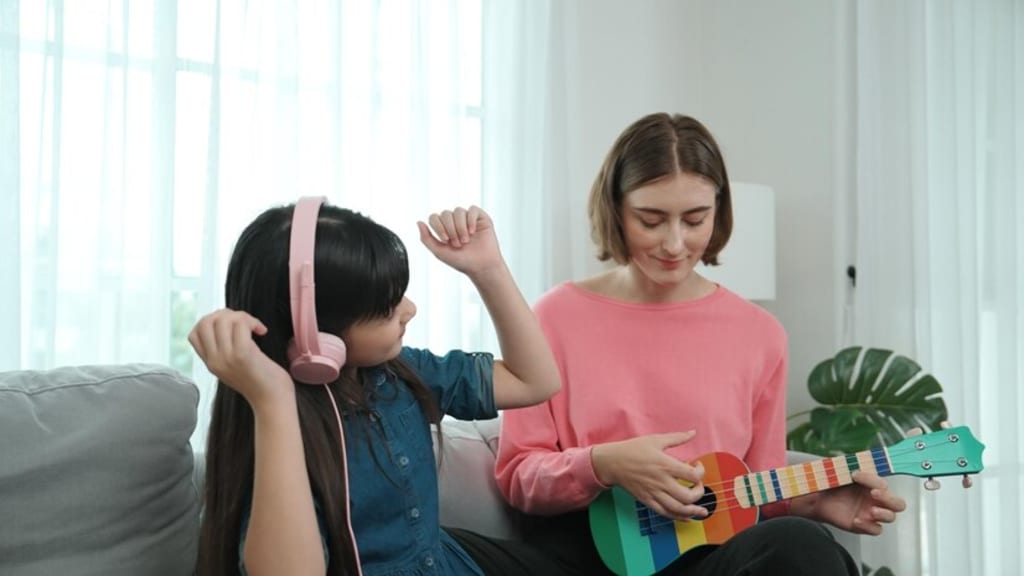
Music therapy for autism child has become an increasingly recognized approach to support children on the autism spectrum. Music therapy for autism child therapeutic technique harnesses the power of music to help improve communication, social skills, and emotional expression. If you’re considering music therapy for your child, here are some essential steps to guide you through the process.
Assess the Needs and Goals: Start by evaluating your child’s unique needs and setting specific goals for music therapy. Work with a qualified music therapist to identify what areas—such as communication, sensory integration, or social interaction—might benefit most from musical intervention.
Find a Qualified Music Therapist: Look for a licensed and experienced music therapist who specializes in working with autistic children. Verify their credentials and ask for recommendations from other parents or healthcare professionals.
Create a Structured Plan: Collaborate with the music therapist to develop a personalized therapy plan. This plan should outline the frequency and duration of sessions, the types of musical activities to be used, and the goals to be achieved.
Prepare Your Child: Introduce your child to the concept of music therapy in a comfortable and engaging way. Explain that the therapy will involve making music, which can be fun and help them learn new skills.
Engage in Regular Sessions: Consistency is key. Ensure your child attends the therapy sessions regularly and participates actively. Encourage them to express their thoughts and feelings about the sessions to provide feedback to the therapist.
Monitor Progress and Adjust: Track your child’s progress towards the set goals and discuss any observations with the therapist. Be open to adjusting the therapy plan as needed to better suit your child’s evolving needs.
Integrate Therapy Techniques at Home: Support your child’s progress by incorporating music activities into daily routines. Simple practices like singing songs together, playing instruments, or listening to their favorite music can reinforce what they’re learning during therapy.
Collaborate with Other Care Providers: If your child is receiving other forms of therapy or support, such as occupational or speech therapy, coordinate with those providers to ensure a cohesive approach to your child’s development.
Encourage Social Interaction: Where possible, involve your child in group music activities or workshops. This can provide opportunities for them to interact with peers and practice social skills in a supportive environment.
Celebrate Achievements: Acknowledge and celebrate the milestones and improvements your child makes through music therapy. Positive reinforcement can motivate them and make the experience more enjoyable.
Implementing music therapy for an autistic child can be a rewarding journey that supports their development in meaningful ways. By following these steps, you can create a supportive environment that enhances their well-being and fosters their growth.
For additional support and resources, consider exploring home health care Miami services. These can provide comprehensive care and support tailored to your child’s individual needs, complementing the benefits gained from music therapy.
About the Creator
A Special Angel’s Touch Inc.
A Special Angel’s Touch is a Home Health Agency who provide non-medical services for children and adults with Special Needs and Developmental Disabilities in the comfort of their residence.
Enjoyed the story? Support the Creator.
Subscribe for free to receive all their stories in your feed.
Comments
There are no comments for this story
Be the first to respond and start the conversation.