
Scientists Uncover Hidden Magma Cap Beneath Yellowstone Supervolcano"
A shallow, heat-trapping magma layer discovered by new seismic imaging may alter our understanding of Yellowstone's volcanic system.
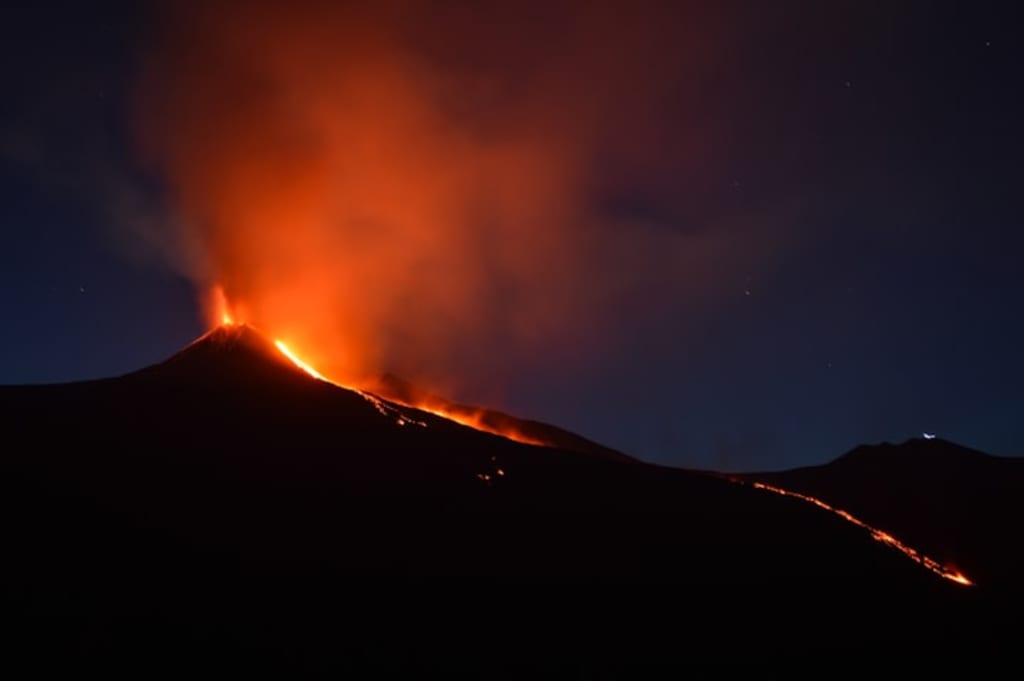
Yellowstone National Park, WY — A groundbreaking geological discovery has revealed a previously undetected magma cap lurking beneath Yellowstone National Park, offering new insight into the inner workings of one of the world’s most closely monitored supervolcanoes.
A group of researchers from the University of Utah and the United States conducted a study that was recently published in Nature Geoscience. Geological Survey (USGS) detailed the use of advanced seismic imaging and magnetic data to uncover the hidden layer. Situated just above the main magma reservoir, this cap appears to act as both a pressure valve and thermal insulator—effectively trapping intense heat and molten rock below the surface.
A New Piece of the Geological Puzzle in Yellowstone Geothermal activity has long been recognized in the Yellowstone Caldera, which was formed by a massive volcanic eruption approximately 640,000 years ago. The region is a center of volcanic activity, with everything from steaming mud pots to boiling geysers. The primary magma chambers beneath the park, which lie between 5 and 17 kilometers below the surface, were previously thought to have been mapped by scientists. The newly discovered magma cap lies much closer to the surface—only about 3 to 5 kilometers deep—and consists of partially solidified magma interlaced with volatile gases. Dr. explained, "This cap acts like the lid on a pressure cooker." Lila Anderson, the study’s lead author. “It traps heat and pressure, which could influence both how Yellowstone behaves today and how it may erupt in the future.”
Not a Harbinger of Doom—Yet
While the idea of hidden magma might sound ominous, scientists stress that this discovery doesn’t indicate an impending eruption. Instead, it improves our understanding of Yellowstone’s internal plumbing and how pressure builds and releases over time.
“This is a scientific gold mine,” said Dr. Jacob Ramirez, a USGS volcanologist not affiliated with the study. It does not imply that Yellowstone will erupt tomorrow. What it does mean is that our models can be much more accurate going forward.”
Future Research and Monitoring The discovery has already prompted discussions about expanding the monitoring network around Yellowstone. Additional seismometers, satellite-based deformation tracking, and magnetotelluric sensors may be deployed to gather more data on the cap’s behavior and composition.
“This hidden cap helps fill in a critical missing piece in the puzzle of Yellowstone’s complex system,” said Dr. Anderson. “The better we understand it, the better we can assess risks—not just here, but for similar supervolcanic systems around the world.”
One thing is certain as scientists continue to investigate the volcanic core of Yellowstone: the surface of the planet still holds many mysteries, and Yellowstone remains one of the planet's most enigmatic and fascinating geological wonders.
About the Creator
Enjoyed the story? Support the Creator.
Subscribe for free to receive all their stories in your feed.
Comments