
Race for Survival:
Life in the Absence of Something

1.
In a far corner of the galaxy, there was a world unlike any other. It was devoid of light and air and no trace of oxygen. Instead, it was filled with single-celled organisms and bacteria. Single-celled organisms are covered with glowing, translucent shells, allowing them to protect themselves from their environment and control their internal environment. Shells come in a variety of shapes and sizes, from simple spheres to complex, geometric shapes. Some single-celled organisms have even developed complex, spider-like legs that they use to get around and explore their environment. They can also manipulate their shells, opening and closing them to control the flow of nutrients and waste and to communicate with other cells. The shells of unicellular organisms are also equipped with sophisticated sensory systems that allow them to gather information about their environment and respond to changes in their environment. Some cells even have the ability to reflect light, creating stunning screens that they use to communicate with each other.
2.
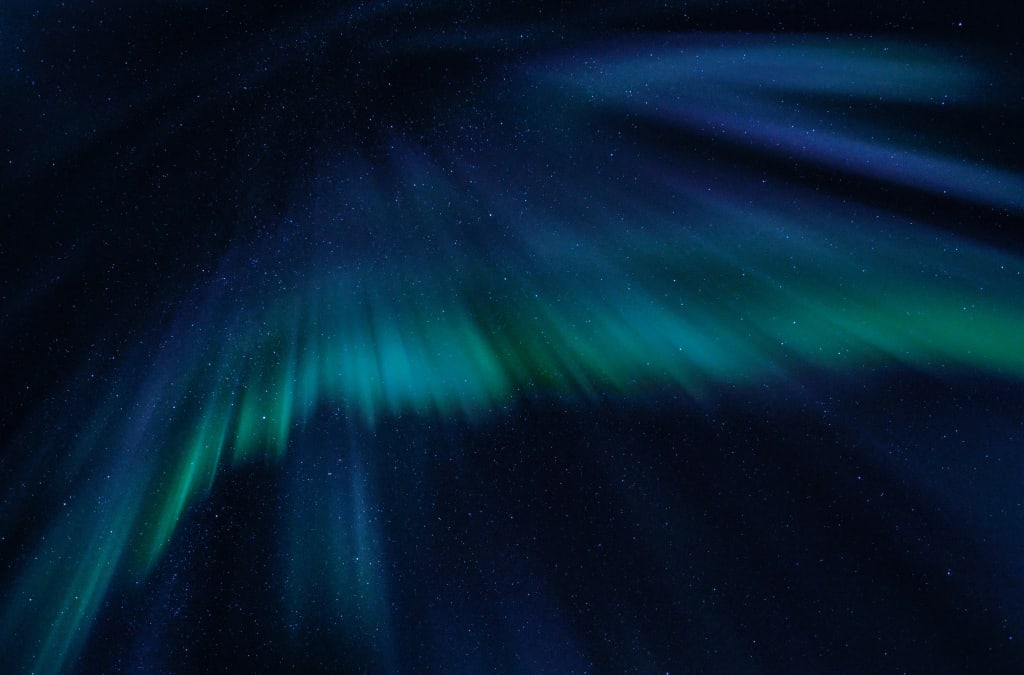
The sky was a deep shade of purple, and instead of earth the ground was covered with a strange, mucous-like sticky texture.
This strange substance was thick and gloopy, making it difficult to move around. But despite its uninviting appearance, it was full of life. Strange creatures with multiple limbs and tentacles leaped across the surface in search of food and shelter.
Despite the uninhabitable conditions, life flourished in this unusual habitat. Unicellular organisms and bacteria have adapted to the lack of oxygen and have found other sources of energy to sustain themselves. They lived in a delicate balance, relying on each other for survival.
As the creatures moved, the sticky substance would stretch and deteriorate, creating pockets and ridges that provided a different landscape for the creatures to explore. The purple sky cast an eerie glow over the landscape, illuminating the strange creatures below.
Plants grew in the cracks and fissures of the sticky structure and reached skyward to absorb the rich purple light. They produced a sweet nectar that attracted all kinds of creatures, including flying creatures that hovered over the sticky surface, drank nectar and pollinated plants.
In this world, the sticky substance played a very important role in the ecosystem. It provided a unique habitat for creatures to live in and helped regulate temperature by keeping the environment stable even in the face of extreme weather conditions.
Despite its unusual appearance, the purple sky and sticky earth was a thriving and diverse ecosystem, home to countless species of creatures adapted to its unique conditions. And in this world, life has evolved in its own strange and beautiful way.
3.
One day, a group of explorers came across this strange world. They were amazed by what they saw and decided to study life forms in this alien environment. They spent months observing organisms and bacteria and discovered that these tiny creatures have a unique way of communicating with each other.
Single-celled organisms and bacteria communicated through the release of chemicals, creating a kind of "language" that allowed them to share information and coordinate their actions. This was a remarkable discovery as it showed that even in the harshest environments, life can find a way to evolve.
As the explorers continued their research, they realized that life forms in this habitat not only survived, but evolved. They were getting more complex, developing new ways to adapt to their harsh environment.
They shared their findings with the rest of the scientific community, and the discovery of this unique habitat has become one of the greatest scientific mysteries of all time.
Years passed and many other explorers wanted to come back to this strange world to continue working on single-celled organisms and bacteria. A desire to learn even more about these extraordinary creatures and the complex world in which they lived was gripping inside.
The ship FrozenH1, with a crew of twenty-two, had departed from Earth. Now only the FrozenH1 crew remained to be removed from their sleeping pods when they arrived at their destination.
So what’s happened next?
About the Creator
Enjoyed the story? Support the Creator.
Subscribe for free to receive all their stories in your feed.
Comments
There are no comments for this story
Be the first to respond and start the conversation.