
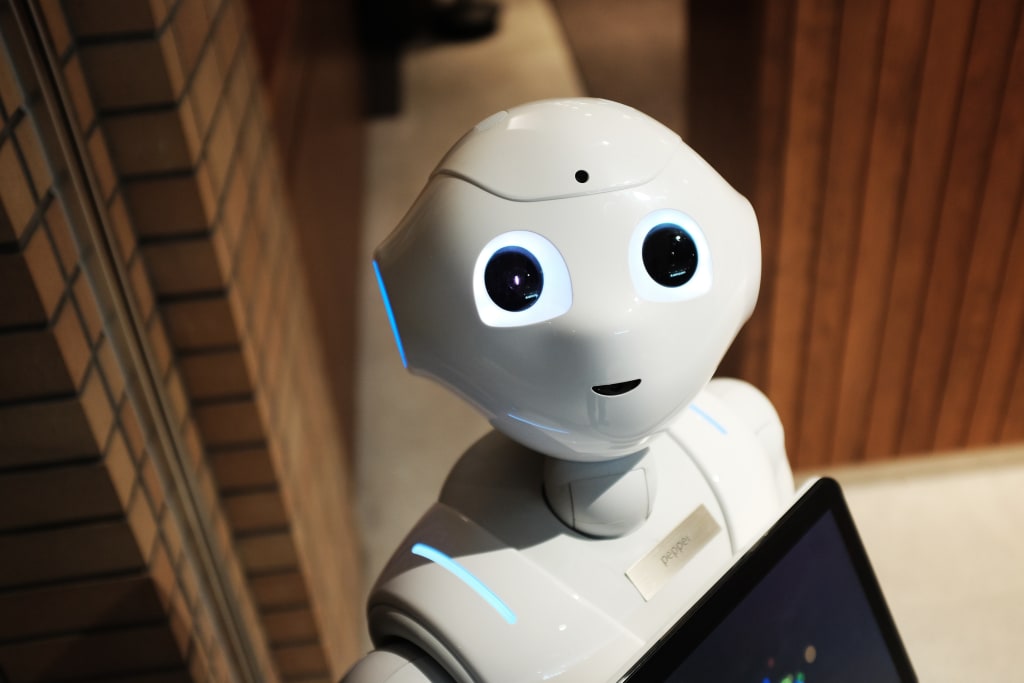
In imagining a post-human world, we are venturing into the realm of speculative fiction and philosophical inquiry. A future condition where humans have gotten past their biological limitations through the integration of cutting-edge technologies and given rise to new species of sentient beings is referred to as post-humanism. We can investigate various scenarios and themes that may influence these post-human creatures, even if the specifics of a post-human society can change based on the setting and technological developments.
Transcendence and Augmentation:
The term "transcendence and augmentation" in a post-human world refers to the notion that post-human creatures have, through the use of sophisticated technology, overcome the constraints of the human form. Post-humans may overcome biological limitations and reach previously unheard-of levels of physical, cognitive, and emotional prowess thanks to a vast range of changes and improvements made possible by these technologies.
Genetic engineering may be a component of physical augmentation, enabling post-humans to modify and improve their own genetic code. They might improve physical qualities like strength, speed, endurance, and sensory sensitivity by modifying their DNA. They could even develop new senses, broadening their understanding of the world beyond that of humans. These improvements may be adapted to certain situations, allowing post-humans to survive in harsh environments or on other planets.
Another aspect of post-human transcendence is cognitive enhancement. Post-humans may be able to improve their memory, learning, and intellectual powers thanks to advanced neurotechnology. By enabling direct communication between the human brain and computer systems, brain-computer interfaces (BCIs) might enable the seamless integration of artificial intelligence (AI) and massive knowledge stores. With the help of this integration, post-humans could be able to absorb and analyze data at breakneck rates, producing fresh ideas, inventive fixes, and breakthroughs across a range of industries.
Although little studied, emotional augmentation may entail the creation of tools that enable the modification and management of emotions. It's possible that post-humans will be able to control their emotions, which will improve their emotional intelligence and resilience. A life where emotions are actively and purposefully experienced and handled may result from this and be more harmonic and balanced.
Additionally, in a post-human society, physical bodies may become very adaptive and changeable. Post-humans could be able to change their physical forms as they like thanks to improved materials and nanotechnology. They might alter their physical characteristics to adapt to various situations, such as gaining wings for flying or acquiring aquatic adaptations for exploring the ocean floor. Post-humans would have the flexibility to explore and engage with the world in a variety of novel and previously imagined ways because of this adaptability.
The idea of transcendence and augmentation in a post-human future presents ethical and cultural questions that are crucial to mention. The accessibility and distribution of these improvements could result in differences between various groups of people, perhaps leading to divisions and inequities. To establish a just and equitable post-human society, concerns about access, justice, and the preservation of individual identity in the face of significant alterations would need to be addressed.
Non-Biological Entities:
While imagining a post-human world, it is possible that certain post-human creatures would transcend biological existence and take on non-biological forms. In order to escape the limitations and weaknesses of biological life, this may entail evolving into wholly digital or synthetic beings.
The advent of a wholly computerized consciousness is one possibility. Post-humans could exist as digital beings inside intricate networks by uploading their thoughts and consciousness into enormous computing systems. The computing capacity of these artificial intelligences would be enormous, processing data at rates that are many times faster than those of humans. They could process information concurrently, allowing for multitasking and quick analysis of enormous volumes of data. They would live in digital environments and communicate with the outside world via virtual interfaces, which would radically alter the character of their lives from that of humans.
In contrast, post-humans could want to live in artificial or robotic bodies. Their awareness would be housed in these bodies, which would also provide them with movement and a physical presence in the outside world. Such bodies may be extremely technologically sophisticated, utilizing cutting-edge materials, nanotechnology, and advanced robotics. They might have talents that go beyond what humans are capable of, such as improved strength, toughness, and sensory capacities.
For post-human species, the shift to non-biological forms might have important consequences. First of all, it would boost their toughness and longevity. As long as the infrastructure sustaining their digital or synthetic forms is still in place, post-humans might conceivably exist perpetually since they are freed from the weaknesses and limited lifetime of biological bodies.
Secondly, non-biological entities could be able to duplicate themselves and make duplicates of themselves. This would open up the possibility of exponential growth and development. The ability to update and modify these copies allowed for the creation of several post-human species, each with their own distinct traits.
Integration of non-biological elements may aid in the development of hive minds or collective awareness. Post-humans have the ability to network and connect their digital or synthetic minds, fusing each separate awareness into a single collective intellect. Using this collective intelligence would make it possible to make dispersed decisions, solve problems together, and exchange experiences.
However, the development of non-biological creatures prompts existential and moral dilemmas. What would it mean to be an artificial or digital being? How would one keep their sense of self and uniqueness? Would these beings still be able to experience their own feelings and sense of self? These queries explore the parameters of what it means to be alive as well as the nature of awareness.
Additionally, careful consideration of cybersecurity and resilience would be necessary when integrating non-biological elements. To prevent malevolent manipulation, data corruption, or system failures that can endanger the life and well-being of post-human species, it is essential to ensure the security and stability of digital or synthetic forms.
Diversity and Adaptability:
As post-humans explore and accept new evolutionary paths, we may anticipate a great diversity of species and forms in the post-human world. As people modify their bodies and brains to fit their needs, objectives, and the settings in which they live, the idea of a single post-human species may become irrelevant.
Post-human species' physical characteristics and adaptations are one example of this variety. Post-humans might have a broad range of physical characteristics, each one tailored for a particular use or habitat, thanks to sophisticated genetic engineering and technological breakthroughs. While some post-humans might want to keep certain traces of their human ancestry, others might take wholly new and distinctive forms.
For instance, post-humans could create bodies that are best suited for missions to other planets or severe settings, such as deep-sea exploration or space flight. These bodies could have particular adaptations like increased radiation resistance, the ability to withstand extremely high or low temperatures, or the capacity to get nutrition from unorthodox sources. Others may take on bird or insect-like shapes, giving them the ability to fly and move through the air. In a post-human future, the possibilities for physical variation are vast, constrained only by imagination and technical viability.
Beyond physical characteristics, the post-human variety would also include mental and cognitive capacities. Post-humans might have a wide range of cognitive capacities and specialized skills with the help of cutting-edge neurotechnologies and cognitive enhancement. While some may put more emphasis on emotional intelligence, artistic expression, or problem-solving creativity, other post-humans may value improved analytical thinking. This cognitive diversity would add to the diversity and depth of viewpoints and approaches in many fields of knowledge and understanding.
Post-humans might also experiment with various states of consciousness and subjective perception. As post-humans experiment with altered states of consciousness, discover new areas of cognition, or even create whole new types of perception, the definition of what it is to be conscious and self-aware may change. This may result in the rise of post-human creatures with distinctive perspectives on the world.
Another distinguishing trait of post-human organisms would be their adaptability. Post-humans would be able to quickly adapt to changing settings and obstacles because of their sophisticated technology and aptitude for altering their bodies and thoughts. They could dynamically change their physical characteristics, gain new skills and knowledge quickly, or directly assimilate information. This adaptability would ensure their survival and enable them to thrive in a wide range of circumstances.
Post-human communities may have difficulties in terms of cohabitation and collaboration, nevertheless, as a result of their diversity and flexibility. It's possible for different post-human species or individuals to have different priorities, values, and ambitions. To promote collaboration and avoid disputes that may occur due to differences in capacities, aims, or philosophical orientations, it is essential to establish systems for understanding, empathy, and peaceful contact.
Multi-dimensional Existence:
The idea of multidimensional life in a post-human world implies that post-human organisms may be able to explore and exist in dimensions beyond our conventional three-dimensional reality. This concept is based on sophisticated physics theories and universe-nature hypotheses.
Exploration and use of undiscovered dimensions inside spacetime's structure is one option. Other spatial dimensions beyond the three we are familiar with may exist, according to several theories, including string theory and brane cosmology. Post-human species may discover ways to enter and move between these dimensions, deepening their knowledge of the cosmos and opening the door to possible encounters with creatures or phenomena that live there.
Post-humans could also be able to design or manufacture their own dimensions. It's possible that they'll create cutting-edge technologies that make it possible to manipulate and create artificial dimensions with distinct characteristics and physical laws. These dimensions may provide fresh areas for investigation, habitation, or even as bases for brand-new interactions and modes of living.
The potential for interdimensional travel and communication would increase if it were possible to exist in numerous dimensions. In order to facilitate the transfer of information, resources, or even people across these worlds, post-human species may build links and bridges between various dimensions. Such interdimensional connections may result in the emergence of distinct communities and networks that span several dimensions.
Additionally, multidimensional existence could give post-human creatures fresh insights into reality and the fundamental essence of life. They could learn more about the underlying nature of the cosmos, the puzzles of quantum physics, or the possibility of parallel worlds by viewing and experiencing the world from many perspectives. They could have a deeper grasp of the universe and their role in it as a result of this exploration.
However, the idea of a multidimensional life also poses significant problems and difficulties. In order to use these dimensions, post-human species would need to acquire the requisite technologies and knowledge, which could call for beyond-current-knowledge developments in physics and engineering. To prevent unforeseen disruptions or negative impacts, it would be important to carefully assess the dangers and repercussions of interacting with dimensions other than our own.
The study of multidimensional life may also put conventional ideas of individuality and identity to the test. There is a possibility that post-human species will come into contact with creatures or entities living in dimensions with radically different physical rules and ways of functioning. The concept of what it is to be alive, conscious, or self-aware may change as a result of interactions with these beings, stretching the limits of our knowledge of sentience and life itself.
Post-Human Interconnectivity and Collective Intelligence:
One of the defining characteristics would be the interconnectivity and collective intelligence among post-human species. A worldwide or possibly universal post-human network would arise as a result of advanced technology enabling seamless communication, cooperation, and the exchange of information and experiences.
High-tech means of communication and information sharing would promote post-human interconnectedness. Direct mind-to-mind communication may be possible with the help of innovations like brain-computer interfaces (BCIs) and neural networks, allowing post-humans to instantly communicate thoughts, ideas, and emotions. This degree of connectivity would encourage group awareness and a common store of information, experiences, and viewpoints.
Through this connectivity, a collective intellect that is superior to that of individual post-humans would emerge. Post-human organisms might take on hard problems and achieve advances more quickly by combining their processing capacity, problem-solving abilities, and creative powers. Different post-human people and groups would contribute their own skills and views to the collective intelligence, which would act as a global brain, to spur advancement and creativity.
The quick dissemination and synthesis of knowledge would also be made possible through collective intelligence. The post-human network would be able to immediately communicate and disseminate new findings, innovations, and insights. This would hasten the pace of scientific, technical, and cultural advancement, resulting in an exponential rise in knowledge and advancement.
Additionally, post-human organisms would develop a sense of universal identity thanks to collective intelligence. Interconnectedness would result in the emergence of common experiences, ideals, and objectives that would create a group identity that is indistinguishable from individual distinctions. This feeling of cohesion and one purpose may encourage collaboration, empathetic behavior, and a profound comprehension of the interconnection of all sentient beings.
However, the post-human species' connectedness and collective intelligence also present problems and difficulties. To avoid illegal access, manipulation, or control, it would be crucial to ensure the security, privacy, and integrity of the post-human network. Within the collective intelligence, safeguards would need to be put in place to preserve things like individual freedom of thought, variety of opinion, and privacy.
A collective intelligence may also cause people to worry about the possible loss of individuality and the repression of opposing perspectives. Striking a balance between the collective and the individual would be crucial in order to appreciate and promote critical thinking as well as varied viewpoints within the collective intelligence. It would be necessary to uphold the right to self-expression and the preservation of individual identity.
Post-Human Ethics and Values:
As post-human creatures struggle with new opportunities, capacities, and obligations, the idea of ethics and values will significantly change in a post-human society. It would be necessary to rethink and adjust the ethical principles that underpin human conduct and decision-making to the particular conditions and difficulties of post-human existence.
The appropriate application of cutting-edge technology would be a major component of post-human ethics. Post-human creatures would have talents that might potentially have a significant influence on the globe. The employment of technology like genetic editing, cognitive enhancement, and interdimensional exploration might give rise to ethical questions. Post-humans would have to consider potential dangers, unforeseen repercussions, and long-term sustainability while weighing the effects of their decisions.
Additionally, post-human ethics would need to address the effects of injustice and inequities that might result from varying access to improvements and technology. To prevent escalating already-existing social disparities, it is essential to ensure an equitable distribution of resources, opportunities, and access to post-human technology. It would be necessary to create ethical frameworks that encourage equity, justice, and inclusion in a post-human society.
Identity and personhood are further issues that post-human ethics would need to address. Determining what it means to be a person and deciding which creatures should have certain rights and protections would become more difficult as post-humans experimented with various physical and cognitive forms. Treatment of many types of consciousness, both biological and non-biological, would require ethical concerns and the protection of personal freedom and decision-making.
Post-human ethics would also need to consider how post-human organisms interact with other kinds of life. Questions of post-humans' obligations and stewardship toward other sentient species, such as non-human animals or fictitious alien life, might become crucial as they develop improved skills and maybe explore other realms. To promote peaceful cohabitation and biodiversity preservation, ethical frameworks would need to include the values of empathy, compassion, and ecological sustainability.
Additionally, existential danger is a topic that post-human ethics would need to address. Post-human species would confront particular difficulties in minimizing possible threats to their own existence and the stability of the universe due to their heightened technical proficiency and capacity to alter the environment around them. The creation of safety measures, ethical research procedures, and the averting of catastrophic occurrences that may endanger the survival of post-human species and the larger cosmic environment are all ethical issues.
It is important to remember that post-human ethics will probably be the topic of continual discussion and change. Ethical frameworks would need to change and embrace fresh ideas as post-human animals explore new horizons, wrestle with fresh problems, and develop deeper knowledge. The need for ongoing discussion and critical reflection explores the challenging ethical terrain of a post-human world.
Post-Human Relationship With the Natural World:
Sophisticated technology, altered viewpoints, and new environmental understandings would cause profound changes in the interactions between post-human species and the natural world.
The responsibility of post-humans to protect the environment would be a crucial component of this partnership. Post-human species might potentially actively participate in ecological conservation and restoration initiatives because of their improved capacities and knowledge. They could establish sustainable practices, monitor and evaluate ecosystem health, and take action to lessen the effects of human activity on the environment thanks to their cutting-edge tools. Post-humans would be aware of the interdependence of all species and work to conserve and safeguard the diversity of life on Earth.
Furthermore, post-human organisms may experiment with novel ecological concepts to find new methods to coexist peacefully with nature. They might construct advanced techniques for ecological design and biomimicry, using cues from natural processes to produce resilient and sustainable structures and technologies. In order to co-create habitats that are advantageous to both post-human species and the larger ecological community, post-humans may integrate themselves into ecosystems.
A higher knowledge and appreciation of the fundamental worth of nature may exist in a post-human world. Post-humans would appreciate the beauty, intricacy, and intrinsic value of the natural world because of their elevated consciousness and wide range of viewpoints. Not only would they value the Earth's ecosystems, but they would also grow to have awe and regard for them. In addition to its practical advantages, people should appreciate nature for its intrinsic worth as a source of creativity, spirituality, and emotional well-being.
Post-human creatures may also explore uncharted territories and interact with the natural environment in novel ways. With sophisticated technology, post-humans might go to previously uncharted portions of the earth, including the deep sea or isolated wilderness areas, to learn more about the biodiversity and natural processes that exist there. Beyond Earth, they may venture into space to investigate other celestial bodies, look for extraterrestrial life, or perhaps build livable settlements on distant planets.
However, the interaction between non-human creatures and the natural environment would also bring up moral questions. Post-humans would need to carefully handle issues of accountability, restraint, and unintended effects due to their superior technology and capacity for manipulating the environment. The decision-making process would follow ethical guidelines to make sure that post-humans take into account the long-term health and intrinsic value of the natural environment while making decisions.
Post-Human Cultural Diversity and Expression:
Cultural variety and expression will assume new dimensions as post-human creatures experiment with innovative forms of creation, communication, and identity.
The extension of creative potential would be a crucial component of post-human cultural variety. With their superior cognitive capabilities and access to improved technology, post-human animals might potentially push the bounds of creative expression. They might develop brand-new genres of performing arts, visual art, music, and literature that make use of cutting-edge media, interactive components, and multimodal experiences. In order to develop whole new artistic languages, post-humans may potentially experiment with the synthesis of several artistic fields.
Cultural variety would also benefit from the emergence of post-human languages and communication. It's possible that post-humans may create new communication techniques that go beyond spoken and written language. To express complicated thoughts, emotions, and experiences, they may use telepathy, nonverbal cues, or even shared virtual worlds. The development of distinctive cultural expressions would be influenced by these new kinds of communication, which would change how cultural narratives are created and disseminated.
Diversity in post-human cultures would also include the investigation and preservation of various traditional and historical knowledges. Post-humans would be able to dive deeply into the rich fabric of human history, cultural legacy, and ancestral wisdom because of their highly developed cognitive abilities. In order to ensure that the collective memory and cultural variety of mankind are preserved and appreciated in the post-human world, they can actively participate in the preservation and reinterpretation of ancient traditions, rituals, and creative forms.
In addition, post-human creatures would probably adopt a flexible and dynamic conception of identity. Post-humans would have the flexibility to transcend conventional concepts of gender, race, and other identity categories since they would have the possibility for cognitive enhancement, bodily alteration, and the exploration of other physical and virtual forms. This would result in a wide variety of cultural identities and self-expressions, enabling the celebration of uniqueness and the rejection of strict societal rules.
The interaction and cooperation between many post-human species might further boost cultural variety in a post-human society. Post-humans would exchange their distinctive cultural ideas, beliefs, and customs as they developed connectedness and collective intelligence. This interaction would promote intercultural awareness, comprehension, and synthesis of many cultural components, resulting in the formation of hybrid cultural manifestations that pass over into various post-human species.
However, the multiplicity of post-human cultures would also bring up issues and difficulties. It would need purposeful efforts to ensure the safeguarding of indigenous knowledge and cultural legacy in the face of fast technological progress. Cultural appropriation, respect for cultural sovereignty, and the strengthening of neglected cultural communities would all require ethical consideration.
Conclusion:
If post-human creatures do exist, their true nature may be much beyond anything we can now imagine and comprehend. Our hypothesis can only scratch the surface of the richness and diversity of hypothetical post-human species and their interactions with the environment. In the end, the appearance of post-human species would represent a significant change in the evolutionary process and pose important issues regarding the nature of consciousness, identity, and the destiny of sentient existence.
About the Creator
Enjoyed the story? Support the Creator.
Subscribe for free to receive all their stories in your feed.
Comments
There are no comments for this story
Be the first to respond and start the conversation.