
Out of Season
Time of year is a matter of memory.
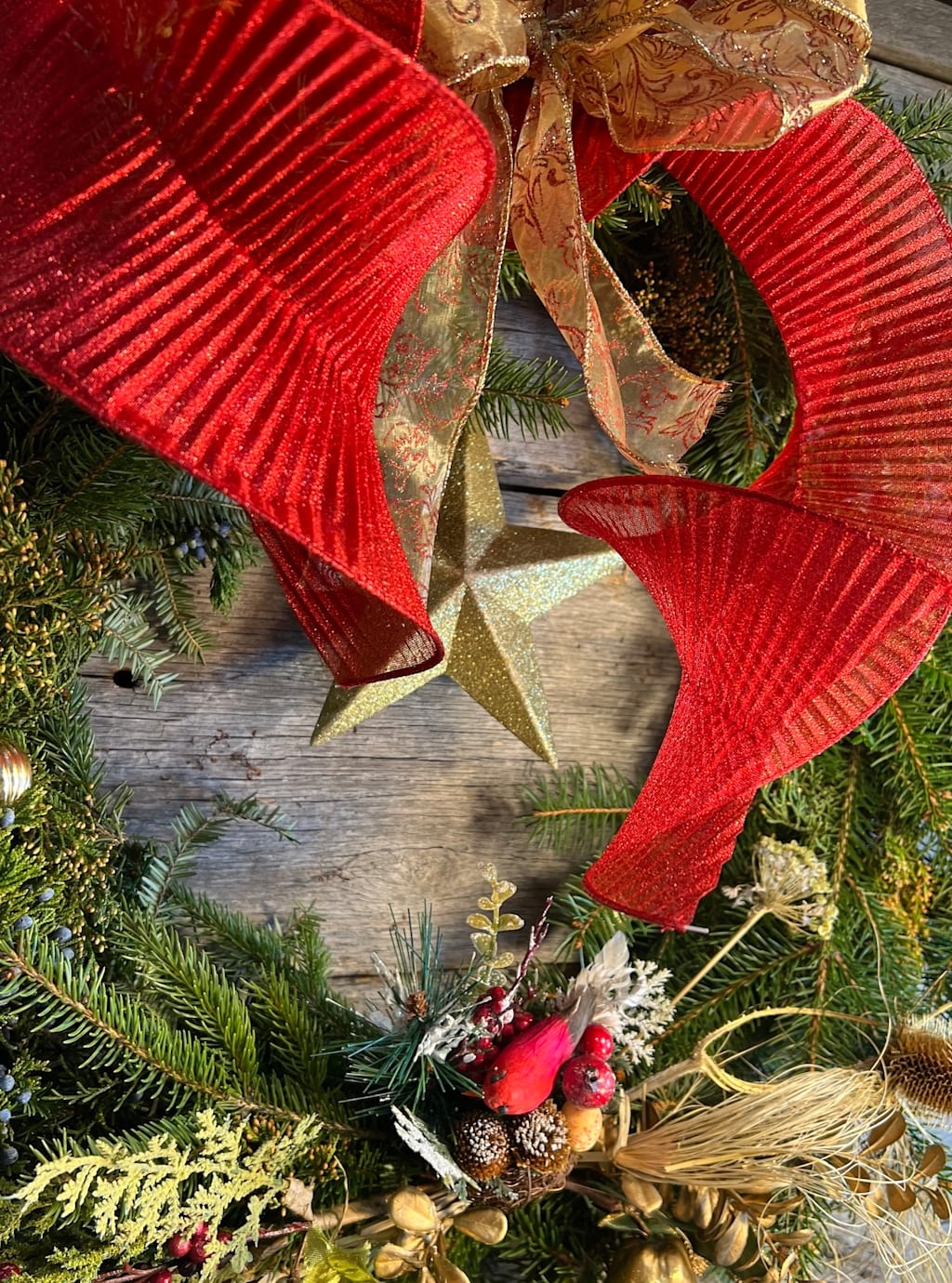
My mother used a knife for her eggs again.Not the edge of it, exactly. Not like she meant to cut them. She held it the way a person might hold a fork if forks had never been invented, pinched between her fingers, silver flashing beneath the kitchen light. The yolk had broken across the plate and pooled into the toast.
“Mom,” I said gently. “That’s your knife.”
She looked down at her hand, then at me. For a moment her face arranged itself into embarrassment, the same small crumpling I remembered from childhood when she burned dinner or forgot someone’s birthday. Then she smiled.
“Oh,” she said. “I thought it was yours.” I took it from her and replaced it with the fork.
Outside, May pressed green against the windows. The lilacs had gone heavy. Everything was blooming too early, too much. I had been home three weeks, though when people asked, I said almost a month because three weeks sounded temporary. Almost a month sounded like a sacrifice.
I had come back because she needed help. That was what I told my sister on the phone, what I told the woman from the care agency, what I told myself each morning when I woke in my old bedroom under the sloped ceiling with the water stain shaped like a bird.
She needed help remembering her medication. She needed help bathing.She needed help not leaving the stove on.She needed help knowing what season it was.
At breakfast, she wore a red cardigan buttoned wrong and had a smear of egg yolk near her collarbone.
“You spilled,” I said.
She looked down, touched the stain, then laughed softly, “I did?”
I dabbed at it with a wet cloth while she sat very still. Her skin had gone thin, almost papery. I could see the blue map of veins beneath it.
“You don’t have to fuss,” she said.
“I’m not fussing.”
“You always fuss.”
I stopped.
She looked out the window, as if she had not said anything unusual.
After breakfast, I washed the dishes while she shuffled into the living room. The house made the same sounds it had always made—the hum in the refrigerator, the old pipes knocking, the low groan of the floorboards beneath the hall rug. But since coming back, every sound felt slightly misplaced, like a word used incorrectly in a sentence.
When I dried my hands, I looked down and saw yellow on my shirt.A small stain, just below my collarbone. I touched it and raised the stain under my nose to give it a smell. Egg yolk.
I stood there for a long moment, the towel still in my hands, and tried to remember if I had leaned against her plate. If I had wiped my fingers there without thinking. If I had, at some point, eaten eggs.
From the living room, my mother called out, “Do you want these?” I found her sitting on the floor in front of the cedar chest, surrounded by ribbons. Not just ribbons. Bows. Dozens of them. Satin, velvet, wired plaid, red and gold and green. Christmas bows. The kind she used to save from packages and smooth flat for the following year.
“Mom,” I said. “What are you doing?”
“She’ll want these.”
“Who?”
She gave me a look, impatient and familiar.
“The little one.”
My stomach tightened.
My daughter was not little anymore. She was fourteen, taller than me now, living three states away with her father while I “got Grandma settled.” That was the phrase everyone used. Settled. As if my mother were a box we had not yet found the right shelf for.
“It’s May,” I said. “Christmas is months away.”
My mother turned a bow over in her lap. It was red velvet, crushed in the center.
“She liked this one.”
“Who did?”
She looked up.
“You did.”
Something in the room shifted. Not physically. The walls stayed where they were. The curtains hung still. Dust moved in the square of sunlight on the carpet. But for one second I had the strange sensation of standing in the wrong place in my own memory.
I bent down and began gathering the bows into a pile.
“These can go back in the chest.”
“No,” she said sharply.
I froze.
Her hand closed around my wrist.
Her grip was stronger than I expected.
“She’ll need them,” she said.
“Mom.”
“She’ll need them when she comes.”
I looked at her hand on me. The nails were unpolished, ridged, dirty.
“When who comes?”
She released me.
Then she looked confused, frightened even, as if I had been the one holding on too tightly.
“I don’t know,” she whispered.
That afternoon, I called the doctor’s office and left a message. I said there were changes. I said she seemed more disoriented. I did not mention the stain. I did not mention the way she looked at me sometimes, not like I was her daughter, but like I was someone she had been expecting.
That night, I woke to singing. At first I thought it was coming from outside. Some animal noise made human by sleep. But then I heard the words, soft and cracked.
Silent night.
I sat up. The room was dark except for the moonlight pooling on the floorboards. For a moment, I did not know where I was. The old bedroom had become unfamiliar in the way familiar places do at night. The dresser crouched in the corner. The closet door stood slightly open.
Oh holy night.
I got out of bed. The hallway smelled like dust and lavender lotion. My mother’s bedroom door was open. Her bed was empty. I found her in the living room beside the cedar chest. She was sitting on the carpet in her nightgown, tying a bow around her wrist. Red velvet.
“Mom,” I said.
She did not look up.
“You woke me.”
“Who cares?”
Her fingers worked slowly, clumsily, trying to make the ribbon obey.
I crouched beside her.
“Let me help.”
“No.”
“It’s too tight.”
“No.”
The bow sat crooked against her thin wrist.
“Why are you doing this?” I asked.
She looked at me then, and her eyes filled with tears.
“So you’ll know me.”
I could not speak.
“So you’ll know me when you forget,” she said.
The next morning, she remembered none of it.
At least, that was what she told me.
She sat at the kitchen table in her red cardigan, eating eggs with the correct utensil, looking pleased with herself.
“I slept wonderfully,” she said.
I had not slept at all. I reached for my mug and felt something catch at my skin. I looked down. A ribbon circled my wrist. Red velvet. Pulled tight enough to leave a pale indentation beneath it. For a moment, I couldn’t breathe. I turned my arm slowly, as if that might explain it. Catching a whiff of lavender lotion. The knot sat on the inside of my wrist—messy, uneven, familiar. I did not remember tying it. I did not remember taking it from her.
Across the table, my mother buttered her toast carefully.
“Did you sleep well?” she asked.
I stared at the ribbon.
“Yes,” I said.
I stood in the hallway with my hand around the soft velvet on my wrist like a handcuff and tried to breathe. There were reasonable explanations. There were always reasonable explanations if you wanted them badly enough. I could have picked it up after taking it from her. I could have put it on my wrist without remembering. Sleep did things to people. Stress did things. Caregiving did things. Grief could move objects from one room to another and leave you swearing they had grown legs. I ripped the bow off my wrist and threw the bow into the trash.
At lunch, my mother spilled soup on her white shirt under the cardigan. Tomato, bright and red, blooming across her blouse.
“Oh dear,” she said.
I stared at it.
She looked at me.
“What?” she snapped.
“Nothing.”
I helped her change. I put the blouse in the laundry sink to soak. I scrubbed at the stain until the water turned pink.
When I went upstairs to my room, I found the same red bloom on my own shirt. Same place. Same shape. I sat on the edge of the bed. The house hummed.
In the mirror above the dresser, I looked tired. Older than I felt. Or maybe exactly as old as I felt and younger than I feared. There was a line between my eyebrows I did not remember earning. My hair, pulled into a loose knot, had streaks of gray near the temples. I touched the stain. Downstairs, my mother laughed. Not at anything I could hear.
The doctor called back at 3:17pm. I know because I wrote the time down. I had started writing things down. Medication. Meals. Strange behaviors. My own thoughts, though I did not label them that. It read like a conversation with a friend. It can be lonely, caring for someone who is slowly losing their mind—even when you’re not sure which one of you it is.
At first, the nurse spoke to me as if I were my mother. Then she paused, corrected herself, and asked if my mother had become aggressive.
“No,” I said.
Had she wandered?
“Not outside.”
Was she confusing people?
I watched a fly tap against the kitchen window again and again.
“Yes,” I said.
“Is she confusing you with someone else?”
The fly dropped to the sill.
“I don’t know.”
There was a pause.
“Caregiver strain can be significant,” the nurse said.
I almost laughed.
Caregiver strain. Such a clean phrase. It sounded like a pulled muscle, something that could be iced and rested.
That evening, my mother refused dinner. She sat in the living room, watching television with the sound off. Her hands rested in her lap. She was dressed for church in her three piece set and nice slip on shoes, though it was Thursday.
I made tea and brought it to her.
She looked at the mug.
“I don’t take sugar.”
“I know.”
“You put sugar in it.”
“I didn’t.”
She smiled sadly.
“You always do that.”
I set the mug on the table.
“Who do you think I am?”
Her eyes moved over my face slowly. Carefully. As though reading an inscription worn down by weather.
“My girl,” she said.
Relief loosened something in me.
Then she added, “My poor girl.”
I backed away from her trying to choke back tears.
That night, I dreamed I was wrapping presents.
Not Christmas presents. Not birthday presents. Just empty boxes. I wrapped one after another in brown paper and tied each with a red velvet ribbon making it into a bow at the top. The room was warm. Too warm. My fingers wouldn’t work properly. Each knot came undone. Every time I managed a bow, it unraveled.
My mother stood in the doorway.
“You’re doing it all wrong,” she said.
“I know.”
“You always do it wrong.”
“I know.”
When I woke, there was a ribbon around my wrist. Red velvet. Too tight. I clawed at it until it came loose, leaving a pale mark beneath.
I went to my mother’s room. She was asleep. On her bedside table sat a glass of water, untouched. Beside it: the fork she should have used at dinner if she had eaten.
The next days blurred. Or maybe they sharpened. It became difficult to tell the difference. My mother put my shoes in the refrigerator. Then I found my slippers in the vegetable drawer. My mother called me by my daughter’s name. I answered. My mother asked when Dad was coming home.
I said, “He’s dead.”
She said, “I know.”
I said, “Then why did you ask?”
She said, “Because you always forget.”
I bit the inside of my cheek hard to keep myself from correcting her.
Since the morning I woke up to a ribbon on my wrist, I began sleeping with the bedroom door locked. Each morning, it was open. I started taking pictures with my phone. The stain on her blouse. The stain on mine. The bows and ribbon in the cedar chest. The ribbon on my wrist. The knife beside her plate. The fork on her bedside table.
But when I looked back, the photos were not proof of anything. They were ordinary. Domestic. Sad, maybe, but not impossible. Women's shirts that looked identical. A ribbon. A utensil. My own hand blurred in the frame.
On the last morning, I found my mother at the kitchen table with the cedar chest open beside her. Every bow had been spread across the table and spilled onto the floor. Red. Gold. Green. Silver. Plaid. Christmas in May. She sat among them in her nightgown, her hair uncombed, her face calm.
“I’m not doing this anymore,” I said.
She looked up.
“Doing what?”
“This.”
The word filled the kitchen.
This house. This care. This slipping from reality. This terrible mirror she kept holding up to me.
“I know what’s happening,” I said, though I did not.
She nodded as if I had finally said something sensible.
“Good.”
“You’re sick.”
“Yes.”
“You need more help than I can give.”
“Yes.”
“I’m going to call someone.”
“Yes.”
I hated how agreeable she was.
I hated how small she looked.
I hated the bows most of all, their cheerful little bodies scattered everywhere.
“Why did you take them out again?” I asked.
“For your daughter.”
“She doesn’t want Christmas bows.”
My mother tilted her head.
“No,” she said. “I suppose not.”
“Then why?”
Her eyes went to my hands. I looked down. I was holding one. Red velvet. Crushed in the center. I did not remember picking it up. My mother’s face folded with such tenderness that I nearly stepped back from it.
“Oh, sweetheart,” she said.
The room grew very quiet. Outside, a bird called once from the lilacs. My mother reached across the table and touched my wrist. Not gripping this time. Just resting there.
“You're coming back,” she said.
I swallowed.
“Yes, I have been back over a month. To take care of you.”
She smiled.
“No.”
The refrigerator hummed.
The clock above the stove ticked, though I was sure it had stopped years ago.
“No?” I questioned.
She shook her head. I balled the bow tight in my fist. From somewhere in the house, a phone began to ring. Neither of us moved.
“You’re coming back,” my mother said again, gently, patiently, as if explaining something to a child, “because I’m calling you.”
The phone kept ringing.I looked toward the hallway. Then back at her. Then it rang again, louder somehow, echoing down the hallway.
“I should—” I started as I looked back toward the phone.
My mother didn’t answer. She only watched me, her hand still resting lightly around my wrist, just above the red velvet ribbon which had now somehow been wrapped around my wrist.
“It’s okay,” she said softly patting the crushed part of the bow urging me to go ahead and answer the call.
The phone rang again. I pulled away. The hallway felt longer than it should have. Narrower. The sound pulled me forward, step by step, my hands sliding along the wall as if the floor might shift beneath me, until I reached the table where the phone vibrated against the wood. I picked it up.
“Hello?”
Nothing.
No breath. No voice. Just a hollow, endless tone. Not silence—worse than silence. A low, empty hum, like something waiting on the other end but not yet formed.
“Hello?” I said again.
The sound didn’t change. I pulled the phone away from my ear, staring at it, as if it might reveal something in the shape of it. Behind me, the house had gone still. Too still.
I turned, lifting the phone back to my ear, pressing it there again, as if it could anchor me back to reality. The kitchen was empty. The chair where my mother had been sitting stood slightly angled away from the table, as if someone had just risen from it. The cedar chest sat open on the floor, ribbons and bows spilling out across the table and on to the carpet.
But she was gone.
“Mom?”
My voice sounded smaller than I expected. I took a step back into the room. Nothing moved. No breath. No shift. No presence. Just the quiet hum of the refrigerator. And then— I saw it. The mirror on the far wall. Old, oval-shaped, the one that had hung there for years, reflecting the kitchen at an angle that always felt slightly wrong.
In it, my mom was standing by the table, phone to her ear. The phone I had just picked up. I moved my head. In the reflection, she tilted her head. The same small, familiar motion. Listening. Waiting. The tone in my ear deepened, stretched, as if it were coming from farther away now. Or closer. I tried to speak, but the word caught somewhere behind my teeth. In the mirror, my mother smiled. Not confused. Not frightened. Certain. Her lips parted.
And we said, “So you’ll know me when you forget.”
I could feel the ribbon around my wrist tightened. Just slightly. Enough to remember for a moment we were one in the same.
About the Creator
Enjoyed the story? Support the Creator.
Subscribe for free to receive all their stories in your feed.
Comments
There are no comments for this story
Be the first to respond and start the conversation.