
last son of Lêr
the sins of the father



I have grown old, my eyes art weak and my withers tremble in the night air. Though I comfort myself before sparkling embers in the hearth, the cold pierces my bones. All the more in such a pitiable state do Fionn’s final words yet haunt me everlasting in this late season of my life.
Remember me aright, he asked me, and he above all men hath I remembered. Once young and twice the fool, at long last I now endeavor to share what little remains of my enfeebled memories. My daughter, duty bound to her Daid, hath with quill in hand and candle bright writ the words my eyes canst no longer see.
I pray only to live a few more days that I may fulfill my tardy confession. In this good werk let me not blush in the admission of these my sins before the Lord calls His prodigal home.
...
In the year of our Lord, Eighteen Sixty-One, in the month of May, dark gray clouds filled the skies like the gates of Hell breached, inexhaustible plumes of ash rushing unfettered forth from the spirit world into ours. The lightning in great hosts brightened the darkness with terrifying flashings such as no man had ever beheld before or since. Thunder sounded with such shattering fury that we left our beds and dared the night that we might catch a glimpse of Christ returning in glory.
Whatever happened, it rained as it must have when Noah sailed the ark upon its killing waves. It fell day and night while the crops sown in the spring lay rotting in the fields and felt like reckoning from on high, even the earth seemed silenced by it, the only sounds the lashing rain and great grumblings and crashings of thunder.
The skylarks and cuckoos that in former summers welcomed the dawning no longer sang when morning after morning failed to dawn. Once stately stags, lean and bony from hunger visited in the wee hours like beggars to nibble at the sodden thatch upon our rooftops. The marsh marigolds that in fatter days graced the bogs in spring failed to appear at all.
Everything reeked of death. The drowned worms in their uncounted thousands floated flaccidly in the rain washing across the ground with the vegetable rot and animal waste. Putrescent waters sinuously slipped their way onto the earthen floors of our poor hovels till every man, woman and child stank of its filth.
God too, hid His benefice, the bogs on the moor growing ever more treacherous, and even peat cutting for fuel was mostly abandoned. The faithful visited the churches early each morning to pray, hear mass and take communion till there was no more bread even for that.
Nothing sows fear quite like the specter of the starved. Till ye art cold in the grave, hunger is the soul-slayer. Men who would never kill for any other motive will kill to feed their wee ones. Week after week of famine, the more of us died, the more corrupted our souls grew and twice as damned.
When the Irish fever began it broke us all, a call from the altar of God to repent that had long gone unheeded. Who is to blame we all whispered as if pointing fingers in accusation might save us. But from the beginning we simply flailed about for a scapegoat to bloody with our unconfessed sins.
With much distress witnessed we the dark woe
Cursing our lands and drowning charity,
Turned we from angels to draw Diabhail's lots
And in God's name did Evil's dread bidding.
Our sin was complicity with the brute who was the worst of us all. No one in the village was more disagreeable sober nor more dangerous drunk than Cillian O’Cleary. At eighteen stone and six and half foot tall, he was a force to reckon with in the best of moods.
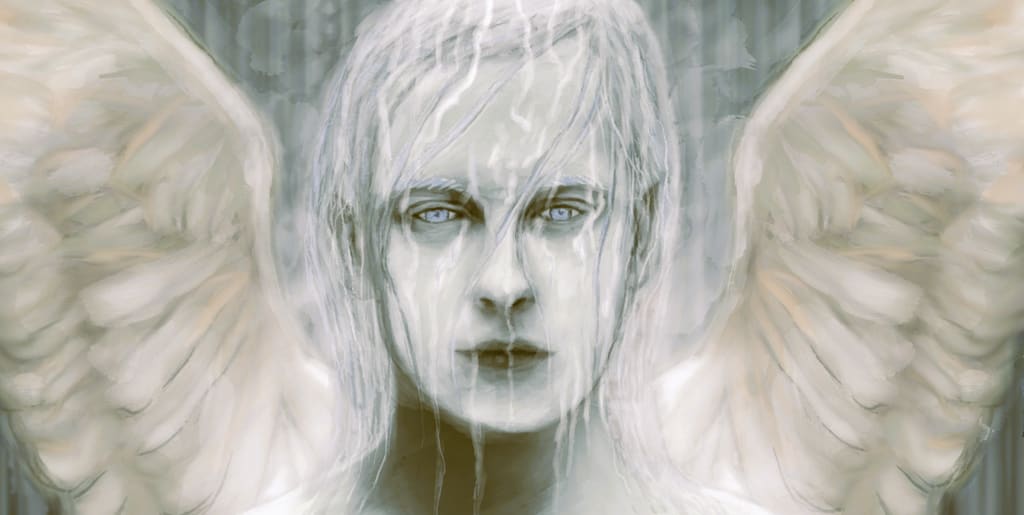
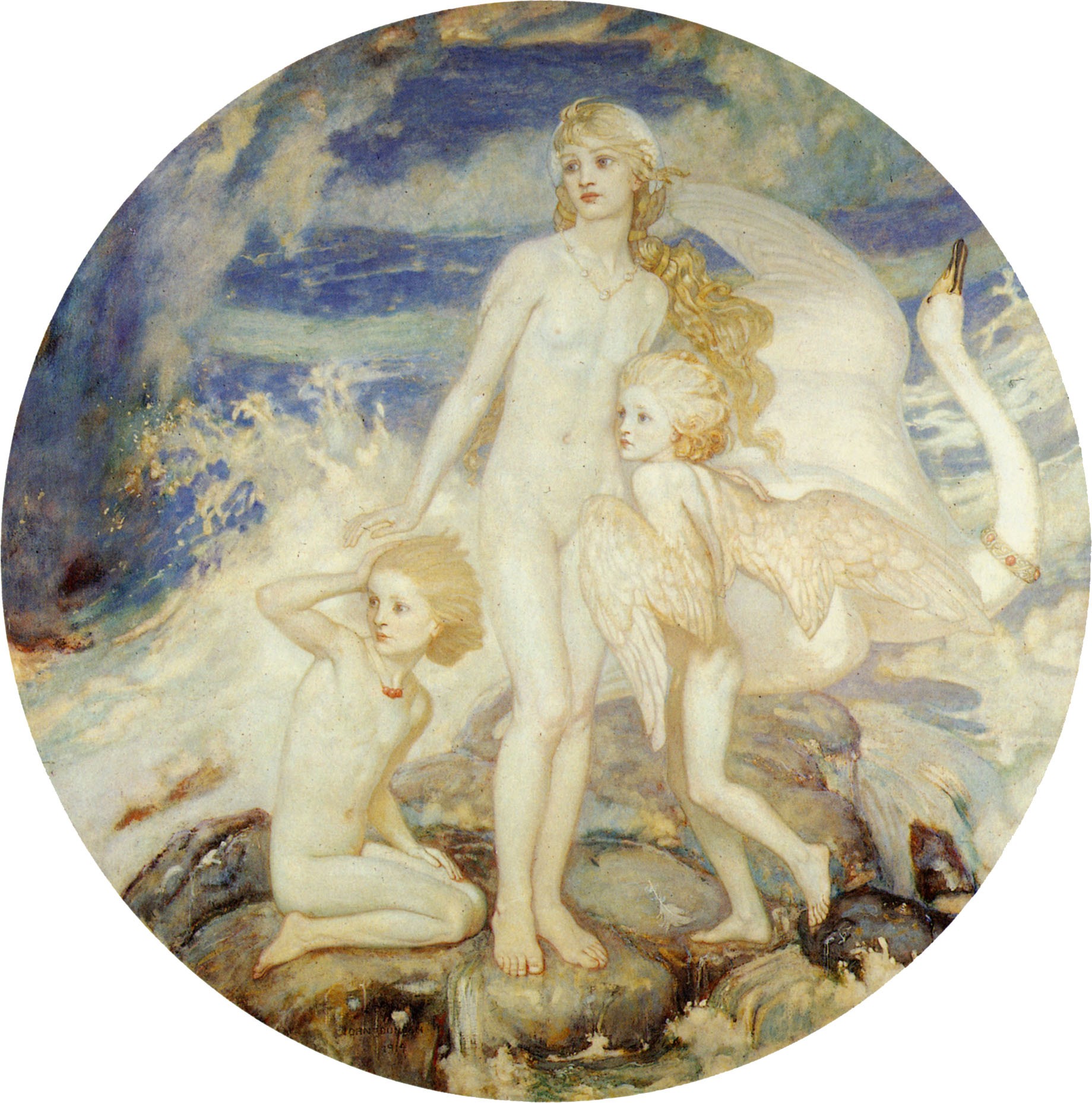
Fifteen years before the famine began, his first wife delivered a son whose hide and hair was white as driven snow with small wings perched upon his back. The constable had to knock Cillian out with a fence post to keep him from killing both wife and child and locked him in the village gaol to sober up.
The village head sent for Manannán, the ancient one who lived deep within the moor and the only creature that Cillian feared. In the morning we heard him cursing and threatening anyone in earshot till he spied Manannán walking into the village and finally grew silent.
Manannán was several stone larger than Cillian and wore a priest's cowl with a hood pulled over his massive head that darkened his features. He halted before the gaol and stared at Cillian with contempt.
Turning to those of us gathered in the street, he abruptly enquired - Do ye hath eyes to see and ears to hear?
We see and we hear, Manannán, the headman answered and we echoed:
We see and we hear, Manannán.
It is good that you see and hear, he answered. Where is the accused?
The midwife brought Cillian's wife with the newborn in her arms to face him.
She's a witch, Cillian hissed.
Manannán stared silently at her for a long time till the headman coughed.
How do you judge?
I find no guilt in her, he answered simply.
She had congress with Diabhail, Cillian shriek'd.
She had congress with you and her son is your issue.
I never knew her. That white monster is not mine!
Manannán turned and stared a second time at Cillian, this time pushing his cowl back in anger to expose his unpleasant features. Those who were wise closed their eyes, but Cillian returned his stare briefly before looking down in trembling terror.
Pulling the hood back over his head, Manannán turned to the headman and said - I will take the diabhail in the gaol or the woman with the swan child into the moor. You judge between them.
The headman visibly shrank as Cillian shook the bars of the gaol in a jibbering rage.
The headman put it to a vote while Cillian threatened us all with the fires of damnation. Even though we all knew the truth of it, we voted to a man to cast out his innocent wife with her helpless babe.
Manannán chuckled darkly. Thou art blind and deaf, good people. Art thou dumb as well? The sin upon your heads and not mine.
Shaking the dust off his feet, he told the woman, Thy marriage is annulled, poor lady; before silently leading her with the babe in her arms out of the village.
Several years passing, Cillian married again and his new wife bore him a son with his Daidi's ruddy skin and red hair and oft pointed proudly at him and told anyone who would listen - See, see? This is not a child of Diabhail, this one is mine.
But once the Irish fever began to kill members of our village, Cillian’s second son took ill and died and shortly after his young wife. He tried to drown his sorrows in whiskey and soon drank himself out of any senses he had remaining. Each new morning, he raved at both God and diabhails, drinking even more than every day before. When the Lord’s Day arrived, he rested from his drunken labors but found no peace in the Mass or the blood of Christ.
Where o’ where, my Lord, hath my son wandered,
Who might send word to bring him back home
His Maimi beats her breasts and keens to join
Her dear one in the earth whence none return.
When the famine grew desperate and the grain in the village stores were nearly empty, a darkness burgeoned within Cillian's heart till his hate for his former wife and her little white monster kept him awake long into the hungry nights.
Murder lived only in his gaze and I knew it would not be long before he braved the moor and I with him to where Manannán dwelt with the woman and her son to slay them all.
A few nights later he told me that he had sworn God's vengeance against his enemies and in the morning we should arm ourselves with our father's swords and travel into the moor. Though I feared the worst I did nothing to dissuade him.
Before the dawning we began the journey to seek Manannán and the souls he had safeguarded for the last fifteen years. But weeks of rain had made the pathway treacherous and with many turnings we oft walked in circles rather than straight and true into our enemy's dark lair.
It was night and storming before we caught sight of a tall white youth when a great blast of lightning lit our surroundings. The sky continuing to flash and rumble with distant thunder, Diabhail's son shone in the gray light like a god. Naked from head to toe, his large hands grasped the haft of a great sword, his wings, now full grown, were lifted and still in the driving rain.
I trembled with fear at the sight of him, awaiting us unafraid. But Cillian was simply enraged and named him the fallen Lucifer.
Where is thy Mam, boy? he yelled.
I am Fionn, he answered firmly, there art no boys here.
I named thee not, Cillian spat, thy hast no name. Where is thy Mam, boy?
Step a little closer, Daidi, and I shalt cleave thine head from thy shoulders.
You will shortly die, he rebutted, call thy Mam that she may kiss thee farewell.
Seekest my Mam beneath the yew where she lies buried. Worry not, I shalt tarry for thy return.
Draw thy sword, boy, Cillian spat again.
Thy tongue doth weary me, sir knight. Fionne said with a frown, Strike or return home to the drudge waiting in thy bed.
With a roar, Cillian drew his sword and swung it at Fionn. But sidestepping the blade, Fionn swung his own with such strength and fury that it knocked Cillian's into the mud like a little boy's stick. Then with a doublehanded blow, he struck him in the head with the flat of the sheathed sword, knocking the big man sprawling.
Only then did he finally draw his great blade from its sheath and brandished it above Cillian's neck as he spluttered for mercy. But it was my sword that met Fionn's in a shriek of clashing metal that shattered my wrist and made the world go briefly dark.
My eyes closed in terror, I awaited the killing thrust as I stood between Fionn and his implacable enemy. But time slowly passing, the rain began to lessen and I opened my eyes and beheld Fionn facing me with his hands resting on his sword's great haft.
Where was thy courage, uncle, he whispered, when thy brother wickedly accused my Mam of congress with the Evil one? Thy knew the truth of it and yet said nothing.
God forgive me, but I replied not nor confessed the sin that blackened my heart. Instead, I long returned Fionn's sad gaze with my own while Cillian lay in the mud and wept like a child.
Remember me, aright, Tige O'Cleary, he finally murmured, my tale is thy penance. And then he lifted his terrible and swift sword to rest upon his shoulder and disappeared into the night.
When Cillian ceased from weeping, I helped him up and we made the long journey back to the village. He never thanked me for saving his life at the cost of crippling my arm. But he never spoke of Diabhail or his first wife or Fionn again. His famous rages ended, he helped me with the planting in the spring and harvesting in the fall, taking care of me as an older brother aught till his spirit left him one dark and rainy night.
My confession completed, I wait impatiently for the Lord's last call and oft wonder if we met an angel unawares that stormy night, having never seen nor heard of the godlike Fionn after.
I'm probably wrong, but I like to think that he was neither angel nor demon but a child of Lêr untimely born. He might have blest us all if we with courage had turned Cillian from the village instead of his wife and wee prince of old.
...
In the last age of the Tuatha De Danann
Two great houses by kingly marriage were bound
King Bodb gave daughter Aoibh’s hand to Lêr
And she bore him three sons and one daughter.
…
When twin sons burst her womb, she breathed her last
And Lêr’s grief was great at his poor wife’s loss.
Still greater his love for his children four
And he took wife again, Aoibh’s sister.
…
Aoife loved Lêr but not the children four
And she schemed for all of his affection
With chariot she carried the children
To Loch Dairbhreach and made them each to bathe
…
And Lêr's children four were to swans bewitch'd.
When heartbroken he the lovely fowl found
sweetly sang they but comfort'd him not
for he would ne'er live to see them set free.
from The Children of Lêr by Tige O'Cleary
About the Creator
John Cox
Where would you like to travel? Who would you like to meet? No ticket required, a surprise at every destination guaranteed. Strap on your time travel goggles and bring a compass. It's sometimes bumpy in my imagination, so hold on tight!
Enjoyed the story? Support the Creator.
Subscribe for free to receive all their stories in your feed. You could also become a paid subscriber, letting them know you appreciate their work.
Comments
There are no comments for this story
Be the first to respond and start the conversation.