
Chocolate: A sweet treat with a rich history
A sweet treat with a
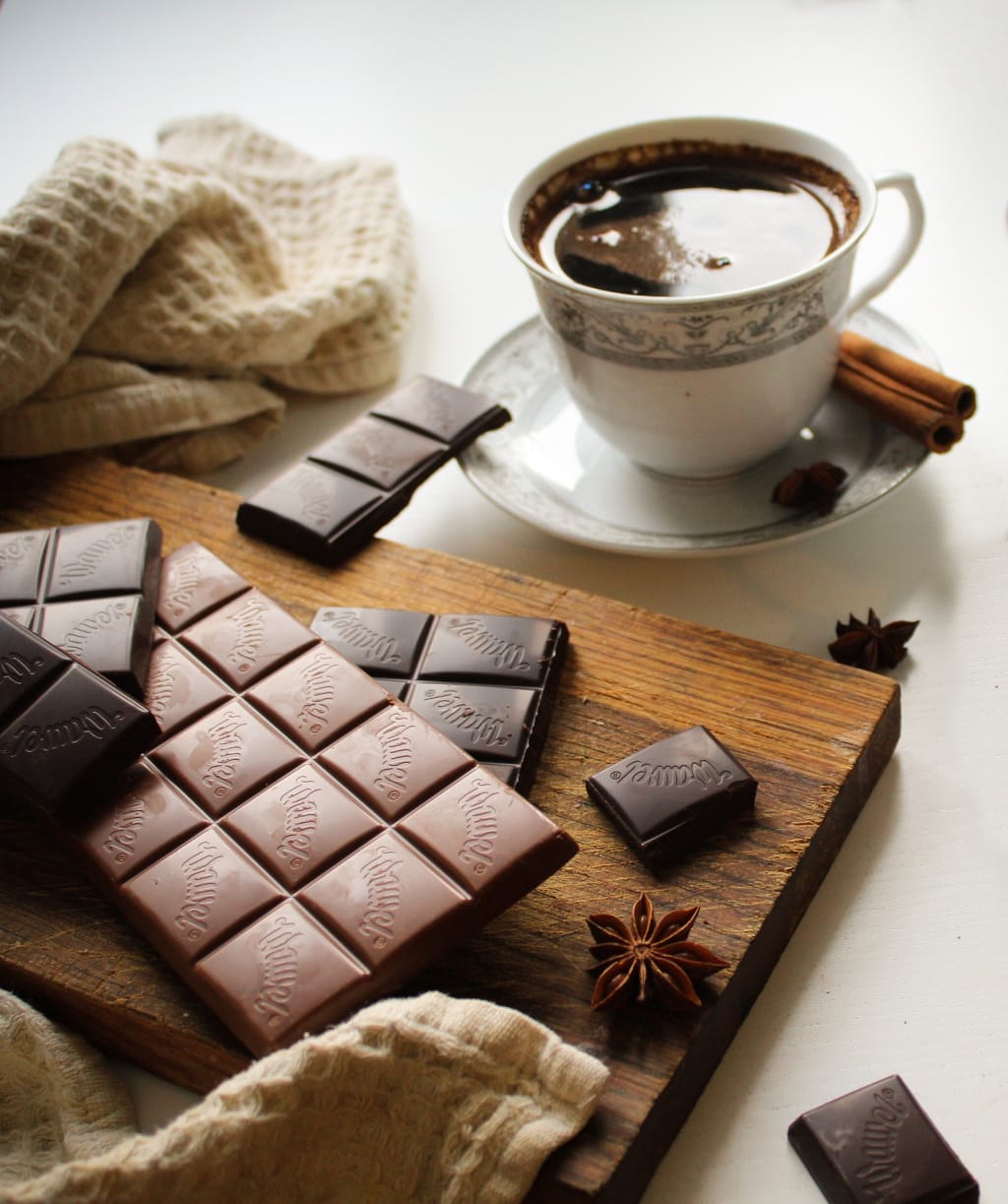
Chocolate is one of the most popular foods in the world. It is used in making desserts, drinks, cakes, and cookies. It is also used in many medical prescriptions. Chocolate is made from the seeds of the cocoa tree, which is native to Central and South America.
History of chocolate:
Mesoamerican civilizations:
The Aztecs and Mayans were the first to cultivate cacao beans and used them to make a bitter drink called "xocolatl."
"Xocolatl" was used as a ritual drink and was believed to give strength and energy.
Arrival in Europe:
Chocolate was introduced to Europe by the Spanish in the 16th century.
Chocolate quickly became a luxury item and was consumed by the aristocracy.
Chocolate for everyone:
In the 18th century, chocolate began to be mass-produced, making it more affordable for the general public.
This led to a boom in the chocolate industry, and new chocolate products were developed, such as chocolate bars and chocolate candy.
Health benefits of chocolate:
Antioxidants:
Dark chocolate is a good source of antioxidants, which can help protect the body against free radical damage.
Antioxidants have been linked to a reduced risk of heart disease, stroke, and cancer.
Magnesium:
Dark chocolate is a good source of magnesium, which is important for heart health.
Magnesium helps regulate blood pressure and cholesterol levels.
Mood improvement:
Chocolate contains compounds that can improve mood, such as theobromine and caffeine.
These compounds can help increase alertness and concentration.
Types of chocolate:
Dark chocolate:
Contains a high percentage of cocoa (at least 70%).
Has a slightly bitter taste.
Rich in antioxidants.
Milk chocolate:
Contains milk and sugar.
Has a sweet taste.
Rich in calcium.
White chocolate:
Does not contain cocoa.
Made from cocoa butter, sugar, and milk.
Has a sweet, creamy taste.
Chocolate making process:
Harvesting cacao beans:
The chocolate making process begins with harvesting cacao beans from the cacao tree.
Fermentation:
Cacao beans are fermented for 5-7 days.
Drying:
Cacao beans are dried in the sun or in a dryer.
Roasting:
Cacao beans are roasted at high temperatures.
Grinding:
Cacao beans are ground into a paste.
The paste is mixed with sugar, cocoa butter, and other ingredients to make chocolate.
The future of chocolate:
Sustainable chocolate:
There is a growing demand for sustainable chocolate, which is produced in an environmentally friendly way.
Craft chocolate:
There is a growing trend towards craft chocolate, which is made in small batches using high-quality ingredients.
Innovations in the chocolate industry:
There are many innovations in the chocolate industry, such as using new techniques to improve the taste and texture of chocolate.
Conclusion:
Chocolate is a delicious and versatile food that has been enjoyed by people for centuries. It is also a good source of antioxidants and other beneficial compounds. The chocolate industry is constantly evolving, and new chocolate products are being developed all the time. So, next time you enjoy a piece of chocolate, take a moment to appreciate its rich history and the many people who have worked to bring it to you.
Additional information:
The word "chocolate" comes from the Nahuatl word "xocolatl," which means "bitter water."
The first chocolate bar was created in 1847 by Joseph Fry.
The world's largest chocolate factory is located in Hershey, Pennsylvania.
The average American consumes about 12 pounds of chocolate each year.
About the Creator
Enjoyed the story? Support the Creator.
Subscribe for free to receive all their stories in your feed.
Comments
There are no comments for this story
Be the first to respond and start the conversation.